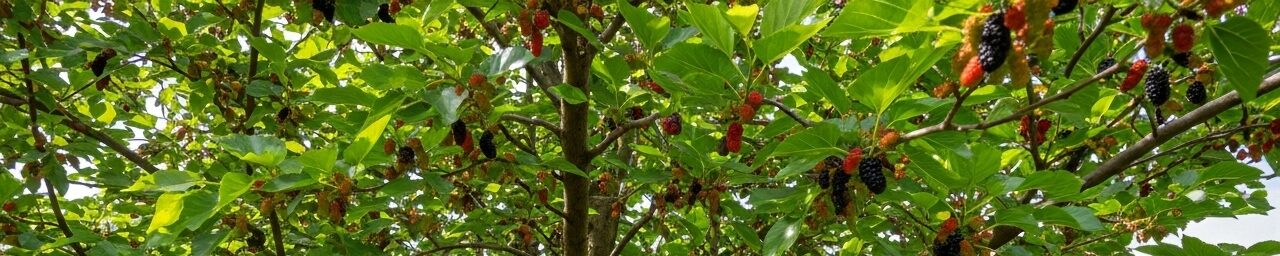
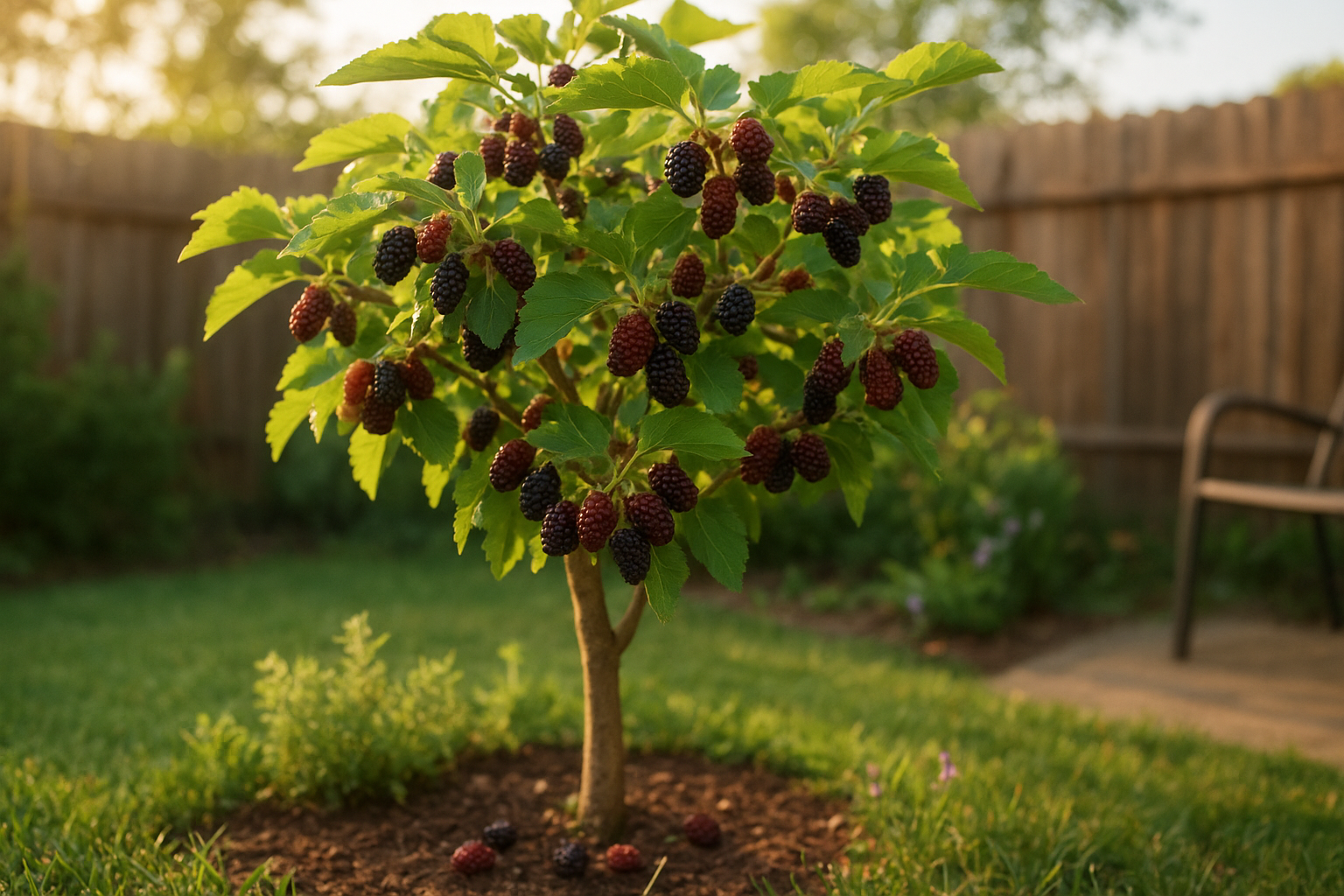
Discovering Compact Mulberry Trees for Tight Gardens
Gardening enthusiasts with limited space often face challenges when selecting fruit trees. Compact mulberry trees offer a perfect solution for small gardens. These trees provide abundant fruit without requiring extensive room.
If you’re ready to start growing your own compact mulberry trees or enhance your small fruit garden, there are several essential products that can help you succeed in cultivating these productive plants. Starting with live plants is often easier than growing from seed, which is why the pack of Mulberry Dwarf Everbearing plants gives you four ready-to-grow trees that are perfect for small spaces and can begin producing fruit much sooner than seedlings. For gardeners who enjoy the challenge of growing from scratch and want variety in their compact fruit garden, this pack of dwarf bonsai fruit tree seeds includes over 200 seeds from four different fruit varieties including lemon, cherry, orange, and apple trees. Once your mulberry trees start producing their delicious fruit, you’ll want to protect your harvest from birds and insects with this bag set of fifty mesh fruit protection covers that slip over individual branches to keep pests away from ripening berries. Maintaining the compact shape and health of your mulberry trees requires regular pruning, which is made easy with these Fiskars Bypass Pruning shears that feature sharp, rust-resistant blades capable of making clean cuts on branches up to five-eighths of an inch thick. Proper nutrition is essential for heavy fruit production in compact spaces, so this Lemon Tree Fertilizer, which works wonderfully for all citrus and fruit trees including mulberries, provides complete plant food to maximize your harvest. Knowing when to water your container-grown or in-ground mulberry trees is critical for fruit development, and this XLUX Soil Moisture meter takes the guesswork out of watering by showing you exactly when your plants need moisture without requiring any batteries. For larger tree coverage or protecting multiple branches at once, this Alpurple Insect Bird barrier netting comes in two pieces measuring nearly five feet by three feet each with convenient drawstrings to secure around your fruit-laden branches. When your mulberry trees reach peak production and you’re harvesting handfuls of berries daily, this pack of berry pickers with metallic combs and ergonomic handles makes collecting fruit faster and easier while protecting delicate berries from bruising. If you’re growing your compact mulberry trees in containers to maximize space on patios or balconies, this DUSPRO Recycle Citrus tree potting soil mix provides the perfect pre-mixed growing medium that’s specifically formulated for fruit trees and ensures proper drainage and nutrition in confined root spaces. With these carefully selected tools and supplies, you’ll be well-equipped to grow thriving compact mulberry trees that produce abundant, delicious fruit even in the smallest urban garden settings.
The Appeal of Compact Mulberry Trees
Compact mulberry trees, such as the ‘Geraldi’ cultivar, are popular for their manageable size and prolific fruit production. Their natural genetic dwarfism makes them ideal for tight gardens, as they require minimal pruning. Additionally, their fruit-to-branch ratio is impressive, ensuring a high yield even in constrained spaces.
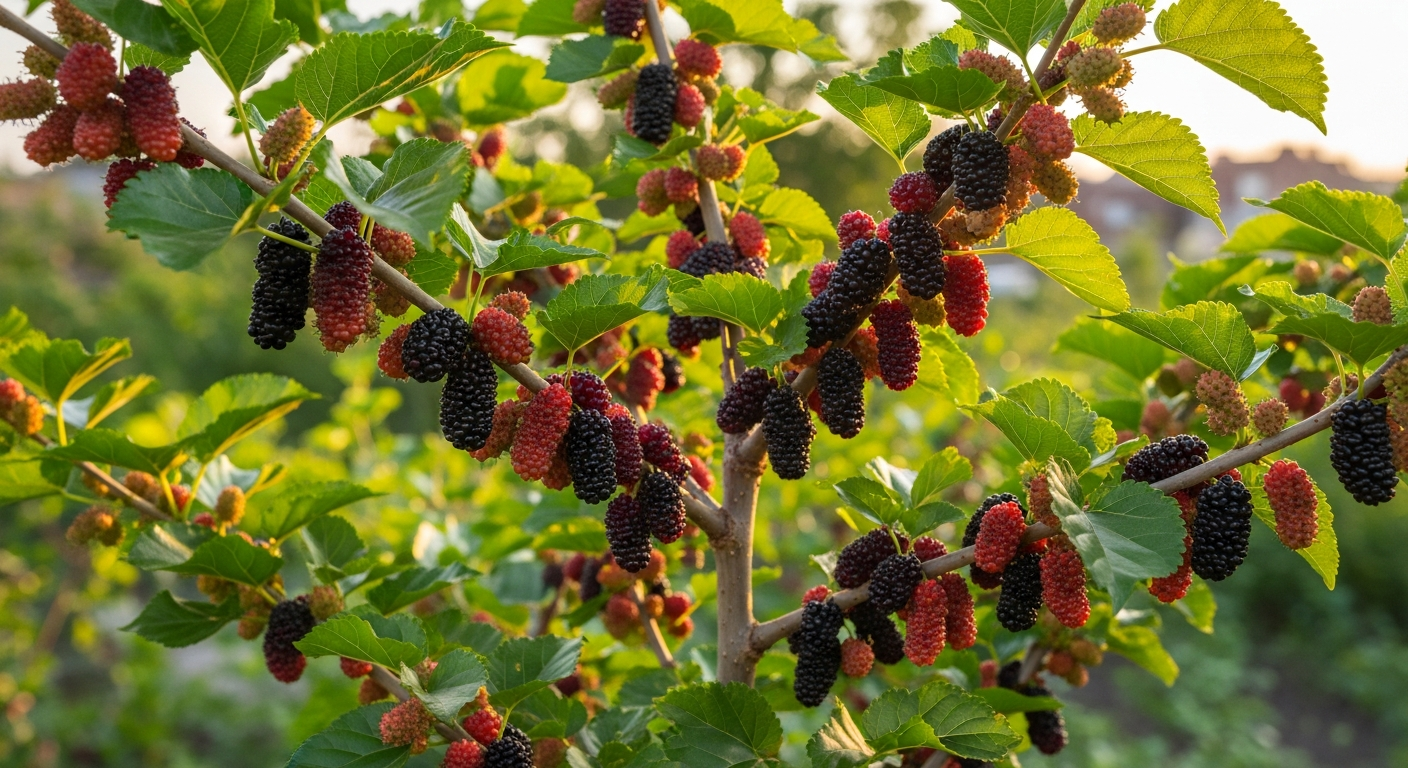
Features of the ‘Geraldi’ Cultivar
The ‘Geraldi’ mulberry tree stands out due to its unique characteristics. It produces larger, more flavorful fruit compared to the Dwarf Everbearing variety. This cultivar reaches about six to eight feet in height, making it suitable for urban settings. Moreover, its genetic makeup results in a naturally compact form, reducing the need for frequent maintenance.
Advantages Over Other Varieties
The ‘Geraldi’ cultivar offers several advantages over standard dwarf varieties. Source Firstly, its fruit size is noticeably larger, enhancing its appeal for those seeking substantial harvests . Additionally, the flavor profile of ‘Geraldi’ berries is richer, making them a favorite among mulberry aficionados.
Yield and Maintenance
Exceptional Fruit Production Characteristics
The ‘Geraldi’ dwarf mulberry stands out for its remarkable fruit-to-branch ratio. This means every branch produces abundant berries from late spring through summer. Furthermore, the tree dedicates more energy to fruit development rather than excessive foliage growth. Consequently, gardeners can expect harvests that rival full-sized mulberry trees despite the compact dimensions.
Moreover, this variety produces multiple fruiting cycles within a single season. Each branch can yield dozens of berries simultaneously. As a result, even a small backyard tree can provide several pounds of fresh mulberries weekly. Additionally, the concentrated fruiting pattern makes harvesting more efficient and less time-consuming.
Low-Maintenance Growth Habits
The natural compactness of ‘Geraldi’ mulberries eliminates frequent trimming sessions. Traditional dwarf fruit trees often require strategic pruning to maintain their size. However, this cultivar naturally stays within its designated space without intervention. Therefore, busy homeowners can enjoy fresh fruit without dedicating weekends to tree care.
In contrast to standard mulberry varieties, ‘Geraldi’ develops a self-regulating branch structure. The tree’s growth hormones naturally limit vertical and horizontal expansion. Meanwhile, the canopy remains dense enough for optimal fruit production. This genetic characteristic saves approximately 3-4 hours of pruning time per growing season.
Perfect for Time-Constrained Gardeners
For individuals balancing work and family commitments, this mulberry offers significant advantages. The reduced maintenance requirements mean less specialized equipment is needed. Furthermore, there’s no need to learn complex pruning techniques or timing protocols. Consequently, even novice gardeners can successfully cultivate this productive tree.
Additionally, the compact nature simplifies other care tasks beyond pruning. Fertilizing requires less product due to the smaller root system. Pest monitoring becomes easier when inspecting a manageable canopy. As a result, overall garden management becomes more enjoyable and less overwhelming.
Growing Conditions and Care
Soil Requirements for Optimal Growth
Well-drained soil forms the foundation for successful dwarf mulberry cultivation. These compact trees cannot tolerate waterlogged conditions. Their roots quickly develop rot in soggy environments. Therefore, gardeners should test drainage before planting. A simple test involves digging a hole and filling it with water. If the water drains within four hours, the location is suitable.
Additionally, the ideal soil pH ranges between 6.0 and 6.5. This slightly acidic environment allows optimal nutrient absorption. However, dwarf mulberries show remarkable adaptability to various soil types. They grow well in sandy, loamy, or clay-based soils. The key factor remains proper drainage rather than soil composition.
Moreover, amending heavy clay soils improves growing conditions significantly. Mix in compost or aged manure before planting. This organic matter enhances both drainage and nutrient content. For example, adding two inches of compost to the planting hole creates an ideal environment.
Sunlight Needs and Positioning
Full sunlight exposure directly impacts fruit production in dwarf mulberry trees. These trees require at least six hours of direct sun daily. Furthermore, eight to ten hours produces the most abundant harvests. Insufficient light results in sparse foliage and reduced berry yields.
Consequently, selecting the proper planting location becomes critical for success. South-facing spots typically receive maximum sun exposure throughout the growing season. Meanwhile, avoid areas shaded by buildings or larger trees. These compact varieties compete poorly for light with taller neighbors.
Watering Schedule and Techniques
Regular watering practices maintain tree health and maximize fruit production. Newly planted dwarf mulberries need consistent moisture during their first growing season. Water deeply twice weekly until roots establish firmly. In contrast, mature trees require less frequent watering.
During dry spells, these trees demand special attention. Extended drought periods stress the plants and reduce berry quality. Therefore, monitor soil moisture levels regularly throughout summer months. The top two inches of soil should feel slightly moist.
Additionally, deep watering techniques encourage strong root development. Apply water slowly at the base of the tree. This method allows moisture to penetrate deeply into the soil. Shallow, frequent watering creates weak, surface-level root systems. For example, using a soaker hose for thirty minutes works better than quick sprinkler sessions.
Annual Fertilization Strategy
Balanced fertilizer applications fuel vigorous growth and abundant fruiting in dwarf mulberries. Apply fertilizer once annually in early spring before new growth emerges. A 10-10-10 formulation provides equal parts nitrogen, phosphorus, and potassium. These three nutrients support different aspects of tree health.
Moreover, organic alternatives deliver excellent results for chemical-free gardening. Composted manure releases nutrients slowly throughout the growing season. Fish emulsion provides a quick nitrogen boost for leafy growth. However, avoid over-fertilizing these compact trees. Excessive nutrients promote foliage at the expense of fruit production.
Consequently, following package directions prevents nutrient imbalances. Spread fertilizer evenly around the tree’s drip line. Water thoroughly after application to help nutrients reach the roots.
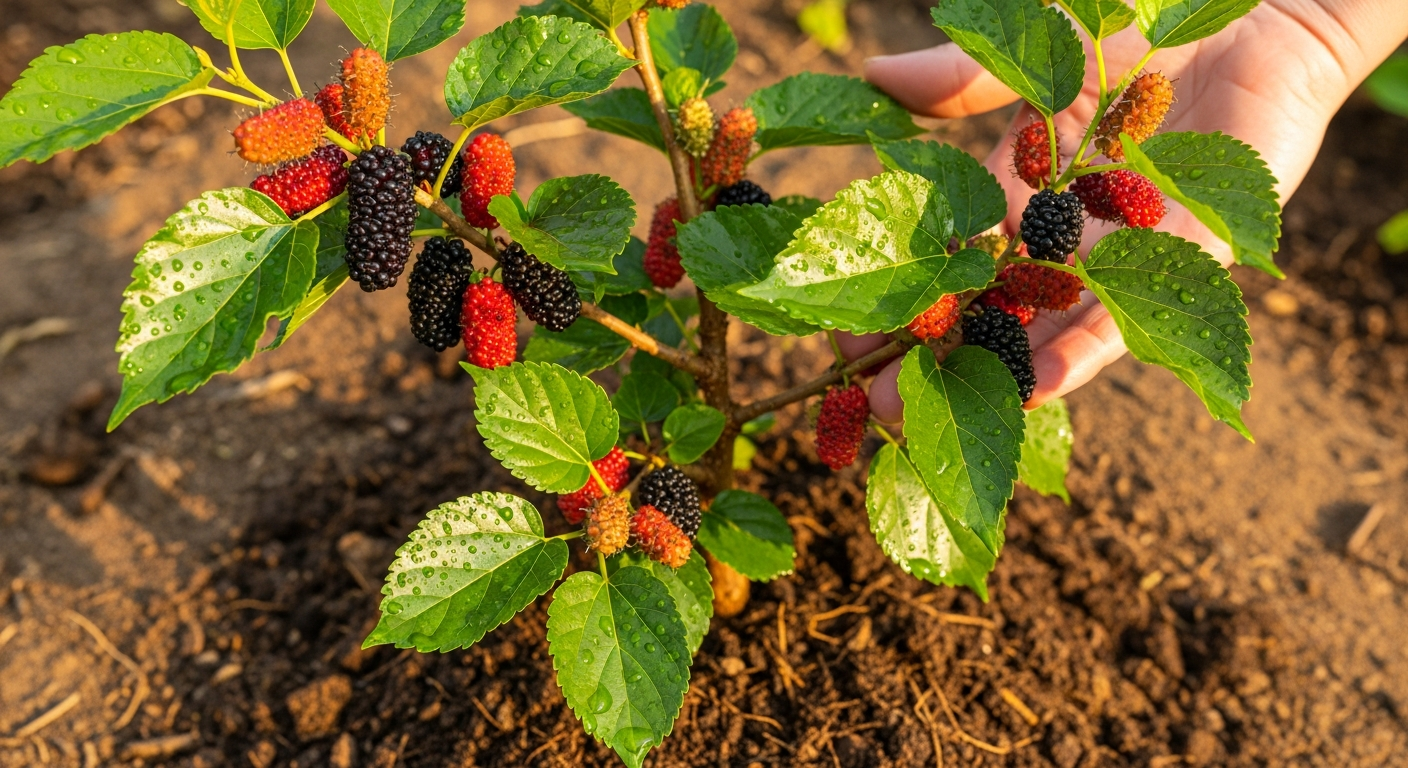
Pruning and Training
The Art of Minimal Maintenance
Even though ‘Geraldi’ is a dwarf variety, total neglect can reduce yields. Therefore, you must adopt a consistent maintenance schedule. Pruning is best performed in late winter or very early spring. At this time, the tree is still dormant. Consequently, you avoid the mess of excessive sap flow. This timing also allows the wounds to heal quickly before spring growth begins. Furthermore, seeing the branch structure is easier without leaves.
Improving Airflow and Light
Sunlight is the engine of fruit production. If the canopy becomes too dense, inner branches suffer. Thus, they will produce fewer berries. You must open up the center of the tree. Specifically, target branches that grow inward toward the trunk. Removing these limbs allows sunlight to penetrate deep into the foliage.
Additionally, this practice significantly improves air circulation. Good airflow dries out wet leaves faster. As a result, you reduce the likelihood of fungal diseases. A well-ventilated tree is naturally a healthier tree.
Targeting Problematic Branches
You should focus your efforts on specific types of wood. Gardeners often refer to this as the “Three Ds” strategy. It simplifies the decision-making process.
- Dead: Remove brittle, dry wood immediately.
- Damaged: Cut away branches broken by wind or pests.
- Diseased: Eliminate wood showing signs of cankers or rot.
Moreover, you must watch for crossing branches. These limbs rub against each other during windy days. Eventually, this friction strips away bark. This damage creates an entry point for insects and infection. Therefore, always remove the weaker of the two crossing branches.
Structural Training Tips
Young trees benefit immensely from early guidance. You are essentially building a skeleton for future harvests. First, identify your main structural branches. Then, remove competing shoots that threaten their dominance.
- Identify the Central Leader: Keep the main vertical stem strong.
- Remove Suckers: Cut off growth appearing from the rootstock.
- Check Angles: Ensure branches grow at wide, sturdy angles.
Wide angles are stronger than narrow V-shaped crotches. Consequently, they are less likely to break under heavy fruit loads. Ultimately, this preparation ensures a long, productive life for your mulberry.
Pest and Disease Management
Natural Pest Resistance Benefits
Dwarf mulberry varieties demonstrate remarkable natural resilience against common garden threats. Their compact structure makes inspection and maintenance significantly easier than full-sized trees. Furthermore, these trees produce compounds that naturally deter many insect pests. The dense foliage creates an environment less hospitable to certain harmful organisms. However, no plant is completely immune to all potential problems.
Common Pest Challenges
Aphids represent the most frequent concern for mulberry growers. These tiny insects cluster on new growth and leaf undersides. They extract plant sap and excrete sticky honeydew. Moreover, aphids can transmit viral diseases between plants. Spider mites may also appear during hot, dry conditions. Additionally, scale insects occasionally attach themselves to branches and stems.
Fungal and Bacterial Issues
Powdery mildew creates white patches on leaves during humid weather. This fungal condition rarely kills the tree but reduces vigor. Root rot can develop in poorly drained soil conditions. Meanwhile, leaf spot diseases cause brown or black markings on foliage. Consequently, proper air circulation becomes essential for disease prevention.
Organic Control Strategies
Introducing beneficial insects provides excellent long-term pest management. Ladybugs consume hundreds of aphids throughout their lifecycle. Lacewing larvae also feed voraciously on soft-bodied pests. Additionally, parasitic wasps target specific pest species without affecting the tree. These natural predators establish sustainable population control. Therefore, chemical interventions become unnecessary in most situations.
Preventive Monitoring Practices
Regular weekly inspections help catch problems before they escalate. Check leaf undersides where pests typically hide first. Examine new growth for signs of distortion or discoloration. Furthermore, inspect the trunk for unusual bumps or oozing sap. Early detection allows for simple, non-toxic interventions. For example, a strong water spray removes many aphid colonies effectively.
Conclusion
Maximizing Space with Dwarf varieties
Traditional mulberry trees often grow too large for most urban yards. However, modern dwarf varieties effectively solve this significant problem. Specifically, these compact trees thrive in small footprints. Consequently, even apartment dwellers can successfully grow fruit. You can easily plant them in large containers or tight corners.
This versatility opens new possibilities for patio gardening. Furthermore, it allows homeowners to utilize vertical space efficiently. You do not need a sprawling orchard to enjoy fresh berries. Instead, a sunny balcony is often sufficient. Therefore, space constraints no longer limit your harvest potential.
The Superior Qualities of ‘Geraldi’
Among dwarf options, the ‘Geraldi’ cultivar stands out as a superior choice. It typically grows to a manageable six feet tall. Furthermore, the fruit quality is exceptional. Despite its small stature, it produces full-sized berries. Therefore, you get maximum flavor without the massive canopy.
The taste is consistently sweet and comparable to wild mulberries. Additionally, the internodes on the branches are short. This growth habit creates a dense, attractive appearance. As a result, the tree serves as an ornamental feature. It looks beautiful even when not fruiting.
Key Benefits of ‘Geraldi’
- Manageable Size: Stays under 6-8 feet naturally.
- Early Fruiting: Often produces berries in the first year.
- Large Fruit: Berries are long, black, and flavorful.
- Cold Hardy: Resilient in various climates.
High Yields and Easy Harvests
Gardeners are often surprised by the sheer volume of fruit. In fact, yields remain high despite the tree’s size. Additionally, these trees often bear fruit very young. This rapid production offers instant gratification for growers. You won’t have to wait years for a harvest.
Moreover, harvesting is significantly easier than with standard trees. You can reach every branch without a ladder. Thus, picking fruit is safer and more efficient. You can also easily cover the tree with bird netting. Consequently, you protect your crop from hungry wildlife.
Essential Care for Bountiful Crops
Maintenance is surprisingly simple for these productive trees. They generally require well-draining soil to prevent root rot. Also, ensure they receive at least six hours of full sunlight. Meanwhile, consistent watering is crucial during fruit development.
Pruning requirements are minimal compared to larger varieties. However, you should remove dead wood annually. This promotes better air circulation throughout the branches. Furthermore, adding a layer of mulch helps retain moisture. Finally, a balanced fertilizer in spring boosts growth.
Quick Care Tips
- Sunlight: Prioritize full sun exposure.
- Watering: Keep soil moist but not waterlogged.
- Feeding: Apply organic compost in early spring.
- Pruning: Trim in winter while dormant.
If you’re ready to start growing your own compact mulberry trees or enhance your small fruit garden, there are several essential products that can help you succeed in cultivating these productive plants. Starting with live plants is often easier than growing from seed, which is why the pack of Mulberry Dwarf Everbearing plants gives you four ready-to-grow trees that are perfect for small spaces and can begin producing fruit much sooner than seedlings. For gardeners who enjoy the challenge of growing from scratch and want variety in their compact fruit garden, this pack of dwarf bonsai fruit tree seeds includes over 200 seeds from four different fruit varieties including lemon, cherry, orange, and apple trees. Once your mulberry trees start producing their delicious fruit, you’ll want to protect your harvest from birds and insects with this bag set of fifty mesh fruit protection covers that slip over individual branches to keep pests away from ripening berries. Maintaining the compact shape and health of your mulberry trees requires regular pruning, which is made easy with these Fiskars Bypass Pruning shears that feature sharp, rust-resistant blades capable of making clean cuts on branches up to five-eighths of an inch thick. Proper nutrition is essential for heavy fruit production in compact spaces, so this Lemon Tree Fertilizer, which works wonderfully for all citrus and fruit trees including mulberries, provides complete plant food to maximize your harvest. Knowing when to water your container-grown or in-ground mulberry trees is critical for fruit development, and this XLUX Soil Moisture meter takes the guesswork out of watering by showing you exactly when your plants need moisture without requiring any batteries. For larger tree coverage or protecting multiple branches at once, this Alpurple Insect Bird barrier netting comes in two pieces measuring nearly five feet by three feet each with convenient drawstrings to secure around your fruit-laden branches. When your mulberry trees reach peak production and you’re harvesting handfuls of berries daily, this pack of berry pickers with metallic combs and ergonomic handles makes collecting fruit faster and easier while protecting delicate berries from bruising. If you’re growing your compact mulberry trees in containers to maximize space on patios or balconies, this DUSPRO Recycle Citrus tree potting soil mix provides the perfect pre-mixed growing medium that’s specifically formulated for fruit trees and ensures proper drainage and nutrition in confined root spaces. With these carefully selected tools and supplies, you’ll be well-equipped to grow thriving compact mulberry trees that produce abundant, delicious fruit even in the smallest urban garden settings.
*As an Amazon Associate, I earn from qualifying purchases.