Understanding Compact Mulberry Trees
Maximizing Harvests in Small Spaces
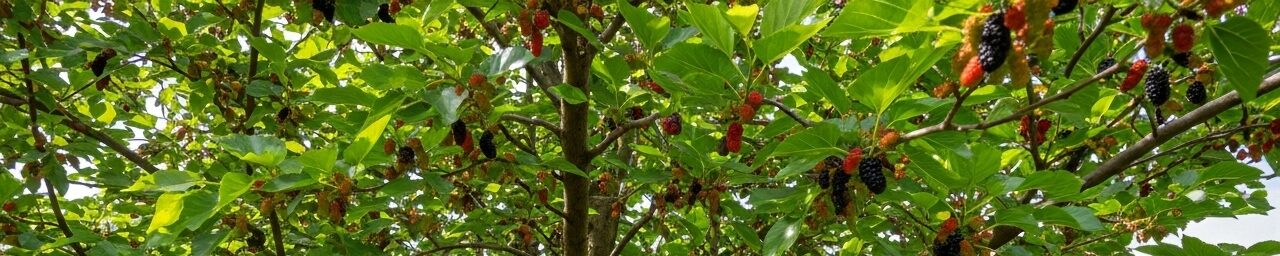
Modern gardening often faces strict spatial limits. Dwarf mulberry trees provide an elegant solution to this common problem. Consequently, you do not need a sprawling orchard to enjoy fresh fruit. These compact varieties fit perfectly on balconies, small patios, or even sunny windowsills. Furthermore, they allow urban dwellers to grow their own superfoods without owning land.
What I Recommend
When you’re working with limited space, sharp pruning tools are non-negotiable. I reach for my Fiskars Bypass Pruning Shears constantly—they make those precise cuts that keep compact mulberries shaped beautifully and producing heavily. After years of fighting with dull blades, these have genuinely changed my pruning game.
The right soil mix matters tremendously for container-grown or space-constrained mulberries. I’ve had excellent results using quality perlite to amend my planting beds—it improves drainage without stealing nutrients, which keeps my dwarf varieties thriving even in tight quarters where water management is tricky.
For container mulberries especially, I feed regularly with a balanced fruit fertilizer to maximize yields in a limited root space. Miracle-Gro Fruit & Citrus works well and is easy to apply—just follow the label, and you’ll see stronger growth and more fruit than you’d expect from such a small tree.
If you’re planting your compact mulberry where deer or rabbits roam, don’t skip the fencing. A sturdy deer fence has saved me countless seasons of heartbreak—nothing’s worse than watching a well-pruned dwarf tree get browsed down just when it’s hitting peak production.
Despite their diminutive stature, these trees are surprisingly productive. In fact, a healthy high yield dwarf mulberry tree can produce buckets of fruit. Specific varieties, such as the Dwarf Everbearing, are famous for their continuous production. Therefore, you can often enjoy fresh berries throughout the growing season. This makes them highly efficient for their size.
Unlike standard trees, these plants focus energy on fruit production rather than wood. As a result, gardeners often see berries in the very first year. This rapid return on investment is rare in fruit gardening. Additionally, the fruit is accessible without ladders, making harvest easy for everyone.
Cultivation and Benefits
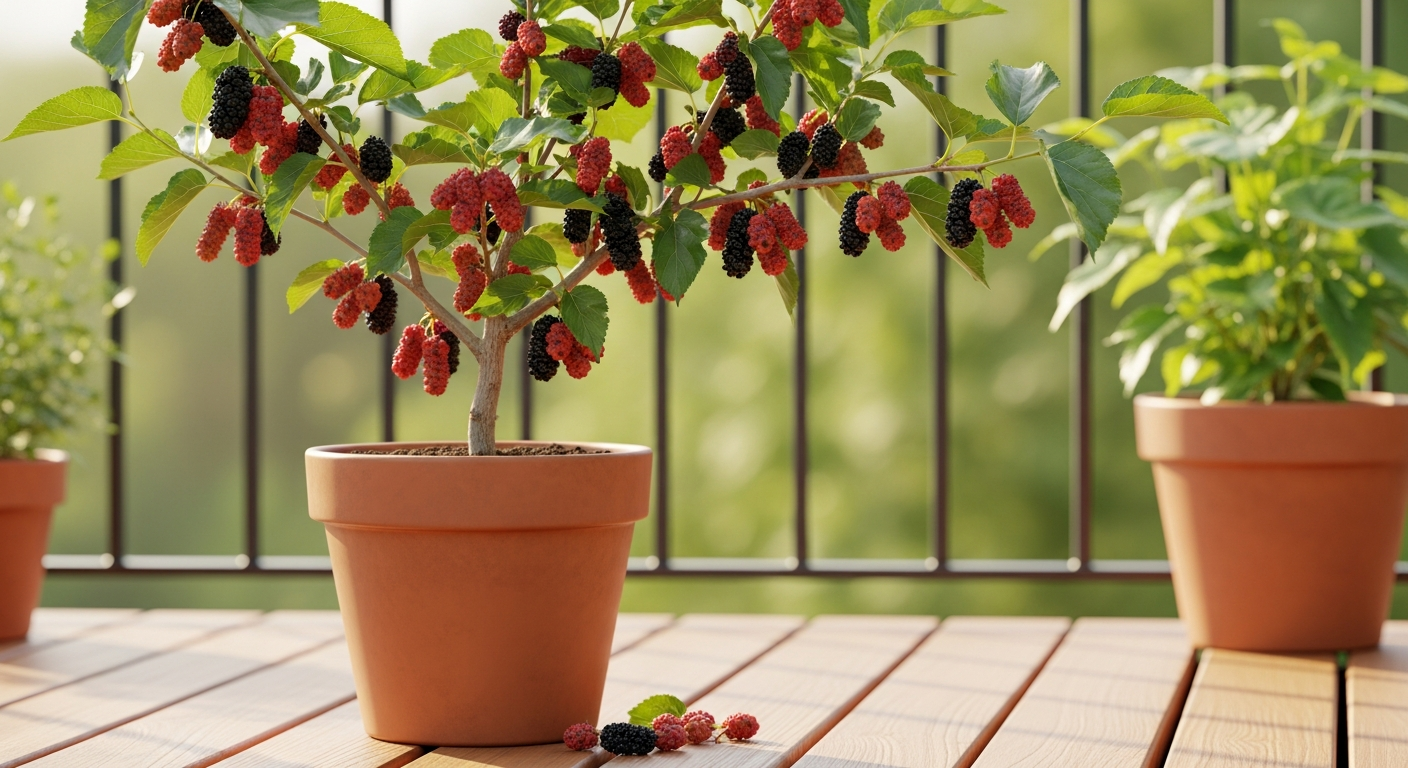
Growing these trees in containers offers distinct advantages. For example, it provides total control over soil quality and moisture levels. To succeed, simply choose a pot that is at least 15 to 20 gallons. Moreover, ensure the container has adequate drainage holes to prevent root rot.
Here are the key benefits of choosing a dwarf variety:
- Portability: You can move pots to follow the sun or avoid frost.
- Manageability: Pruning is simple and requires no heavy equipment.
- Pest Control: Smaller trees are easier to net against birds.
- Aesthetics: They serve as beautiful ornamental plants with lush foliage.
Regular maintenance ensures the best results. You should prune the tree annually to maintain its shape. Furthermore, adding a slow-release fertilizer in the spring boosts growth. With minimal effort, these trees provide a reliable, sweet harvest year after year. Thus, they are a top choice for edible landscaping.
Choosing the Right Variety
When selecting a compact mulberry tree, consider the variety that best suits your climate and space. Varieties like ‘Dwarf Everbearing’ are popular for their manageable size and abundant fruit production. Additionally, these trees adapt well to container gardening, making them versatile for patios or balconies.
Planting and Initial Care
Optimizing Sunlight and Placement
High-yield dwarf mulberry trees thrive in full sun environments. Specifically, they require at least six to eight hours of direct sunlight daily to produce maximum fruit. Sunlight exposure directly correlates to the sweetness and abundance of the berries. Consequently, planting in shady spots will result in sparse foliage and disappointing harvests.
If you live in a very hot climate, however, some afternoon shade is acceptable. This protects the leaves from scorching during peak summer heat. Ideally, choose a south-facing location for the best light exposure. Furthermore, ensure the tree has good air circulation. Proper airflow reduces fungal diseases that can plague dense fruit trees.
Creating the Perfect Soil Composition
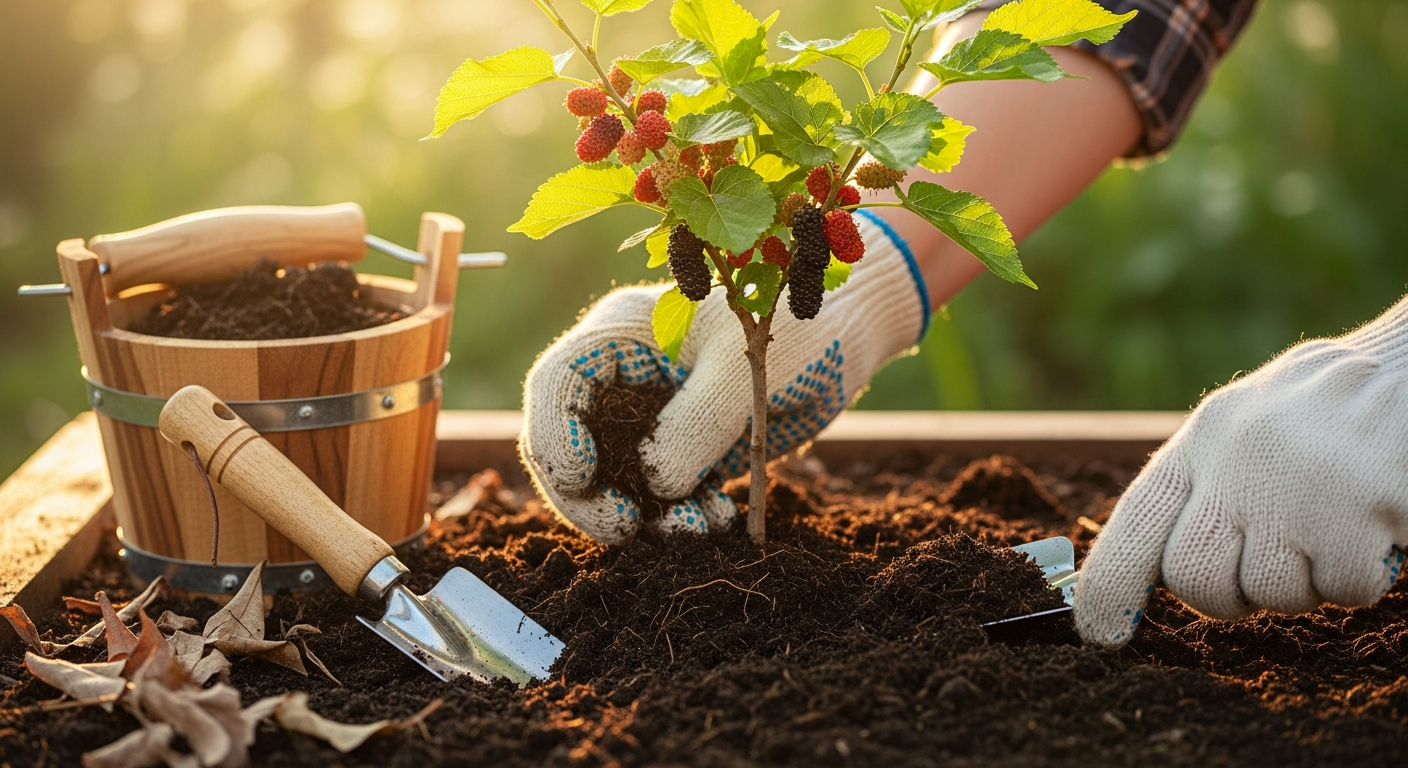
Proper soil preparation is crucial for a healthy root system. These trees perform best in loamy, well-draining soil rich in organic matter. Heavy clay soils often trap water, which suffocates roots and stunts growth. To improve drainage, you can amend native soil with organic compost, sand, or perlite.
Additionally, consider planting your dwarf mulberry on a slight mound. This elevation naturally encourages excess water to flow away from the trunk. Raised beds are also an excellent option for controlling soil quality completely. Maintaining the correct soil pH is equally important for nutrient absorption.
Target a pH range between 5.5 and 7.0 for optimal health. This slightly acidic to neutral environment allows the tree to uptake iron and nitrogen efficiently. Therefore, testing your soil before planting is a wise investment. If your soil is too alkaline, adding elemental sulfur can help lower the pH. Conversely, garden lime raises pH levels in overly acidic ground.
Mastering Water Management
Consistent moisture is vital for young trees establishing their root systems. During the first year, water deeply once or twice a week depending on rainfall. Deep watering encourages roots to grow downward rather than staying near the surface. This creates a more drought-tolerant tree in the long run.
However, you must let the soil dry slightly between watering sessions. Constantly soggy soil is the primary cause of fatal root rot. Thus, always check soil moisture manually before turning on the hose.
Follow these steps for proper hydration:
- Check the soil: Insert your finger about two inches into the ground.
- Assess moisture: If it feels dry, it is time to water.
- Water slowly: Allow water to soak in gradually to prevent runoff.
- Monitor drainage: Ensure water does not pool around the base for long periods.
Applying a layer of organic mulch offers further protection. Spread wood chips or straw around the base of the tree. This barrier retains soil moisture and keeps the roots cool. Furthermore, it suppresses weeds that compete for nutrients. Just ensure the mulch does not touch the tree trunk directly to prevent rot.
Common Challenges and Solutions
Common Pests and Wildlife
Even hardy high yield dwarf mulberry trees attract unwanted visitors. Birds are typically the primary competitors for your sweet fruit. Consequently, they can strip a small tree bare in mere hours. To prevent this loss, you should install bird netting early.
Additionally, insect pests pose a significant threat to foliage. Spider mites often attack during hot, dry spells. As a result, leaves may turn yellow and drop prematurely. Therefore, regularly inspect the undersides of leaves for webbing. If you spot an infestation, treat it immediately with organic insecticidal soap.
Disease Prevention Strategies
Fungal issues can compromise your harvest if left unchecked. For example, popcorn disease is a specific ailment that deforms the berries. This fungus causes individual fruit segments to swell significantly. Unfortunately, these infected berries become inedible and spread spores.
To combat this, you must maintain excellent air circulation. Prune the center of the tree to open the canopy. Furthermore, remove any fallen debris from the base of the plant. This simple step reduces the likelihood of fungal reinfection next season.
Environmental Stress Factors
Dwarf mulberries require consistent care to maintain high yields. Because they often grow in pots, their roots are sensitive. Inconsistent watering frequently leads to sudden fruit drop. Thus, maintaining soil moisture is critical during fruit set.
Follow these tips for optimal health:
- Monitor Soil: Check the top inch of soil daily.
- Mulch Heavily: Apply organic mulch to retain necessary moisture.
- Fertilize Wisely: Excess nitrogen promotes leaves over fruit.
Finally, ensure your tree receives adequate sunlight. Generally, at least six hours of direct sun is mandatory. Without it, fruit production will likely suffer.
Managing Fungal Issues
Identifying Popcorn Disease Symptoms
Popcorn disease is a distinct and frustrating ailment for mulberry growers. Specifically, this fungal infection transforms developing berries into enlarged, pale masses. Consequently, these deformed fruits closely resemble popped corn kernels, giving the disease its name. Unfortunately, infected berries become inedible and usually drop prematurely from the branches. Therefore, early identification is crucial for saving your harvest.
The fungus responsible, Ciboria carunculoides, thrives in specific environmental conditions. It prefers stagnant, humid environments often found in dense gardens. Fungal spores typically overwinter in old berries left on the ground. Then, wind or rain splashes these spores onto new growth during spring. As a result, wet seasons often lead to significantly higher infection rates.
Improving Airflow Through Pruning
Proper canopy management is your primary defense against fungal outbreaks. Because dwarf mulberries grow dense foliage, humidity gets trapped easily inside the branches. Thus, you must prune systematically to open the tree’s center. This “vase shape” technique allows sunlight to penetrate deep into the canopy. Additionally, wind can move freely through the leaves, drying them quickly after rain.
Key Pruning Tips for Disease Prevention:
- Remove Crossing Branches: Cut stems that rub against each other to prevent bark wounds.
- Thin the Interior: Clear out crowded growth in the middle of the tree.
- Lower the Height: Keep the tree short to make inspection easier.
Garden sanitation also plays a massive role in disease prevention. Always remove fallen leaves and mummified fruit from the tree’s base. Otherwise, these debris piles become breeding grounds for future spores. Furthermore, sanitize your pruning shears with alcohol between cuts. This simple step prevents spreading infection from branch to branch.
Organic Treatments and Fungicides
Sometimes, cultural practices are not enough to stop severe infections. In these cases, organic fungicides offer a safe and effective solution. Copper-based sprays, such as Bordeaux mixture, are highly recommended for popcorn disease. However, timing is everything when applying these chemical treatments. You should generally spray the tree while it is dormant in late winter.
Alternatively, Neem oil can help manage minor fungal issues like powdery mildew or leaf spot. It acts as a broad-spectrum control for various pests and diseases. Nevertheless, always follow the label instructions carefully to avoid burning the leaves. Finally, monitor your dwarf mulberry tree weekly for early signs of trouble. Consistent observation allows you to react before the fungus spreads. Source
Pest Control
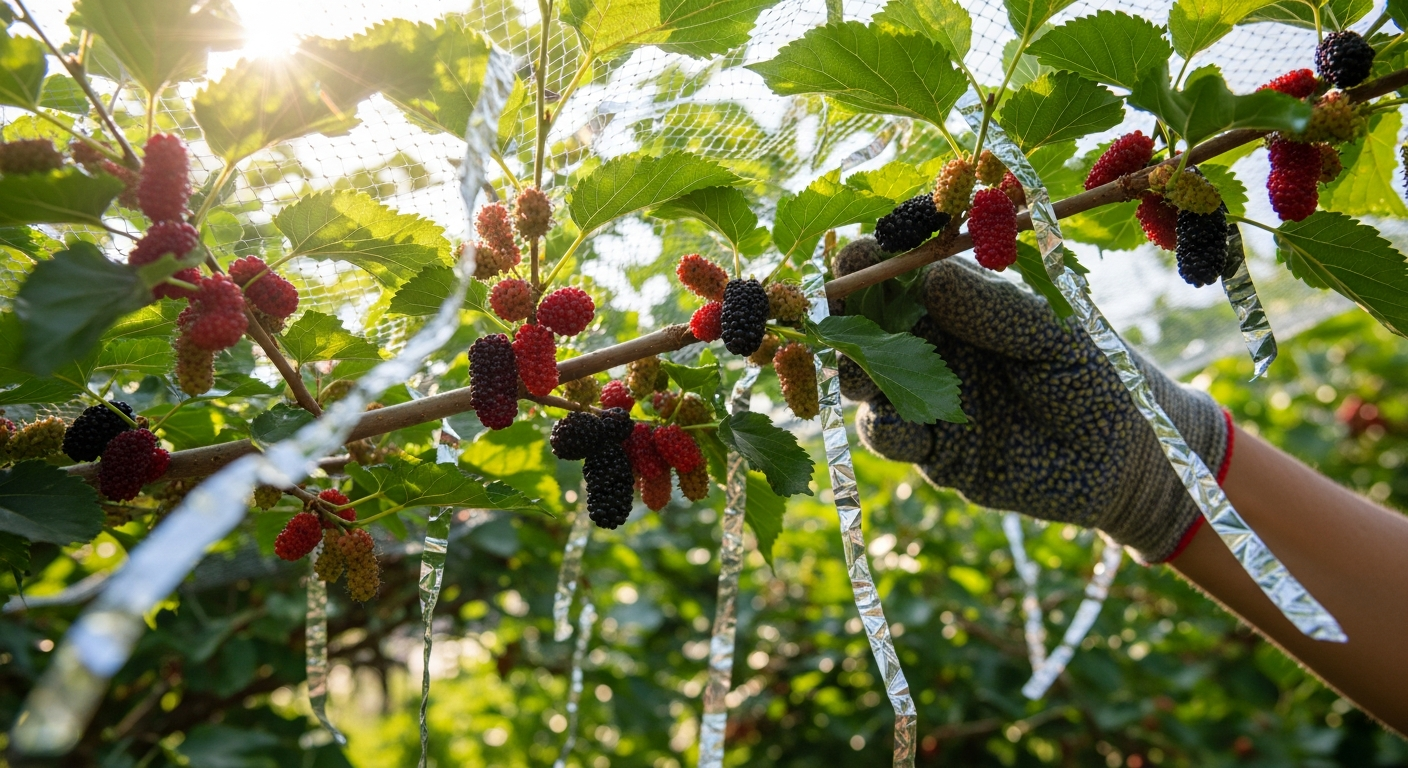
Birds and spider mites are common pests that target mulberry trees. Birds often eat the ripe berries, reducing your harvest. To deter them, use netting or reflective objects like aluminum foil strips. Spider mites can be controlled using insecticidal soap or neem oil. Regularly inspect your tree for signs of infestation and act swiftly.
Optimizing Growth Conditions
Sunlight and Location Requirements
Sunlight serves as the primary fuel source for your high yield dwarf mulberry tree. Ideally, you should select a planting site that receives full sun exposure. Specifically, aim for a minimum of six to eight hours of direct light daily. Without adequate light, fruit production often drops significantly. Furthermore, shade can lead to leggy growth and weak branches that break easily. Therefore, avoid planting near tall buildings or dense tree canopies that block the sun.
Soil Preparation and Quality
Soil composition directly impacts root health and nutrient absorption. These trees prefer well-draining soil that is slightly acidic to neutral. However, dense clay can suffocate roots and cause fatal rot. To prevent this, mix organic matter like compost into the planting hole. Consequently, the soil structure improves, allowing roots to breathe easily. If your native soil is poor, consider building a raised bed. This ensures the tree sits in a nutrient-rich environment from the start.
Watering and Feeding for Success
Consistent care is vital for establishing a productive tree. You must balance moisture levels carefully to avoid stress.
- Watering: Keep the soil consistently moist but never soggy. For example, check the top inch of soil before watering again. During hot summers, you may need to water more frequently.
- Fertilizing: Apply a balanced, slow-release fertilizer in late winter. Additionally, avoid high-nitrogen feeds that promote leaves over fruit.
- Mulching: Spread a layer of organic mulch around the base. As a result, the soil retains moisture longer and suppresses weeds.
Container Growing Considerations
Since these are dwarf varieties, they perform exceptionally well in containers. Ensure your pot is large enough to accommodate root expansion. Typically, a 10 to 15-gallon pot provides sufficient space for maturity. Moreover, use a high-quality potting mix rather than heavy garden soil. Garden soil compacts too easily in pots, hampering drainage. Finally, ensure the container has adequate drainage holes to prevent waterlogging. By following these steps, you create the perfect home for a thriving tree.
Importance of Air Circulation and Sanitation
Creating Optimal Air Flow Around Your Mulberry
Proper air circulation serves as your tree’s first line of defense against fungal infections. Powdery mildew and leaf spot diseases thrive in stagnant, humid conditions. Therefore, strategic pruning becomes essential for disease prevention. Remove crossing branches that create dense pockets of foliage. Furthermore, eliminate any branches growing toward the tree’s center. This opens up the canopy structure significantly.
Space your dwarf mulberry at least 6-8 feet from other plants or structures. This distance allows wind to move freely through all sides. Moreover, it prevents moisture from becoming trapped in the foliage. As a result, leaves dry quickly after rain or morning dew. Quick drying dramatically reduces fungal spore germination.
Pruning Techniques for Maximum Airflow
Start by identifying branches that grow vertically or rub against each other. These create friction wounds that invite disease. Additionally, they block crucial air movement through the canopy. Remove them during the dormant season for best results. Make clean cuts at a 45-degree angle just above an outward-facing bud.
Thin out approximately 20-30% of interior growth annually. However, avoid removing more than one-third of total growth in a single season. This maintains the tree’s vigor while improving structure. Focus on removing the smallest, weakest branches first. Consequently, the remaining branches receive more nutrients and sunlight.
Maintaining a Clean Growing Environment
Garden sanitation plays a crucial role in pest and disease management. Fallen mulberry leaves decompose quickly and create ideal breeding grounds for problems. For example, fungal spores overwinter in leaf litter beneath trees. Therefore, rake and remove dropped leaves weekly during the growing season.
Inspect the soil surface regularly for signs of trouble. Look for:
- Moldy or discolored leaf debris
- Insect larvae or egg clusters
- Fungal growth on organic matter
- Accumulated fruit that attracts pests
Clear away any fallen berries within 24-48 hours. Overripe fruit ferments rapidly and attracts fruit flies and wasps. Additionally, rotting berries spread fungal spores to healthy branches above. Dispose of all debris in sealed bags rather than composting. This prevents disease organisms from cycling back into your garden.
Apply a 2-3 inch layer of fresh mulch after cleaning. Keep mulch 4-6 inches away from the trunk base. This practice prevents moisture accumulation against the bark while maintaining soil health.
Fertilization and Nutrition
Fertilize your mulberry tree in early spring with a balanced fertilizer. This provides the necessary nutrients for growth and fruit production. Organic options, such as compost or well-rotted manure, are excellent choices for maintaining soil fertility without chemical additives.
Conclusion
Selecting the Best Varieties
Urban gardeners often struggle with limited planting areas. Fortunately, dwarf mulberry trees provide an excellent solution for small footprints. These compact plants thrive in containers, patios, and small backyards. Specifically, the Dwarf Everbearing variety is a top choice for home growers. It produces fruit continuously throughout the growing season rather than all at once. Consequently, you do not need a sprawling orchard to enjoy fresh berries.
Furthermore, these trees are incredibly resilient. They adapt well to various climates and soil types. Because they grow quickly, you will see results fast. In fact, many dwarf mulberries produce fruit within their first year. Therefore, they offer instant gratification for impatient gardeners.
Essential Care for Maximum Yield
To ensure a high yield, you must prioritize the tree’s location. First, place your mulberry in an area receiving full sun. Ideally, it needs at least six to eight hours of direct light daily. Without adequate sunlight, fruit production will drop significantly.
Additionally, soil quality matters for container gardening. Use a high-quality potting mix that drains well. If the roots sit in water, the tree will suffer from rot. Therefore, consistent but moderate watering is key.
Follow these tips for a healthy root system:
- Check moisture: Insert your finger into the soil before watering.
- Drainage: Ensure your pot has large drainage holes.
- Mulch: Add a layer of mulch to retain moisture.
Pruning and Maintenance
Regular pruning is vital for these vigorous growers. You can easily keep a high yield dwarf mulberry tree under six feet tall. Additionally, pruning improves air circulation through the canopy. This airflow reduces the risk of fungal issues later.
Simply trim back leggy growth after each fruiting cycle. As a result, the tree focuses energy on producing more buds. Moreover, this keeps the berries within easy reach. You should also remove any dead or crossing branches in late winter. This encourages strong new growth in the spring.
Managing Pests and Diseases
Even hardy trees face challenges in the garden. For instance, birds love ripe mulberries as much as you do. To protect your harvest, drape bird netting over the tree. Meanwhile, keep an eye out for smaller pests. Aphids and spider mites may occasionally attack the leaves. Usually, a strong blast of water removes them effectively.
Fungal diseases can also occur in humid climates. Popcorn disease is a common issue that affects the fruit. However, you can prevent this with strict sanitation. Always remove fallen fruit and leaves immediately. Consequently, spores cannot overwinter near your plant.
Nutrition for Bountiful Harvests
Finally, proper nutrition drives heavy production. Feed your dwarf mulberry with a balanced, organic fertilizer. Apply this in early spring when growth begins. Furthermore, a second application in mid-summer supports continued fruiting.
Avoid fertilizers that are too high in nitrogen. Excess nitrogen promotes leaf growth but reduces fruit yield. Instead, look for a mix rich in potassium and phosphorus. Ultimately, consistent feeding leads to sweeter, larger berries. With these simple steps, your compact tree will remain productive for years.
*As an Amazon Associate, I earn from qualifying purchases.