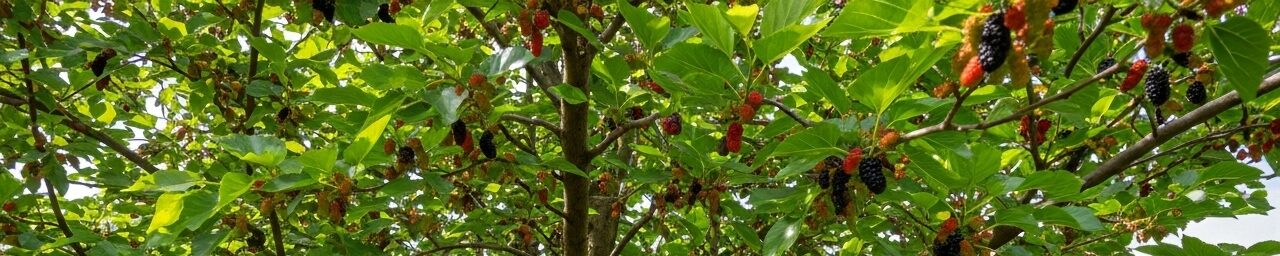
Everything in my kitchen starts with the question: what’s the most shelf-stable, most nutritious form I can preserve this in? With mulberries, that question led me deep into fermentation — wines, vinegars, and lacto-fermented preserves that outlast any jam by months and develop flavor profiles I never expected from backyard fruit. But here’s what I didn’t anticipate when I planted my two mulberry trees for harvest purposes: the trees had their own plans for the fruit, and those plans involved what I can only describe as a rotating cast of wildlife that treats my backyard like an all-inclusive resort from late spring straight through summer. Understanding who’s competing with you for your mulberry harvest — the cedar waxwings that can strip a branch in twenty minutes, the opossums working the night shift, the fox squirrels who somehow find every cluster before I do — isn’t just interesting backyard naturalism, it’s essential intelligence for anyone serious about actually getting fruit to the fermentation crock. In this guide, I’ll walk you through what you can realistically expect from a mature mulberry tree as a wildlife magnet, which visitors are tolerable and which ones require intervention, and how I’ve restructured my entire harvest timing around the ecosystem that showed up uninvited — and honestly, mostly improved my garden in the process.
The truth is, I planted my mulberry tree because I wanted fresh fruit and a bit of shade for my reading corner. What I accidentally did was open a five-star bed and breakfast for every creature within a half-mile radius. And honestly? After a rocky start involving one very bold raccoon, a territorial mockingbird, and a squirrel I can only describe as entrepreneurial, I wouldn’t trade it for anything.
How a Mulberry Tree Becomes a Wildlife Habitat (Whether You Plan It or Not)
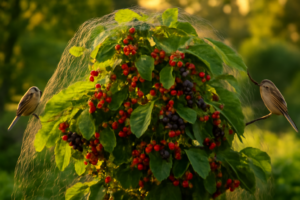
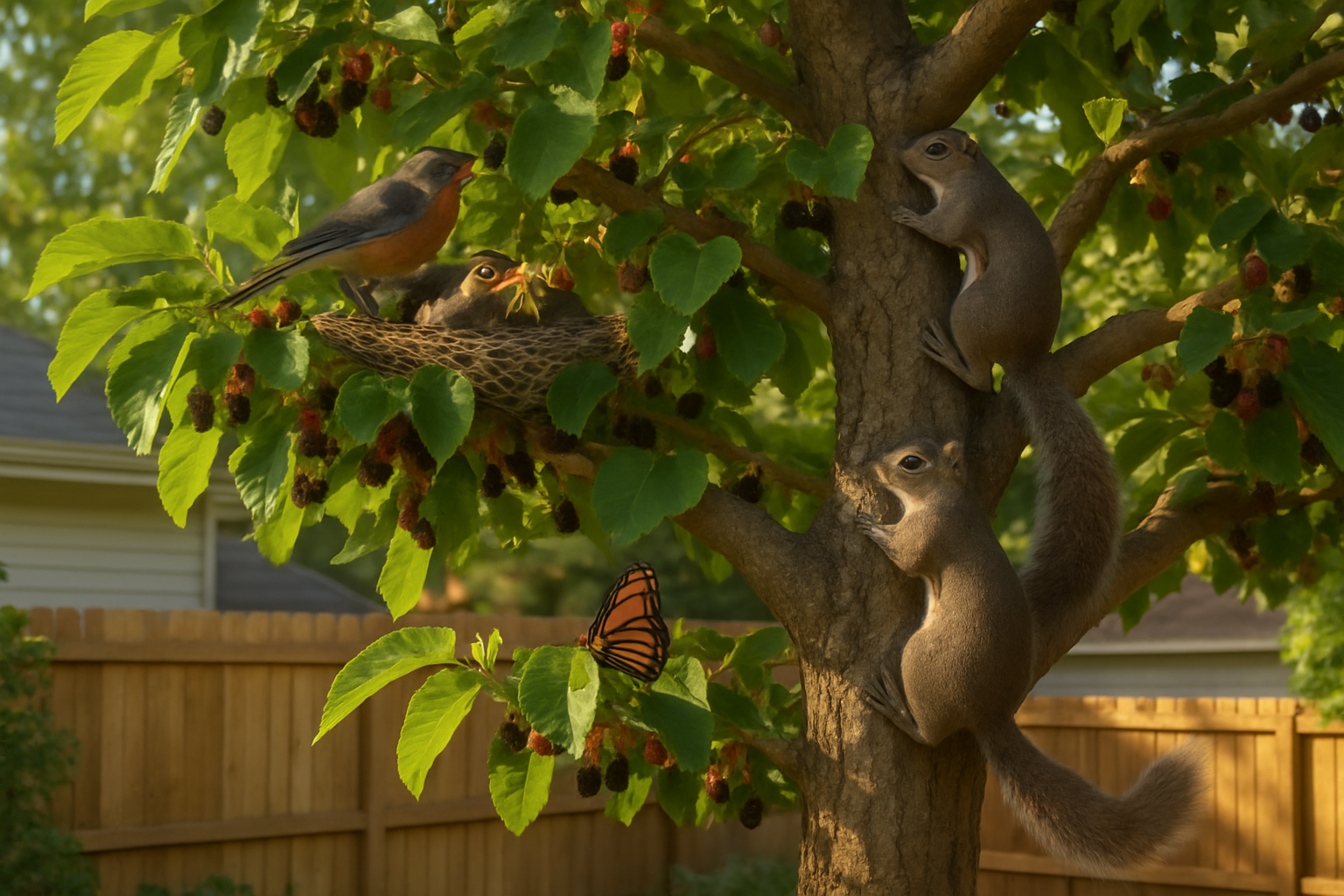
Here’s the thing nobody tells you when you plant a mulberry: you’re not just planting a tree. You’re erecting a welcome sign for the entire local animal kingdom. Mulberries are one of the most wildlife-attractive trees you can put in a home garden, and the reasons are beautifully simple. They produce an enormous quantity of fruit over a long ripening window — sometimes six to eight weeks — which means a sustained, reliable food source rather than one brief feast. Birds, mammals, and insects all key into this. Word travels fast in the animal world, apparently.
The dense branching structure of a mature mulberry also provides exceptional shelter. My tree, a red mulberry (Morus rubra) I planted eight years ago, now has a canopy spread of nearly twenty feet. That’s a lot of real estate for nesting, roosting, and — as I discovered — raccoon napping. The thick summer foliage offers cover from predators, the rougher bark supports insects and lichen, and even the fallen fruit feeds ground-level visitors like robins, towhees, and the occasional very smug opossum.
So when people ask me how to attract wildlife to their garden, my first answer is always: plant a mulberry tree. Then stand back and try not to spill your coffee in shock.
The Great Raccoon Incident and What I Learned From It
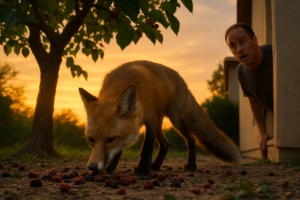
Back to Gerald. I named him Gerald. He had been living in my mulberry for approximately four days before I noticed him, which says something unflattering about my powers of observation. My neighbor Karen had spotted him first and assumed he was mine. “Your raccoon is back,” she said over the fence one afternoon, casually, the way you might mention a garden ornament. My raccoon. Right.
Gerald was not dangerous, as it turned out. He was just an opportunist who had discovered that my mulberry produced extraordinary quantities of ripe fruit, that the branch fork was a perfect hammock shape, and that I was clearly not going to do anything about it. He was correct on all three counts.
The complication came when Gerald’s presence began agitating the mockingbird who had claimed the top of the tree as his personal broadcasting tower. Every morning became a nature documentary I hadn’t asked to be in, complete with dive-bombing, alarm calls, and what I can only describe as a raccoon performing an extremely slow, dignified retreat while being screamed at from above. My reading corner was not relaxing.
I started doing actual research. I learned that the solution wasn’t to discourage wildlife — that felt wrong — but to give each species what it actually needed so they weren’t all competing for the same cramped space. A few simple additions to the garden changed everything.
Practical Tips for Supporting Your Mulberry Tree Wildlife Habitat Intentionally
Once I stopped being a passive participant and started being a thoughtful one, the chaos settled into something genuinely wonderful. Here’s what made the biggest difference:
Give Birds Their Own Dedicated Space
The mockingbird drama subsided considerably when I added a couple of hanging birdhouses to nearby fence posts and a garden arch — away from the mulberry, giving smaller birds alternative nesting territory that wasn’t contested. Birds are territorial, and spreading the resources around reduces conflict. Songbirds, in particular, prefer nest boxes positioned five to ten feet high with a clear flight path to the entrance.
Add a Water Source Nearby
A shallow birdbath placed within about fifteen feet of the mulberry increased bird activity dramatically — and kept birds longer, since they could eat and drink in the same general area. Change the water every two to three days to prevent mosquito breeding and keep it fresh.
Let Some Fallen Fruit Stay
I used to frantically rake up fallen mulberries because of the staining. I’ve made peace with leaving a portion of the drop zone natural for a few days. Ground-feeding birds like robins, thrushes, and mourning doves depend on this. Just keep a path clear and accept that your shoes might occasionally pay the price.
Plant Understory Support
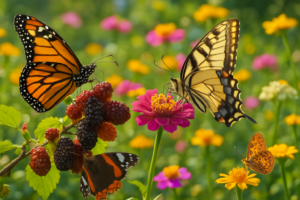
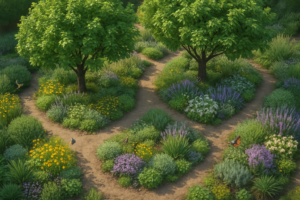
Native flowering plants and shrubs beneath and around the mulberry create layered habitat — insects are attracted, which in turn draws insect-eating birds. I added a patch of native coneflower and some wild bergamot near the base of the tree and the diversity of visitors roughly doubled within one season.
Skip the Pesticides Entirely
This one is non-negotiable. The insects on and around your mulberry are part of the food web. Spray them away and you lose the birds and bats who eat them. A healthy mulberry tree wildlife habitat is a chemical-free zone.
Tools and Books That Actually Helped Me
Once I caught the wildlife gardening bug (Gerald really did change me as a person), I went deep on research and a few resources genuinely shaped how I think about the garden now. Here are the ones I’d recommend without hesitation:
- National Wildlife Federation: Attracting Birds, Butterflies, and Other Backyard Wildlife (Expanded Second Edition) — This is the book I wish I’d had before Gerald moved in. Seventeen practical projects, step-by-step instructions, and a genuinely accessible tone. It completely reframed how I think about my whole garden as a system.
- The New Gardening for Wildlife: A Guide for Nature Lovers — More comprehensive and plant-focused, this one helped me understand the layered habitat concept and how to choose companion plants that support the wildlife my mulberry was already attracting.
- The Research That Turned Gerald From a Problem Into a System
When you suddenly have a raccoon napping in your mulberry and birds screaming territorial disputes at dawn, you realize you need to understand how wildlife actually coexist — not just hope they’ll figure it out on their own. This book became my manual for thinking about the whole garden as interconnected habitat instead of isolated problems.
What works
- The layering concept — canopy, understory, ground level — finally made sense of why Gerald, the mockingbirds, and the robins were all fighting for the same mulberry space instead of dividing it naturally.
- The seventeen projects are genuinely implementable at home-garden scale, not estate-garden fantasies; I actually built the birdhouse suggestions and they worked.
- It reframes “pest” animals like raccoons and opossums as functional parts of the ecosystem rather than problems to eliminate, which changed how I approached sharing my mulberry instead of defending it.
What doesn’t
- Some of the plant recommendations are region-specific without enough clarity upfront about zones, so I had to cross-reference three chapters to figure out what would actually grow in my climate.
- It doesn’t address the messiness factor — fallen fruit, bird droppings, insect populations — so you still have to make peace with those trade-offs yourself.
I almost returned it after the first two weeks because the information felt overwhelming and scattered across too many chapters, but then I realized I was supposed to build a whole season around implementing one project at a time, not absorb everything at once. National Wildlife Federation: Attracting Birds, Butterflies, and Other Backyard Wildlife (Expanded Second Edition) is the book that made my garden feel less like chaos and more like home — for humans and Gerald alike.
This post contains affiliate links. As an Amazon Associate, I earn from qualifying purchases at no extra cost to you.