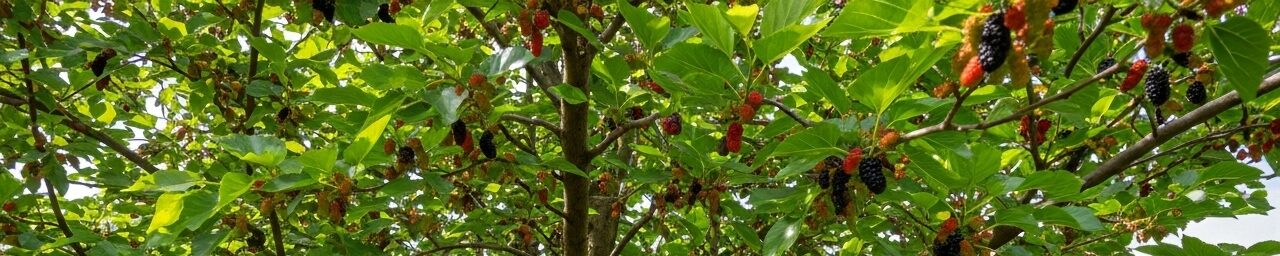
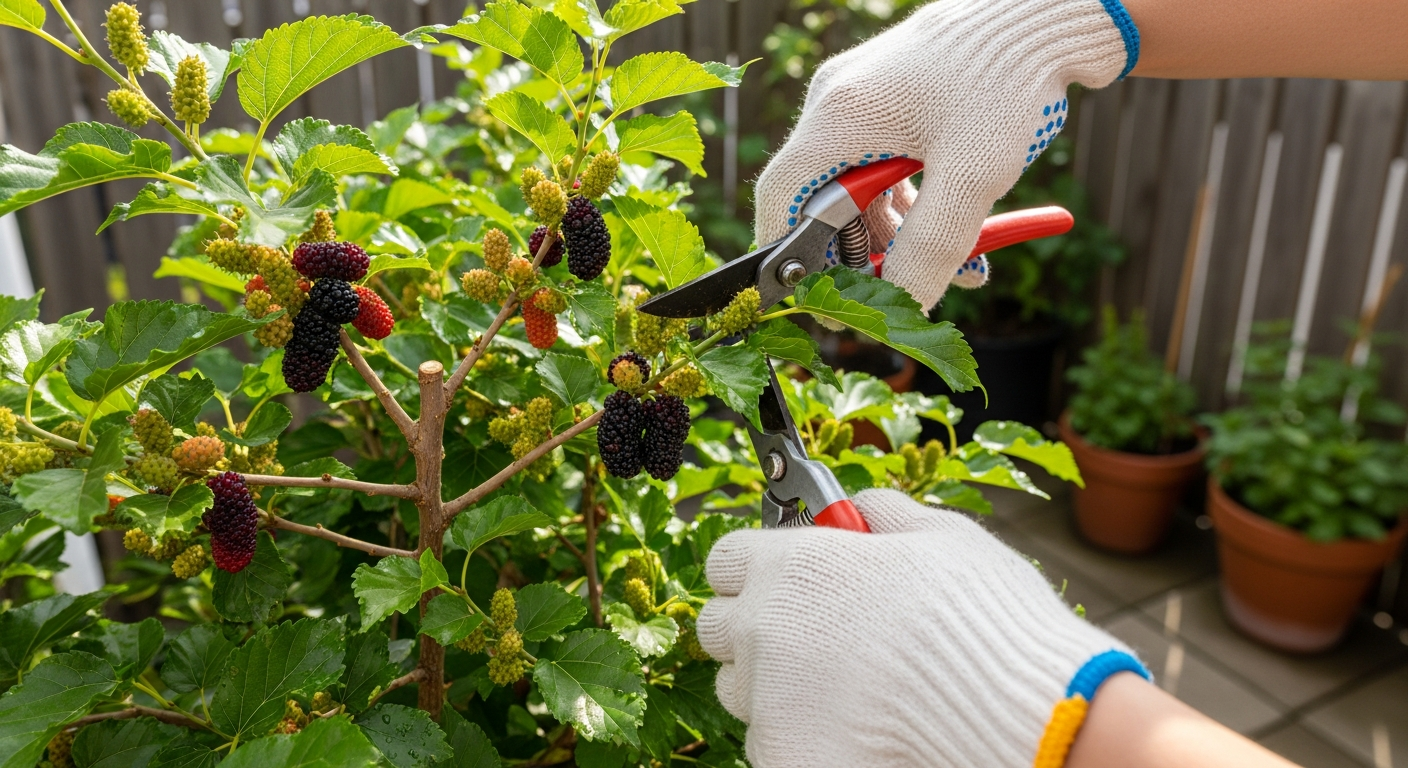
The dream of an accessible, personal orchard is now a reality for city dwellers. Urban gardening has revolutionized how we view fruit production. Consequently, you no longer need a sprawling farm to enjoy fresh harvests. The high yield dwarf mulberry tree fits perfectly into this modern lifestyle. It brings the full orchard experience directly to your doorstep. Furthermore, these trees are surprisingly adaptable to various environments. They thrive where other fruit trees might struggle to survive.
The Power of the ‘Dwarf Everbearing‘
This specific cultivar is a powerhouse for small spaces. Unlike traditional mulberry trees that reach thirty feet, this variety stays manageable. It naturally grows as a dense bush. However, you can easily train it into a tree form with pruning. Additionally, it is known for its rapid growth rate. You might even see fruit during the very first year.
If you’re ready to start growing your own compact mulberry trees or enhance your small fruit garden, there are several essential products that can help you succeed in cultivating these productive plants. Starting with live plants is often easier than growing from seed, which is why the pack of Mulberry Dwarf Everbearing plants gives you four ready-to-grow trees that are perfect for small spaces and can begin producing fruit much sooner than seedlings. For gardeners who enjoy the challenge of growing from scratch and want variety in their compact fruit garden, this pack of dwarf bonsai fruit tree seeds includes over 200 seeds from four different fruit varieties including lemon, cherry, orange, and apple trees. Once your mulberry trees start producing their delicious fruit, you’ll want to protect your harvest from birds and insects with this bag set of fifty mesh fruit protection covers that slip over individual branches to keep pests away from ripening berries. Maintaining the compact shape and health of your mulberry trees requires regular pruning, which is made easy with these Fiskars Bypass Pruning shears that feature sharp, rust-resistant blades capable of making clean cuts on branches up to five-eighths of an inch thick. Proper nutrition is essential for heavy fruit production in compact spaces, so this Lemon Tree Fertilizer, which works wonderfully for all citrus and fruit trees including mulberries, provides complete plant food to maximize your harvest. Knowing when to water your container-grown or in-ground mulberry trees is critical for fruit development, and this XLUX Soil Moisture meter takes the guesswork out of watering by showing you exactly when your plants need moisture without requiring any batteries. For larger tree coverage or protecting multiple branches at once, this Alpurple Insect Bird barrier netting comes in two pieces measuring nearly five feet by three feet each with convenient drawstrings to secure around your fruit-laden branches. When your mulberry trees reach peak production and you’re harvesting handfuls of berries daily, this pack of berry pickers with metallic combs and ergonomic handles makes collecting fruit faster and easier while protecting delicate berries from bruising. If you’re growing your compact mulberry trees in containers to maximize space on patios or balconies, this DUSPRO Recycle Citrus tree potting soil mix provides the perfect pre-mixed growing medium that’s specifically formulated for fruit trees and ensures proper drainage and nutrition in confined root spaces. With these carefully selected tools and supplies, you’ll be well-equipped to grow thriving compact mulberry trees that produce abundant, delicious fruit even in the smallest urban garden settings.
*As an Amazon Associate, I earn from qualifying purchases.
Moreover, the harvest window is exceptionally long. Most fruit trees bear a crop only once a year. In contrast, the ‘Dwarf Everbearing’ produces continuously throughout the warm season. In mild climates, this can mean multiple harvest cycles. Therefore, you enjoy a steady supply of sweet berries for months.
Thriving in Containers
Growing these trees in pots is incredibly straightforward. You simply need to follow a few basic guidelines for success.
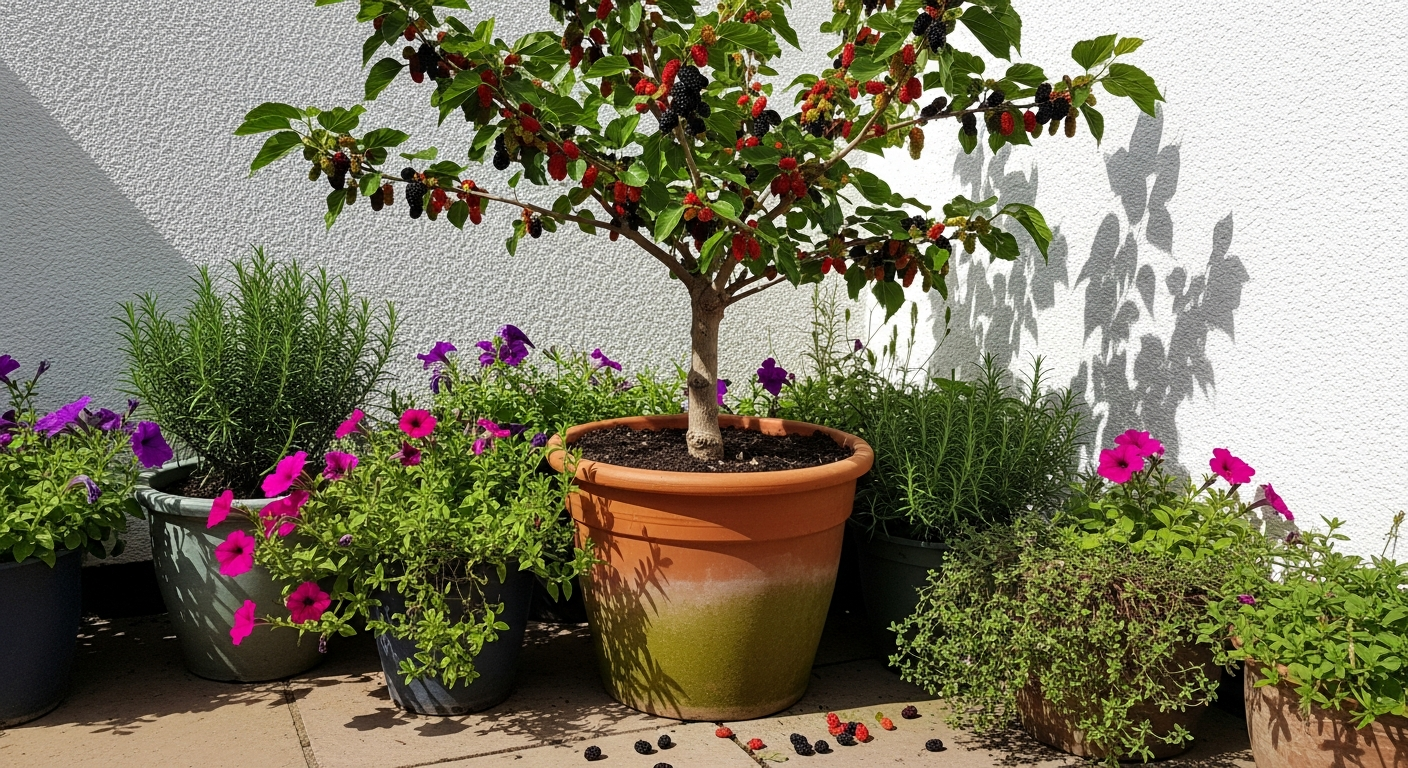
- Select the right pot: Choose a container that holds at least 15 to 20 gallons.
- Ensure drainage: First, verify the pot has adequate holes at the bottom.
- Soil quality: Use high-quality potting mix enriched with organic compost.
- Sun exposure: Finally, place your tree where it receives at least six hours of sunlight.
As a result, your tree will have the resources it needs to produce heavy yields. Meanwhile, the container restricts root growth, which helps keep the tree compact.
Flavor and Culinary Uses
The flavor profile of these berries is truly distinct and delightful. Specifically, they resemble blackberries but offer a milder, sweeter taste. They lack the sharp tartness often found in other dark berries. Consequently, they are perfect for eating straight off the branch. They are also incredibly versatile in the kitchen.
For example, you can use them in the following ways:
- Simmer them into rich, dark jams.
- Bake them into pies or cobblers.
- Freeze them for morning smoothies.
- Dry them for a sweet, raisin-like snack.
Ultimately, growing a dwarf mulberry tree offers high rewards with minimal effort. It is the perfect entry point for aspiring fruit gardeners.
Growing fruit in pots requires specific knowledge. You cannot simply plant the tree and walk away. Instead, you must actively manage the environment. With the right care, these trees produce abundant harvests. In fact, they often outperform their ground-planted cousins in yield density. This guide explores the essential steps to maximize fruit production in minimal space.

Choosing the Right Container
Your journey begins with pot selection. Many beginners make the mistake of choosing a container that is too small. While the tree is “dwarf” by nature, its root system requires significant room. A restricted root zone leads to stress and poor fruiting. Therefore, you should select a pot with a volume of at least 15 gallons.
Source .
Size is not the only factor. Material matters as well. For instance, unglazed terracotta breathes well but dries out quickly. Conversely, plastic retains moisture effectively but can overheat in direct sun. You must weigh these factors based on your local climate. Regardless of the material, drainage is non-negotiable. Ensure the pot has multiple drainage holes. Stagnant water kills mulberry roots rapidly. Consequently, you should elevate the pot slightly off the ground to facilitate flow.
Soil Composition and Drainage
Why Garden Soil Fails in Containers
Digging up dirt from your backyard is a major mistake for container gardening. In a confined pot, native soil hardens rapidly like concrete. Consequently, water cannot drain away from the roots. This leads to stagnant conditions that cause root rot. Furthermore, heavy garden soil prevents oxygen from reaching the root zone. Without oxygen, your dwarf mulberry tree cannot survive. Additionally, backyard dirt often introduces harmful pests, weed seeds, or diseases. Therefore, your tree requires a sterile, lightweight environment to thrive.
The Ideal Soil Recipe for Mulberries
To ensure a high yield of berries, you must control the soil texture. Ideally, you should aim for a balanced, soil-less mixture. Many successful gardeners rely on a simple “1-1-1” ratio. This blend provides the perfect structure for rapid growth.
Try this proven potting mix recipe:
- 1 Part Base: Use peat moss or coco coir to retain moisture.
- 1 Part Aeration: Add perlite or vermiculite to improve drainage.
- 1 Part Nutrition: Mix in high-quality compost or aged manure.
For example, coco coir is an excellent sustainable alternative to peat moss. It holds water well but resists compaction. Meanwhile, perlite ensures the mix remains light and airy. As a result, delicate feeder roots can spread easily throughout the pot.
Managing Moisture and Nutrients
The right soil mix does more than just hold the tree up. It acts as a life-support system for fruit production. Dwarf mulberry trees are thirsty plants, but they hate “wet feet.” The perlite creates essential voids that allow excess water to escape. Conversely, the organic matter acts as a sponge. It keeps the roots hydrated between waterings.
Moreover, the compost component is critical for feeding the tree. It delivers a slow, steady supply of nitrogen. This nutrient is vital for leafy growth and berry development. However, potting soil eventually loses its nutritional value. Therefore, you should top-dress the container with fresh compost every spring. This simple step revitalizes the growing medium immediately. Finally, ensure your soil pH remains between 5.5 and 6.5 for optimal nutrient absorption.

Mulberries prefer slightly acidic to neutral soil. You can test the pH level with a simple kit. If the soil is too alkaline, the tree may struggle to absorb iron. This leads to yellowing leaves. Therefore, monitor your soil quality annually. Adding a layer of mulch on top helps retain moisture. Furthermore, it keeps the root zone cool during scorching summer days.
Sunlight and Placement Strategy
Understanding Sunlight Requirements for Maximum Berry Production
Dwarf mulberry trees are sun-worshipping plants that demand abundant light for optimal fruiting. Therefore, selecting the perfect location for your container is crucial. Position your potted tree where it can bask in unfiltered sunshine throughout most of the day. Furthermore, the quality of light matters just as much as quantity.
Direct sunlight exposure should range between six to eight hours minimum. However, providing ten to twelve hours yields even better results. Morning sun proves particularly beneficial because it energizes the tree early. Additionally, afternoon rays help sustain photosynthesis during peak growing hours. In contrast, shaded locations produce disappointing outcomes with sparse fruit development.
The relationship between light and berry production is straightforward yet critical. When your mulberry receives insufficient sunlight, it redirects energy toward foliage growth instead. Consequently, you’ll observe lush green leaves but encounter minimal fruiting. This happens because the tree prioritizes survival over reproduction in low-light conditions.
How Sunlight Creates Sweeter, More Abundant Fruit
Photosynthesis transforms sunlight into the sugars and carbohydrates that make mulberries delicious. Moreover, this process directly impacts both yield quantity and flavor intensity. The more intense the light exposure, the higher the sugar concentration in each berry.
For example, trees positioned on south-facing patios typically produce sweeter fruit than those on north-facing balconies. Meanwhile, eastern exposures offer excellent morning light but may fall short during afternoon hours. Western locations can work well, though they sometimes deliver excessive heat in summer months.
Inadequate lighting creates a frustrating scenario for growers. Your tree appears healthy with vibrant leaves and steady growth. Nevertheless, harvest time brings disappointment with only scattered berries. This common problem stems entirely from light deficiency, not watering or fertilization issues.
Therefore, assess your available spaces carefully before committing to a location. Use a sunlight tracking app or observe the area throughout one full day. Mark the hours when direct rays reach different spots. As a result, you’ll identify the ideal placement for maximum berry production and superior sweetness.
Consider the microclimate of your space. A south-facing wall can provide extra heat. This warmth extends the growing season. However, watch out for extreme heatwaves. In very hot climates, the pot itself can become an oven. You might need to shade the pot (not the tree) to protect the roots. Alternatively, group plants together to create a cooler humid zone.
The Art of Pruning for Maximum Yield
Pruning is the secret weapon for container mulberries. Many gardeners hesitate to cut their trees. Yet, hesitation reduces your harvest. The ‘Dwarf Everbearing’ variety produces fruit on new growth. Therefore, you must stimulate new branches constantly. Regular pruning keeps the tree compact and productive.
Summer Pruning Techniques
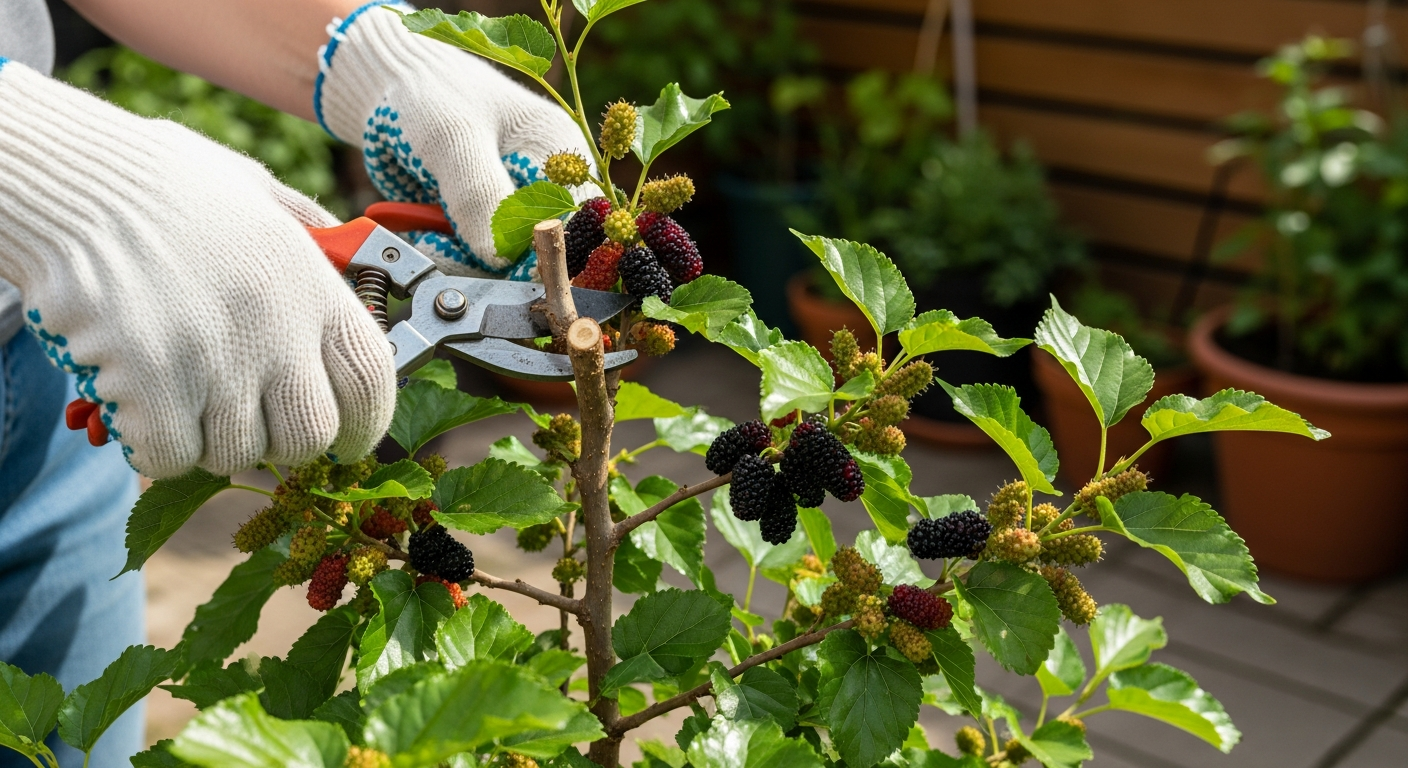
Wait until the first crop of berries finishes. Then, grab your pruners. You should cut the branches back aggressively. Do not fear harming the tree. Mulberries are incredibly resilient. By shortening the branches, you force the tree to push out fresh shoots. Subsequently, these new shoots will develop buds for the next crop. This cycle allows you to harvest multiple times a year in warm climates.
Keep the tree height under six feet. This height makes harvesting easy. It also ensures the lower branches receive sunlight. If the top gets too dense, it shades the bottom. As a result, the lower section stops producing. You want an open canopy where light penetrates every part of the tree. Basically, you are managing energy distribution. You direct the tree’s energy into fruit rather than tall, woody growth.
Watering and Fertilization Schedules
Container plants rely entirely on you for water. Unlike ground trees, they cannot send roots deep to find moisture. Therefore, you must water consistently. Check the soil moisture daily. In the heat of summer, you might need to water twice a day. However, avoid keeping the soil soggy. The goal is consistent dampness, like a wrung-out sponge.
Choosing the Right Fertilizer Formula
Balanced organic fertilizers provide essential nutrients without harsh chemicals. Look for formulations with equal or near-equal NPK ratios. For example, a 10-10-10 or 5-5-5 blend works exceptionally well. These ratios ensure your dwarf mulberry receives nitrogen, phosphorus, and potassium in harmony. Additionally, organic options improve soil structure over time. They feed beneficial microorganisms that help roots absorb nutrients more efficiently.
Furthermore, consider fertilizers specifically designed for fruit-bearing trees. These products typically contain higher phosphorus levels to encourage blooming. They also include trace minerals like calcium, magnesium, and iron. Composted manure serves as an excellent organic alternative. Fish emulsion and kelp-based fertilizers also deliver outstanding results. Moreover, these natural options release nutrients slowly throughout the season.
Strategic Application Timing
The early spring application coincides with bud break for maximum impact. Apply fertilizer when you notice buds swelling on the branches. This timing gives your tree an immediate energy boost. Consequently, the tree can channel nutrients directly into new growth and flower development. Spread the fertilizer evenly around the drip line, not against the trunk.
Throughout the growing season, lighter supplemental feedings maintain momentum. Apply half-strength fertilizer every four to six weeks during active growth. However, monitor your tree’s response carefully. Too much feeding can backfire and reduce fruit quality. Therefore, observe leaf color and growth patterns as indicators of nutritional needs.
Seasonal Feeding Adjustments
Cease all fertilization by late September or early October. This practice allows the tree to enter dormancy naturally. As a result, the wood hardens and becomes more cold-resistant. Trees that continue growing late into fall face winter damage risks. Their tender new growth cannot withstand freezing temperatures.
Meanwhile, the hardening-off process strengthens cell walls and concentrates sugars. This physiological change acts as natural antifreeze within plant tissues. In contrast, late-season feeding keeps growth soft and vulnerable.
Balancing Growth and Fruit Production
Excessive nitrogen creates lush foliage but disappoints with sparse fruiting. High nitrogen levels trigger vegetative growth at the expense of reproductive development. For instance, you might see vigorous shoots and large leaves with few mulberries. This imbalance frustrates growers seeking abundant harvests.
Instead, prioritize phosphorus and potassium after initial spring growth. Phosphorus stimulates root development and flower formation. Potassium enhances fruit quality, flavor, and disease resistance. Therefore, switch to a bloom-boosting formula once leaves fully emerge. A 5-10-10 ratio supports this transition perfectly. Additionally, bone meal provides slow-release phosphorus naturally. Wood ash contributes potassium while raising soil pH slightly.
Winter Care and Dormancy
Even dwarf trees need a rest. In winter, the mulberry will drop its leaves and go dormant. This rest period is vital for long-term health. If you live in a freezing climate, protect the roots. The soil in a pot freezes faster than the ground. You can move the pot to an unheated garage or wrap it in bubble wrap.
Do not bring the tree into a heated house. The warmth will confuse the tree. It might break dormancy too early. Simply keep the roots from freezing solid. Reduce watering significantly during this time. The tree has no leaves to transpire moisture. Therefore, the soil stays wet longer. Check it occasionally to ensure it hasn’t dried out completely.
Conclusion
Growing compact mulberries is a rewarding experience. It transforms small spaces into productive mini-orchards. By choosing the right pot size, you build a strong foundation. Furthermore, mastering the art of summer pruning unlocks the tree’s full potential. You no longer need a farm to enjoy fresh fruit. With patience and these techniques, you will enjoy bowl after bowl of sweet, dark berries. Start your container garden today and taste the difference.