The unusual white crust clinging to the mulberry branches signaled a significant pest infestation. Specifically, these tiny, waxy clusters often indicate mealybugs or scale insects. These common mulberry adversaries stealthily drain sap from the tree’s vascular system. Consequently, the foliage struggles, losing its vibrant green hue and turning a sickly yellow. Ultimately, the tree’s overall vigor diminishes markedly.
Such infestations extend beyond cosmetic damage. Indeed, these sap-sucking insects excrete a sticky substance called honeydew. This sugary residue then coats leaves and branches, inviting sooty mold. Black sooty mold further impedes photosynthesis, essentially starving the tree. Prolonged stress significantly weakens the mulberry, making it vulnerable to other diseases or environmental stressors. Ultimately, an untreated infestation can cause severe branch dieback or even tree mortality.
Proactive Prevention Strategies for Mulberry Pests
Regular, attentive inspection is the first line of defense against such silent destroyers. Early detection permits less aggressive, more effective interventions. For instance, a strong jet of water can dislodge many soft-bodied pests. Horticultural oils or insecticidal soaps offer organic solutions for small infestations. These smother insects without harming beneficial predators.
Beyond direct treatment, maintaining robust tree health is crucial. Healthy trees naturally resist pest attacks better. Ensure proper watering, especially during dry spells, and adequate, balanced fertilization. Pruning out dense, interior branches improves air circulation, which discourages many fungal issues and some pests. Encouraging natural predators, like ladybugs and lacewings, provides a biological control. Therefore, avoiding broad-spectrum pesticides is also important.
My grandmother, bless her heart, always said a watchful eye was the best gardener’s tool. Her simple wisdom truly stuck with me. This blend of ecological understanding and diligent care underscores the historical importance of integrated pest management. Ultimately, learning from such experiences helps us protect our vital urban canopy more effectively.
Mulberry trees are tough, generous, and beautiful. However, they attract a surprising range of insects that can devastate them quickly. Understanding exactly which pests threaten your tree — and how to fight back — makes all the difference between a thriving mulberry and a dying one.
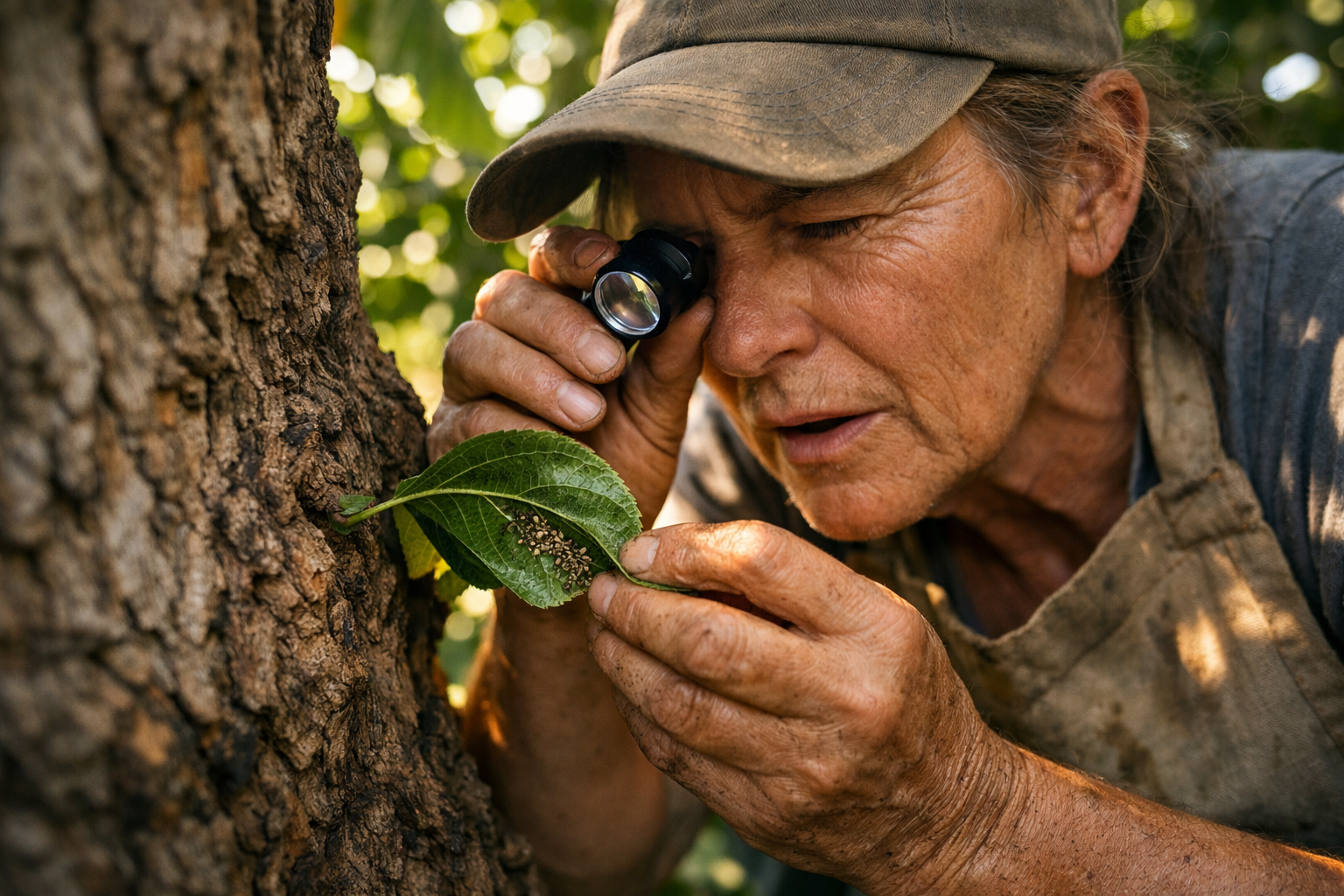
The Mulberry Borer: A Hidden Destroyer
The mulberry borer (Dorcaschema wildii) ranks among the most destructive pests your tree will ever face. Source Adults are striking beetles with white-spotted black bodies. They emerge in early summer and immediately begin laying eggs in bark crevices.
How the Borer’s Life Cycle Works
Once eggs hatch, larvae burrow directly into the bark. They tunnel through the cambium layer — the living tissue just beneath the bark — cutting off water and nutrient flow. This process continues for one to two years before adults emerge. Meanwhile, the tree slowly weakens from the inside out.
Damage signs include sawdust-like frass near the base of branches, small entry holes in the bark, and sudden wilting of otherwise healthy limbs. Additionally, you may notice D-shaped exit holes where adults have already emerged. These holes confirm an active or recent infestation.
Preventing and Treating Mulberry Borers
Prevention starts with keeping your tree healthy. Source Stressed trees attract borers far more readily than vigorous ones. Water deeply during dry spells and avoid wounding the bark during pruning.
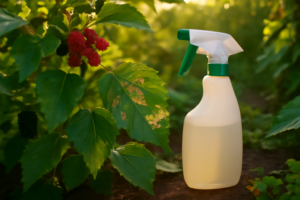
For active infestations, inject a targeted insecticide containing imidacloprid or permethrin directly into borer holes using a small applicator bottle. Additionally, you can insert a thin wire into entry holes to physically destroy larvae inside. Remove and destroy heavily infested branches immediately — do not compost them.
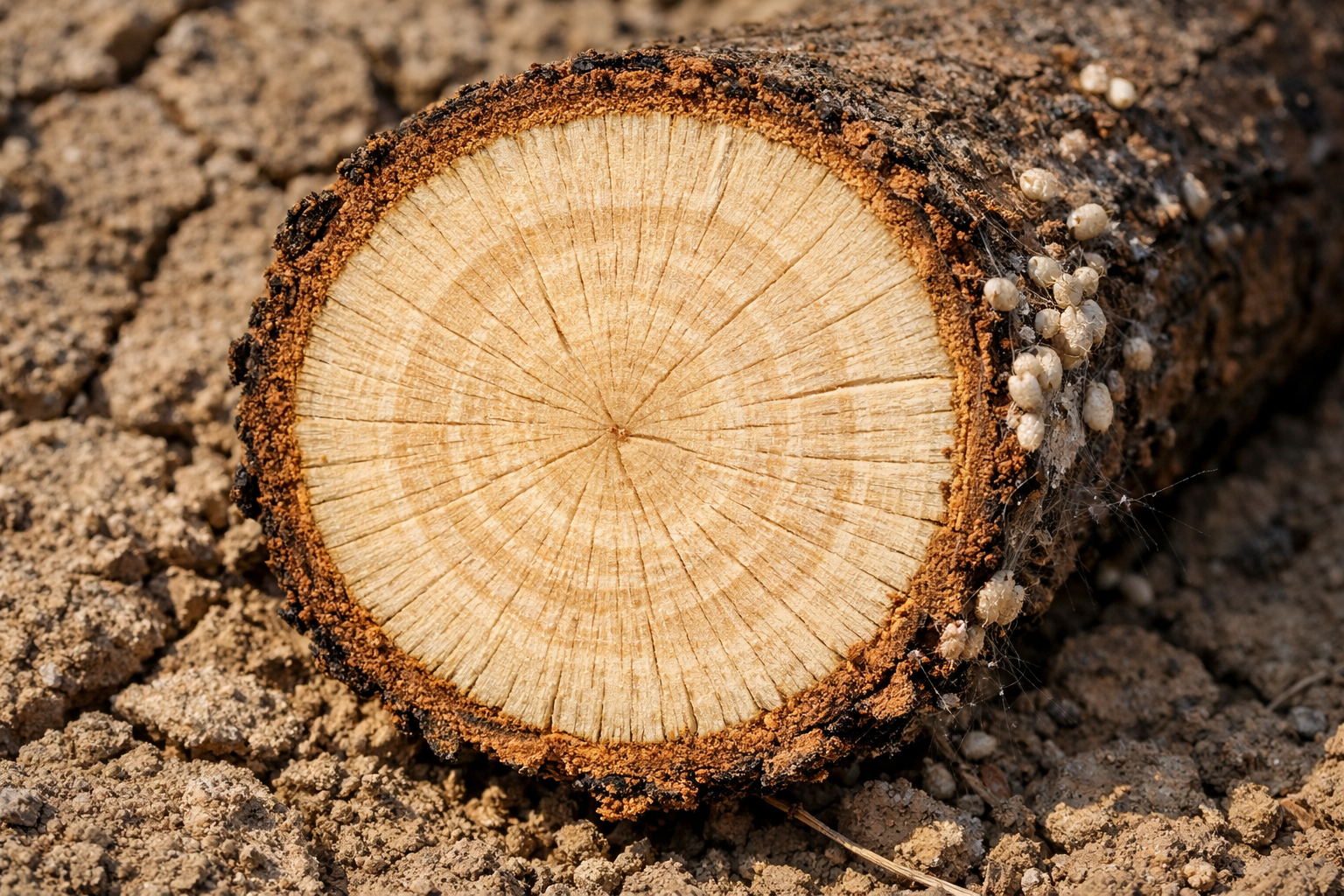
Whiteflies: Small Insects, Big Problems
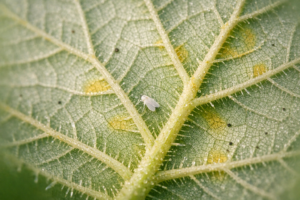
Whiteflies look harmless. Source They are tiny, white-winged insects that flutter up in clouds when you disturb foliage. However, their feeding causes serious damage over time.
These insects use needle-like mouthparts to pierce leaf tissue and extract sap. As a result, leaves yellow, curl, and eventually drop. Furthermore, whiteflies excrete a sticky substance called honeydew, which coats leaves and encourages black sooty mold growth.
Identifying a Whitefly Infestation
Check the undersides of leaves first. Whitefly eggs, nymphs, and adults all cluster there, away from direct sunlight. You will typically see tiny white oval eggs arranged in neat circular patterns. Nymphs look flat and scale-like before developing wings.
Sooty mold on upper leaf surfaces often signals a whitefly problem before you even spot the insects themselves. This black coating blocks sunlight and further weakens the tree. Therefore, treat both the pest and the mold for full recovery.
Effective Whitefly Control Strategies
Start with a strong blast of water from a garden hose. This physically dislodges adults and nymphs from leaf surfaces. Repeat every two to three days for best results. Additionally, introduce natural predators like ladybugs and lacewings, which aggressively feed on whitefly populations.
For chemical control, apply insecticidal soap or neem oil spray directly to leaf undersides. Source Spray in the early morning or evening to avoid harming beneficial insects and to prevent leaf burn in direct sun.
Yellow sticky traps hung near affected branches also help monitor population levels. In contrast to broad-spectrum pesticides, these traps target flying adults without harming predatory insects.
Mealybugs: The Waxy White Invaders
Mealybugs are the insects I first saw on my grandmother’s tree. They look like tiny cotton balls or patches of white fuzz. However, beneath that waxy coating hides a soft-bodied insect actively draining your tree’s sap.
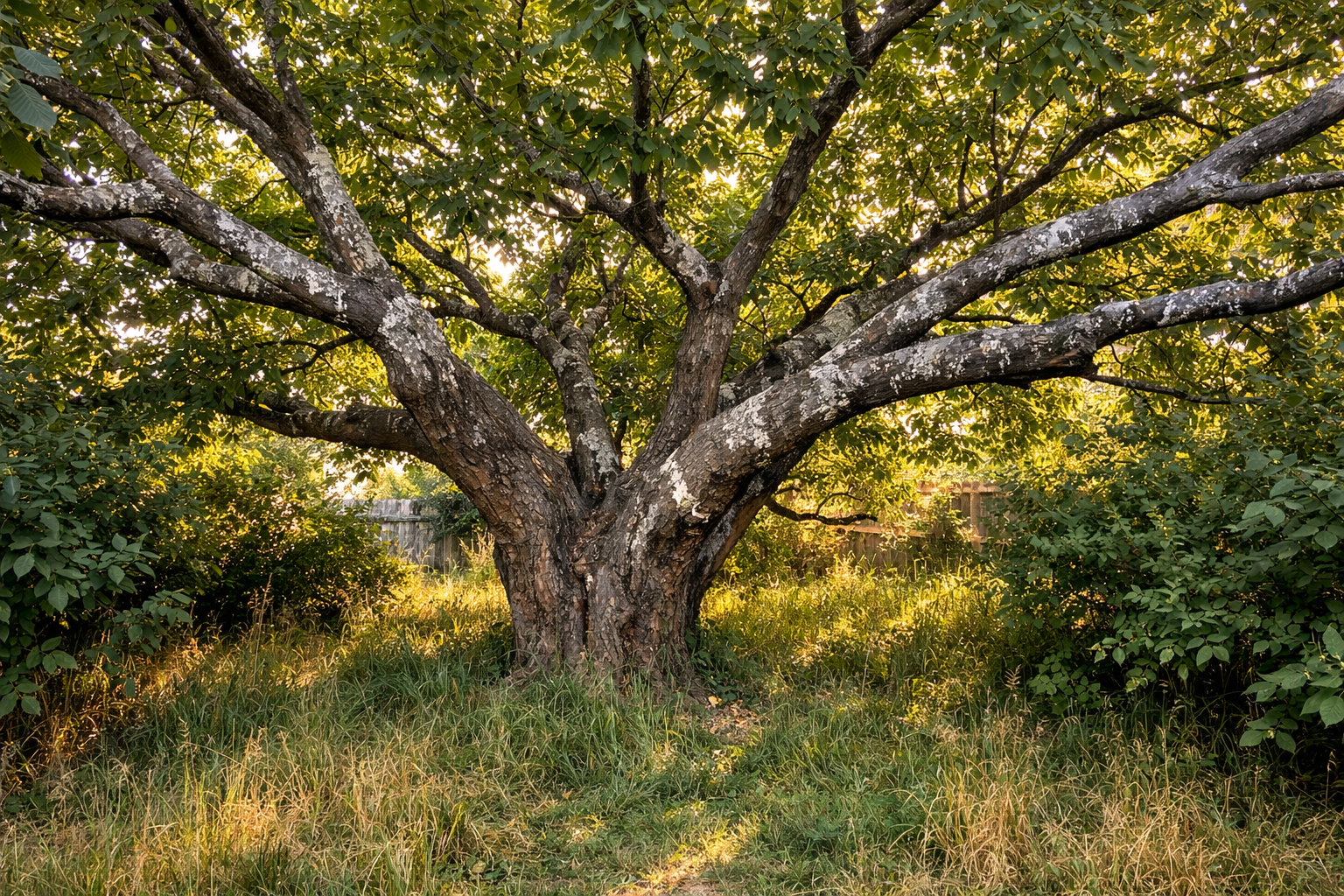
Females lay hundreds of eggs inside a protective cottony mass. Source Nymphs, called crawlers, then spread across the tree and establish new feeding sites.
Damage Caused by Mealybugs
Mealybug feeding weakens branches steadily. Leaves yellow and drop prematurely. New growth becomes stunted and distorted. Like whiteflies, mealybugs produce honeydew, leading to sooty mold problems. Additionally, their presence attracts ants, which actively protect mealybug colonies from natural predators in exchange for access to honeydew.
This ant-mealybug relationship is particularly frustrating. Therefore, controlling ants is actually a critical step in managing mealybug populations. Use sticky ant barriers around the trunk to prevent ants from climbing up and protecting the colony.
Treating Mealybug Infestations
For small infestations, dab individual mealybug clusters with a cotton swab soaked in rubbing alcohol. The alcohol dissolves the waxy coating and kills the insect directly beneath. This method works well on accessible branches and new growth.
Tackling Larger Infestations on Mulberry Trees
When insect populations spiral beyond minor outbreaks, a stronger, systematic approach becomes essential. A combined spray of insecticidal soap and neem oil disrupts insects on contact while leaving minimal toxic residue. Mix approximately two tablespoons of each per gallon of water. Shake thoroughly before every application.
Applying the Treatment Correctly
Coverage matters enormously with this method. Therefore, focus on these critical zones:
- Leaf undersides — where mealybugs, scale, and aphids cluster
- Branch joints — tight spaces insects use for shelter
- Bark crevices — hidden overwintering spots often missed
Consequently, incomplete spraying allows survivors to repopulate quickly.
Timing Your Spray Cycles
Repeat applications every seven to ten days for at least three full cycles. This schedule targets newly hatched nymphs before they mature. Skipping even one cycle can reset your progress significantly.
Introducing Biological Control
Meanwhile, consider releasing mealybug destroyers (Cryptolaemus montrouzieri). These specialized ladybug relatives hunt mealybugs relentlessly. A neighbor once told me she released just fifty beetles and watched her badly infested tree recover within weeks. Purchase them through reputable beneficial insect suppliers. Release them during cooler morning hours for best survival rates.
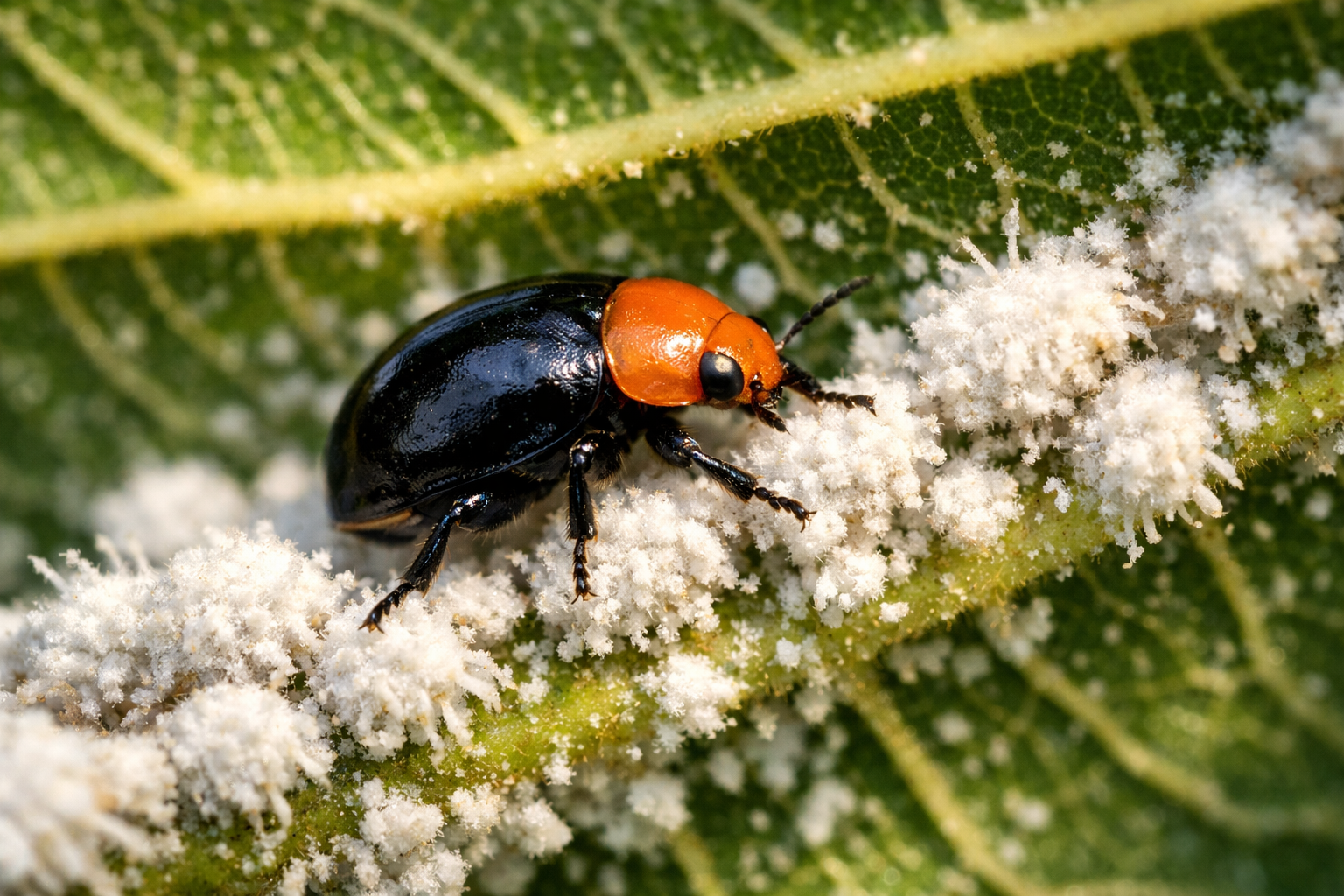
Cultural Practices That Protect Your Tree Year-Round
Beyond treating specific pests, smart cultural practices dramatically reduce infestation risk. Healthy trees resist pest pressure far more effectively than stressed ones. Therefore, consistent care is your first and most powerful line of defense.
Strategic Pruning to Prevent Mulberry Insect Infestations
Timing your pruning correctly makes a significant difference in pest control. Late winter — typically February through early March — is ideal because insects are dormant. Furthermore, wounds heal faster before spring growth surges. Pruning during active growth seasons, however, invites borers and other opportunistic pests immediately.
Why Branch Selection Matters
Focus your cuts on these problem areas:
- Dead branches — prime harborage for mealybug colonies
- Crossing branches — create bark wounds that attract flatheaded borers
- Densely packed interior growth — reduces airflow, encouraging scale insects
- Weak, narrow crotches — split easily, exposing vulnerable inner wood
Additionally, thinning the canopy improves sunlight penetration, which naturally discourages moisture-loving pests.
Tool Sterilization Is Non-Negotiable
Between every single cut, sterilize your tools using:
- Diluted bleach solution (1 part bleach to 9 parts water)
- 70% isopropyl rubbing alcohol
- Commercial disinfectant sprays designed for garden tools
My neighbor once lost two mature mulberries because she skipped this step entirely — the borers spread invisibly from branch to branch within one season.
Sealing and Aftercare
After pruning, consider applying a pruning sealant to larger cuts exceeding one inch in diameter. This consequently reduces borer entry points significantly. Monitor trimmed areas weekly throughout spring for early signs of:
- Sawdust-like frass indicating borer activity
- White cottony masses signaling mealybug presence
- Sticky honeydew residue suggesting scale insects
Moreover, dispose of all removed branches immediately. Never leave cuttings beneath the tree, as insects overwinter inside discarded wood and reinfest your tree the following season. Bagging and removing debris completely breaks this cycle effectively.
Mulch around the base of your tree to retain soil moisture and regulate temperature. However, keep mulch several inches away from the trunk to avoid creating a moist environment that attracts borers and fungal diseases. Water deeply but infrequently to encourage deep root growth rather than shallow surface roots.
Monitoring and Early Detection
Inspect your mulberry tree every two weeks during the growing season. Source Check leaf undersides, bark crevices, branch joints, and the base of the trunk. Catching an infestation early dramatically reduces the effort and cost of treatment.
Keep a simple garden journal. Record what you find, when you find it, and what treatments you apply. Over time, this record reveals patterns — for example, which months bring whitefly pressure or when borers are most active in your region. Additionally, photograph any unfamiliar insects and use a reliable identification resource before treating.
Choosing the Right Pesticide Safely
Always choose the least toxic effective option first. Insecticidal soaps and neem oil handle most soft-bodied pest problems without harming birds, bees, or beneficial insects significantly. Reserve systemic insecticides containing imidacloprid for severe borer infestations where other methods have failed.
Read every product label carefully. Apply pesticides only at recommended rates and frequencies. Furthermore, avoid spraying during bloom when pollinators actively visit flowers. Timing your applications thoughtfully protects the broader garden ecosystem while still eliminating your target pest.
Conclusion
Mulberry trees offer immense value, extending beyond their sweet fruit and cooling shade. These resilient giants create vital ecosystems, supporting local wildlife and enriching biodiversity. However, various insect pests threaten this valuable contribution, demanding proactive management. Protecting these generous trees ensures their long-term health and continued abundance.
Identifying Specific Threats
Different pests inflict unique damage, necessitating distinct responses. For instance, the mulberry borer tunnels into woody tissues, weakening branches and even the trunk. This internal damage can lead to structural failure. In contrast, whiteflies cluster on leaf undersides, sucking sap and causing yellowing or stunted growth. They also excrete sticky honeydew. Similarly, mealybugs appear as cottony masses, draining plant vigor and promoting sooty mold development.
Targeted Prevention Strategies
Therefore, effective control depends on identifying the specific culprit. For borers, removing infested branches or using targeted trunk injections might be necessary. Conversely, whiteflies often respond well to horticultural oil or insecticidal soap applications. Mealybugs can be dislodged with strong water sprays or managed with neem oil. Each pest requires a tailored approach for optimal results.
Proactive Tree Care
Despite varied tactics, the core strategy remains consistent: vigilance and early intervention are paramount. Regularly inspect your mulberry for subtle signs like frass, sticky leaves, or distorted new growth. Acting quickly prevents infestations from escalating into severe problems. Furthermore, fostering natural predators like ladybugs and lacewings provides invaluable, sustainable pest control.
Additionally, maintaining robust tree health through proper cultural practices strengthens its natural defenses. This includes consistent watering, balanced fertilization, judicious pruning, and appropriate mulching. Combining these biological methods with judicious, targeted chemical controls, when truly necessary, offers the most comprehensive defense. This integrated approach ensures lasting tree vitality.
I remember my grandfather always said, “A healthy tree tells no lies about its care.” It reminds me that our attention is truly a tree’s best medicine. With careful observation and the right tools, your mulberry tree, a symbol of resilience, will thrive for many seasons to come.
The Spray Oil That Finally Stopped My Scale Crawlers Mid-Season
Once mealybugs and scale insects settle into your mulberry’s bark, they’re relentless sap thieves that topical sprays alone often can’t penetrate. Horticultural spray oils work by suffocating the insects and disrupting their waxy protective coating—but only if you apply them at the right time and cover every infested branch.
What works
- Visible die-off of scale clusters within 5–7 days when sprayed directly on the white waxy crusts; you’ll see them blacken and drop off the branches.
- No chemical residue smell like synthetic insecticides, and my mulberries resumed normal green foliage within two weeks of treatment starting.
- Safe to use throughout the growing season without waiting for harvest; I’ve sprayed in late spring and early summer without harming fruit or beneficial insects.
What doesn’t
- Requires thorough coverage on every infested branch—I missed a few hidden clusters the first time and watched them bounce back two weeks later.
- Can’t be applied in full sun or temps above 85°F without risking leaf burn; early morning or evening spraying is non-negotiable, which limits your window.
I almost gave up on horticultural oils after my first half-hearted spray job failed to eradicate the infestation, but a thorough second application with proper coverage changed everything. horticultural spray oils
This post contains affiliate links. As an Amazon Associate, I earn from qualifying purchases at no extra cost to you.