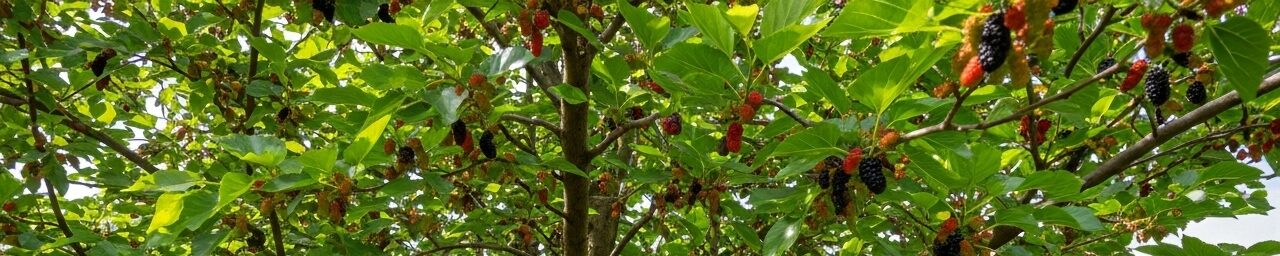
That peaceful morning shattered when my gaze landed on the mulberry. Its once vibrant green canopy now appeared strangely translucent. Closer inspection revealed a devastating transformation: leaves were not just chewed, but intricately skeletonized, their chlorophyll stripped away. Indeed, countless minuscule pests, almost imperceptible at first glance, clung tenaciously to the leaf undersides. This sudden decline was alarming, especially since the tree had flourished only weeks prior.
My immediate confusion quickly spurred a deep dive into horticultural resources. I researched “mulberry tree leaf damage,” “tiny insects on fruit trees,” and “preventative pest control strategies.” This intense investigation unveiled a complex world beyond simple observation. For instance, I learned about specific insect life cycles and their preferred host plants. Consequently, understanding the timing of infestations became crucial for effective management.
My perspective on gardening shifted dramatically. It wasn’t merely about reacting to problems; instead, proactive measures and early identification emerged as vital. This personal journey underscored how critical consistent tree health monitoring truly is. My neighbor, an avid gardener, always says, “A daily walk through your garden is worth a hundred pest sprays.” Therefore, this experience highlights the broader importance of ecological awareness in our own backyards.
Recognizing the Warning Signs Early
Your mulberry tree will tell you when something is wrong. You just need to know what to look for. Common symptoms of insect damage include yellowing leaves, holes in the foliage, sticky residue on branches, and stunted new growth. Additionally, you might notice curling leaves, premature leaf drop, or a sooty black coating on the bark.

These symptoms don’t all point to the same pest. Therefore, identifying the specific culprit matters enormously before you reach for any treatment. Acting on the wrong diagnosis wastes time and can harm beneficial insects living nearby. Start by examining the tree slowly — check leaf undersides, branch joints, and the soil around the base.
Common Insect Pests That Target Mulberry Trees
Scale Insects
Scale insects are sneaky. Source They attach themselves firmly to branches and look more like bumps or crusts than living bugs. You’ll often notice them only after the damage is already significant. Additionally, they excrete a sticky substance called honeydew, which coats leaves and invites a secondary fungal problem — sooty mold.
Scale infestations tend to worsen in warm, dry conditions. However, even well-watered trees can fall victim if neighboring plants carry the pest. Look for brown, tan, or white crusty patches along stems and branches.
Whiteflies
Whiteflies are small, but they cause outsized damage. Source When you shake an affected branch, a cloud of tiny white insects bursts into the air — that’s your confirmation. They feed on leaf sap and, like scale insects, produce honeydew that encourages sooty mold growth.
In contrast to scale insects, whiteflies are mobile and can spread rapidly across your garden. Therefore, isolating affected branches early prevents them from jumping to nearby plants.
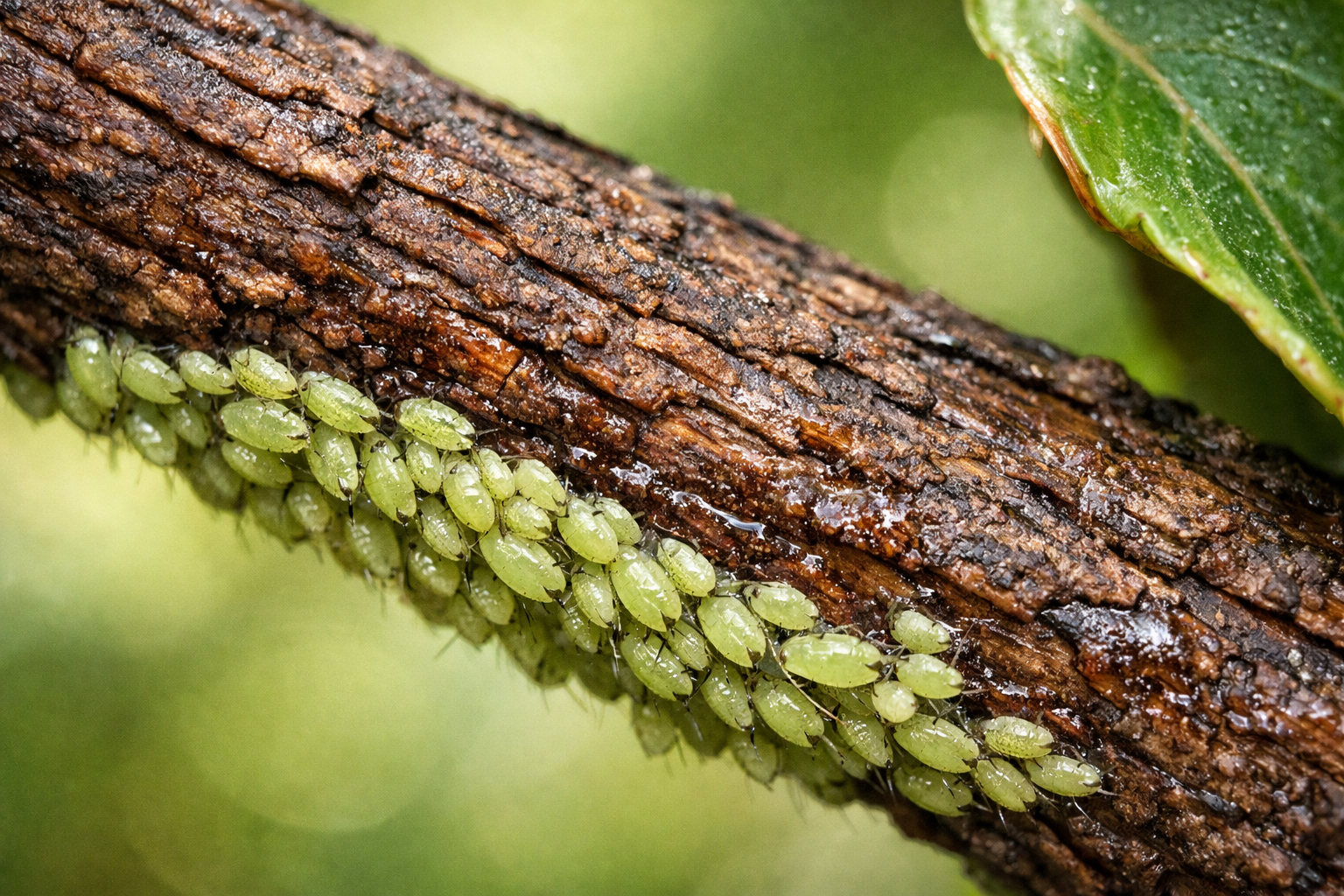
Mulberry Whitefly and Spider Mites
Spider mites deserve special attention because they’re not technically insects — they’re arachnids. Source However, they cause similar damage and respond to similar treatments. You’ll spot fine webbing between leaves and a dusty, stippled texture on leaf surfaces.
For example, if your tree’s leaves look like someone dragged sandpaper across them, spider mites are likely responsible. Act quickly, because populations explode in heat.
Caterpillars and Moth Larvae
Several moth species lay eggs on mulberry trees, and their larvae are voracious feeders. Source Caterpillars chew irregular holes through leaves and can strip entire branches when populations peak. Meanwhile, their droppings accumulate on leaves below, signaling active feeding above.
Check for eggs on leaf undersides in early spring. Catching them before hatching saves considerable effort later.
Mealybugs
Recognizing and Managing Mealybugs on Mulberry Trees
Mealybugs are deceptively destructive despite their slow, almost lazy movement. They cluster in sheltered spots, making early detection possible with regular inspection.
Where to Look First
Check these hiding spots carefully during routine monitoring:
- Branch crotches and joints where two stems meet
- Leaf undersides along the midrib
- Fruit clusters near the stem attachment
- New growth tips, which offer tender feeding sites
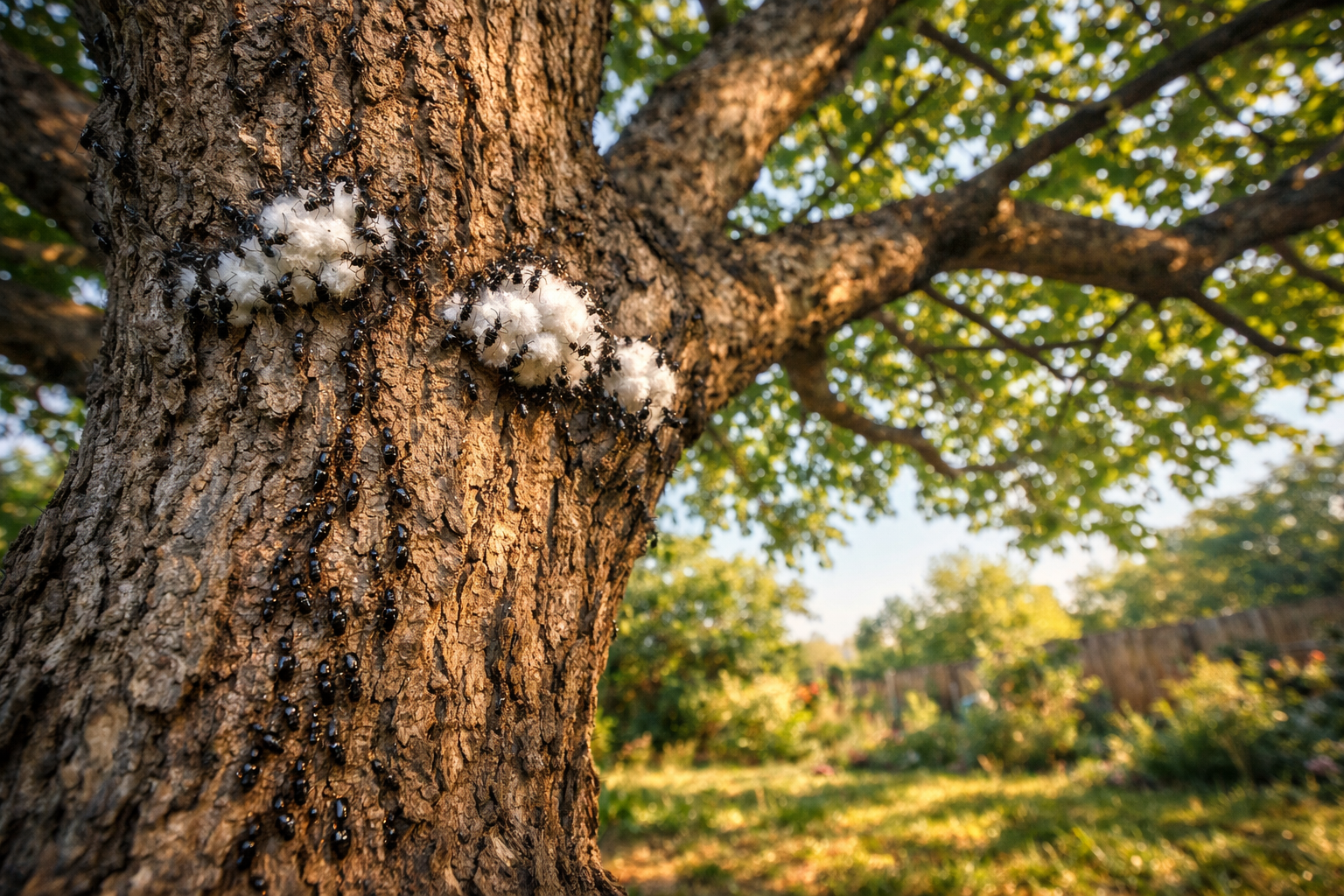
Their white, cottony wax coating is unmistakable. Furthermore, this coating serves as biological armor, repelling water-based sprays effectively.
—
Why Standard Sprays Often Fail
Most contact insecticides simply bead off the waxy layer. Therefore, horticultural oils or alcohol-based solutions penetrate more reliably. Neem oil mixed with a surfactant breaks down the coating effectively. Consequently, repeat applications every seven to ten days are usually necessary.
—
The Ant-Mealybug Alliance
This relationship genuinely complicates treatment. Ants actively:
- Chase away ladybugs and parasitic wasps
- Relocate mealybugs to fresh feeding sites
- Alert colonies to disturbances
Additionally, controlling ants first dramatically improves biological control success. Use sticky barriers around the trunk to interrupt ant access completely.
My neighbor swore by wrapping his mulberry trunk with a petroleum jelly band every spring — he claimed it broke the ant cycle better than any spray he’d tried.
—
Integrated Prevention Strategy
Prevent honeydew buildup by acting early in the season. Moreover, encourage natural predators like lacewings and mealybug destroyers (Cryptolaemus montrouzieri). Avoid excessive nitrogen fertilization, since lush, soft growth attracts mealybugs strongly. Finally, inspect new plants thoroughly before introducing them near established mulberry trees.
Immediate Treatment Options
Horticultural Oil and Insecticidal Soap
For most soft-bodied pests — whiteflies, mealybugs, spider mites, and young scale — horticultural oil and insecticidal soap work extremely well. Source These treatments smother insects by coating their bodies and disrupting their ability to breathe. Apply them thoroughly, covering leaf undersides where pests concentrate.
Spray in the early morning or evening to avoid burning leaves in direct heat. Repeat applications every seven to ten days until the infestation clears.
Neem Oil
Neem oil offers a powerful, plant-based solution that disrupts insect growth cycles. It works as both a contact killer and a systemic deterrent, making it effective against multiple pest types simultaneously. However, neem oil can harm beneficial insects if applied carelessly. Therefore, avoid spraying during peak pollinator activity hours and target affected areas precisely.
Manual Removal
For caterpillars and visible clusters of mealybugs or scale, manual removal is surprisingly effective. Wear gloves and pick caterpillars off by hand. Use a soft brush or cloth dipped in rubbing alcohol to dislodge scale and mealybug colonies from branches. Additionally, a strong jet of water from a garden hose knocks off mites and whiteflies efficiently without any chemicals.
Systemic Insecticides
When infestations are severe and other methods have failed, systemic insecticides become an option. Source These chemicals absorb into the tree’s tissue and poison insects as they feed. Use them cautiously and follow label instructions precisely.
Long-Term Prevention Strategies
Encourage Natural Predators
Ladybugs, lacewings, and parasitic wasps naturally control many mulberry pests. Source Encouraging these beneficial insects means reducing broad-spectrum pesticide use and planting companion flowers like dill, fennel, and yarrow nearby. Additionally, avoiding chemical treatments during flowering periods protects pollinators that support your garden ecosystem.
Maintain Tree Health
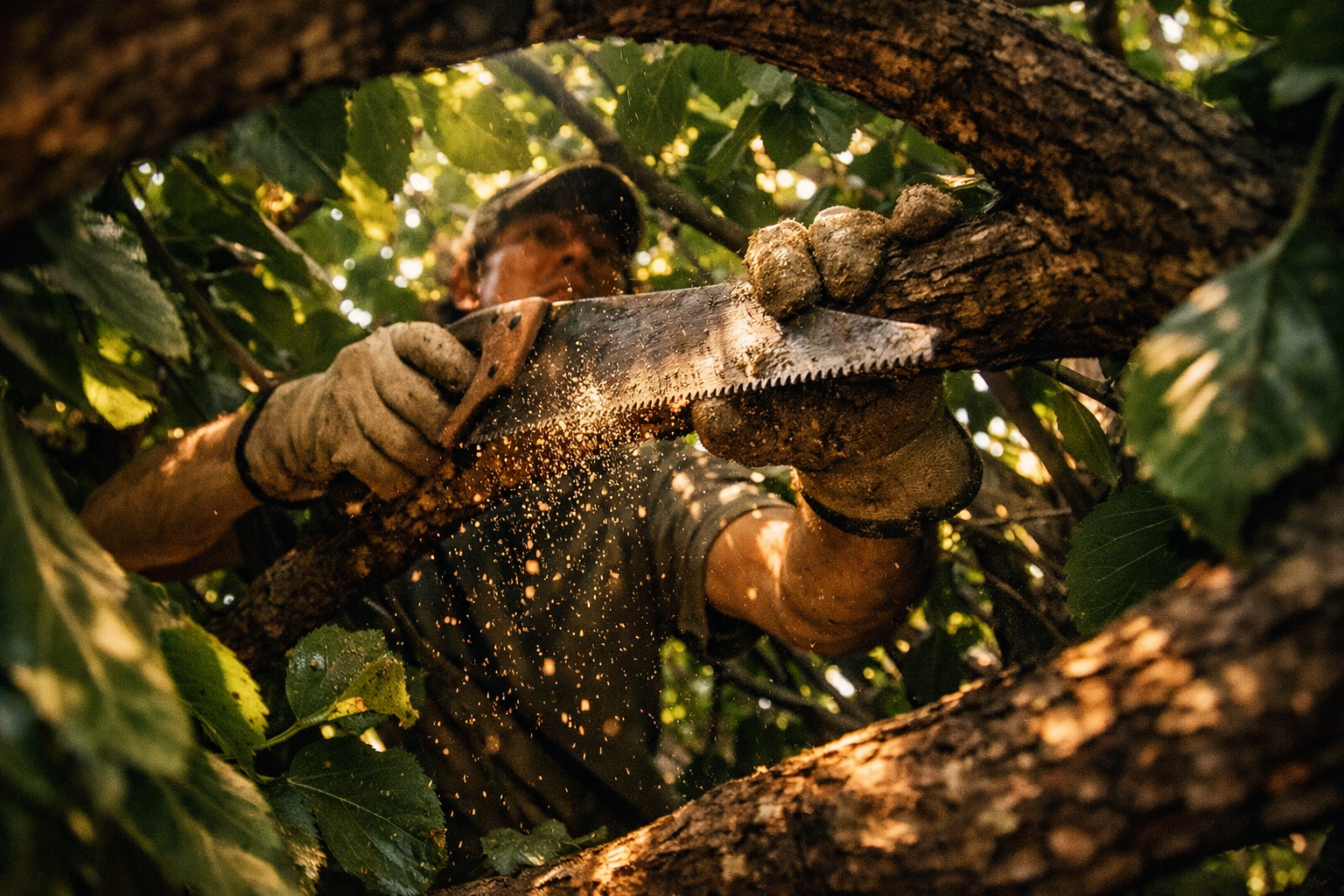
A healthy tree resists pests far more effectively than a stressed one. Therefore, focus on consistent watering, appropriate fertilization, and annual pruning to improve airflow through the canopy. Remove dead wood promptly — it attracts boring insects and fungal disease. In contrast, an overcrowded canopy traps moisture and heat, creating ideal conditions for mite and scale outbreaks.
Monitor Regularly
To effectively protect mulberry trees from insect damage, proactive vigilance is paramount. A structured, weekly inspection routine during the entire growing season—typically spring through autumn—ensures early detection. This consistent approach minimizes the need for harsh chemical interventions later. Indeed, addressing nascent issues prevents widespread infestations, preserving tree health and fruit quality. Therefore, integrating regular check-ups into your gardening schedule is a critical first step.
Mastering the Detailed Inspection
When inspecting, adopt a methodical approach. Start at the tree’s base, then systematically scan upwards. Always flip leaves to examine their undersides; many pests like aphids, spider mites, and scale insects hide there. Carefully scrutinize branch crotches and new growth, which are often targets for mealybugs. Look for subtle indicators such as shiny, sticky honeydew, a tell-tale sign of sap-sucking insects. Additionally, watch for fine webbing in leaf axils or branch tips, indicating spider mites or possibly tent caterpillars. Brown spots, distorted leaves, or tiny pinpricks also warrant closer investigation.
The Power of Early Intervention
Early detection offers a significant advantage. Spotting a handful of pests allows for simple, targeted removal methods. For instance, a strong spray of water can dislodge aphids, or rubbing alcohol on a cotton swab can eliminate scale insects. Conversely, ignoring initial signs leads to rapid population growth. Many common mulberry pests, like aphids, reproduce quickly. Consequently, managing thousands of insects becomes far more challenging, often requiring broader treatments and causing greater stress to the tree. This proactive approach saves time, effort, and potential harm.
Charting Success with a Garden Journal
Furthermore, maintaining a simple garden journal is incredibly beneficial. Record the date, observed pest, severity, location on the tree, and any environmental factors like recent weather. This detailed log helps identify recurring patterns year after year. For example, if spider mites appear every July during dry spells, you can preemptively apply preventative measures. Understanding these seasonal and environmental triggers allows for more precise timing of interventions. Ultimately, your journal transforms reactive pest control into a data-driven, preventive strategy.
My grandmother always said, “An ounce of prevention is worth a pound of cure,” and she applied it to everything, even her fruit trees. I remember her meticulously inspecting her apple trees, often humming as she gently removed a tiny caterpillar by hand.
Soil and Root Health
Healthy soil supports a healthy tree from the ground up. Mulch around the base of your mulberry tree to retain moisture and regulate soil temperature. However, keep mulch several inches away from the trunk to prevent rot and discourage pests that shelter in damp organic material. Compost applications improve soil biology, which in turn strengthens the tree’s natural immune response to pest pressure.
Bringing It All Together
Proactive pest management for your mulberry tree is a continuous journey, not a series of emergency reactions. It truly hinges on a deep understanding of your tree’s health and its surrounding ecosystem. By embracing a holistic strategy, you can cultivate a robust tree naturally resistant to many common threats.
Decoding Your Tree’s Language
Firstly, becoming fluent in your tree’s non-verbal cues is paramount. For instance, yellowing leaves might signal a nutrient deficiency, yet they could also indicate a severe spider mite infestation. A sticky residue on leaves or branches, known as honeydew, is a definitive sign of sap-sucking insects like aphids, scale, or whiteflies. This often leads to unsightly sooty mold. Furthermore, skeletonized or chewed foliage clearly points to caterpillars, beetles, or grasshoppers. Always inspect the undersides of leaves, too; many pests hide there. Consequently, early detection through diligent observation prevents small issues from escalating.
Cultivating Resilience Through Healthy Practices
Building your mulberry tree’s inherent strength is the best defense. Healthy soil, rich in organic matter and well-draining, is fundamental. It promotes a strong root system, allowing the tree to absorb nutrients efficiently and withstand stress. Consistent, deep watering is also crucial, especially during dry spells, because stressed trees are magnets for pests. Moreover, strategic pruning improves air circulation within the canopy, reducing humidity that fungi and some pests favor. Regularly removing dead or diseased branches further enhances overall tree vigor.
Targeted Interventions and the Ecosystem Approach
When pests are identified, a precise, measured response is vital. Rather than broad-spectrum pesticides, which harm beneficial insects, opt for targeted methods. For instance, a strong jet of water can dislodge aphids. Hand-picking larger pests like caterpillars is surprisingly effective. Encouraging natural predators like ladybugs, lacewings, and parasitic wasps is a cornerstone of this approach. Planting companion flowers, such as dill or marigolds, can attract these helpful insects. If organic treatments become necessary, consider options like neem oil, which disrupts pest feeding and reproduction, or insecticidal soap for soft-bodied insects. These treatments are most effective when applied at the pest’s most vulnerable life stage, underscoring the importance of accurate identification and timing.
My grandmother always said, “A garden whispers its needs if you only stop to listen.” This certainly holds true for trees; their signals are constant, requiring our attentive presence. A robust mulberry tree, therefore, thrives not just from direct intervention, but from a balanced environment you thoughtfully cultivate over time.
That Sunday morning in my backyard taught me something important. Trees communicate constantly — we just need to slow down enough to listen. Your mulberry tree is no different. Give it your attention, respond early, and it will reward you with decades of fruit, shade, and resilience.
Keeping your mulberry tree healthy starts with having the right tools and treatments on hand before problems escalate, and one of the first things every mulberry grower should stock is a reliable mulberry tree pest control spray specifically formulated for fruit trees. When you first notice that unsettling translucency in your tree’s canopy, a gentle yet effective insecticidal soap trees treatment can help knock back soft-bodied insects like aphids and mites without harming beneficial garden visitors. For gardeners who prefer organic solutions, a quality neem garden spray works remarkably well as both a preventative measure and an active treatment against a wide range of common mulberry pests. Before you even reach for any spray, though, investing in a good magnifying loupe garden tool will help you correctly identify exactly which tiny insects are clinging to the undersides of your leaves, making your treatment far more targeted and effective. Placing sticky insect traps around your mulberry tree is an excellent passive monitoring strategy that can alert you to a developing infestation long before the damage becomes visible to the naked eye. During the dormant season, applying a horticultural spray oil to your tree’s branches can smother overwintering eggs and significantly reduce pest populations before they have a chance to explode in spring. If you spot the telltale silvery shimmer of whitefly activity on your foliage, hanging a whitefly trap yellow sticky card nearby is a simple, chemical-free way to dramatically reduce their numbers around your tree. When your treatment plan requires covering a larger tree thoroughly and evenly, a comfortable backpack garden sprayer pump makes the job far less exhausting and ensures that every leaf surface, including those hard-to-reach undersides, gets proper coverage. For severe or persistent infestations where surface sprays alone aren’t cutting through the problem, a systemic tree insecticide can be absorbed directly into the tree’s vascular system, protecting new growth from the inside out over an extended period. Finally, if you notice the fine webbing and stippled, dusty-looking leaves that signal a spider mite problem, acting quickly with a dedicated spider mite treatment for plants can stop these incredibly fast-reproducing pests from stripping your tree’s chlorophyll before the season is over. Armed with this toolkit and the habit of daily observation that experienced gardeners swear by, you’ll be well-prepared to protect your mulberry tree and keep it thriving for many seasons to come.
*As an Amazon Associate, I earn from qualifying purchases.