The Hidden Gem of Summer Foraging
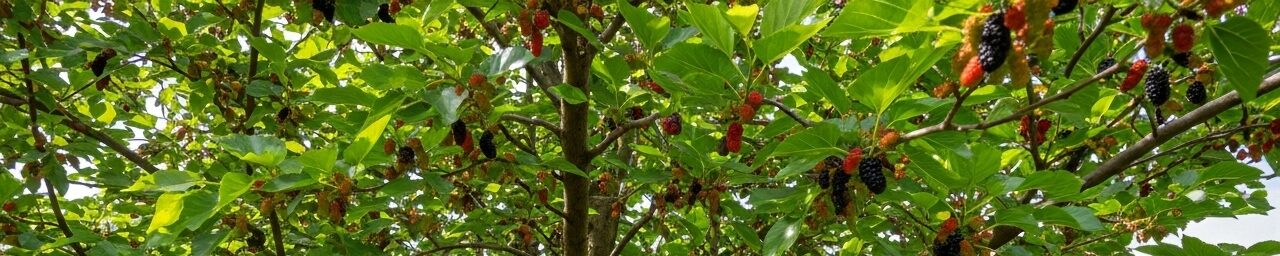
Summer brings an abundance of fresh fruit. You walk down a city street or a country lane. Suddenly, you spot dark purple stains on the pavement. You look up to see a tree laden with berry-like clusters. Many people mistake these for blackberries. However, they are likely discovering the elusive mulberry. These fruits offer a distinct culinary experience. Unlike common berries found in grocery stores, mulberries rarely make it to commercial shelves. Their fragility makes shipping nearly impossible. Therefore, you must find them fresh to truly understand their magic.
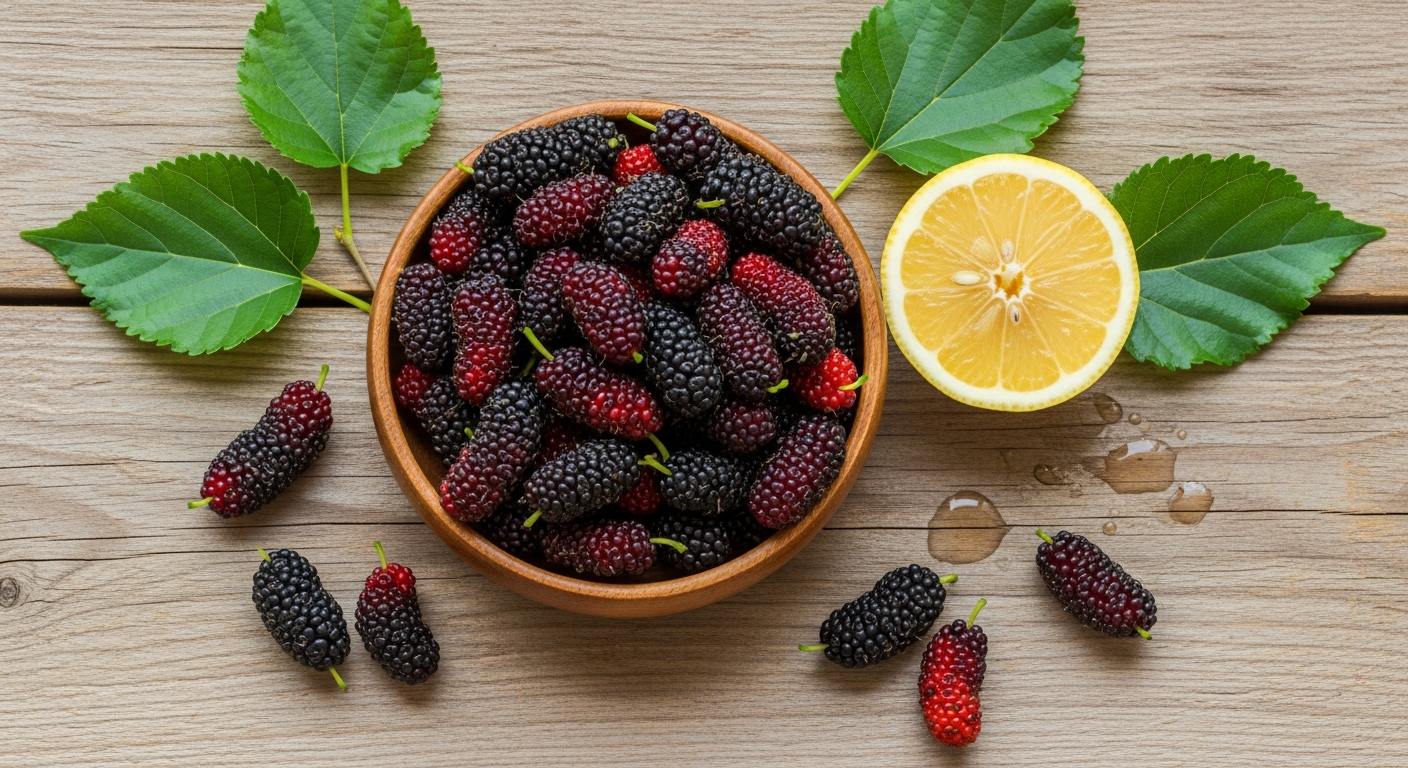
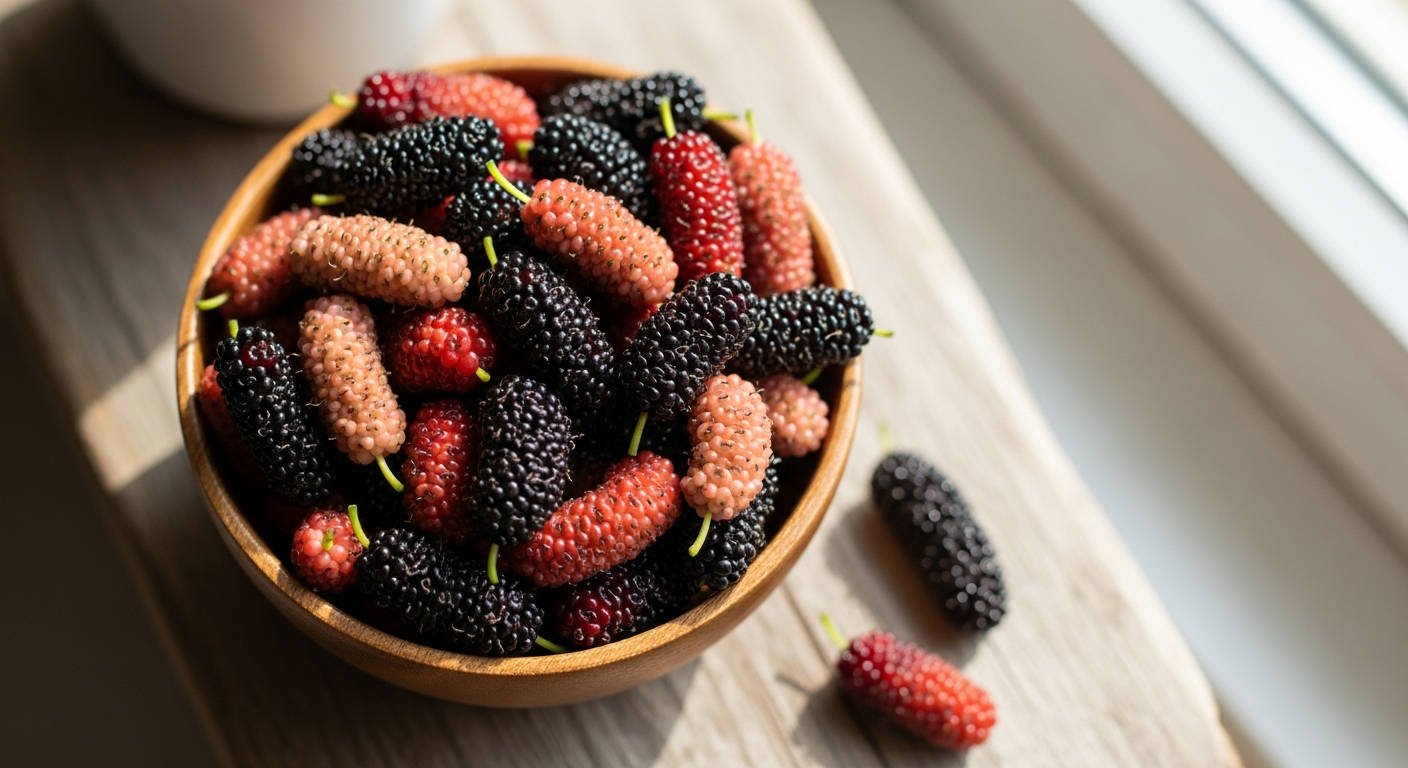
Discovering the unique taste of a fresh mulberry is a revelation. It does not taste exactly like a blackberry or a raspberry. Instead, it occupies its own flavor category. The taste profile changes depending on the variety and ripeness. For food lovers, this fruit represents a fleeting, seasonal treat. You eat them by the handful, staining your fingers and tongue. This experience connects you directly to nature’s cycle. Let us explore what makes this fruit so special.
If you’re planning to venture out and harvest your own mulberries this summer, having the right equipment will make your foraging adventure much more successful and enjoyable. A quality mushroom foraging kit with a woven basket and shoulder strap is perfect for collecting delicate mulberries without crushing them during your walk through parks or country lanes. For sorting and storing your freshly picked berries when you return home, consider using natural pulp fiber baskets that allow air circulation and prevent moisture buildup that can quickly spoil your harvest. Protect your hands from thorny branches and staining juice with durable leather gardening gloves designed specifically for outdoor harvesting tasks like picking, pruning, and handling delicate fruit clusters. If you’re interested in cultivating your own mulberry tree at home, a protective plant cover jacket will shield young trees from frost damage during their vulnerable early seasons and help ensure a bountiful harvest in years to come. Before heading out to forage, it’s essential to properly identify what you’re picking, so invest in a comprehensive foraging guide that teaches you to distinguish mulberries from look-alikes and discover other edible wild plants in your region. Since mulberries are so fragile and perishable, preserving your harvest is crucial, which makes a food dehydrator an invaluable tool for creating dried mulberry snacks that capture summer’s flavor for months to come. For those who prefer making jams, syrups, or preserves from their mulberry bounty, a complete canning kit provides all the essential tools needed to safely preserve your harvest using water bath or pressure canning methods. Beautiful WECK mold jars are perfect for storing mulberry jams and preserves while adding a charming, vintage aesthetic to your pantry shelves that showcases your homemade creations. When you bring your harvest home, an extendable over-the-sink colander makes washing mulberries incredibly easy and efficient, allowing water to drain quickly while keeping these delicate fruits intact and ready for eating or preserving. Finally, complement your foraging library with a detailed field guide to edible wild plants that covers Eastern and Central North America, helping you identify mulberries with confidence and discover countless other wild edibles growing in your local environment throughout the seasons.
Distinguishing the Look-Alikes
Structural and Textural Distinctions
While they appear identical to the untrained eye, distinct structural features separate these fruits. Specifically, examine the berry’s shape closely. Blackberries tend to be round and stout. In contrast, mulberries are often elongated and cylindrical. They can look like a stretched-out blackberry. Furthermore, the skin texture varies slightly. Mulberries are generally softer and more fragile. As a result, they stain fingers instantly when touched.
Another definitive clue lies inside the fruit. When you harvest a blackberry, the receptacle stays on the plant. Consequently, the berry is hollow inside. This creates a distinct “cup” shape. However, mulberries behave differently. The stem-like center remains inside the fruit when picked. Therefore, mulberries have a fleshy core rather than a hollow center. This internal stem adds a subtle crunch to the overall texture.
Flavor Profiles and Culinary Uses
Beyond appearance, the flavor profiles diverge significantly. Blackberries are renowned for their bold, tart tang. They possess a sharp acidity that balances their sugar. Alternatively, mulberries offer a much milder experience. Their flavor is predominantly sweet with earthy, vegetable-like undertones. Therefore, they lack the intense sour punch characteristic of a blackberry. This makes them less complex but often more palatable to those who dislike tartness.
Because of these flavor differences, culinary uses vary. Blackberries hold up well in baking due to their acidity. For example, they shine in pies and cobblers. Meanwhile, mulberries are excellent when eaten fresh. Their subtle flavor can get lost in heavy batters. However, they make exceptional jams and wines. The natural sweetness requires less added sugar during processing.
Growth Habits and Harvesting
Growth habits also act as a primary identifier. Blackberries aggressively spread via brambles or canes. These thickets are usually armed with sharp thorns. As a result, picking them requires protective clothing. On the other hand, mulberries grow on sturdy, deciduous trees. These trees have no thorns whatsoever. Consequently, harvesting is a much less painful experience.
Key Harvesting Differences:
- Blackberries: Must be hand-picked individually from thorny bushes.
- Mulberries: Can be harvested by shaking tree branches.
- Seasonality: Mulberries often ripen earlier in the summer than blackberries.
Finally, consider the method of collection. Since mulberries grow on trees, you can place a sheet on the ground. Then, simply shake the branches. Ripe fruit falls easily. In contrast, blackberries adhere tightly to the stem until fully ripe. Therefore, they require careful, individual plucking. This difference in tenacity is a reliable indicator for foragers.
Next, examine the fruit’s structure. This provides the clearest clue. When you pick a blackberry, the core remains on the plant. The fruit becomes hollow inside like a thimble. Conversely, the mulberry retains its center. The stem runs through the entire fruit. You eat this stem along with the flesh. It is soft and unnoticeable. Furthermore, the mulberry shape is different. It appears elongated and cylindrical. Blackberries tend to be rounder and shorter. Recognizing these visual cues prepares you for the tasting experience.
Texture and Mouthfeel
Texture plays a huge role in the mulberry experience. These fruits are incredibly soft. They lack the tough, glossy skin that protects blackberries. Instead, the skin is thin and delicate. When you put one in your mouth, it yields immediately. The fruit practically melts on your tongue. Consequently, they are very juicy. A single bite releases a burst of liquid. This juiciness is refreshing on a hot day.
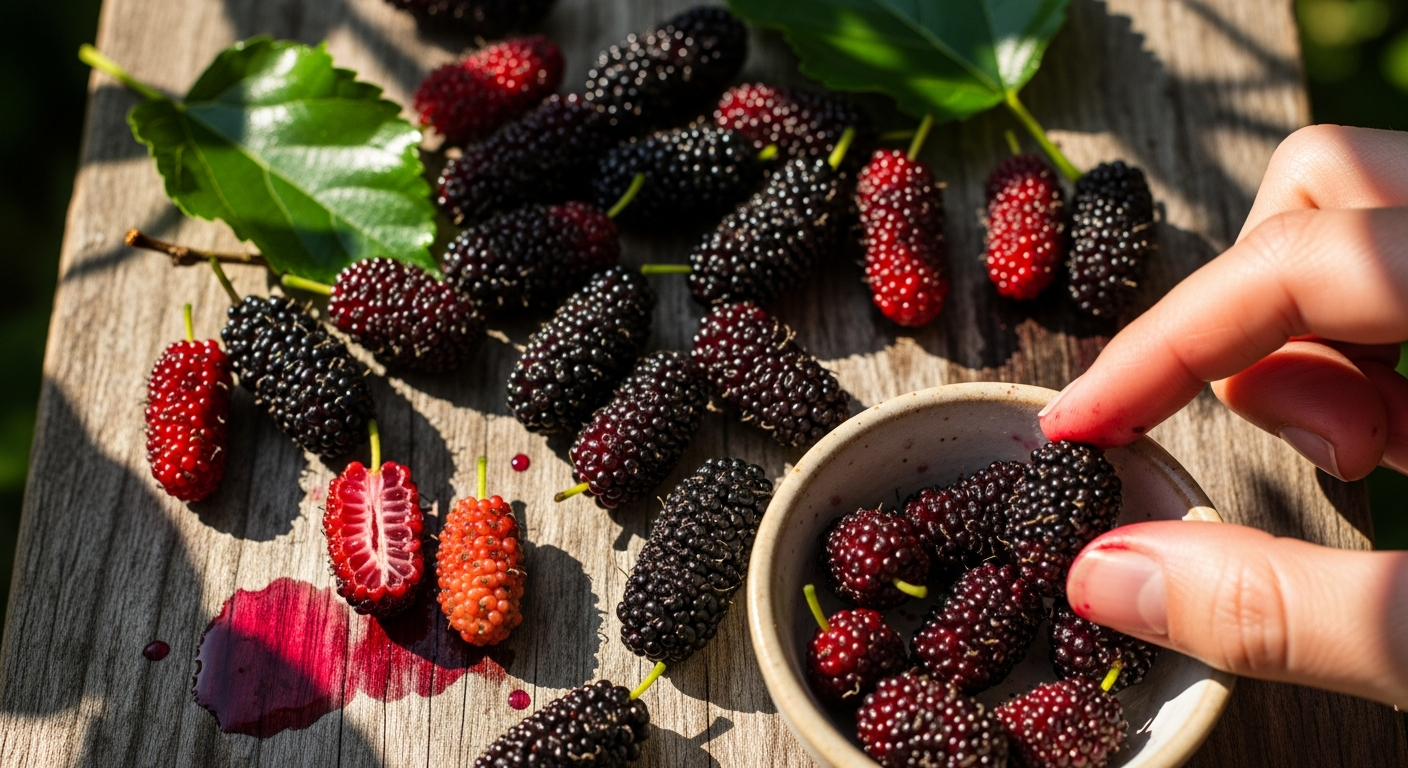
However, this softness comes with a price. Source Mulberries are extremely fragile. You cannot stack them deeply in a container. The bottom layer will crush under the weight of the top layer. They bleed their juice easily. . This explains why supermarkets rarely stock them. You must handle them with care. Ideally, you should eat them immediately after picking. If you must store them, place them in a single layer. This delicate nature makes the texture feel luxurious and ephemeral.
The Flavor Spectrum
The flavor of a mulberry surprises many first-time tasters. You might expect a sharp, tart punch similar to a blackberry. However, mulberries offer a different profile. They are significantly milder. The acidity is much lower. Instead of a sour bite, you experience a slow, honeyed sweetness. The flavor is earthy and complex. Some describe it as having notes of vanilla or mild spice. It lingers on the palate rather than shocking it.
Think of the difference between a firework and a glowing ember. A blackberry is a firework. It explodes with tartness. A mulberry is an ember. It glows with a warm, consistent sweetness. This lack of aggressive acidity makes them very easy to eat. You can consume a large quantity without your mouth feeling raw. Nevertheless, the flavor intensity varies greatly. It depends heavily on the specific color and species of the tree.
Exploring the Varieties
Three main species of mulberries dominate. Each offers a unique taste profile. First, we have the White Mulberry (Morus alba). These are common in many urban areas. Despite the name, the fruit can range from white to pale pink. The flavor is very sweet. However, it lacks acidity entirely. Some people find it insipid or bland. It tastes like pure sugar water or honey. If you have a sweet tooth, you will love them. If you prefer complexity, you might find them boring.
Red Mulberry: North America’s Native Treasure
The Red Mulberry (Morus rubra) stands as North America’s indigenous contribution to the mulberry family. This native species thrives across the eastern United States. Moreover, it has adapted perfectly to local climates over thousands of years. Consequently, foragers and fruit enthusiasts often seek it out in woodlands and along riverbanks.
A Perfectly Balanced Flavor Profile
What sets the Red Mulberry apart is its exceptional flavor equilibrium. The berries deliver natural sweetness that pleases the palate immediately. However, they don’t stop there. Additionally, a subtle tartness emerges, creating complexity on your tongue. This acidic note prevents the fruit from becoming cloying or one-dimensional.
The taste can be described as robust and intensely fruity. Furthermore, many tasters detect berry-like notes reminiscent of blackberries or raspberries. The flavor lingers pleasantly after each bite. Therefore, Red Mulberries work beautifully in both fresh applications and preserves.
The Middle Ground Between Varieties
Red Mulberry effectively bridges the flavor spectrum of its relatives. White Mulberries offer mild, honey-like sweetness with minimal complexity. In contrast, Black Mulberries provide bold, wine-like intensity. Meanwhile, Red Mulberries occupy the sweet spot between these extremes. Consequently, they appeal to the widest range of palates.
For example, those who find White Mulberries too bland appreciate the added depth. Similarly, people overwhelmed by Black Mulberries’ intensity prefer this gentler option. As a result, Red Mulberries have become the go-to choice for many foragers.
Visual Ripeness Indicators
The berries undergo a distinctive color transformation as they mature. Initially, they appear light pink or pale red. Subsequently, they darken progressively with each passing day. At peak ripeness, the fruits turn deep burgundy to nearly black. However, subtle red undertones remain visible upon close inspection. Therefore, experienced foragers look for this dark coloration before harvesting.
The King of Flavor: Black Mulberries
The Supremacy of Black Mulberry
The Black Mulberry (Morus nigra) stands as the undisputed champion among mulberry varieties. Furthermore, this Mediterranean native has captivated taste experts for centuries. Professional chefs consistently select it for haute cuisine applications. Meanwhile, fruit connoisseurs regard it as the pinnacle of mulberry cultivation. The berries command premium prices at specialty markets worldwide.
Flavor Complexity and Intensity
This variety offers an unparalleled depth of flavor that distinguishes it from its relatives. Additionally, the taste profile exhibits remarkable complexity and sophistication. Each bite reveals multiple flavor dimensions that unfold gradually. The initial sweetness gives way to subtle undertones. Consequently, the eating experience becomes more memorable and satisfying. No other mulberry variety can match this intensity.
Perfect Sweet-Tart Balance
The sugar-to-acid ratio in Black Mulberries achieves near-perfection naturally. Moreover, this balance occurs without human intervention or selective breeding. The sweetness registers at approximately 12-15% on the Brix scale. However, the acidity prevents the flavor from becoming cloying or one-dimensional. Therefore, each berry tastes refreshing rather than overwhelmingly sugary. This equilibrium makes them ideal for both fresh consumption and culinary applications.
Wine-Like Characteristics
Black Mulberries possess a distinctive vinous quality rarely found in other fruits. For example, the flavor evokes comparisons to premium red wines. Many tasters detect notes reminiscent of Cabernet Sauvignon or Merlot. Additionally, the berries share the same deep, complex character as fine grape varietals. The dark purple juice even resembles concentrated grape must. As a result, some artisan winemakers actually produce mulberry wines from this variety.
Harmonious Tartness
The tartness functions as a flavor enhancer rather than a competing element. In contrast to other tart fruits, the acidity here serves a supporting role. It brightens the overall taste without dominating the palate. Furthermore, this tanginess cuts through the natural sugars effectively. The result is a more dynamic and interesting flavor profile. Consequently, the berries never taste flat or monotonous despite their sweetness.
This variety stains the most. The juice is a deep, inky purple. It creates a mess, but the taste is worth it. If you find a Black Mulberry tree, you have struck gold. The complexity of the fruit works well in both sweet and savory dishes. It stands up to strong flavors. Consequently, it is the best choice for baking or jam making. The flavor survives the cooking process better than the white variety.
Culinary Applications
Most people eat mulberries raw. This is the best way to enjoy their subtle nuances. However, their unique profile suits the kitchen well. Because they are low in acid, they behave differently than other berries. When making jam, you must add lemon juice. This provides the necessary acid for the pectin to set. Without it, your jam will be too sweet and runny. The added acid also brightens the earthy flavor.
Baking offers another avenue. Mulberries make excellent pies and galettes. However, remember the stem. You can trim the green stem with small scissors. Yet, this is tedious work. Fortunately, the stem softens during cooking. Most bakers leave it attached. It becomes unnoticeable in the final dish. Additionally, consider the moisture content. These fruits release a lot of juice. You might need extra thickener like cornstarch or tapioca.
Creative Pairings
Savory Applications for Mulberries
Mulberries deserve recognition as a versatile culinary ingredient beyond sweet preparations. Their unique flavor profile bridges sweet and savory dishes effortlessly. The berries contain subtle earthy undertones that enhance complex recipes. Moreover, their natural sweetness never overwhelms other ingredients.
Consider incorporating fresh mulberries into your next seasonal salad composition. They work exceptionally well alongside peppery greens like arugula or watercress. Additionally, the berries create stunning visual contrast against dark leafy vegetables. Goat cheese serves as an ideal dairy companion for this fruit. The tangy, creamy texture of soft cheese neutralizes the berry’s sweetness perfectly. Furthermore, adding toasted walnuts or pecans introduces textural complexity to the dish. A light vinaigrette made with champagne vinegar completes this elegant combination.
Mulberry Sauces for Proteins
Game meats benefit tremendously from mulberry-based sauces and reductions. Duck breast, with its rich, fatty profile, pairs magnificently with these berries. The fruit’s deep, wine-like notes complement the meat’s intensity beautifully. Similarly, venison and wild boar become more approachable with mulberry accompaniments.
To create a proper reduction, simmer fresh mulberries with red wine and shallots. Add a touch of balsamic vinegar for acidity and depth. Consequently, the sauce develops a glossy, sophisticated finish. This preparation works equally well with lamb chops or beef tenderloin. The natural pectin in mulberries helps thicken the sauce without additional starches.
Cocktail Innovations
Bartenders increasingly recognize mulberries as an exceptional cocktail ingredient. Their delicate sweetness doesn’t require heavy sugar additions. Meanwhile, the berries impart a gorgeous purple-red hue to mixed drinks. Muddle them gently with fresh herbs like basil or mint for complexity.
Gin-based cocktails particularly benefit from mulberry additions. The botanical notes in quality gin harmonize with the fruit’s earthiness. Alternatively, vodka allows the berry flavor to shine through more prominently. For example, combine muddled mulberries with elderflower liqueur and sparkling wine. Therefore, you create a refreshing aperitif perfect for warm evenings.
Conclusion
Mulberries remain one of nature’s best-kept secrets. They defy the standard definition of a berry. Their structure is unique, and their texture is incredibly delicate. Flavor-wise, they offer a journey from simple sugar to complex earthiness. They invite you to slow down and forage. You cannot rush the experience. You must find the tree, pick the fruit, and eat it then and there.
Whether you prefer the intense Black Mulberry or the candy-like White Mulberry, a discovery awaits you. These fruits remind us that the best flavors often cannot be bought. They must be found. So, keep your eyes open this summer. Look for the stained pavement. A delicious, free harvest is likely right above your head.
If you’re planning to venture out and harvest your own mulberries this summer, having the right equipment will make your foraging adventure much more successful and enjoyable. A quality mushroom foraging kit with a woven basket and shoulder strap is perfect for collecting delicate mulberries without crushing them during your walk through parks or country lanes. For sorting and storing your freshly picked berries when you return home, consider using natural pulp fiber baskets that allow air circulation and prevent moisture buildup that can quickly spoil your harvest. Protect your hands from thorny branches and staining juice with durable leather gardening gloves designed specifically for outdoor harvesting tasks like picking, pruning, and handling delicate fruit clusters. If you’re interested in cultivating your own mulberry tree at home, a protective plant cover jacket will shield young trees from frost damage during their vulnerable early seasons and help ensure a bountiful harvest in years to come. Before heading out to forage, it’s essential to properly identify what you’re picking, so invest in a comprehensive foraging guide that teaches you to distinguish mulberries from look-alikes and discover other edible wild plants in your region. Since mulberries are so fragile and perishable, preserving your harvest is crucial, which makes a food dehydrator an invaluable tool for creating dried mulberry snacks that capture summer’s flavor for months to come. For those who prefer making jams, syrups, or preserves from their mulberry bounty, a complete canning kit provides all the essential tools needed to safely preserve your harvest using water bath or pressure canning methods. Beautiful WECK mold jars are perfect for storing mulberry jams and preserves while adding a charming, vintage aesthetic to your pantry shelves that showcases your homemade creations. When you bring your harvest home, an extendable over-the-sink colander makes washing mulberries incredibly easy and efficient, allowing water to drain quickly while keeping these delicate fruits intact and ready for eating or preserving. Finally, complement your foraging library with a detailed field guide to edible wild plants that covers Eastern and Central North America, helping you identify mulberries with confidence and discover countless other wild edibles growing in your local environment throughout the seasons.
*As an Amazon Associate, I earn from qualifying purchases.