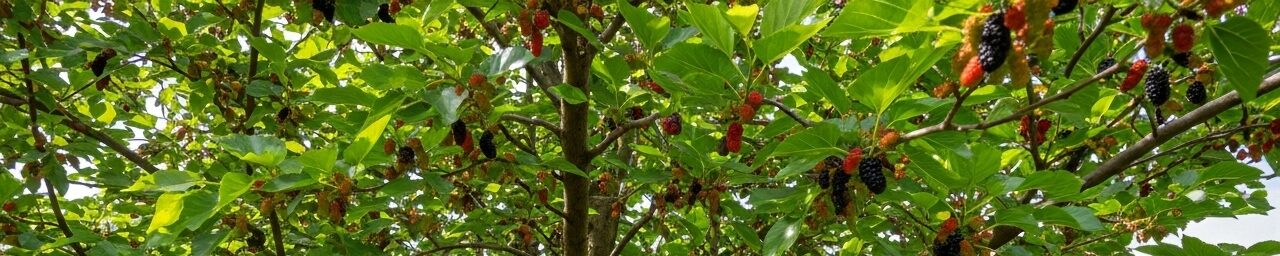
I stood under my mulberry tree last June, staring up at dozens of half-eaten berries dangling from the branches — and I actually teared up a little. I had waited three years for a truly abundant harvest. Three years of pruning, watering, mulching, and dreaming about mulberry jam, mulberry crumbles, and big bowls of fresh berries with cream. And in the span of about four days, a cheerful mob of starlings and robins had beaten me to almost every single ripe fruit on the tree. I didn’t know how to protect mulberry from birds, and it cost me the harvest I’d worked so hard for. If that story sounds painfully familiar, you are in exactly the right place.
This post contains affiliate links. As an Amazon Associate, I earn from qualifying purchases.
The good news? I figured it out the following season — and the season after that has been absolute mulberry paradise. I want to share everything I’ve learned so you don’t lose a single precious berry to your feathered neighbors. And yes, we’re going to do this without hurting them. Birds are wonderful creatures and a healthy garden ecosystem depends on them. We just need some gentle, humane boundaries.
Why Mulberry Trees Are Basically a Bird Buffet
Here’s the thing about mulberries that makes bird protection genuinely tricky: the fruit ripens gradually and over a long window, sometimes four to six weeks. Unlike a blueberry bush you can tent overnight, a mulberry tree — especially a mature one — keeps putting out ripe fruit all season long. Birds figure this out fast. Once they discover your tree, they come back multiple times a day, every single day. Robins, starlings, cedar waxwings, mockingbirds — they will all show up, and they will bring friends.
The berries also ripen at different rates on different parts of the tree, so birds are constantly scouting for the newest ripe clusters. By the time you walk outside with your colander, they’ve already been through the ripe sections twice that morning. I learned this the hard way during my heartbreaking lost harvest year. I kept telling myself I’d pick “tomorrow when there were more ripe ones.” The birds never waited for tomorrow.
How to Protect Mulberry From Birds: Your Best Options
There are two main strategies that actually work: physical barriers and visual deterrents. Ideally, you’ll use a combination of both. Let me walk you through each one honestly, including what worked for me and what didn’t.
Physical Netting: The Most Reliable Defense
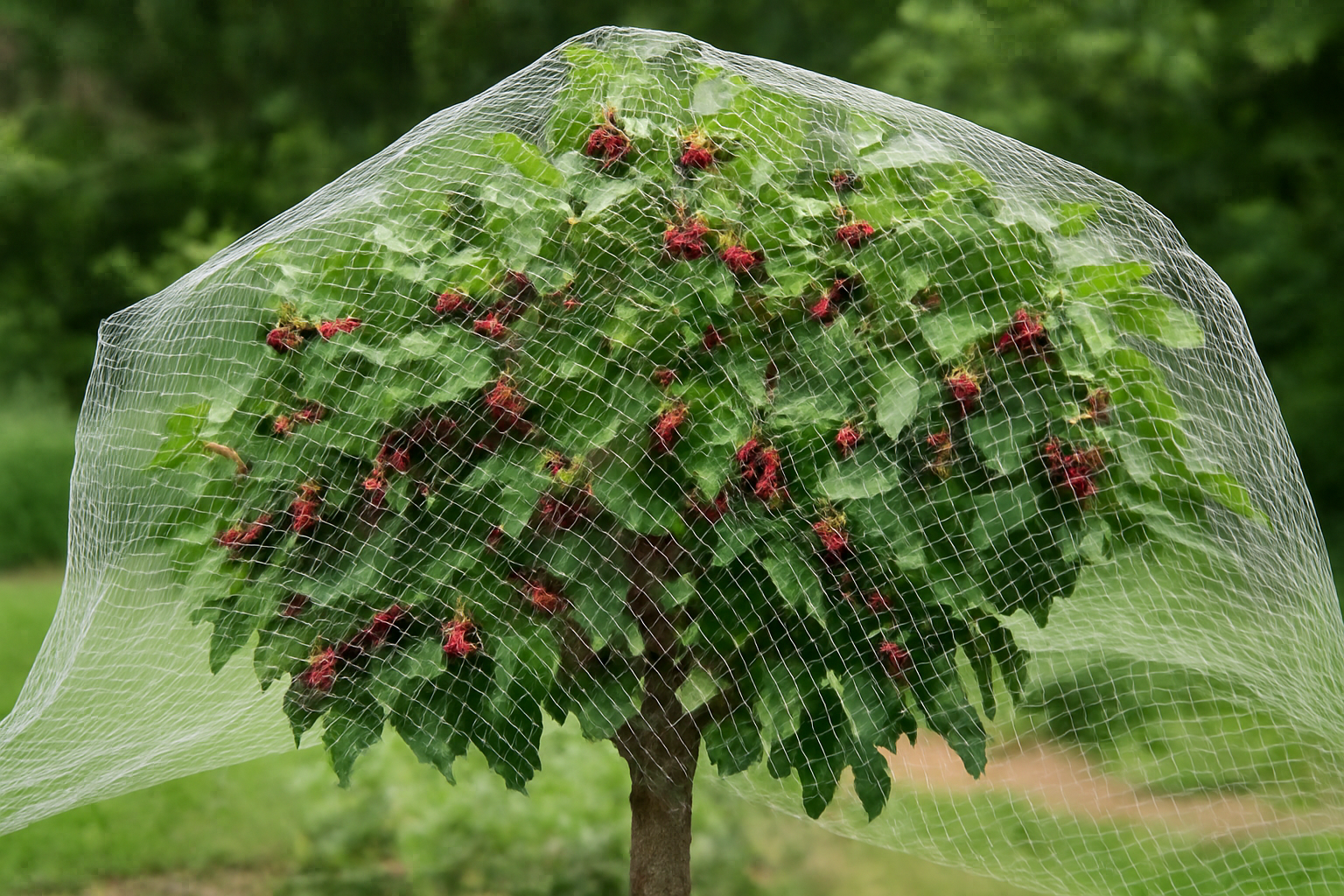
Netting is the gold standard for protecting fruit trees from birds, and mulberries are no exception. The key is choosing the right netting and applying it correctly. Here’s what I’ve learned:
- Cover before the fruit colors up. Don’t wait until you see ripe berries. By then, the birds already know about your tree. Drape netting while the berries are still small and green.
- Secure the bottom. Birds are clever. They will find gaps along the ground or low branches and walk right underneath loose netting. Use landscape staples or clip the edges together to close any openings.
- Leave room for air and growth. Don’t press the netting tightly against the branches. A little clearance reduces the chance of birds pecking through the mesh or getting tangled.
- Check daily for trapped birds. Even with the best setup, a bird may occasionally get inside. Check morning and evening and release any visitors gently.
For smaller or younger mulberry trees, a standard garden netting panel works beautifully. For larger, more established trees, you’ll want something with more coverage and durability.
Visual Deterrents: A Helpful Supporting Layer
Reflective tape and scare tape won’t replace netting on a heavily trafficked tree, but they genuinely help — especially early in the season before birds have fully committed to your tree as a food source. The flashing, unpredictable light and movement makes birds uneasy and interrupts their feeding patterns. I use it as a first line of defense while the netting is going up, and I keep some strips running through the canopy all season as extra insurance.
Hang strips from branches so they move freely in the breeze. Replace or reposition them every few weeks, because birds do eventually habituate to stationary deterrents. Moving them around keeps things feeling unpredictable.
Tools That Help: My Recommended Products
After a lot of trial and error — and yes, one truly devastating lost harvest — here are the products I actually trust and use myself.
Netting Options
For a younger or mid-sized mulberry tree, the Sukh Garden Bird Netting (13x33ft) is a fantastic starting point. It’s lightweight, easy to drape, and the mesh size is small enough to keep even small birds out without trapping them. I used this the season after my disaster year and it made an immediate difference.
If your tree is bigger or you want to protect a row of trees or a longer section of garden, the Feitore Deer and Bird Protection Netting (7x100ft) gives you serious coverage. It’s reusable, durable, and the extra length is genuinely useful for larger trees with sprawling canopies.
For those who want heavy-duty reliability with everything included, the Heavy Duty Anti Bird Netting (13x40ft) with ties and landscape staples is worth every penny. The included staples are a game-changer for securing the base — that’s the step most people skip, and it’s the step that matters most.
Reflective Scare Tape
For visual deterrents, I keep two rolls on hand throughout the season. The KOKMEYA Bird Scare Reflective Tape (262 feet) is an incredible value — that roll lasts me two full seasons. It’s double-sided and holds up well outdoors even through rain and wind.
I also really like the De-Bird Scare Tape (125ft roll) for hanging in the upper canopy where longer strips catch the breeze and create that erratic flashing movement that birds find so unsettling. It’s weatherproof and reusable, which matters when you’re using it all season long.