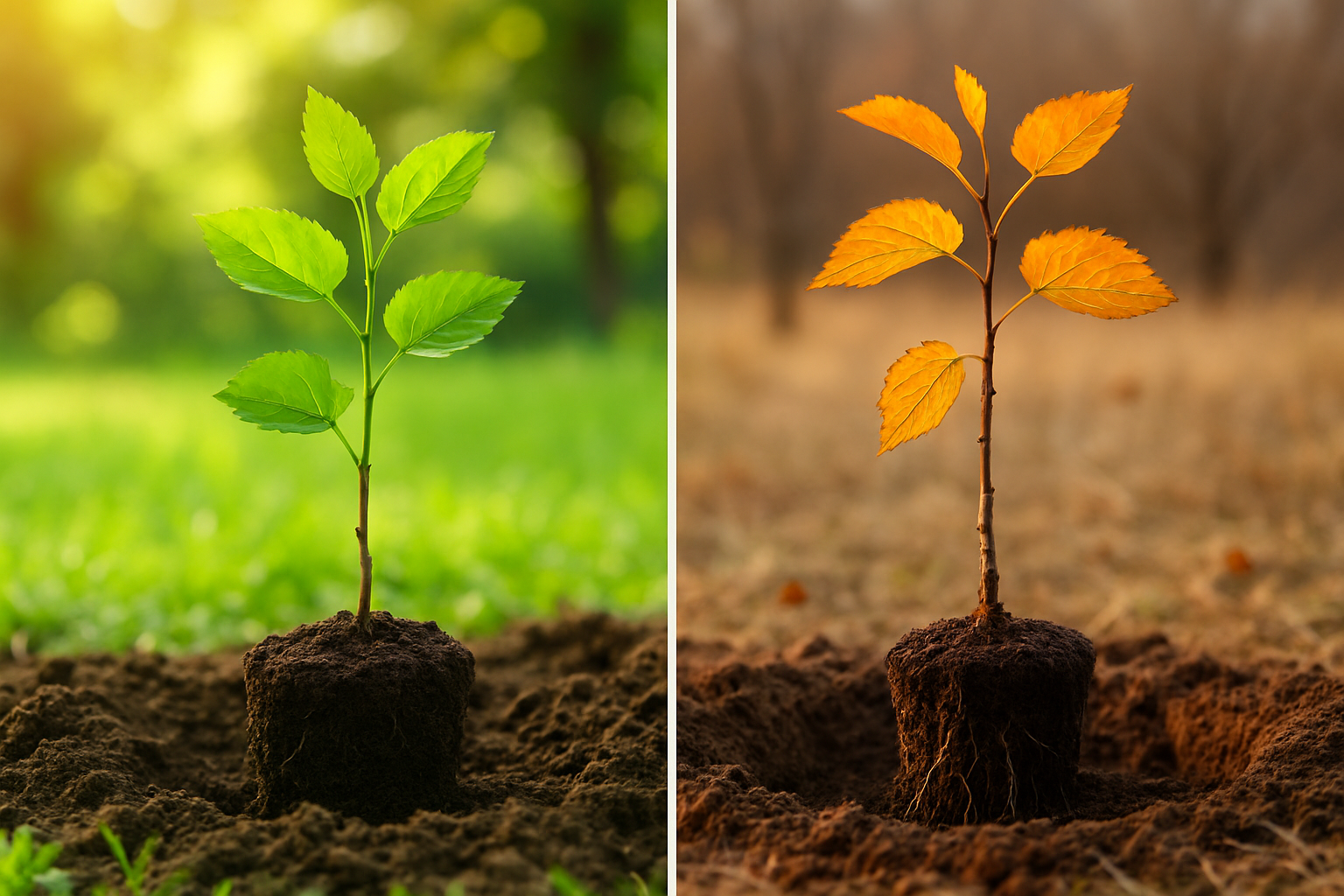
I planted my first mulberry tree in August. In Florida. During a heat wave. With no root stimulator, no mulch, and approximately zero research into when to plant a mulberry tree. I just dug a hole, dropped the sapling in, watered it once, and walked away feeling like an absolute gardening genius. Two weeks later, it looked like a sad bundle of sticks someone had halfheartedly shoved into the ground — which, to be fair, is exactly what it was.
The worst part? I had read a guide. One guide. It said “mulberries are tough and adaptable,” and I took that to mean “mulberries are basically indestructible and you can do whatever you want.” Reader, that is not what it means.
This post contains affiliate links. As an Amazon Associate, I earn from qualifying purchases. This helps keep Magnificent Mulberries running so I can keep making well-intentioned mistakes and reporting back to you.
Why Most Guides Get the “When to Plant Mulberry Tree” Question Wrong
Here’s the problem with most planting guides: they give you a general rule — “plant in spring or fall” — and call it a day. And technically, that’s not wrong. But it skips the part that actually matters, which is why those windows work, and what happens when your specific situation doesn’t fit the template. Understanding the reasoning is what turns a dead stick in the ground into a thriving mulberry tree.
The real goal when transplanting any tree is to minimize stress. A mulberry tree being moved from a nursery pot into the ground is experiencing a shock to its root system. Your job is to give it the best possible conditions to recover and establish before it faces anything difficult — like summer heat, drought, or a hard freeze.
The Case for Spring Planting
Spring is the classic recommendation for good reason. As soil temperatures warm up, root activity increases naturally. Your tree gets a full growing season ahead of it to establish before winter. If you’re in a cooler climate — think USDA zones 4 through 6 — spring planting after the last frost is usually your best bet. Aim for soil temps consistently above 50°F, and plant early enough that the tree isn’t immediately hit by summer heat stress.
The Case for Fall Planting
Fall planting is honestly underrated, and for warmer climates, it can actually be the better choice. When you plant in fall — typically six to eight weeks before your first expected frost — the tree puts all its energy into root development rather than pushing out new leaves and growth. Cooler air temperatures reduce stress, and winter rains often mean you’re watering less. In zones 7 through 10, fall planting frequently outperforms spring because you skip the brutal summer heat entirely during the establishment phase.
Which brings me back to my August disaster. Florida. Zone 9b. Peak summer. I had picked the single worst possible window in the entire calendar year. The tree wasn’t being “tough and adaptable” — it was desperately trying to survive in hundred-degree heat with a compromised root system and an owner who thought one watering was sufficient.
What to Actually Do When You Plant Your Mulberry Tree
Okay, so you’ve picked your window — either late spring after the last frost or early-to-mid fall before a hard freeze. Here’s what actually matters during planting:
- Dig a wide hole, not just a deep one. The hole should be two to three times the width of the root ball. Roots spread out, not down, in the early stages. Give them room to grow into loosened soil.
- Use a root stimulator at planting time. This is the step I skipped and absolutely should not have. A good root stimulator encourages fast root establishment and dramatically reduces transplant shock.
- Water deeply and consistently for the first few weeks. Not a splash and walk away. Deep, slow watering that reaches the root zone. New trees need consistent moisture to establish — daily watering in hot conditions, every few days in cooler weather.
- Mulch around the base. A three-to-four inch ring of mulch around the base of the tree (kept away from the trunk itself) helps regulate soil temperature, retain moisture, and suppress weeds. This is genuinely one of the highest-impact things you can do for a newly planted tree.
- Don’t fertilize heavily right away. Stick to a root-focused starter solution rather than a heavy nitrogen fertilizer early on. Too much top growth too fast can actually stress a tree that’s still trying to establish its roots.
Tools and Products That Actually Help
After my August catastrophe, I did a lot of research and — eventually — a lot of things right. Here’s what I now keep on hand for any tree planting, mulberry or otherwise.
Root Stimulators
I cannot stress this enough: use a root stimulator at planting time and for the first several weeks after. It genuinely makes a difference. My current favorites are the Fertilome Root Stimulator & Plant Starter Solution (32 oz) for smaller jobs and the Fertilome Root Stimulator (1 gallon) when I’m planting multiple trees or know I’ll be using it through a full season. The 4-10-3 formula is specifically designed to push root development without overloading new transplants with nitrogen. If you prefer a more widely available option, the Miracle-Gro Quick Start Planting and Transplant Starting Solution is a solid choice and easy to find.
Mulch
For mulching around newly planted trees, I really like using small bark chips. They break down slowly, look tidy, and do a great job of moisture retention. The Soil Sunrise 100% Natural Pine Bark Mulch Nuggets (30 Quarts) are fantastic for outdoor use around the base of trees. If you have a potted mulberry or you’re working in a more contained space, the Houseplant Mulch Small Bark Wood Chips (8 Quarts) work beautifully for container situations.
The Happy Ending (And What It Means for You)
So what happened to my sad August stick-tree? I did not give up on it, which I think deserves some credit. I read actual research, bought a root stimulator, started deep-watering every single day, and built a thick mulch ring around the base to help the soil retain moisture