The Benefits of Compact Varieties
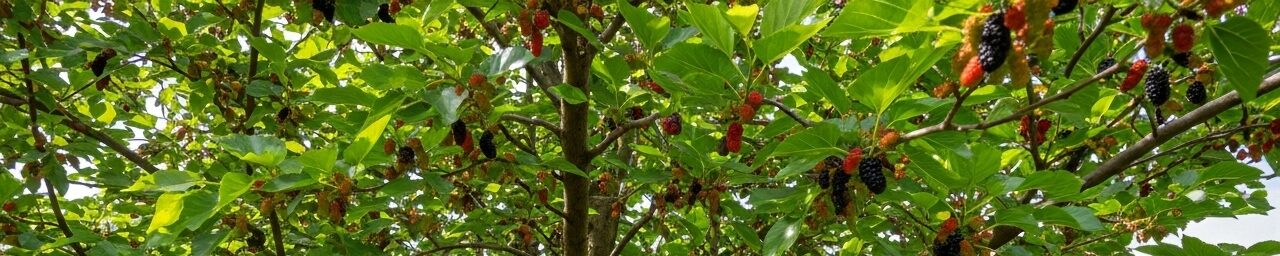
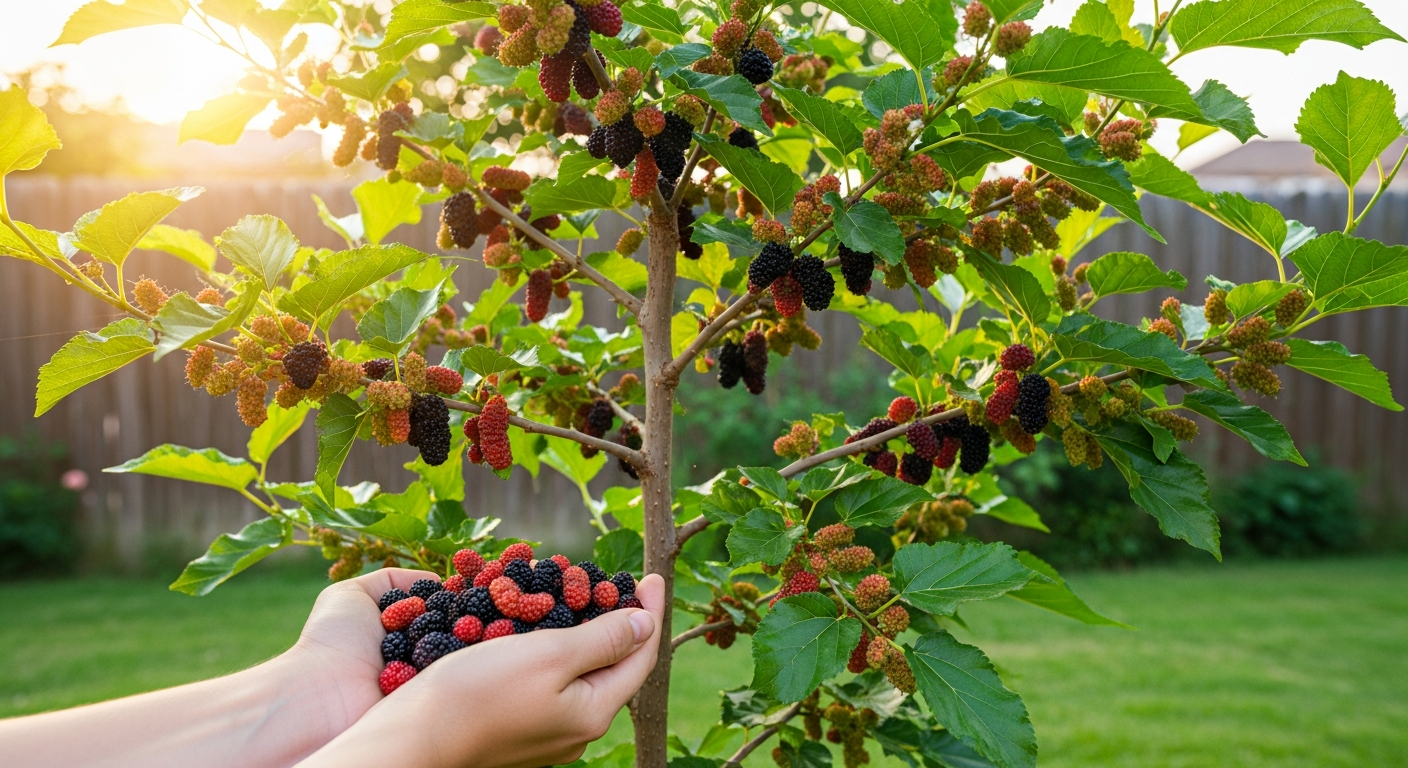
Growing dwarf mulberries changes the game for urban gardeners. Furthermore, you do not need a massive orchard to enjoy fresh berries. These resilient plants produce sweet fruit continuously throughout the growing season. Consequently, even a small balcony can become a productive food forest.
If you’re ready to start growing your own compact mulberry trees and maximizing fruit production in limited spaces, having the right supplies makes all the difference in your success. Starting with a pack of dwarf everbearing mulberry plants gives you multiple trees to experiment with different locations or share with fellow gardening enthusiasts. For container growing, you’ll want to invest in a quality Nursery Gallon pot that provides the 15 to 20 gallon capacity these productive trees need to establish strong root systems. If you’re planning to start from cuttings or grow multiple trees, the RunNico 50pcs Plastic deep nursery pots are perfect for developing young plants before transplanting them into larger containers. The soil you choose is absolutely critical for fruit production, so consider using a specialized bag of citrus tree potting soil mix that provides the well-draining yet moisture-retentive properties mulberries love. To keep your trees fed throughout the growing season, Osmocote Smart-Release Plant food delivers a steady supply of eleven essential nutrients that support continuous berry production. Pruning is essential for maximizing yields, and a quality pair of Fiskars Bypass Pruning shears makes clean cuts that help your trees produce abundant new fruiting growth. Supplementing your soil with organic amendments like a bag of kelp meal adds trace minerals and growth hormones that naturally boost plant health and fruit quality. Another excellent organic option is Back Roots Organic worm castings, which improve soil structure while providing gentle, long-lasting nutrition for your container-grown trees. Improving drainage in your potting mix is easy when you add Quart Organic Perlite to create the airy root environment that prevents waterlogging and encourages vigorous growth. Finally, for gardeners who want to give their mulberry trees a powerful organic boost, a bag of composted chicken manure provides rich nutrients that support both lush foliage and abundant fruit production throughout the season.
The flavor profile of home-grown mulberries is intense and sweet. In fact, the taste far exceeds what you might find in grocery stores. Additionally, these berries are packed with antioxidants and vitamins. Therefore, cultivating your own tree provides significant health benefits alongside the delicious harvest.
Choosing the Right Environment
Potted culture is perfect for these compact varieties. Ideally, choose a container that holds at least 15 to 20 gallons of soil. Additionally, ensure the pot has adequate drainage holes to prevent root rot. This setup allows you to move the tree to follow the sun.
Sunlight is the most critical factor for fruit production. Therefore, position your tree where it receives full sun for at least six hours daily. Moreover, high-quality potting mix ensures the roots get necessary nutrients. Specifically, look for soil that drains well but retains some moisture.
Key Environmental Factors:
- Sun Exposure: 6 to 8 hours of direct light.
- Soil Type: Loamy, well-draining, and nutrient-rich.
- Airflow: Good circulation prevents fungal issues.
Pruning for Maximum Yield
Strategic pruning significantly boosts your overall harvest. Unlike standard trees, dwarf mulberries thrive when trimmed aggressively. For example, pruning branches back after a fruiting cycle encourages new growth. Subsequently, this fresh growth produces the next round of berries.
Always make your cuts just above a leaf node. In addition, try to keep the center of the tree open. This technique allows sunlight to penetrate the inner canopy. As a result, fruit ripens evenly across the entire plant rather than just on the tips.
Advanced Care and Feeding
Consistent moisture is vital during the fruiting season. However, avoid letting the soil become waterlogged or swampy. Meanwhile, feed your tree with a balanced, slow-release fertilizer. Ideally, apply this nutrition in early spring to jumpstart growth.
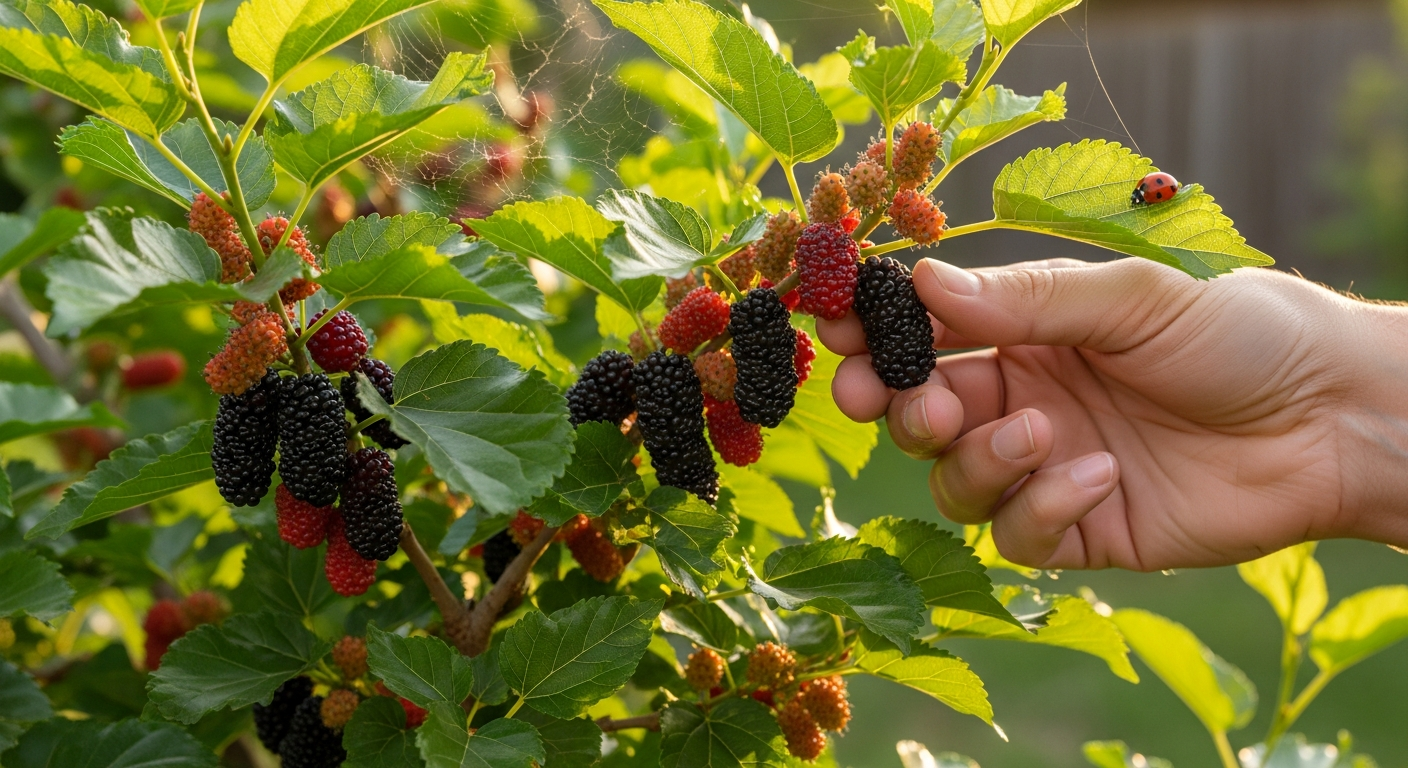
Finally, monitor your tree for common pests like spider mites. Fortunately, these trees are generally hardy and resistant to disease. Harvest berries when they turn a deep, rich purple or black. At this stage, the sugar content is at its absolute peak.
Selecting the Right Variety
Choosing the right mulberry variety is crucial for success. Compact or dwarf varieties, such as the ‘Illinois Everbearing’ or ‘Dwarf Girardi’, are specifically bred for small spaces. These types produce abundant fruit while maintaining a manageable size. When selecting a variety, consider the climate and soil conditions, as some mulberries thrive better in specific environments.
Optimizing Soil and Nutrients
Creating the Perfect Soil Structure
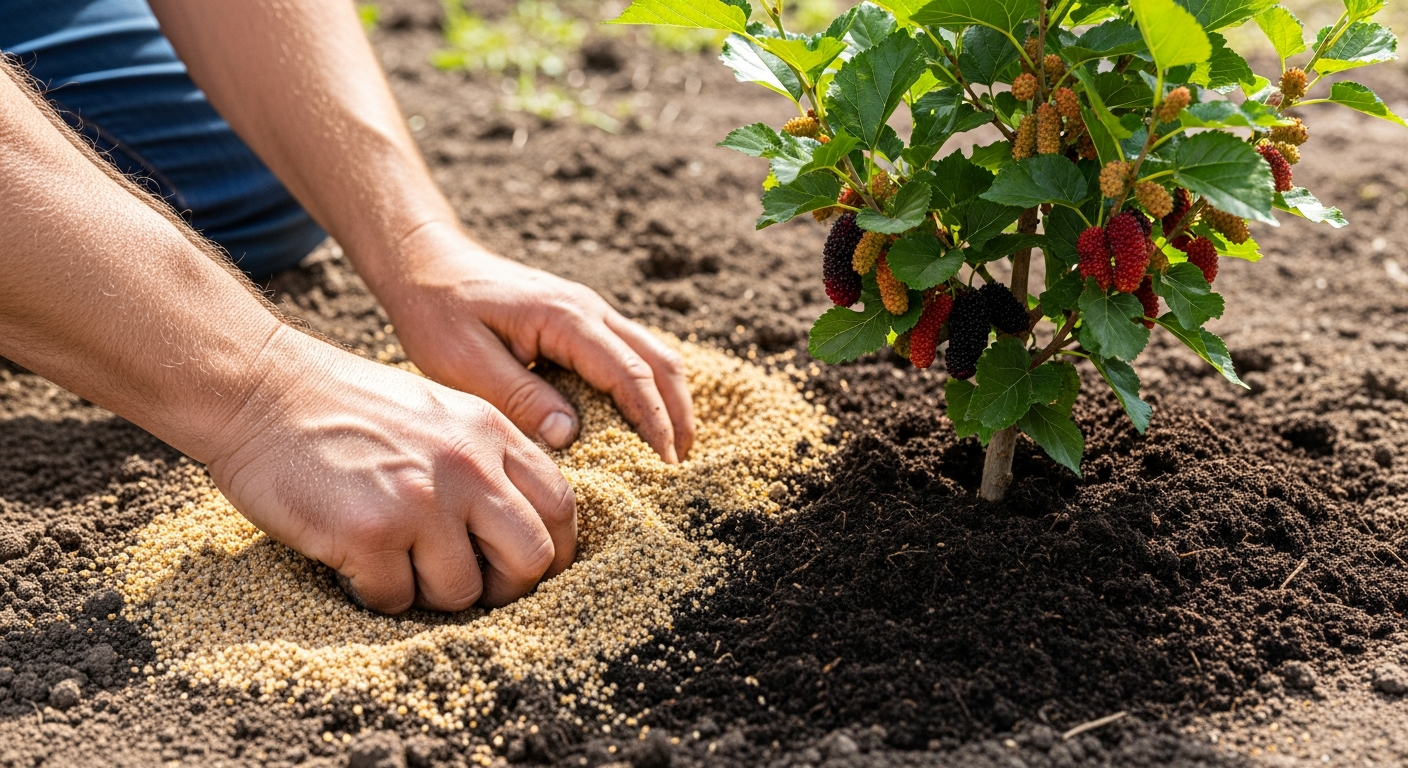
Dwarf mulberry trees thrive best in loose, loamy earth. Drainage is absolutely critical for their long-term root health. Consequently, heavy clay soils can easily suffocate delicate root systems. To prevent root rot, you must amend dense soil types. Simply mix in perlite, coarse sand, or gypsum. These additives improve aeration and water flow immediately. Furthermore, raised beds offer an excellent solution for poor ground conditions. They allow you to control the soil composition completely. As a result, your tree establishes a strong foundation much faster.
Building Nutrient-Dense Soil
Organic matter acts as the biological lifeblood of your garden. Therefore, incorporating compost creates a lasting nutrient reservoir for the tree. You should aim for a dark, rich, and crumbly texture. Additionally, aged manure provides a steady, slow-release nitrogen source. This supports vigorous leafy growth early in the spring season. However, avoid using fresh manure, as it can burn young roots. Instead, choose well-rotted cow or chicken manure for safety. Worm castings are another secret weapon for high yields. They introduce beneficial microbes to the soil ecosystem.
The Power of Potassium
Potassium plays a starring role during the flowering phase. It directly influences the size, sweetness, and quantity of the berries. Consequently, a deficiency here often leads to lackluster harvests. To boost levels naturally, try applying kelp meal around the base. This organic option is packed with essential trace minerals. Alternatively, wood ash can supply a quick potassium fix. Just use it sparingly to avoid altering soil pH too drastically. Moreover, liquid seaweed extracts work wonders as a foliar spray. This method delivers nutrients directly to the leaves for absorption.
Balancing pH and Moisture
Finally, soil acidity affects how well trees absorb nutrients. Dwarf mulberries generally prefer a slightly acidic to neutral pH. Specifically, aim for a range between 6.0 and 7.0. If your soil is too acidic, simply add garden lime. Conversely, elemental sulfur lowers the pH of alkaline soils. Once balanced, apply a thick layer of organic mulch. For example, wood chips or straw work perfectly. This protective layer retains moisture and suppresses competitive weeds. Thus, your tree focuses all its energy on fruit production.
Consistent Watering Practices
The Importance of Hydration
Hydration is the secret to a bumper crop. Dwarf mulberry trees rely heavily on consistent moisture to thrive. Without it, they cannot support a heavy fruit load. Consequently, the tree prioritizes survival over production. This leads to disappointing harvests for the gardener.
Water stress triggers an immediate biological response. The tree will shed immature berries to save energy. Therefore, you must intervene before the soil dries out completely. This ensures every blossom has a chance to ripen into a sweet berry.
Critical Watering Phases
Spring is the most critical time for hydration. As flowers emerge, the demand for water increases significantly. Additionally, the fruit expansion phase requires steady intake. Inconsistent watering during these weeks causes smaller, tart berries.
Pay close attention to your local weather patterns. Hot, windy days strip moisture from the leaves rapidly. Thus, you may need to water daily during heatwaves. Deep watering is superior to frequent shallow sprinkling. It encourages roots to grow downward for stability.
Checking Soil Moisture
Never guess when it comes to irrigation. Instead, use the simple finger test. Insert your finger two inches into the soil. If it feels dry, it is time to water immediately.
Potted dwarf trees present unique challenges. They dry out much faster than ground-planted ones. Furthermore, black plastic pots can heat up quickly in the sun. You should check pots daily during summer months. If the soil pulls away from the pot’s edge, it is too dry.
The Power of Mulch
Mulch acts as a protective barrier for delicate roots. It drastically reduces evaporation rates on hot days. Moreover, it moderates soil temperature fluctuations. This keeps the root zone cool and efficient.
Apply a two-inch layer of organic material. Good options include:
- Straw
- Wood chips
- Pine bark
- Compost
However, keep the mulch a few inches away from the trunk. This prevents rot and allows the base to breathe.
Avoiding Root Rot
Balance is just as important as volume. Do not create a swamp. Continuously soggy soil leads to root rot quickly. As a result, leaves may turn yellow and drop off.
Ensure your planting site has excellent drainage. If growing in containers, verify that drainage holes are clear. Finally, allow the top inch of soil to dry slightly between waterings. This cycle promotes healthy oxygen exchange for the roots.
Companion Planting for Soil Health
The Power of Plant Guilds
Dwarf mulberry trees are notoriously heavy feeders, requiring significant nutrients to produce abundant fruit. Consequently, relying solely on standard fertilizers can become expensive and labor-intensive over time. Instead, gardeners should establish a supportive plant guild around the tree’s base. This strategy mimics natural forest ecosystems, creating a self-sustaining environment for your fruit production. Furthermore, it maximizes limited space, which is ideal for the compact nature of dwarf varieties.
Nitrogen-Fixing Powerhouses
Nitrogen is essential for leafy growth and overall vigor. Therefore, planting nitrogen-fixers is a game-changer for your orchard. White clover is an excellent choice for this specific purpose. It acts as a living mulch, suppressing weeds while capturing atmospheric nitrogen. Additionally, the plant’s roots release this vital nutrient into the soil as they naturally decompose. As a result, your high yield dwarf mulberry tree receives a steady, slow-release supply of fertilizer.
The Role of Dynamic Accumulators
Deep-rooted plants offer another distinct layer of support for your tree. Comfrey, for instance, is widely considered the gold standard for fruit tree guilds. Its massive taproot mines minerals like potassium and calcium from deep within the subsoil. Consequently, these nutrients become available to the shallower feeder roots of the dwarf mulberry.
To utilize this benefit, practice the “chop and drop” method:
- Cut the large comfrey leaves several times a season.
- Drop the greens directly around the base of the mulberry.
- Allow the leaves to decompose, creating an instant, nutrient-dense mulch.
Pest Repellents and Pollinators
A healthy guild also actively manages pests and boosts pollination rates. Strong-smelling herbs can confuse harmful insects looking to damage your fruit. For example, planting garlic, chives, or onions creates a protective aromatic barrier. Meanwhile, flowering plants attract beneficial predators like ladybugs and lacewings. These predatory insects voraciously eat aphids and other common pests. Furthermore, flowers entice pollinators, ensuring a better fruit set for your seasonal harvest.
Designing Your Mulberry Guild
Proper spacing helps these plants work together effectively without competing for resources. Start by planting the dwarf mulberry tree as the central anchor of the bed. Next, place your herbaceous layer, such as comfrey, roughly two feet from the trunk. Finally, fill the remaining ground space with creeping ground covers like clover or wild strawberries.
Recommended Guild Layers:
- Central Element: The fruit tree.
- Herbaceous Layer: Comfrey, Yarrow, or Borage.
- Ground Cover: Clover, Strawberries, or Creeping Thyme.
- Rhizosphere (Root) Layer: Garlic, Chives, or Bulbs.
Ultimately, this layered approach locks in moisture and builds rich, dark topsoil. By mimicking nature, you ensure your dwarf mulberry thrives for years to come.
Pruning for Maximum Yield
Proper pruning techniques are vital for your dwarf mulberry tree. Without regular maintenance, these vigorous growers can quickly become messy. Consequently, fruit production often suffers in overgrown trees. You must guide the tree’s energy into making berries, not just leaves. Therefore, strategic cuts result in larger, sweeter harvests. Additionally, keeping the tree compact makes harvesting much easier.
The Best Time to Prune
Timing is everything when maintaining fruit trees. Most major structural pruning should happen during late winter. Specifically, wait until the tree is fully dormant. This timing minimizes sap loss and reduces stress on the plant. However, summer pruning also plays a distinct role.
During the warmer months, you can pinch back new growth. This encourages the tree to branch out laterally. Furthermore, it helps maintain the dwarf stature of the tree. Consequently, you get a bushier plant with more fruiting sites.
Strategic Cutting Techniques
Start by identifying the “Three Ds” of pruning. You must remove dead, damaged, or diseased wood immediately. Next, look for crossing branches that rub against each other. These friction points can create wounds where pests enter. Therefore, cut the weaker branch to prevent future infection.
Also, pay attention to inward-growing branches. These limbs block essential airflow and light. Instead, aim for an open, vase-like shape. As a result, sunlight reaches the center of the canopy. This exposure ensures that inner fruit ripens evenly.
Improving Airflow and Health
Dwarf mulberries are generally hardy, but they dislike stagnant air. A dense canopy traps moisture, which invites fungal issues. For example, “popcorn disease” can ruin your harvest in humid conditions. Thus, thinning the branches is critical for disease prevention.
Make sure air circulates freely through the leaves. This drying effect prevents mold spores from taking hold. Additionally, good airflow deters common garden pests. Ultimately, a breathable canopy leads to a healthier, longer-lived tree.
Managing Dwarf Growth Habits
Dwarf varieties are grafted to stay small, but they still need help. Occasionally, vigorous shoots called “suckers” appear at the base. These steal energy from the main fruiting branches. Therefore, remove them as soon as you spot them.
Similarly, watch for vertical “water sprouts” growing straight up. These shoots rarely produce good fruit. Instead, prune them back to encourage horizontal growth. Horizontal branches are generally more productive for berry yields. Finally, keep the height reachable for easy picking.
Pest and Disease Management
Effective pest and disease management is crucial for a healthy mulberry tree. Common pests include aphids and spider mites, which can severely affect fruit production. Utilize natural predators such as ladybugs or apply organic insecticides to manage pest populations. Regular monitoring and early intervention are key to preventing infestations.
Conclusion
With the right care and techniques, compact mulberry trees can thrive in small spaces, offering abundant fruit harvests. Source By selecting appropriate varieties, optimizing soil nutrients, ensuring consistent watering, and utilizing companion planting, you can maximize fruit production. Pruning and effective pest management further enhance the tree’s health and yield potential. Implement these strategies to enjoy the full benefits of your compact mulberry tree .
If you’re ready to start growing your own compact mulberry trees and maximizing fruit production in limited spaces, having the right supplies makes all the difference in your success. Starting with a pack of dwarf everbearing mulberry plants gives you multiple trees to experiment with different locations or share with fellow gardening enthusiasts. For container growing, you’ll want to invest in a quality Nursery Gallon pot that provides the 15 to 20 gallon capacity these productive trees need to establish strong root systems. If you’re planning to start from cuttings or grow multiple trees, the RunNico 50pcs Plastic deep nursery pots are perfect for developing young plants before transplanting them into larger containers. The soil you choose is absolutely critical for fruit production, so consider using a specialized bag of citrus tree potting soil mix that provides the well-draining yet moisture-retentive properties mulberries love. To keep your trees fed throughout the growing season, Osmocote Smart-Release Plant food delivers a steady supply of eleven essential nutrients that support continuous berry production. Pruning is essential for maximizing yields, and a quality pair of Fiskars Bypass Pruning shears makes clean cuts that help your trees produce abundant new fruiting growth. Supplementing your soil with organic amendments like a bag of kelp meal adds trace minerals and growth hormones that naturally boost plant health and fruit quality. Another excellent organic option is Back Roots Organic worm castings, which improve soil structure while providing gentle, long-lasting nutrition for your container-grown trees. Improving drainage in your potting mix is easy when you add Quart Organic Perlite to create the airy root environment that prevents waterlogging and encourages vigorous growth. Finally, for gardeners who want to give their mulberry trees a powerful organic boost, a bag of composted chicken manure provides rich nutrients that support both lush foliage and abundant fruit production throughout the season.
*As an Amazon Associate, I earn from qualifying purchases.