A Fruit That Nobody Teaches You to Find
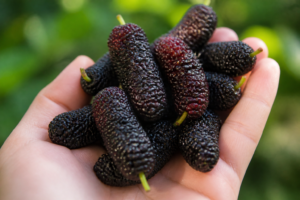
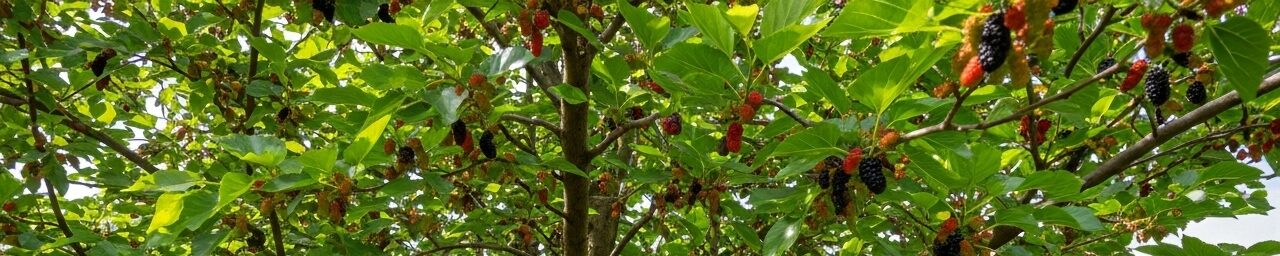
Purple stains appear on the sidewalk in midsummer. You trace them upward and spot a tree heavy with what looks like blackberry clusters. But the fruit tastes nothing like what you’d expect — nothing like the berries sold in supermarkets either. That’s because you’ve stumbled onto a mulberry, a tree so fragile and perishable that commercial agriculture gave up on it decades ago. Once it leaves the branch, the clock starts ticking. This is why nearly everyone who’s ever tasted a truly ripe mulberry found it by accident, not intention.
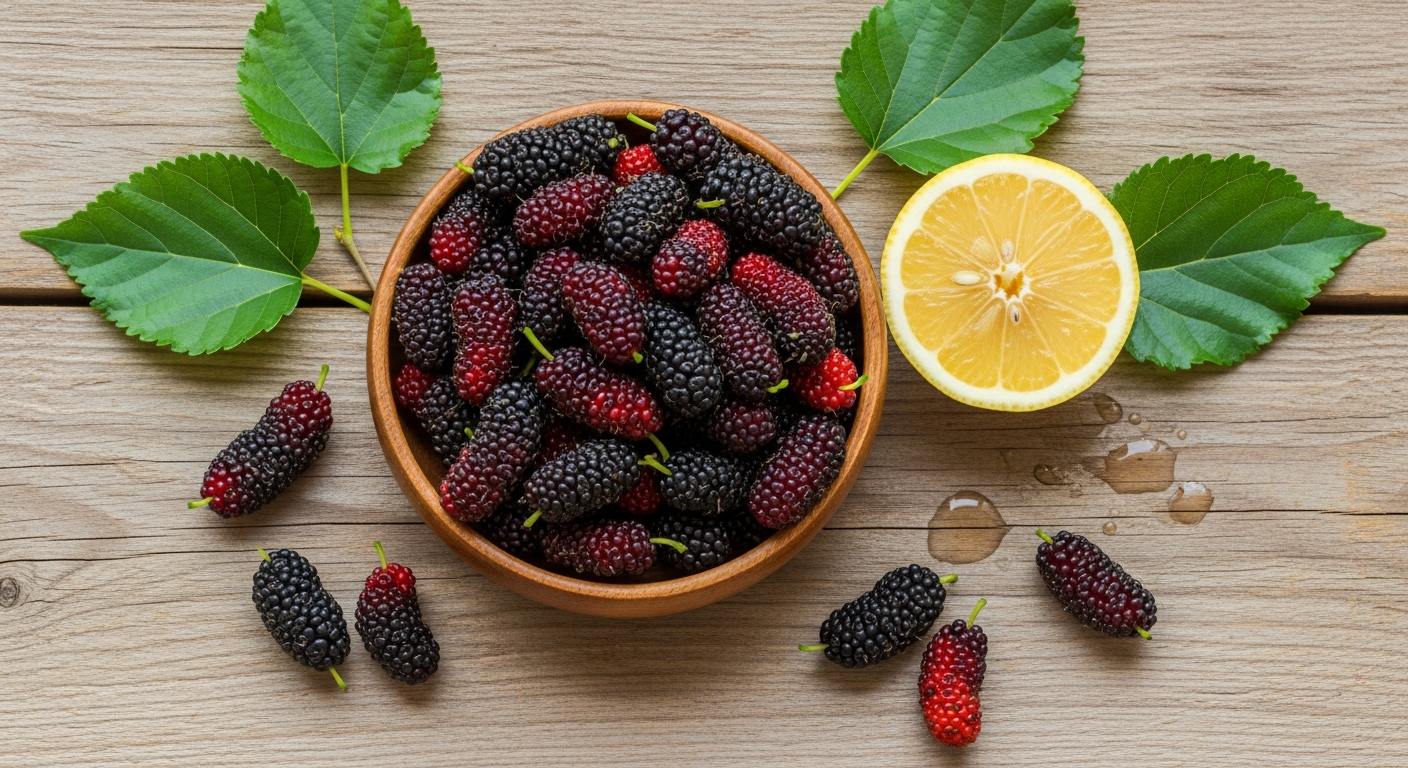
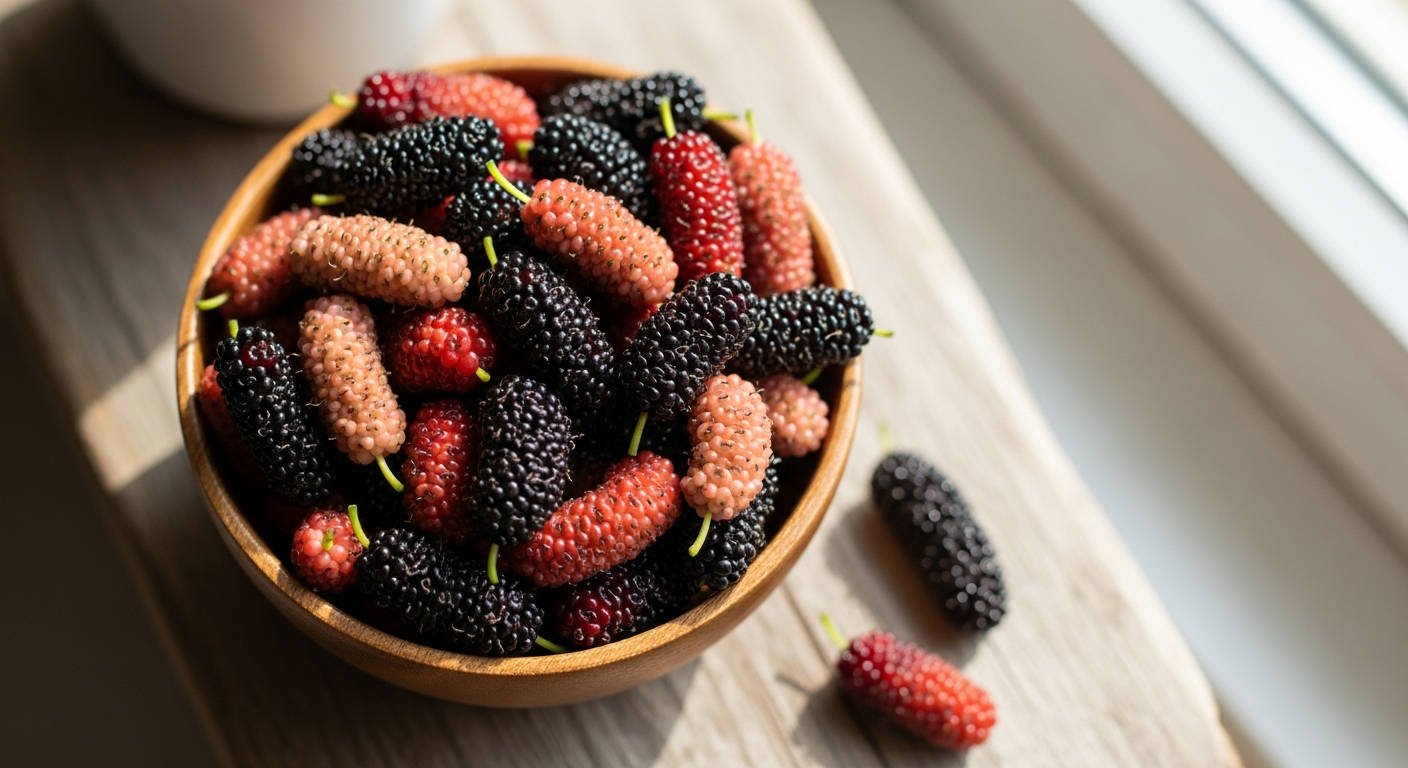
Tasting a mulberry straight from the tree jolts your palate — it’s neither blackberry nor raspberry, but something its own flavor entirely. For people who care about what they eat, this is the definition of a seasonal discovery: something you don’t buy, you hunt for. Before you can experience that taste yourself, though, you need to know where these trees hide and how to spot them when they’re actually fruiting. What follows is what I’ve learned from years of finding and picking wild mulberries in the Pacific Northwest.
Where to Locate Wild Mulberry Trees in Your Area
Silk production was the reason mulberries got planted across North America starting in the 1700s — a commercial venture that never took off, but left mulberry trees scattered all over the continent as a side effect. Today, you find them on old property lines, tucked into alleys behind century-old houses, volunteering in neglected corners of parks, or growing wild from seeds that birds dropped years ago. The tree’s real talent is thriving where nothing else will: in compacted soil, under pollution, on abandoned lots, in conditions that would kill a typical ornamental or fruit tree stone dead.
Spots that consistently produce:
- Alleys behind older neighborhoods: Birds dropping seeds into disturbed, uncared-for soil is how most alley mulberries get started, and the trees flourish in that chaotic space. I once found a glorious Black Beauty tree in an alley behind a row of Victorian houses, bursting with fruit!
- Avenues lined with aging residential homes: Before cities switched to sterile, fruitless cultivars, mulberry was the go-to street tree for fast shade and toughness. I often stroll down a tree-lined avenue in my neighborhood, and it’s like a treasure hunt—every tree has a story.
- Mature park systems and grounds around old schools: The older the landscape, the more likely it contains productive mulberries planted back when nobody worried about fruit on sidewalks. I’ve picked from a tree at an old school park that has been a favorite spot for decades.
- Borderlines between rural properties and wild edges: Rural mulberries often mark where a homestead once stood or where property boundaries were established, and they persist long after the house is gone. I’ve found some beauties along the edges of old farms, all thanks to birds doing their thing.
Reading the Leaves and Bark to Confirm Your Find
The most reliable way to confirm you’re looking at a mulberry is to study its leaves closely — specifically, their inconsistency. On a single branch, you’ll see plain heart-shaped leaves growing right next to others with one lopsided lobe, and still others with two or three lobes. That randomness, that refusal to stick to one leaf pattern, is mulberry’s weird signature. No other tree in North America does this. If you see that kind of leaf chaos, you’ve found your tree.
Other markers that clinch the identification:
- The bark texture: Mulberry develops orange-brown to grayish bark with shallow, branching ridge patterns as it ages — rougher than a young ornamental cherry would be, but nowhere near as deeply furrowed as an oak’s bark. I can spot a mulberry by its bark from a distance now!
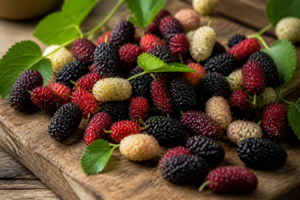
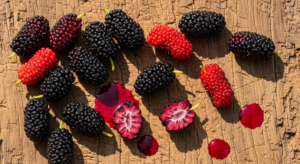
- How the fruit sits: Mulberry fruits are elongated drupelets clustered together, superficially resembling blackberries, but they grow directly from woody branches instead of thorny canes. If you see thorns and soft canes, you’ve got a bramble plant, not a mulberry.
- Whether it actually fruits: Many mulberries planted in cities are male, “fruitless” cultivars — intentionally chosen because municipalities wanted to avoid the purple-stain problem. If a tree checks every other box but shows no fruits or flower stems by early summer, it’s probably one of those sterile males. Look for a neighboring tree instead.
One thing worth mentioning: don’t sample the white, milky sap that bleeds from broken stems or unripe fruit. That latex is mildly irritating and tastes unpleasant — not dangerous in casual contact, but reason enough to snap branches cleanly rather than tearing them, and to wash your hands afterward if sap gets on your skin.
Urban and Suburban Foraging Hazards to Take Seriously
Picking wild fruit in a city or town carries different risks than foraging in a forest, and they’re worth understanding before you start:
- Trees growing over busy roads or parking areas: Fruit dangling above traffic or pavement collects exhaust particles and grime. A good rinse removes much of it, but if you have options, choose trees positioned farther back from heavily trafficked areas.
- Recent chemical applications: Municipal parks spray on schedules you won’t know about. If a tree smells chemically treated or you notice dead weeds around its base from a herbicide application, give that tree a season’s rest.
- Fruit already on the ground: Once berries fall and sit on concrete or grass, they’ve been exposed to foot traffic, dog contact, and ground-level debris. Stick to picking directly from branches and skip the fallen fruit.
- Respecting property ownership: Public parkland and truly abandoned lots are fair game for light foraging. A tree that’s plainly on someone’s private property — even if its branches reach over a fence into the street — requires permission. Always ask.
Once you’ve settled on a tree that’s healthy, actively fruiting, and positioned away from obvious pollution or spraying, harvesting becomes straightforward: ripe mulberries barely cling to the branch, so spreading a clean sheet or cloth underneath and giving the limb a gentle tug sends most fruit tumbling down. Rinse everything thoroughly before you eat it, and you’ve got access to a completely free, intensely local ingredient that no supermarket will ever stock.
Putting Your Foraged Mulberries to Use
Foraged mulberries spoil quickly — you’ll want to consume the bulk of your harvest within two or three days, then preserve the overflow through freezing or drying rather than letting it rot in cold storage.
Why a Dehydrator Changed How I Handle a Mulberry Glut
Mulberries ripen in one concentrated burst, and even eating them fresh every day for two weeks straight leaves you with piles of fruit turning soft and gray on the counter. A good dehydrator is the only preservation method I’ve found that lets you process a serious volume while keeping the intense flavor intact, without relying on sugar or heat processing that mutes that mulberry taste.
What makes it worth owning
- A full colander of berries dries down in roughly 8–10 hours at medium temperature, and what comes out tastes like concentrated mulberry candy with nothing added to it.
- Running multiple trays at once means you can move through 20 or more pounds in a single session, which actually makes a real difference in how much of your harvest you salvage instead of compost.
- The dried berries keep in a sealed jar for months, and they rehydrate beautifully stirred into yogurt, mixed into morning oatmeal, or eaten straight as a chewy snack.
What works less well
- Mulberry stains don’t come off the trays easily, so you’ll spend time cleaning after each run, and a single seed overlooked will grow mold spores on your next batch if you’re not thorough.
- It requires year-round storage space, which is a real constraint if your kitchen is tight, and the upfront cost feels hefty when you’re only using it for 4–6 weeks annually.
I almost gave up on dehydrating after the first run when I forgot to check on the trays and they came out too brittle, but a second attempt at slightly lower heat proved this tool worth every penny. If you’re serious about actually keeping your mulberry harvest instead of composting it, Magic Mill 5-Tray Food Dehydrator is non-negotiable.
Frequently Asked Questions
Why can’t you buy fresh mulberries in supermarkets?
Fresh mulberries aren’t sold in supermarkets because the tree’s fruit is so fragile and perishable that commercial agriculture gave up on it decades ago. Once a mulberry leaves the branch, the clock starts ticking. That’s why nearly everyone who has tasted a truly ripe one found it by accident rather than on purpose — you hunt for it instead of buying it.
Is the white sap from mulberry branches dangerous to touch?
Don’t sample the white, milky sap that bleeds from broken stems or unripe fruit. That latex is mildly irritating and tastes unpleasant. It isn’t dangerous in casual contact, but it’s reason enough to snap branches cleanly rather than tearing them, and to wash your hands afterward if any sap gets on your skin.
Why does the mulberry tree on my street never fruit?
Many mulberries planted in cities are male, “fruitless” cultivars, chosen intentionally because municipalities wanted to avoid the purple-stain problem. If a tree checks every other identification box — the inconsistent leaf shapes, the orange-brown ridged bark — but shows no fruits or flower stems by early summer, it’s probably one of those sterile males. Look for a neighboring tree instead.
What is the easiest way to pick wild mulberries?
Ripe mulberries barely cling to the branch, so I spread a clean sheet or cloth underneath and give the limb a gentle tug, which sends most of the fruit tumbling down. Rinse everything thoroughly before you eat it. Skip berries already on the ground, since they’ve been exposed to foot traffic, dog contact, and ground-level debris.
Keep Reading
About This Article
Written by Ruth Nakamura. Ruth Nakamura is a backyard orchardist in the Pacific Northwest who has grown mulberries for fifteen years, cultivating twelve different varieties in her own backyard. Not a horticulturist by formal training - she shares what she has learned through hands-on growing, workshops, and connecting with nurseries and growers across the country. More about this site.
Scope and limits. Ruth is a backyard orchardist without formal horticultural training. Growing conditions vary enormously by region, so confirm variety, timing, and pest guidance with your local extension service.
Verify this against a primary source
Specifics change, and your situation may differ from the one described here. These are the authorities worth checking directly:
- USDA Plant Hardiness Zone Map — zone verification for your location
- Oregon State University Extension — fruit growing and pruning research
- USDA PLANTS Database — species range and identification