Table of Contents
- Unlocking the Mulberry: A Journey from Sweet to Tart
- What is a Mulberry and Why Should You Try It?
- A Sneak Peek into the Mulberry Flavor Spectrum
- From Branch to Bowl: Best Practices for Harvesting and Using Mulberries
- How to Know When Mulberries Are Ripe for Picking
- Tips for Cleaning and Storing Your Fresh Haul
- Sweet Sensations: Culinary Uses for Sweet Mulberries
- Simple Pleasures: Enjoying Mulberries Raw and in Desserts
- The Ultimate Homemade Mulberry Jam vs. Pie Filling Taste Test
- Crafting Delicious Mulberry Syrup and Cordials
- Embracing the Pucker: Tart Mulberry Recipes and Cooking Tips
- How to Balance Tartness in Mulberry Dishes
- Beyond the Bake Sale: Surprising Savory Dishes Using Mulberries
- Creating a Vibrant Mulberry Vinaigrette or Glaze
- More Than Just Taste: Mulberry Health Benefits and Flavor Notes
- The Link Between Color, Flavor, and Antioxidants
- Your Mulberry Culinary Adventure Begins
Unlocking the Mulberry: A Journey from Sweet to Tart
Most people think mulberries are either nonexistent or forgettable—just another wild fruit nobody bothers with. In reality, these berries are a kitchen secret waiting to be unlocked, and their flexibility is what makes them genuinely useful. Walk past a loaded tree in summer and you’re passing by ingredients for jam, cordial, sauce, and savory glazes, all depending on how ripe the fruit actually is when you pick it. This guide walks you through that spectrum, from the mechanics of harvest to recipes for sweets, syrups, sharp condiments, and everything in between.
What is a Mulberry and Why Should You Try It?
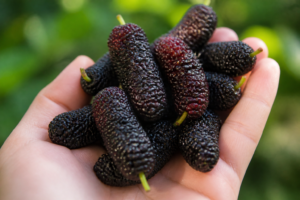
The mulberry tree, belonging to the Morus genus, produces a fruit that resembles an elongated blackberry at first glance—but the taste is something else entirely. Historically, these trees existed primarily as silkworm food; the leaves were the real commodity, and the berries were an afterthought that nobody particularly marketed or valued. That’s changing among people who actually grow them.
There are several compelling reasons to seek them out. The flavor itself sits nowhere on a conventional fruit spectrum—it’s not quite raspberry, not quite blackberry, holding something closer to a jammy, complex berry all its own. Nutritionally, they’re loaded with vitamin C, iron, and compounds linked to real health benefits. And because they often thrive wild in neighborhoods and parks, you can forage them for nothing more than the time to pick. It’s the closest thing to wild, free produce with actual substance.
A Sneak Peek into the Mulberry Flavor Spectrum
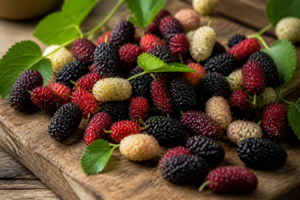
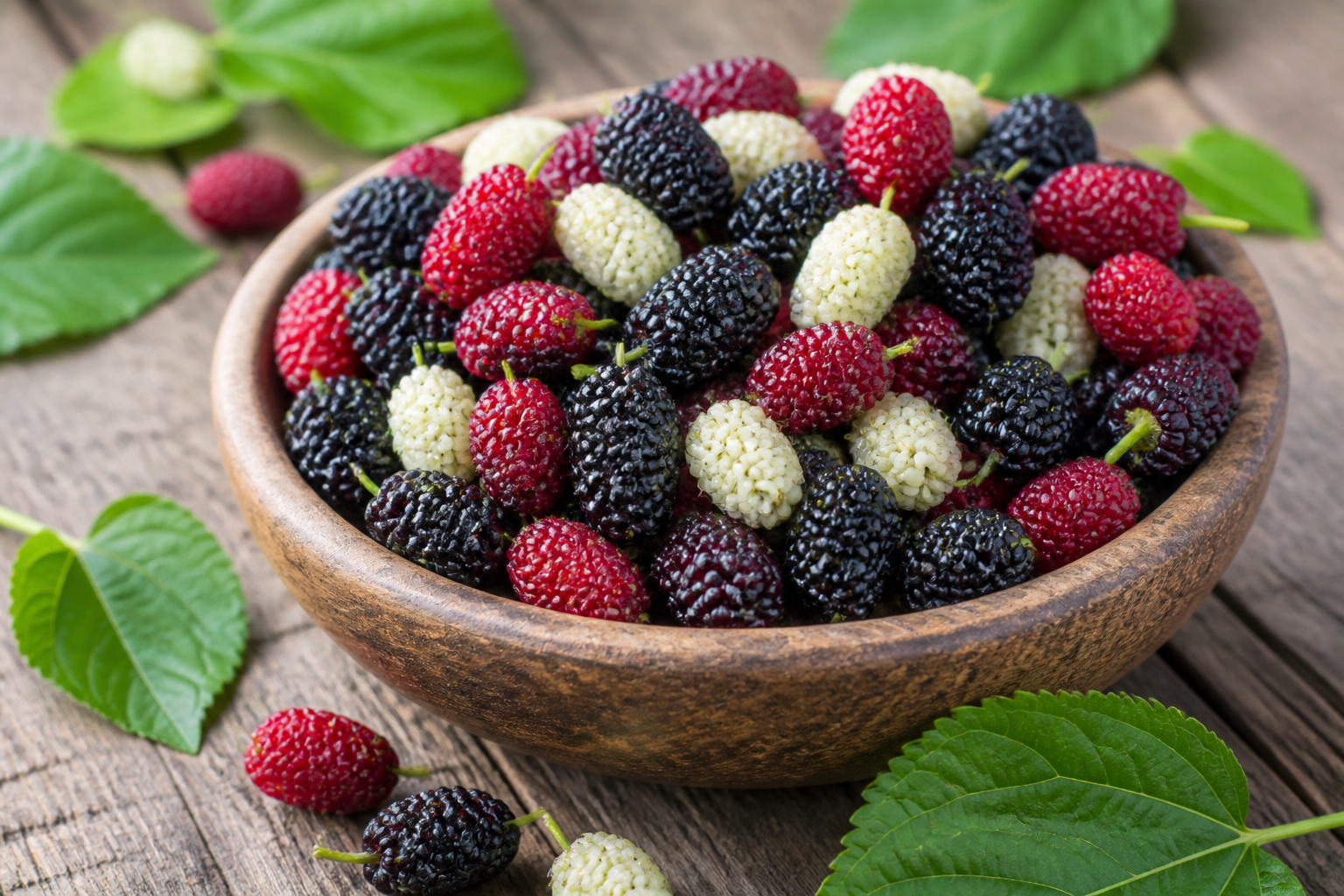
This is where the real story begins. A ripe black mulberry sitting on a cutting board wants nothing to do with how you’d treat an underripe red one—the black begs to be collapsed into pie filling or jam, dense and jammy and nearly syrup-like on its own. The tart, less-developed berry, though? That one does better work as the backbone of a meat glaze or vinaigrette, where its sharpness cuts through fat and richness in ways the sweet version never could. The second you stop seeing mulberries as just “something to eat off the branch” and start thinking strategically about what each berry actually does in the kitchen, an entire range of projects becomes possible. Let’s dig into what you can actually build with them.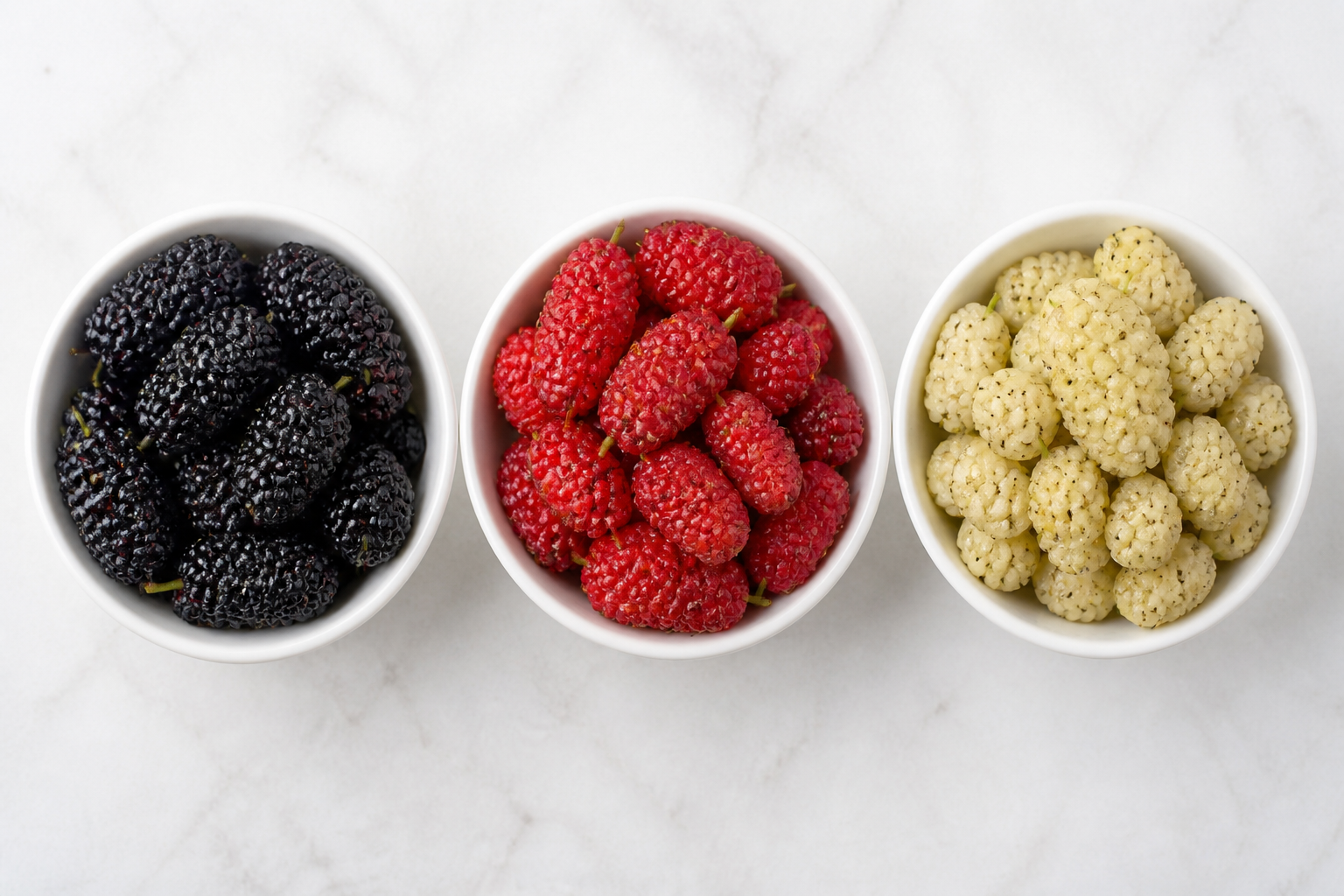
From Branch to Bowl: Best Practices for Harvesting and Using Mulberries
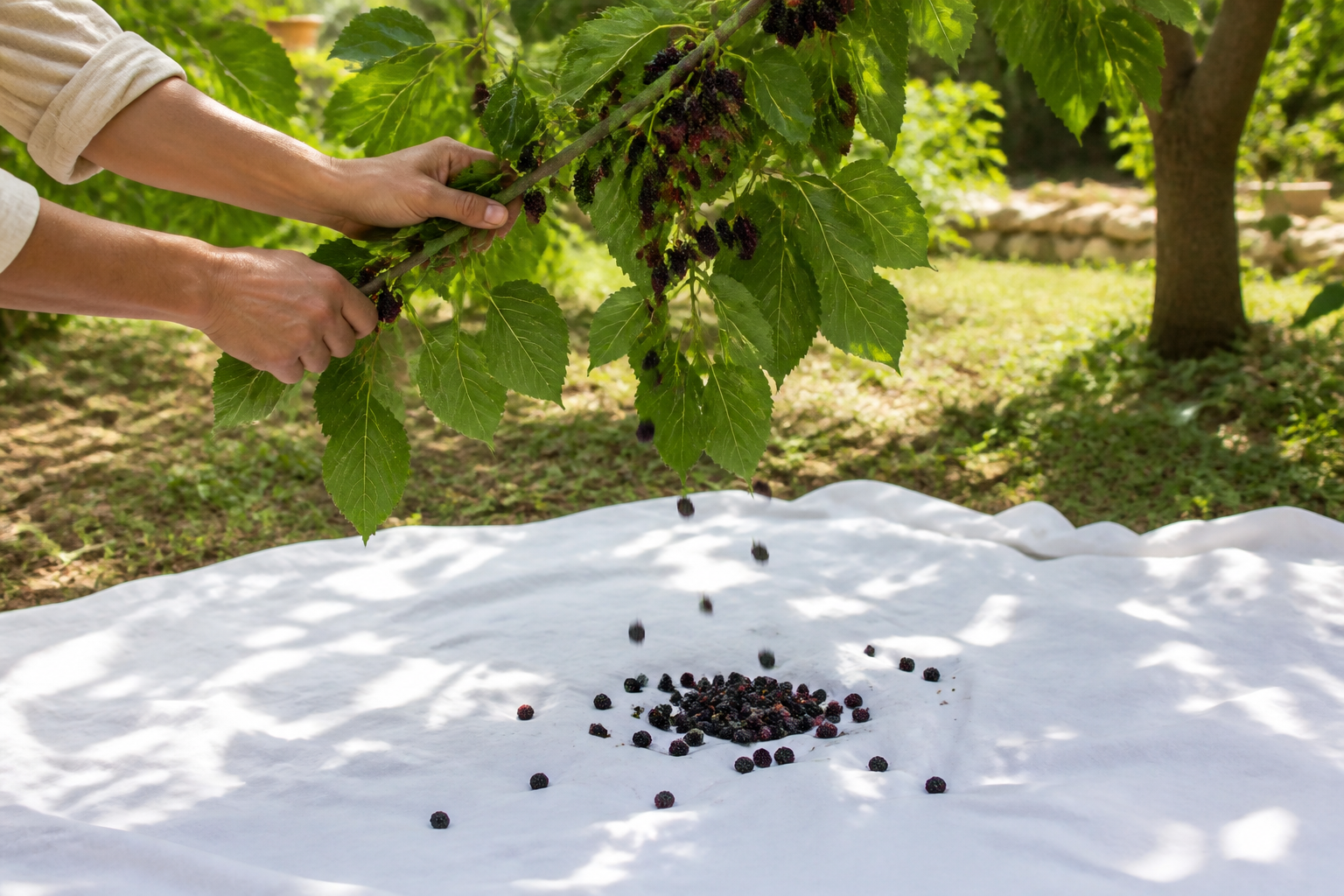
The mulberries you harvest yourself will always outperform anything you could buy. The process is straightforward and satisfying when you know what to look for and how to handle the fruit with care.
How to Know When Mulberries Are Ripe for Picking
The simplest harvest method is to let gravity do most of the work. A berry that’s truly at its peak will release from the branch with barely more than a light touch or a subtle shake.
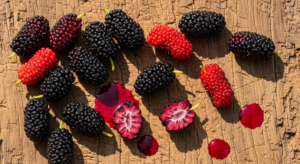
- Color is the First Signal: Dark, saturated tones across black and red varieties signal ripeness; white ones may stay pale cream or turn a subtle lavender.
- The Surface Should Give Slightly: Ripe fruit compresses with gentle finger pressure but holds its structure—mushy is past the point.
- The Sheet Drop Method: Position a clean tarp or white sheet beneath your branch, then apply a gentle shake. Fully mature berries will cascade down while green or half-ripe ones cling to the wood.
Tips for Cleaning and Storing Your Fresh Haul
Mulberries bruise if you’re careless, so a light touch matters throughout storage and prep.
- Washing: Hold off on rinsing until you’re ready to use them—water accelerates spoilage. When you do rinse, keep it brief and cool, then blot dry on paper towels and remove any stem fragments.
- Refrigerator Keep: Arrange unwashed berries in a shallow container lined with paper towel to catch condensation. Plan on using them within a two- to three-day window.
- Freezer Method: For later use, lay clean and completely dry berries on a sheet pan and freeze until solid. Transfer to a freezer bag or sealed container. They’ll remain good for several months stored this way.
Sweet Sensations: Culinary Uses for Sweet Mulberries
Black mulberries that have hit their ripeness peak are nature’s candy, delivering an intense, almost honeyed flavor that transforms into an incredible range of sweet applications.
Simple Pleasures: Enjoying Mulberries Raw and in Desserts
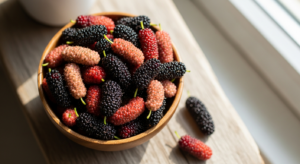
Nothing beats a handful of ripe berries eaten straight from the bowl. You can also scatter them across morning yogurt, granola, or cereal without any preparation beyond a quick rinse. They bring real depth to a summer fruit salad, and spooned over vanilla ice cream they create something far more interesting than standard toppings offer. For baking, fold them gently into muffin batters, quick breads, scone doughs, or cobbler mixtures—their structure holds during baking while their flavor saturates the crumb.
The Ultimate Homemade Mulberry Jam vs. Pie Filling Taste Test
Jam and pie filling both start with cooked mulberries, but the approach and outcome differ meaningfully.
- The Jam Route: Berries simmer down with sugar and citrus acid until they collapse completely into a thick, concentrated spread. Flavor becomes pure, distilled mulberry. Perfect for spreading on toast, dolloping into thumbprint cookies, or pairing with fresh scones.
- The Pie Filling Route: This stays looser and more liquid than jam. Cook time is shorter, and a starch thickener like cornstarch or tapioca flour does the stabilizing work. The taste reads as fresher, brighter—the individual berry character comes through more clearly because the pulp hasn’t given everything to the syrup.
A standard ratio for jam is 4 cups berries to 3 cups sugar plus the juice of one lemon, simmered at a rolling bubble for 25 to 35 minutes until a spoonful sheets cleanly off a cold spoon. For pie, use roughly three-quarters cup sugar per 4 cups of fruit and 2 to 3 tablespoons of cornstarch stirred into cold water, added in the final five minutes so the thickener doesn’t break down from overcooking. Jam made this way captures concentrated berry flavor in a jar. Pie filling made this way tastes like fresh berries held together, which is exactly the distinction worth maintaining.
Crafting Delicious Mulberry Syrup and Cordials
Making syrup is almost embarrassingly simple: bring equal weights of mulberries and sugar to a low simmer with a splash of water and lemon juice, let them sit for about 20 minutes until the berries have given up all their liquid, then press everything through a fine strainer. You now have a brilliant syrup ready for pancakes, stirred into sparkling drinks, or drizzled over cream.
To transform that same syrup into a cordial instead—the shelf-stable kind that keeps in the fridge for months rather than weeks—cut the sugar back to a 1:0.75 ratio (berries to sugar), then once the syrup cools completely, add spirits: roughly 1/4 cup vodka or brandy per cup of finished syrup does the job. That single spoonful mixed into sparkling water with a squeeze of lime becomes one of the easiest and most impressive things you can pour all summer, the kind of simple project that has people asking for the recipe.
Embracing the Pucker: Tart Mulberry Recipes and Cooking Tips
Underripe berries and naturally tart red varieties possess a different kind of culinary power entirely. Their brightness and sharp acidity slice through richness and add dimension to savory work.
How to Balance Tartness in Mulberry Dishes
When tartness overpowers a dish, the fix is straightforward. Sweeteners—sugar, honey, maple syrup—smooth the sharp edges. Pairing tart berries alongside creamy components like goat cheese, mascarpone, or thick yogurt creates a bridge that feels natural and complex. Gentle roasting concentrates existing sugars and mutes the pucker without adding anything else.
Beyond the Bake Sale: Surprising Savory Dishes Using Mulberries
Mulberries belong in savory cooking, particularly when you’re dealing with fatty proteins that need cutting.
- Pan Sauces for Protein: Simmer tart berries with balsamic vinegar, a light brown sugar, and fresh thyme until it thickens. The result pairs beautifully with roasted duck, pork tenderloin, or grilled chicken—the acidity cuts through fat and heightens the meat’s own flavor.
- Salad Ingredient: Scatter tart red mulberries across spinach with crumbled feta and toasted pecans. Their sharpness becomes a textural and flavor note that standard salad toppings rarely achieve.
- Cheese Course Companion: Reduce tart mulberries with a splash of red wine vinegar and a grind of pepper until they turn jammy and concentrated. Serve alongside sharp aged cheddar or any rinded cheese. It plays the role of fig jam or onion marmalade but with a brighter, less sugary character.
The pattern across all of these is that underripe and naturally tart mulberries perform work in savory cooking that fully sweet berries simply can’t—their acid cuts through, amplifies, and balances in ways that changed how I actually think about harvest timing. I stopped waiting for every berry on the tree to achieve peak sweetness before I started cooking with them.
Creating a Vibrant Mulberry Vinaigrette or Glaze
A vinaigrette built on mulberries is striking both visually and in taste. Blend a handful of berries with balsamic or apple cider vinegar, olive oil, Dijon mustard, and a drizzle of honey or maple syrup until completely smooth. The result is a deeply purple dressing that elevates a plain salad into something memorable. The same base, reduced in a saucepan rather than left at full viscosity, becomes a glaze for roasted vegetables or meat.
For a mulberry vinaigrette, combine 1/2 cup berries, 3 tablespoons vinegar, 1/3 cup olive oil, one teaspoon Dijon, and honey to taste, then blend and adjust—underripe berries need extra honey to balance, overripe ones need more vinegar to remain bright. For a glaze, skip the oil entirely and place the mulberry mixture in a small saucepan over medium-low heat for 10 to 15 minutes until it coats a spoon thickly. Brushed onto chicken thighs or pork roasts during the final few minutes of roasting, it caramelizes into something that tastes far more involved than five minutes of actual effort.
More Than Just Taste: Mulberry Health Benefits and Flavor Notes
Beyond what your mouth experiences, mulberries deliver nutritional substance that aligns directly with what you taste.
The Link Between Color, Flavor, and Antioxidants
The intense darkness of black and red mulberries comes from anthocyanins, the same protective compounds present in blueberries, dark cherries, and red wine. Deeper color signals higher anthocyanin density in the fruit. That bold, multifaceted taste in a ripe black mulberry isn’t coincidental—it indicates greater antioxidant concentration than a milder white variety carries. The flavor your palate registers and the nutritional benefit work in parallel.
Your Mulberry Culinary Adventure Begins
Whether it’s the candy-like sweetness of white mulberries, the balanced character of red ones, or the deep complexity of black, each stage brings something genuine to the kitchen. You now have the tools to find, harvest, and build recipes around these berries. The next time you encounter a mulberry tree drooping with fruit, don’t just pass by. Stop, pick, and start creating. Your kitchen—and your table—will be better for it.
Turning Fresh Mulberries into Seedless Jam and Sauce Without the Grind
One of the biggest frustrations I had early on was that mulberry seeds—while edible—make jam gritty and can overpower delicate sauces. A food mill separates those seeds cleanly while keeping all the pulp and flavor where it belongs.
What works
- The three interchangeable discs handle everything from rough straining to fine purees—I use the finest disc for mulberry jam to catch almost every seed.
- Stainless steel resists staining from deep mulberry juice, which is huge since I was ditching plastic mills after one season.
- The hopper design lets me process large batches without constant refilling, which saves real time during peak harvest.
What doesn’t
- It’s manual-crank only, so my forearm gets a workout when I’m processing 10+ pounds of berries in one afternoon.
- The threaded base is a bit fiddly to tighten evenly, and it can slip if you’re cranking hard with wet hands.
The learning curve is real, but once I figured out clamping it properly and working in batches, I stopped thinking about the effort. Stainless Steel Food Mill with 3 Discs
Frequently Asked Questions
What sugar ratio do you use for mulberry jam?
My standard jam ratio is 4 cups berries to 3 cups sugar plus the juice of one lemon, simmered at a rolling bubble for 25 to 35 minutes until a spoonful sheets cleanly off a cold spoon. The berries collapse completely into a thick, concentrated spread that tastes like pure, distilled mulberry.
Do I need a food mill to get seedless mulberry jam?
A food mill is what I use, because mulberry seeds are edible but make jam gritty and can overpower delicate sauces. The mill separates the seeds while keeping all the pulp and flavor, and I use the finest of the three discs. It is manual crank only, so processing 10+ pounds in an afternoon is real work.
What can I do with mulberries that are still tart?
Underripe berries and naturally tart red varieties do work in savory cooking that fully sweet berries cannot. I simmer them with balsamic vinegar, a light brown sugar, and fresh thyme into a pan sauce for roasted duck, pork tenderloin, or grilled chicken. They also scatter well over spinach with crumbled feta and toasted pecans.
Should I wash mulberries before putting them in the fridge?
No, hold off on rinsing until you are ready to use them, because water accelerates spoilage. I arrange unwashed berries in a shallow container lined with paper towel to catch condensation and plan on using them within a two- to three-day window. When I do rinse, I keep it brief and cool, then blot dry.
Keep Reading
About This Article

Written by Ruth Nakamura. Ruth Nakamura is a backyard orchardist in the Pacific Northwest who has grown mulberries for fifteen years, cultivating twelve different varieties in her own backyard. Not a horticulturist by formal training - she shares what she has learned through hands-on growing, workshops, and connecting with nurseries and growers across the country. More about this site.
Scope and limits. Ruth is a backyard orchardist without formal horticultural training. Growing conditions vary enormously by region, so confirm variety, timing, and pest guidance with your local extension service.
Verify this against a primary source
Specifics change, and your situation may differ from the one described here. These are the authorities worth checking directly:
- USDA Plant Hardiness Zone Map — zone verification for your location
- Oregon State University Extension — fruit growing and pruning research
- USDA PLANTS Database — species range and identification