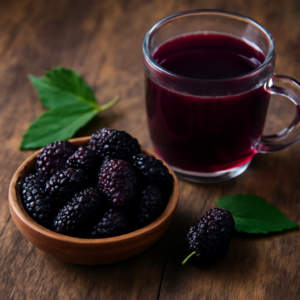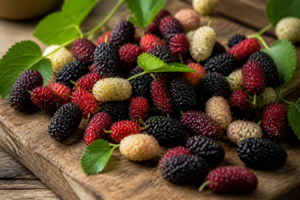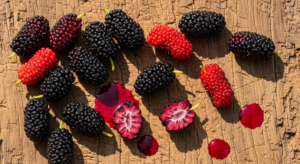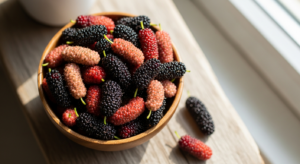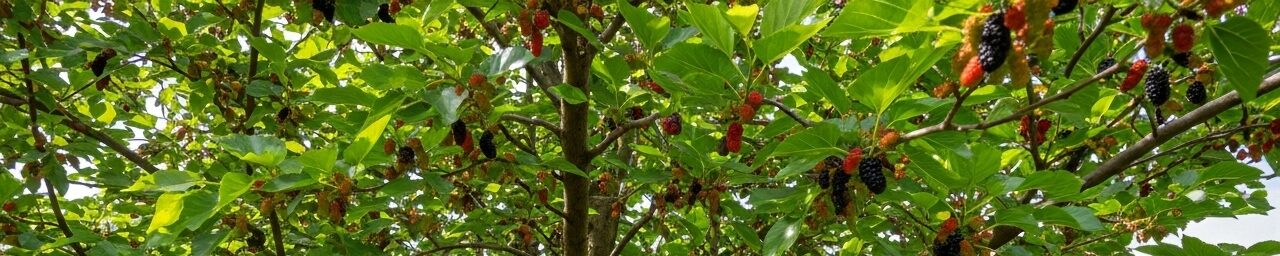
I get one of the odder questions pretty regularly, and honestly, I’ve come to look forward to it: What does “Brazilian mulberry,” sometimes called khatas, actually taste like?
The thing is, I have to be upfront about something right away. I haven’t grown this plant myself. I know—disappointing, right? But here’s the thing: the name “Brazilian mulberry” doesn’t have a tidy, single, universally agreed-upon definition. It lives mostly in fruit-collector forums and small specialty-nursery listings, and different sellers have used it for what may not always be the exact same plant. Rather than pretend to a firsthand tasting I haven’t done, I decided to do what I do best: dig into what collectors who have actually grown and eaten it consistently report, cross-reference it against what we know about large-fruited mulberry types in general, and lay it out here as honestly as I can.
So let’s start with the truth about what we’re even talking about.
What “Brazilian Mulberry” Actually Is (And Isn’t)
Here’s where I need to be really transparent: “Brazilian mulberry” is a nickname used inconsistently in the fruit-collector trade rather than a single registered cultivar. The same goes for “khatas,” which appears to be a vernacular or regional name some growers use for the same or a similar large-fruited type. Neither name comes with a genetic guarantee. Buyers should treat both of these names as informal labels rather than as a promise of a fixed genetic identity.
What that means in practical terms? If you’re shopping for one, the seller matters more than the name. A “Brazilian mulberry” from Nursery A might be slightly different from a “khatas” from Nursery B, even if they’re similar plants. It’s a bit like how “heirloom tomato” doesn’t guarantee any two heirloom tomatoes will taste identical—the name tells you you’re in the right ballpark, but specifics vary.
The Flavor Profile: What Growers Actually Report
So what do the people who have actually grown and tasted these report? The flavor profile that comes up again and again in collector forums is remarkably consistent: sweet with a mild tartness, less watery and more concentrated than typical white mulberry.
Let me unpack that a bit, because it matters. If you’re familiar with the standard backyard mulberries most of us grow—the white varieties especially—you know they can sometimes feel almost bland, or watery, or like eating a cloud. This isn’t a knock on them; they’re delicious and productive. But they’re not always *intense*. A Brazilian mulberry or khatas, by the accounts I’ve seen, corrects for that. The fruit is reportedly more substantial on the palate. The sweetness is clearer. There’s a pleasant tartness that keeps it from becoming one-dimensional. And importantly, it doesn’t taste watered-down.
The texture is also described as firmer and less likely to collapse into mush—which, if true, is a big deal for people who want to eat these fresh rather than turn them into jam immediately.
The Size That Probably Explains The Hype
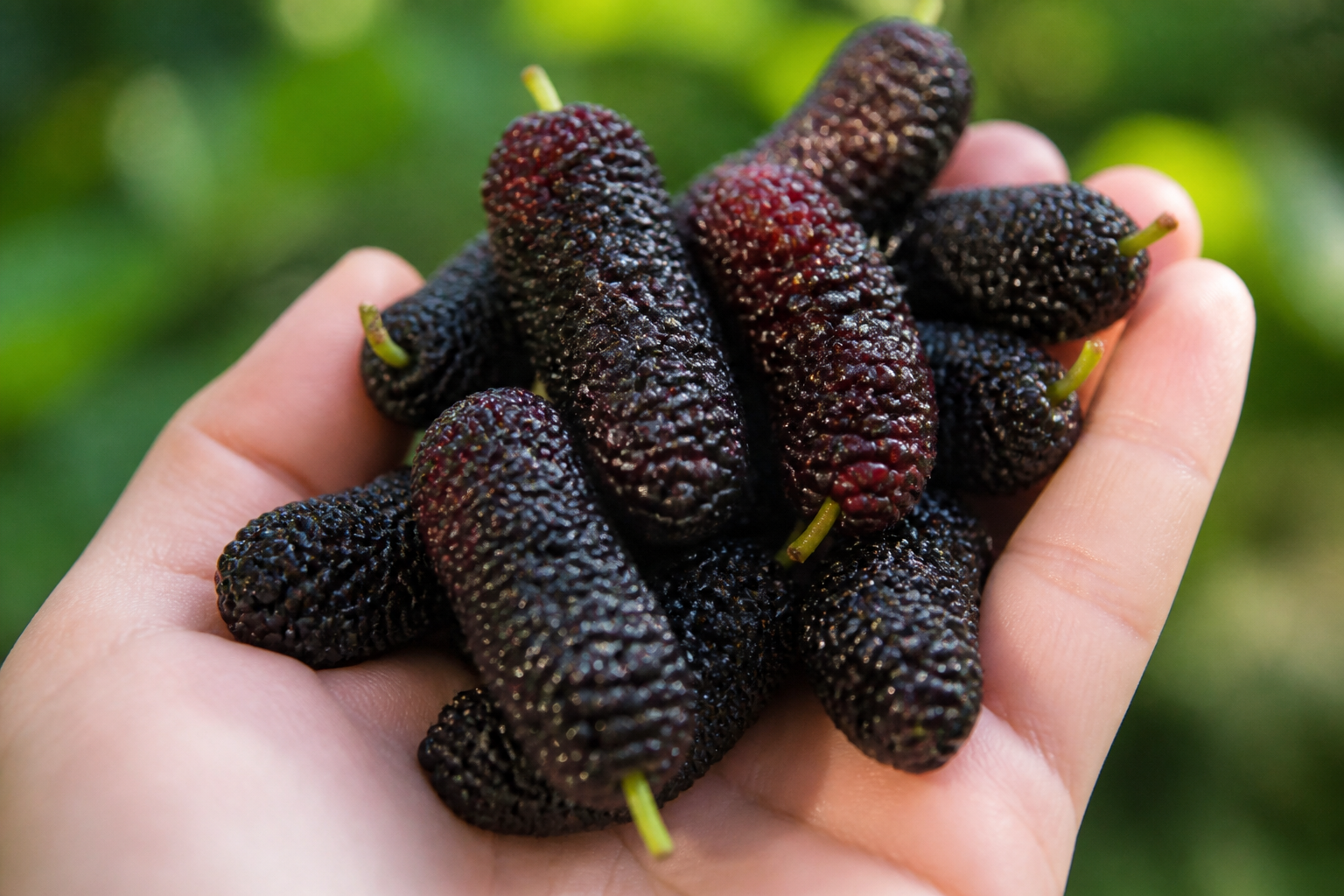
One more thing that comes up every single time: size. Fruit sold under names like “Brazilian” or “khatas” is generally described by growers as very large and elongated, often two to three times the length of a common backyard mulberry.
Think about what that means. A standard mulberry is maybe half an inch long. These are reportedly up to an inch and a half. If you’ve ever picked mulberries, you know that the eating-to-picking ratio matters—larger fruit means you get more dessert per minute spent harvesting. That alone would make these worth growing if they tasted fine. But combined with the flavor reports of concentrated sweetness and less wateriness? That’s compelling enough that I understand why collectors get excited about them.
What We Don’t Know Yet (And Why That Matters)
I want to circle back to something important: documentation is thin. Really thin. What I’m sharing comes mostly from grower forums rather than formal cultivar trials. No agricultural extension has a “Brazilian mulberry” variety guide. There are no peer-reviewed taste studies. This is collector lore, which doesn’t mean it’s wrong—collectors are often meticulous and honest about what they grow—but it does mean we should be humble about it.
Because of that, the most reliable way to know what a specific “Brazilian” or “khatas” mulberry will taste like is to get it from a specific known source and ask that source directly what parentage or trial history they can confirm. A good specialty nursery should be able to tell you where they sourced it, how long they’ve had it, and what feedback they’ve gotten from other growers. That’s worth asking for before you commit to ordering a tree.
How They Compare to Other Mulberries
If you want a framework for thinking about this, I recommend reading through my complete flavor and smell guide to mulberries, which breaks down how different common varieties actually taste side by side. It’ll give you a baseline. You might also find it helpful to see how mulberries actually compare to blackberries, raspberries, and figs—it puts the whole category in perspective.
That said, based on what collectors report, a Brazilian or khatas mulberry sounds like it would land somewhere between a typical white mulberry and a black mulberry in terms of intensity, but with more size and firmness than either. It’s a slightly different niche—more of a fresh-eating focused cultivar than something optimized for juice or dehydration. (Though if you do end up with excess, dehydrating mulberries is straightforward and delicious.)
Should You Grow One?
Here’s my honest take: if you love mulberries and you have space, and you can get a tree from a reputable source that can tell you something concrete about its background, I think it’s worth trying. The reports about size and flavor are consistent enough that there’s probably something real there. But go in knowing that you’re trying something that doesn’t have a ton of formal documentation behind it yet. You’ll be contributing to the knowledge base, which is actually kind of cool.
The Brazilian mulberry taste profile—sweet, concentrated, less watery, in dramatically larger fruit—is compelling enough to be worth investigating if you’re serious about growing mulberries. Just source it thoughtfully, ask your grower good questions, and keep in mind that “Brazilian” and “khatas” are informal names in a field that’s still pretty wild-west in places.
What’s your experience been? Have you grown one of these? I’d love to hear what you found. Drop a comment below—I read them all, and I’m always learning from what other growers discover.
Frequently Asked Questions
Is Brazilian mulberry the same as khatas?
Not necessarily. Both names are informal labels used inconsistently in the fruit-collector trade rather than registered cultivars with fixed genetic identity. A Brazilian mulberry from one nursery might differ slightly from a khatas from another, even if they’re similar plants. The seller matters more than the name when ordering.
How big do Brazilian mulberries get compared to regular mulberries?
Brazilian or khatas mulberries are generally described as very large and elongated, often two to three times the length of a common backyard mulberry. A standard mulberry is about half an inch long, while these are reportedly up to an inch and a half, meaning less time spent harvesting for more fruit.
What flavor notes do Brazilian mulberries have?
Growers consistently report a sweet flavor with mild tartness, less watery and more concentrated than typical white mulberry. The texture is described as firmer and less likely to collapse into mush, making them better for fresh eating than immediate preservation.
Where does information about Brazilian mulberry taste come from?
Documentation comes mostly from grower forums and collector lore rather than formal cultivar trials or peer-reviewed studies. No agricultural extension has a Brazilian mulberry variety guide. Before ordering, ask your specific nursery source about parentage, how long they’ve had it, and feedback from other growers.
Keep Reading
About This Article

Written by Ruth Nakamura. Ruth Nakamura is a backyard orchardist in the Pacific Northwest who has grown mulberries for fifteen years, cultivating twelve different varieties in her own backyard. Not a horticulturist by formal training - she shares what she has learned through hands-on growing, workshops, and connecting with nurseries and growers across the country. More about this site.
Scope and limits. Ruth is a backyard orchardist without formal horticultural training. Growing conditions vary enormously by region, so confirm variety, timing, and pest guidance with your local extension service.
Verify this against a primary source
Specifics change, and your situation may differ from the one described here. These are the authorities worth checking directly:
- USDA Plant Hardiness Zone Map — zone verification for your location
- Oregon State University Extension — fruit growing and pruning research
- USDA PLANTS Database — species range and identification