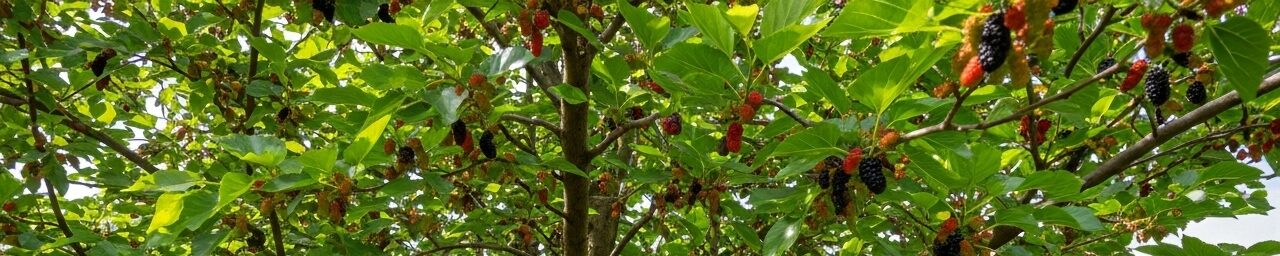
Mulberries are a rewarding crop for backyard orchardists, particularly in regions like the Pacific Northwest. Popular cultivars include Black Beauty, Chinook, Illini Star, and Ozark Premier. Growing these berries offers many lessons in flavor nuance and plant care, and there’s genuine joy in sharing mulberry-growing experiences with fellow gardeners.
One sunny afternoon, my neighbor Sarah stopped by, holding a dark mulberry she’d plucked straight from my tree. She examined it with a mix of curiosity and caution. “Before I bite into this thing,” she asked, “what’s it actually going to taste like? Sweet? Tangy? Am I about to make a face?”
I get this question a lot, and it’s surprisingly layered. The answer isn’t straightforward—black, red, and white mulberries all offer different taste experiences, and berry ripeness can change everything. The moment it comes off the branch determines the entire flavor journey.
So let’s dive into the details—ripeness stages, the unique characteristics of various cultivars, and the complex aromatic compounds that influence what you smell before you even take a bite. Once you understand these variables, picking becomes second nature, and you’ll see why mulberries genuinely deserve a spot in your garden (trust me, they do!).
The Basic Answer: Mulberry Flavor Profiles by Color
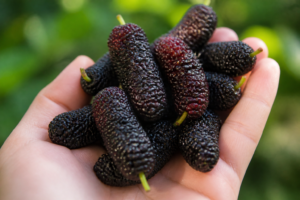
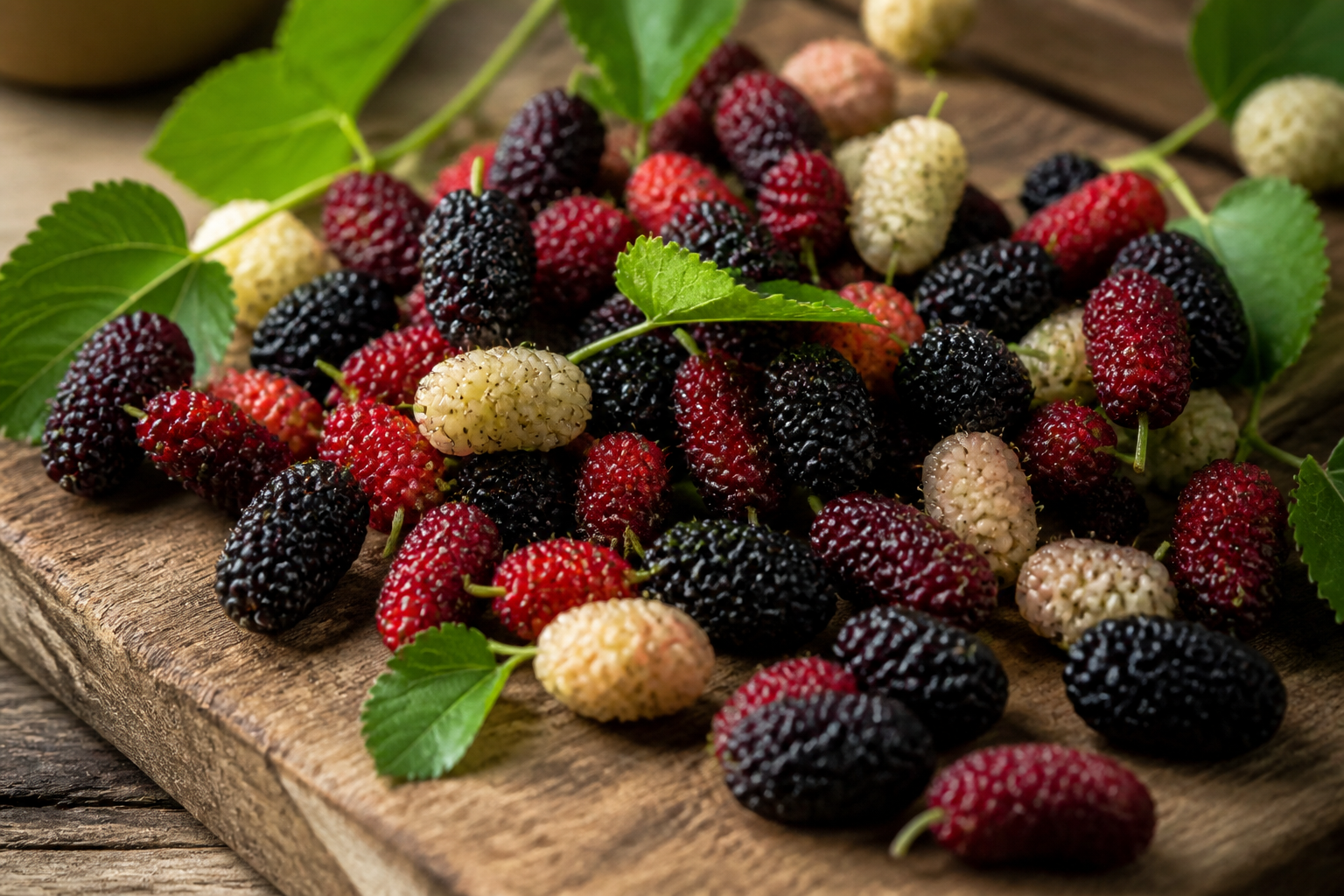
Let’s start with a simple description of mulberry flavor: think of a blend of blackberry, raspberry, and fig, with each cultivar adding its own twist. Black mulberries (Morus nigra) are like the flavor heavyweights—intensely sweet yet balanced by a genuine tartness that keeps them from being overly sugary. There’s something almost wine-like and deeply fruity about them, making you stop mid-chew to appreciate the complexity. They’re the bold voice at the table.
Red mulberries (Morus rubra) sit comfortably between the extremes. They offer sweetness and fruitiness similar to their black counterparts, but with a gentler tang and less intensity overall. They’re exceptional but tend to be quieter in their expression.
Then we have white mulberries (Morus alba), which take a different approach. They are all about maximum sweetness with minimal tartness—a smooth, honeyed character that feels refined. They might be understated, but they have their own charm.
What’s Happening Chemically Inside That Mulberry Skin
But there’s more than just subjective tasting notes behind these flavors. The chemistry of mulberries explains why they taste the way they do. Inside those dark drupelets, there’s a blend of sugars (mostly fructose and glucose), organic acids (like citric and malic), and over 20 volatile compounds—anthocyanins, terpenes, esters—that create the signature flavor profile.
When you bring a ripe berry close to your nose, those volatile compounds, including linalool and geraniol, create that wonderful aroma. Your sense of smell picks up on the same aromatic families found in raspberries and blackberries, which is why the comparison feels spot on.
Typically, ripe black and red mulberries measure 8–12 Brix, similar to strawberries in sugar concentration. But what sets mulberries apart is their acidity—pH levels range from 3.4 to 5.6 across varieties, providing the tanginess that keeps the sweetness from becoming overwhelming. It’s that acid backbone that elevates a pleasant berry into something truly remarkable.
Ripeness Rewrites the Flavor Script Entirely
This is where hands-on experience reveals what nursery descriptions often miss. A mulberry’s developmental stage not only intensifies or softens the basic flavor, but it also fundamentally alters what you’re tasting.
The Underripe Stage
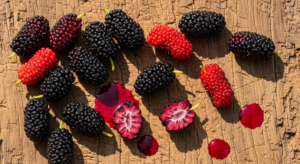
Berries that are still underripe taste predominantly sour and can upset your stomach if consumed in excess. I learned this the hard way during my first growing season. Impatience led me to pick berries that had a greenish hue. A handful tasted like sour candy, but two handfuls left my mouth puckered for hours. They’re safe to eat, but the experience is far from pleasant.
Interestingly, white mulberries don’t follow this trend. Their naturally lower acid content means you can enjoy them slightly before full ripeness without that harshness. However, waiting for full ripeness definitely pays off.
Optimal Ripeness
When a mulberry is genuinely ready—hanging from the branch like it might drop any second—you get the complete package. The sweetness hits its peak without crossing into cloying territory. Tartness remains present yet balanced. All the fruity undertones harmonize beautifully. This is the stage I recommend to skeptics who want to understand why mulberries are worth growing.
Beyond Peak Ripeness
If berries go beyond their peak, they develop wine-like qualities as flavors concentrate and intensify. Some growers love this stage—maximum complexity and richness. Others find it a bit excessive. For jam, smoothies, or any context where you want bold mulberry flavor, overripe is the way to go. For fresh eating, though, I’d suggest stopping one stage earlier.
Identifying Ripeness: What Your Eyes, Fingers, and Nose Tell You
So, how do you know when they’re ready? After several seasons of harvesting, I’ve developed a reliable system.
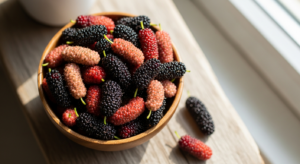
- Color is the first signal. Black mulberries take on a nearly purple-black hue. Red mulberries deepen to dark burgundy. White mulberries transition from greenish to pale cream or ivory. If you see anything bright red or obviously green, wait a little longer.
- Apply gentle pressure to gauge firmness. A ripe mulberry yields to a light squeeze without bursting. If they’re hard, they need another day or two. If they’re mushy, they’ve passed their prime.
- Observe how easily it separates from the branch. A fully mature mulberry comes off with minimal effort. If you find yourself yanking or twisting, it’s still developing.
- Your sense of smell is reliable. Ripe mulberries give off a clear sweet-fruity scent. Unripe ones smell more earthy or herbaceous, which is a reliable indicator.
My go-to method is to grab a sample berry from different zones of the tree and do a comparison tasting. Berries in direct sunlight often ripen faster and taste slightly sweeter, while shaded berries may need a bit more time. Once I know where the day’s harvest falls on the ripeness spectrum, I can decide whether to pick everything or wait until tomorrow.
Managing a Surplus: When Production Outpaces What You Can Eat Fresh
Eventually, there comes a season when the birds don’t get to the berries first, and my freezer simply can’t keep up. Fresh mulberries spoil quickly, and conventional freezing can ruin their texture. So, I turned to drying as a way to preserve the exquisite flavors my trees produced.
The advantages
- Unsweetened dried mulberries capture the exact taste your trees produced—intensified sweetness without that artificial jam-like quality that can mask the unique flavor of each cultivar.
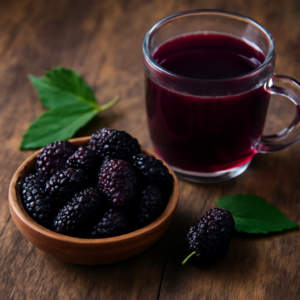
- They reconstitute beautifully when added to hot tea, incorporated into baking, or moistened with water, allowing you to enjoy mulberry flavor year-round, even when your trees are dormant.
- The texture remains chewy and structured rather than turning into a mushy pulp, which is a sign of quality—inferior commercial dried mulberries often crumble apart, but well-dried fruit holds its integrity.
The drawbacks
- Store-bought dried mulberries can be pricey, which initially felt wasteful until I realized that homegrown berries processed in a dehydrator are nearly free and pack superior flavor.
- Commercial dried mulberries are often a blend of varieties, meaning you lose the unique character of your specific cultivar—so if you chose Pakistanis or Illinois Everbearings for their distinctive traits, that individuality can get lost in commercial mixes.
I hesitated to buy dried mulberries at first until I realized they served as a bridge—a way to remember the taste of my best harvests during the lean months, and a proof of concept before I invested in a dehydrator of my own. If you want to understand what a premium dried mulberry should taste like, Top Grade Premium Dried Black Mulberries (9oz, No Sugar Added) can give you a sense of that standard.
Frequently Asked Questions
What do black mulberries taste like compared to red and white?
Black mulberries are intensely sweet with genuine tartness and a wine-like quality. Red mulberries offer gentler sweetness and less intensity. White mulberries are all about maximum sweetness with minimal tartness and a honeyed character. Each color delivers a distinct flavor experience.
How do you know when mulberries are ripe enough to pick?
Look for color changes: black mulberries turn nearly purple-black, red ones deepen to dark burgundy, and white ones become pale cream or ivory. Gently squeeze—ripe berries yield without bursting. They should come off the branch with minimal effort, and ripe mulberries smell distinctly sweet and fruity, not earthy.
Do underripe mulberries taste bad or cause problems?
Underripe mulberries taste predominantly sour and can upset your stomach if eaten in excess. They’re safe to eat but unpleasant—two handfuls can leave your mouth puckered for hours. White mulberries are the exception; their lower acid content means you can enjoy them slightly before full ripeness without that harshness.
What makes dried mulberries taste different from fresh?
Unsweetened dried mulberries capture your trees’ exact taste with intensified sweetness, reconstituting beautifully in hot tea or baking. They maintain a chewy, structured texture rather than turning mushy. Homegrown dried mulberries in a dehydrator pack superior flavor compared to store-bought commercial blends that mix varieties.
Keep Reading
About This Article

Written by Ruth Nakamura. Ruth Nakamura is a backyard orchardist in the Pacific Northwest who has grown mulberries for fifteen years, cultivating twelve different varieties in her own backyard. Not a horticulturist by formal training - she shares what she has learned through hands-on growing, workshops, and connecting with nurseries and growers across the country. More about this site.
Scope and limits. Ruth is a backyard orchardist without formal horticultural training. Growing conditions vary enormously by region, so confirm variety, timing, and pest guidance with your local extension service.
Verify this against a primary source
Specifics change, and your situation may differ from the one described here. These are the authorities worth checking directly:
- USDA Plant Hardiness Zone Map — zone verification for your location
- Oregon State University Extension — fruit growing and pruning research
- USDA PLANTS Database — species range and identification