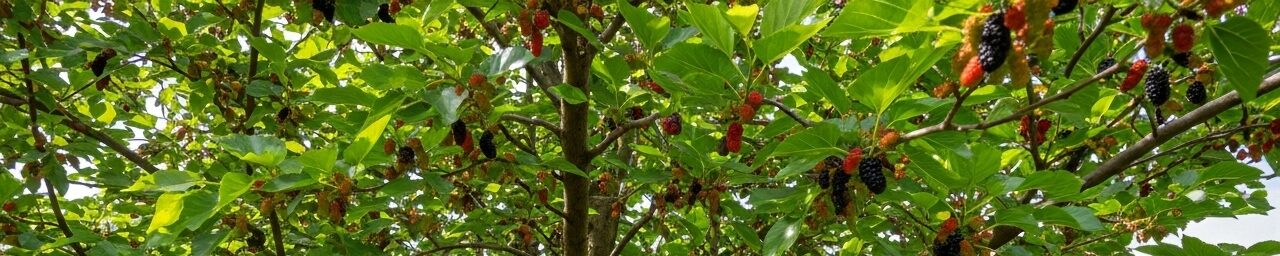
Growing mulberries at home brings both joys and challenges. One common surprise for new growers occurs during harvest: tiny, translucent specks—and threadlike organisms moving through freshly picked berries—appear in the fruit after picking. The first instinct is often to discard the whole batch. However, learning what’s actually present in homegrown mulberries and how to handle it makes the difference between throwing food away and eating it with complete confidence.
If you’ve ever peered into a bowl of freshly harvested mulberries and felt that stomach drop when something shifted or moved, you’re not alone. That moment sent me researching everything from fruit fly biology to food safety regulations—and what I discovered completely rewrote my understanding of what happens when you grow soft fruit outside your kitchen door. What follows is exactly what I’ve learned to do, what those bugs actually are, and why they’re genuinely nothing to lose sleep over.
What Are Those Tiny Bugs in Your Mulberries?
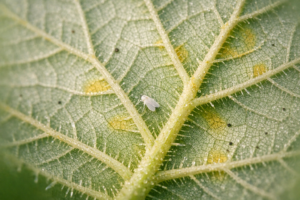
Those translucent, barely-visible larvae wriggling through your mulberries are almost certainly Spotted Wing Drosophila (SWD) offspring—the immature stage of tiny fruit flies. At 1 to 2 millimeters in length, they’re so small you won’t spot them until the moment you’re really paying attention. The unsettling part? The adult female punches her eggs straight through the fruit’s skin when it reaches peak ripeness. By the time those berries land in your picking basket, the eggs have already been there for days.
Understanding what causes this takes away much of the anxiety about it. This is simply the reality of cultivating soft fruits in an open-air environment. Spotted-wing drosophila flies are attracted to exactly what you want—fruit that’s soft enough to eat at its absolute peak.
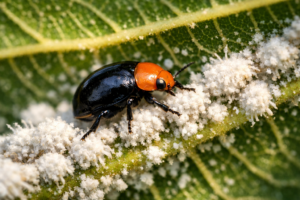
You might also find spider mites traversing the surface of your leaves and fruit—small red or tan specks that move deliberately across the skin. Unlike SWD larvae, these are visible to the naked eye from the start. They’re more of a signal that your tree is struggling under stress than an actual threat to your eating experience. And here’s what matters: neither of these pests presents any hazard to anyone eating the fruit.
Are Bugs in Mulberries Actually Safe to Eat?
That question kept me up the night I first discovered those moving specks. What I found was reassuring: fruit containing insects or their larvae poses zero health risk when properly handled. I realize that reads like I’m telling you to ignore your instincts, so let me explain what backs this up.
The USDA’s guidance is explicit: running water applied while you gently work the fruit between your fingers removes surface pests, grime, and anything else that shouldn’t be there. Beyond that, anyone who forages wild berries or grows their own fruit professionally understands that small bug presence is utterly normal and poses no danger. Countless people eat mulberries directly off the tree without any additional steps.
The encouraging news is that cleaning your berries is straightforward and takes just a few minutes. And realistically? Even if a larva somehow slipped through, you’re consuming something exponentially more authentic and less processed than 99% of produce sold in supermarkets.
How to Remove Bugs from Your Mulberry Harvest
The moment I figured out this straightforward soak-and-rinse technique, my entire relationship with harvest season shifted. I stopped feeling squeamish and started actually looking forward to it. Here’s the exact approach that’s worked flawlessly across multiple seasons.
Step 1: The Salt Water Soak
Measure out cool water into a large bowl or colander—for every quart you use, dissolve one tablespoon of salt into it. (White vinegar diluted in a 1:3 ratio with water works just as well if salt bothers you.) Plunge your just-picked mulberries completely under the surface and leave them undisturbed for 10 to 15 minutes.
What unfolds during those minutes is genuinely remarkable: the salt water (or acidic vinegar mixture) triggers any larvae embedded in the fruit to abandon ship and rise toward the surface. It’s almost mechanical in how it works. You’ll watch the water cloud slightly and notice tiny white forms bobbing on top—those are the SWD larvae making their exit. The method respects the delicate structure of your berries while being ruthlessly efficient at ejecting the pests.
Step 2: Rinse Under Running Water
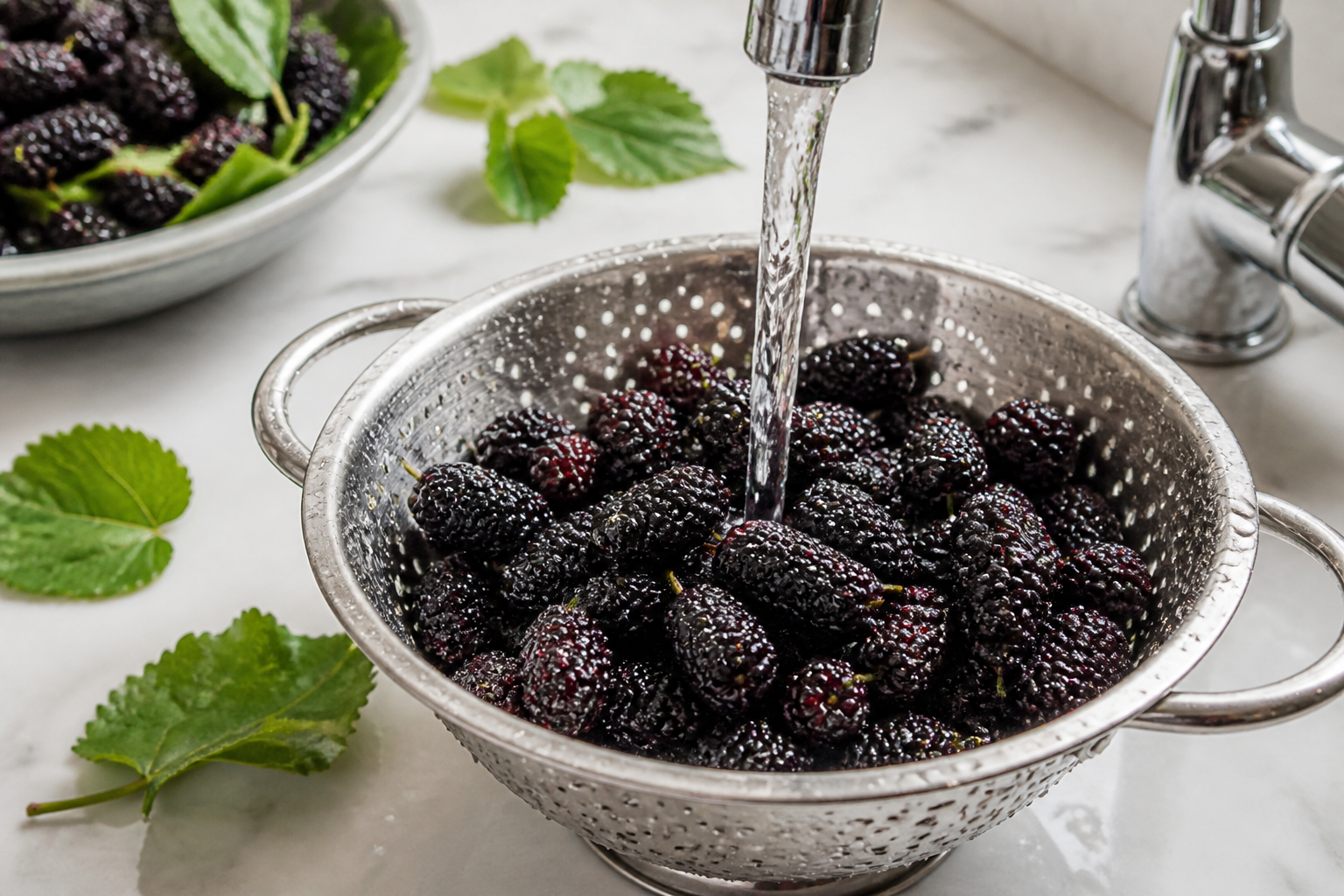
Once the soak timer hits zero, pour your mulberries into a colander and let cool tap water cascade through them. Using your fingertips, work gently across each berry as water flows—this dislodges leftover particles and ensures nothing unwanted ends up in your mouth. This is the approach the USDA recommends specifically for delicate fruit, and the results speak for themselves.
Step 3: Dry and Inspect (Optional)
If you want to go the extra mile, load your berries into a salad spinner and let centrifugal force dry them completely. From here, your mulberries are genuinely prepared to eat without hesitation. Toss them into a bowl of yogurt, whir them into a smoothie, preserve them as jam, or pop them straight into your mouth.
The Veggie Wash That Actually Removes Fruit Fly Larvae and Hidden Bugs
The moment you glimpse those moving white threads inside your mulberries, plain water alone won’t do the job—you’re looking at something designed to dissolve the protective coating where pests shelter and propagate. A dedicated produce wash approaches the problem differently, penetrating where standard rinsing leaves gaps and safeguarding the integrity of your tender fruit in the process.
What works
- The water itself undergoes a visible transformation during the soak—what starts clear becomes noticeably murky with sediment and organic matter that plain water alone fails to lift away.
- Leaves no chemical aftertaste or film on delicate fruit the way some commercial produce cleaners do—something I discovered the hard way before landing on this option.
- Performs equally well across my entire harvest rotation—raspberries, blackberries, stone fruit from my own trees all respond the same way I use it on mulberries.
What doesn’t
- It’s a cleaner, not a cure—if your tree itself has become overrun with pests, washing the fruit won’t solve the underlying problem at its source.
- A single bottle stretches surprisingly far given typical household harvest volumes, meaning you’re unlikely to reorder frequently if you’re processing fruit just a handful of times each season.
I almost threw out that first bowl of berries entirely, convinced the wash wouldn’t make a real difference, but I’m glad I tested it first. This natural veggie wash gave me back confidence in eating my own harvest.
Frequently Asked Questions
What are the tiny bugs moving in my mulberries?
Those are almost certainly Spotted Wing Drosophila (SWD) larvae—the immature stage of tiny fruit flies at 1 to 2 millimeters in length. The adult female lays eggs directly through the fruit’s skin when it reaches peak ripeness, so larvae are already present by harvest time. This is normal for soft fruits grown in open-air environments.
Is it safe to eat mulberries with bugs in them?
Yes, fruit containing insects or their larvae poses zero health risk when properly handled. The USDA confirms that running water applied while gently working the fruit between your fingers removes surface pests and anything else that shouldn’t be there. Even if a larva somehow slipped through, you’re consuming something far less processed than supermarket produce.
How long should I soak mulberries to remove bugs?
Soak just-picked mulberries completely under the surface for 10 to 15 minutes using salt water (one tablespoon of salt per quart of cool water) or white vinegar diluted in a 1:3 ratio with water. The salt or acidic mixture triggers larvae to abandon the fruit and rise to the surface where you’ll see tiny white forms bobbing on top.
Can I use regular water to wash bugs off mulberries?
Plain water alone won’t remove embedded larvae—you need either the salt water soak or vinegar mixture first. After soaking for 10 to 15 minutes, pour berries into a colander and rinse under cool running tap water while gently working your fingertips across each berry to dislodge remaining particles.
Keep Reading
About This Article

Written by Ruth Nakamura. Ruth Nakamura is a backyard orchardist in the Pacific Northwest who has grown mulberries for fifteen years, cultivating twelve different varieties in her own backyard. Not a horticulturist by formal training - she shares what she has learned through hands-on growing, workshops, and connecting with nurseries and growers across the country. More about this site.
Scope and limits. Ruth is a backyard orchardist without formal horticultural training. Growing conditions vary enormously by region, so confirm variety, timing, and pest guidance with your local extension service.
Verify this against a primary source
Specifics change, and your situation may differ from the one described here. These are the authorities worth checking directly:
- USDA Plant Hardiness Zone Map — zone verification for your location
- Oregon State University Extension — fruit growing and pruning research
- USDA PLANTS Database — species range and identification