Table of Contents
- The Unforgettable Flavor of Shahtoot: An Introduction to Pakistan Mulberries
- What Makes Pakistan Mulberries (Shahtoot) So Special?
- A Taste of Summer: Why You Should Be Cooking with Mulberries
- Sweet Shahtoot Sensations: Authentic Pakistani Mulberry Dessert Recipes
- The Ultimate Refresher: Classic Shahtoot ka Sharbat (Mulberry Drink)
- Ingredients:
- Instructions:
- A Creamy Dream: How to Make Shahtoot Malai (Mulberry Cream Dessert)
- Ingredients:
- Instructions:
- Easy & Elegant: A Moist Pakistani Mulberry & Yogurt Cake Recipe
- Ingredients:
- Instructions:
- Preserve the Sweetness: Homemade Pakistani Mulberry Jam (Without Pectin)
- Ingredients:
- Instructions:
- Beyond Dessert: Exploring Savory Dishes with Pakistan Mulberries
- A Perfect Pairing: Spicy & Sweet Mulberry Chutney for Snacks and Meals
- Ingredients:
- Instructions:
- Healthy & Hearty: Mulberry and Chickpea Salad with a Mint Vinaigrette
- Ingredients:
- Instructions:
- A Unique Twist: Pakistan Mulberry Glaze for Grilled Chicken or Paneer
- Ingredients:
- Instructions:
- Tips from the Kitchen: Cooking and Baking with Mulberries
- How to Select and Store Fresh Pakistan Mulberries
- Quick Tips for Preparing Mulberries for Your Recipes
- Conclusion: Embrace the Versatility of the Mighty Shahtoot
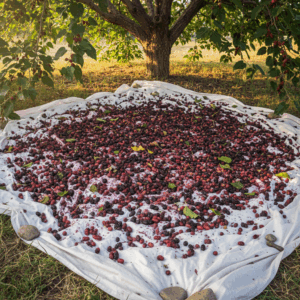
Pakistan mulberries, particularly shahtoot, are known for their prolific yields during peak season. With harvests that generous, you either preserve them or watch them drop to the ground. These long, honeyed berries demand to be cooked into something memorable, whether sweet or savory. This guide walks through recipes and techniques for working with multiple cultivars of mulberries.
The Unforgettable Flavor of Shahtoot: An Introduction to Pakistan Mulberries
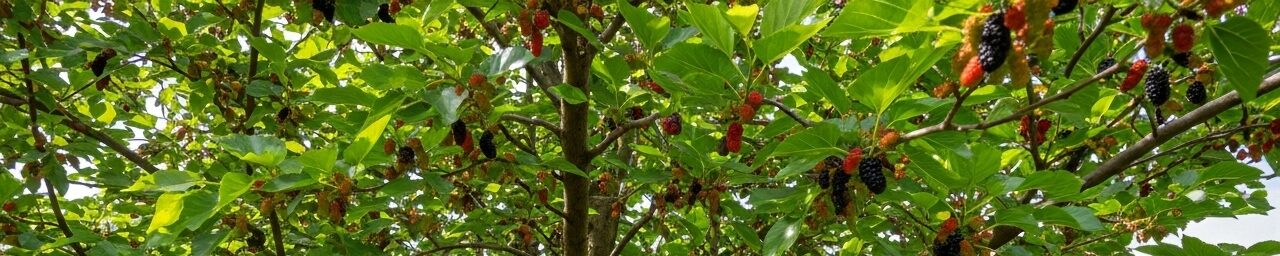
Shahtoot isn’t simply a fruit you eat fresh; it’s bound up with memory and anticipation. Every summer, I find myself waiting for that moment when the branches are heavy with purple-black berries. For anyone who’s tasted them straight off the tree, the flavor sticks—a taste tied to warm afternoons and the specific sweetness that comes only during that narrow harvest window.
What Makes Pakistan Mulberries (Shahtoot) So Special?
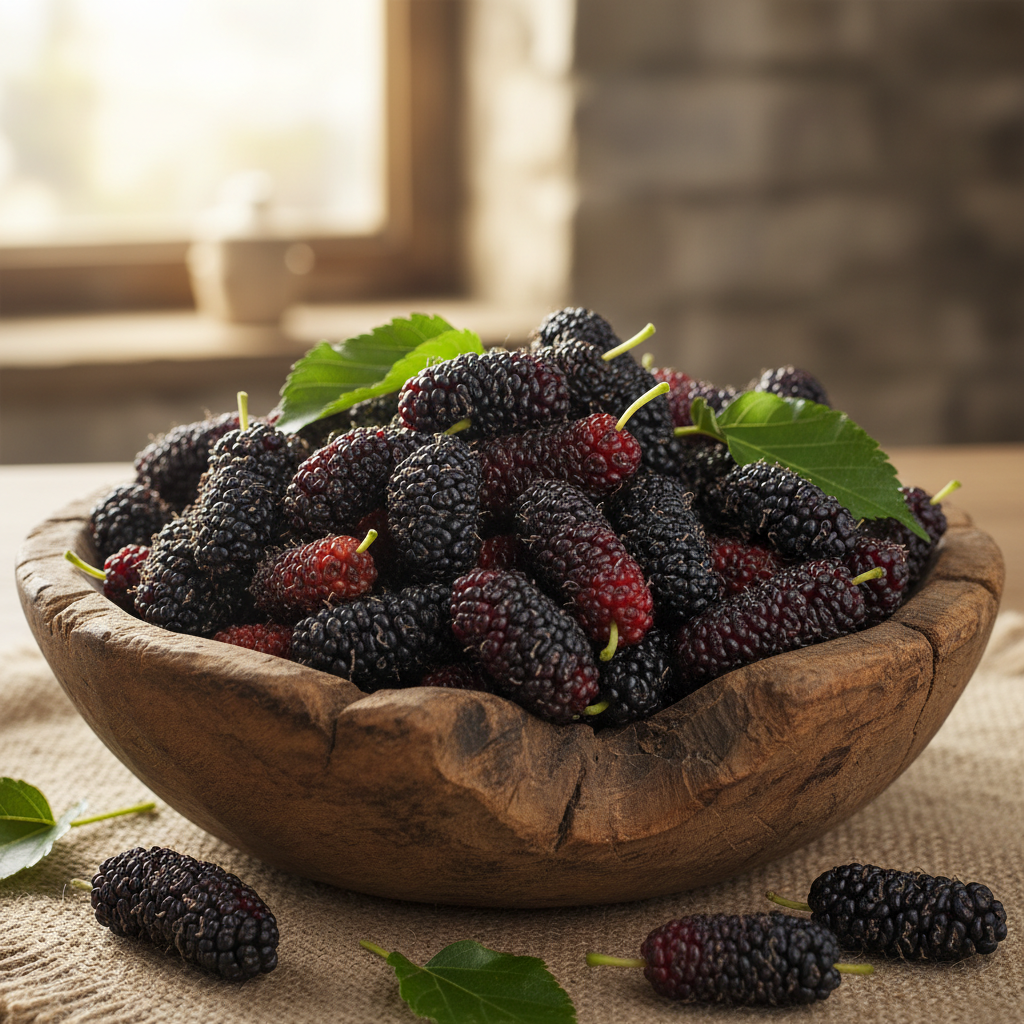
The shahtoot variety (Morus macroura) stands apart from other mulberry types in several obvious ways. These berries stretch to 3 or even 4 inches long—far longer than their cousins. The texture walks a line between chewy and delicate, never mealy or hard. What really sets them apart is the flavor profile: pure honeyed sweetness with minimal acid bite. You get white cultivars and deep purple-black ones, each with its own subtle flavor signature. Beyond taste, they pack significant amounts of vitamins and antioxidants, making them a genuine nutritional win alongside being delicious.
A Taste of Summer: Why You Should Be Cooking with Mulberries
The reason to get these into the kitchen is straightforward: their built-in sweetness means you skip adding as much sugar as you’d normally need. Drop them into a simple drink or dessert and the result feels sophisticated with minimal effort. Visually, they bring an unmistakable deep color that photographs well and signals freshness on any plate. Most important, though, is that the harvest window is short. By cooking shahtoot into jams, syrups, or glazes, you stretch that season from two weeks into a supply that lasts through fall and winter.
Sweet Shahtoot Sensations: Authentic Pakistani Mulberry Dessert Recipes
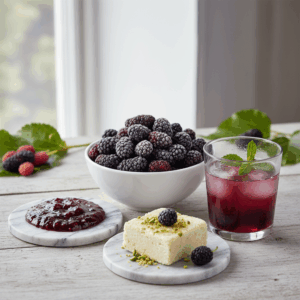
Desserts and drinks are where shahtoot truly shines. The natural sugar content makes traditional Pakistani preparations feel effortless and authentic. Here are a few recipes I’ve made year after year.
The Ultimate Refresher: Classic Shahtoot ka Sharbat (Mulberry Drink)
Nothing beats a tall glass of cold Shahtoot ka Sharbat on a summer day. The beauty of this drink lies in its simplicity—you’re basically extracting juice from fresh berries and balancing it with just enough sweetness and lemon to highlight the fruit.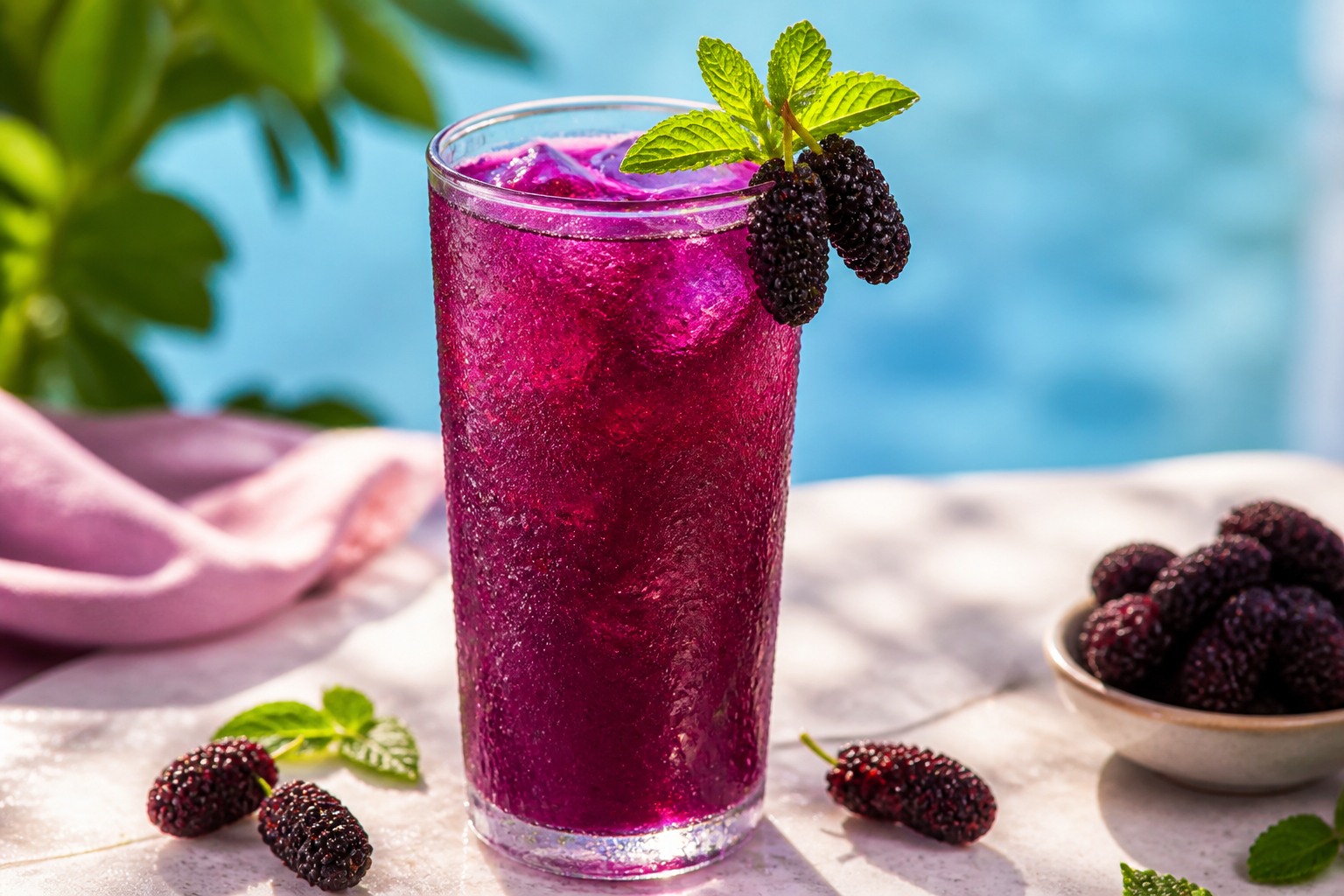
Ingredients:
- 2 cups fresh ripe mulberries (shahtoot), washed and stemmed
- 3 cups water, divided
- 3/4 cup sugar (adjust to taste)
- 1 tablespoon lemon juice
- A pinch of black salt (kala namak) or rock salt
- Ice cubes, for serving
- Fresh mint leaves, for garnish
Instructions:
- Put mulberries and 1 cup water into a saucepan and let them simmer gently for 8–10 minutes, pressing down with a wooden spoon as they soften and break apart.
- Pour the mixture through a fine mesh strainer or cloth, pressing hard to squeeze out every drop of juice. Throw away the solids left behind.
- Return the strained juice to the pan, stir in the sugar and the remaining 2 cups of water, then heat over low until the sugar fully dissolves.
- Pull from heat and mix in the lemon juice along with a small pinch of black salt.
- Let the mixture reach room temperature, then transfer it to the fridge until it’s thoroughly chilled.
- Serve over ice with a mint leaf on top. The sediment will sink, so give it a quick stir right before pouring.
A Creamy Dream: How to Make Shahtoot Malai (Mulberry Cream Dessert)
Shahtoot Malai delivers indulgence without fussiness. It combines fresh berries with whipped cream and condensed milk, letting the fruit flavor shine without requiring baking or complicated technique.
Ingredients:
- 1 cup fresh mulberries, washed and stemmed
- 1 cup heavy cream, chilled
- 1/2 cup sweetened condensed milk
- 2 tablespoons khoya (mawa), grated (optional, for extra richness)
- 2–3 green cardamom pods, crushed
- 1–2 tablespoons sugar, to taste (less if your mulberries are very sweet)
- Chopped pistachios and almonds, for garnish
Instructions:
- Pour the chilled heavy cream into a chilled bowl and whip it with the crushed cardamom pods until the mixture reaches soft peak stage.
- Fold in the condensed milk and grated khoya, stirring until everything is smooth and well-blended. Taste and add sugar if needed.
- Fold in about half the mulberries gently, keeping whole berries intact.
- Divide the cream mixture among serving bowls or glasses.
- Top each portion with the remaining fresh berries and a scatter of pistachios and almonds.
- Set in the refrigerator for at least 30 minutes before eating.
Easy & Elegant: A Moist Pakistani Mulberry & Yogurt Cake Recipe
Yogurt is the secret to a cake that stays tender and moist even the next day. When the berries hit the oven heat, they release their juice right into the batter, creating pockets of intense flavor.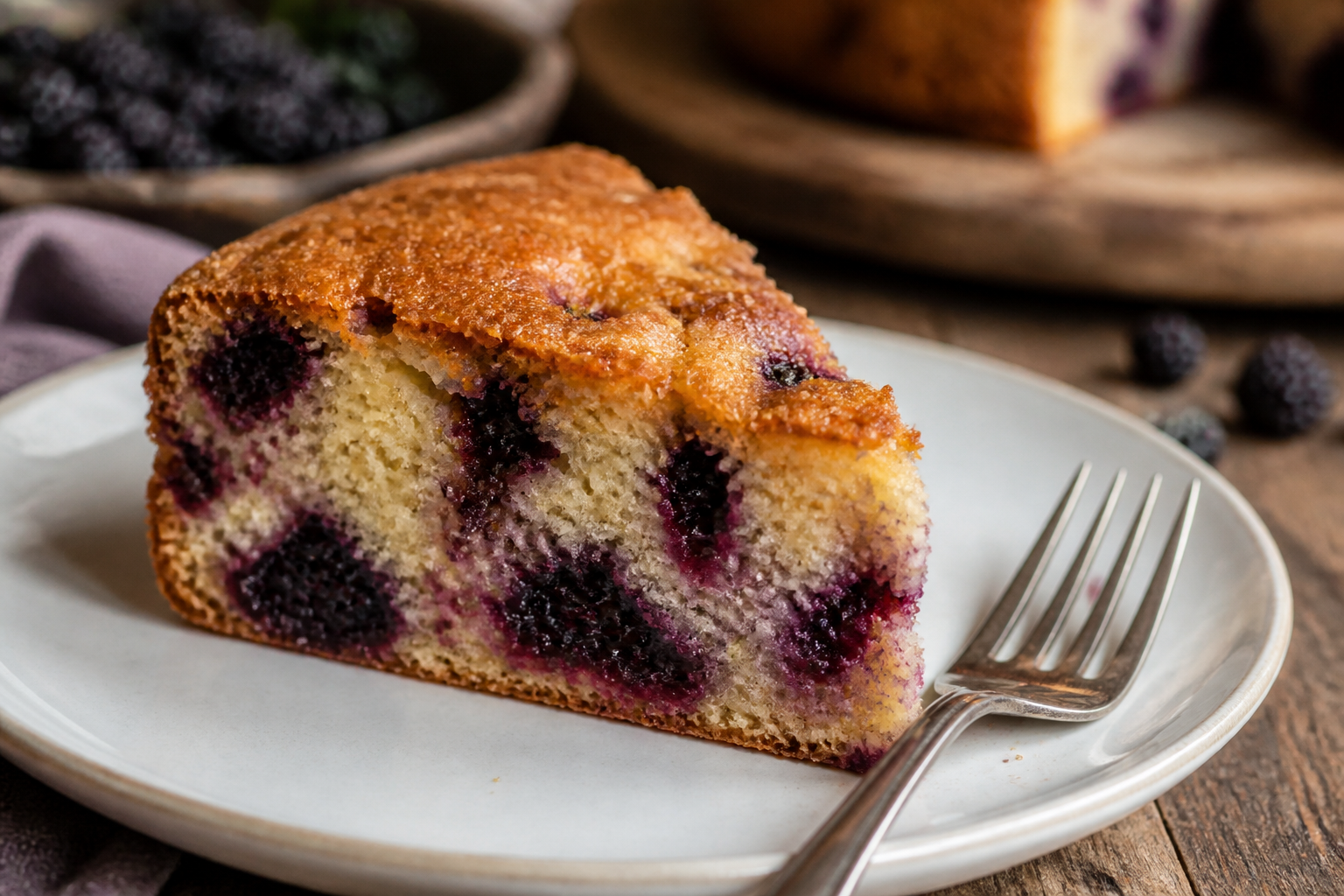
Ingredients:
- 1 3/4 cups all-purpose flour
- 1 teaspoon baking powder
- 1/2 teaspoon baking soda
- 1/4 teaspoon salt
- 1/2 cup unsalted butter, softened
- 3/4 cup sugar
- 2 large eggs
- 1 cup plain yogurt
- 1 teaspoon vanilla extract
- 1 1/2 cups fresh mulberries, plus a handful extra for topping
Instructions:
- Heat your oven to 350°F (175°C). Coat a 9-inch cake pan (round or loaf shape) with butter and dust lightly with flour.
- Sift together the flour, baking powder, baking soda, and salt into a bowl; set it aside.
- In another bowl, beat the butter and sugar together until light and airy, then crack in the eggs one at a time, beating after each addition.
- Mix in the yogurt and vanilla extract until everything is combined.
- Add the dry mixture to the wet mixture and stir until just blended—stop when no flour streaks show, but don’t overmix.
- Carefully fold in most of the mulberries, saving a few for the surface.
- Pour into the pan and scatter the reserved berries across the top.
- Bake for 45–50 minutes, testing with a toothpick at the center—it should come out clean.
- Cool in the pan for 15 minutes, then turn out onto a wire rack to cool fully before cutting.
Preserve the Sweetness: Homemade Pakistani Mulberry Jam (Without Pectin)
Mulberry jam is the ultimate way to stretch the season. This recipe skips commercial pectin entirely—the berries contain enough natural pectin to set on their own.
Ingredients:
- 4 cups fresh mulberries, washed and stemmed
- 2 cups sugar
- 2 tablespoons lemon juice
Instructions:
- In a heavy-bottomed pot, combine the mulberries, sugar, and lemon juice, then let sit for 30 minutes so the berries release their liquid.
- Set the pot over medium heat and bring to a rolling boil, stirring regularly and watching for foam on the surface.
- Lower the heat and let it bubble away for 25–35 minutes, stirring and skimming foam, until the mixture becomes thick enough to coat a spoon.
- Test by dropping a small amount on a cold plate—if it wrinkles when you push it with your finger, it’s done.
- Spoon the hot jam into sterilized jars, leaving 1/4 inch of space at the top.
- Either seal and process in a boiling water bath for 10 minutes, or cool and refrigerate to use within three weeks without processing.
Beyond Dessert: Exploring Savory Dishes with Pakistan Mulberries
Shahtoot doesn’t belong only on the dessert side of the plate. The fruit’s inherent sweetness pairs unexpectedly well with salt, spice, and tang, opening doors to savory territory that many cooks overlook.
A Perfect Pairing: Spicy & Sweet Mulberry Chutney for Snacks and Meals
This chutney works beautifully alongside samosas and pakoras, or as an unexpected condiment on a grilled cheese sandwich. The layers of spice, fruit sweetness, and vinegar acidity make it versatile enough to reach for repeatedly.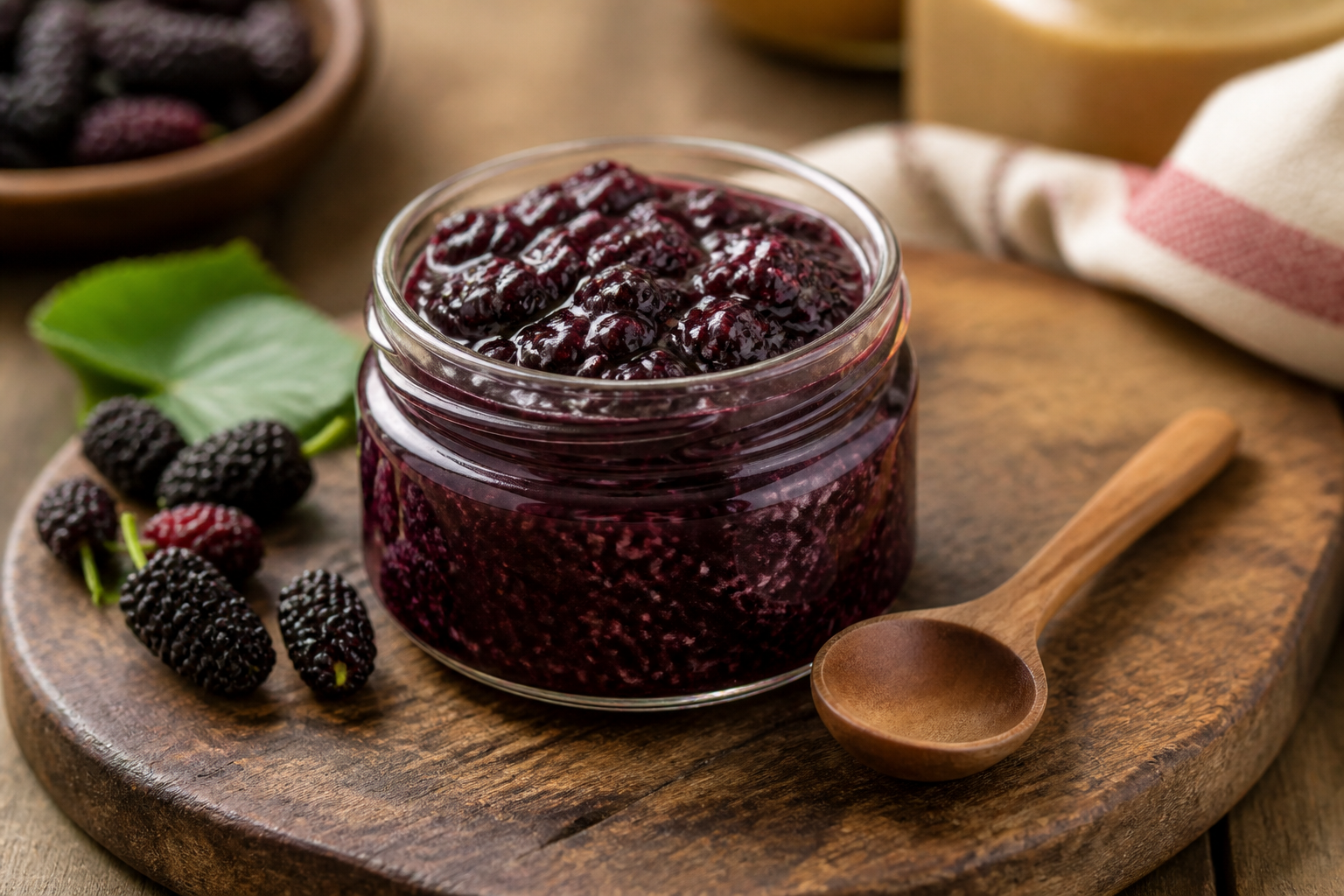
Ingredients:
- 2 cups fresh mulberries, washed and stemmed
- 1/2 cup brown sugar or jaggery
- 1/4 cup apple cider vinegar
- 1 small onion, finely chopped
- 1 teaspoon grated fresh ginger
- 1 clove garlic, minced
- 1/2 teaspoon red chili flakes (adjust to taste)
- 1/2 teaspoon roasted cumin powder
- 1/4 teaspoon salt
Instructions:
- Toss all ingredients together in a saucepan and place over medium heat.
- Bring to a gentle simmer, stirring now and then, and cook for 20–25 minutes until the mixture thickens and the onion turns see-through.
- Crush some berries against the side of the pan with the back of your spoon to get a chunky texture, or pulse briefly in a blender if you prefer something smoother.
- Taste and adjust the salt, sweetness level, or heat to your liking.
- Cool completely, then spoon into a clean jar. Keep refrigerated and use within two weeks.
Healthy & Hearty: Mulberry and Chickpea Salad with a Mint Vinaigrette
This salad works as a light lunch or a side dish at a cookout. The combination of protein, fiber, and the unexpected fruit sweetness makes it interesting enough that people will ask for seconds.
Ingredients:
- 1 can (15 oz) chickpeas, drained and rinsed
- 1 cup fresh mulberries
- 1/2 cucumber, diced
- 1/4 cup red onion, thinly sliced
- 1/4 cup crumbled feta cheese (optional)
- 2 tablespoons fresh mint, chopped, plus extra leaves for garnish
- 3 tablespoons olive oil
- 1 tablespoon lemon juice
- 1 teaspoon honey
- Salt and pepper, to taste
Instructions:
- Gather the chickpeas, mulberries, cucumber, and red onion in a large bowl.
- In a small bowl, whisk the olive oil, lemon juice, honey, chopped mint, salt, and pepper together to make the dressing.
- Pour the dressing over the salad and toss gently, taking care not to squash the berries.
- Scatter feta and extra mint leaves on top.
- Serve right away, or refrigerate for 20 minutes to let the flavors get to know each other.
A Unique Twist: Pakistan Mulberry Glaze for Grilled Chicken or Paneer
A mulberry glaze transforms grilled meats and cheese with a sweet-tangy crust. The berries break down to create a glossy coating that caramelizes beautifully over heat.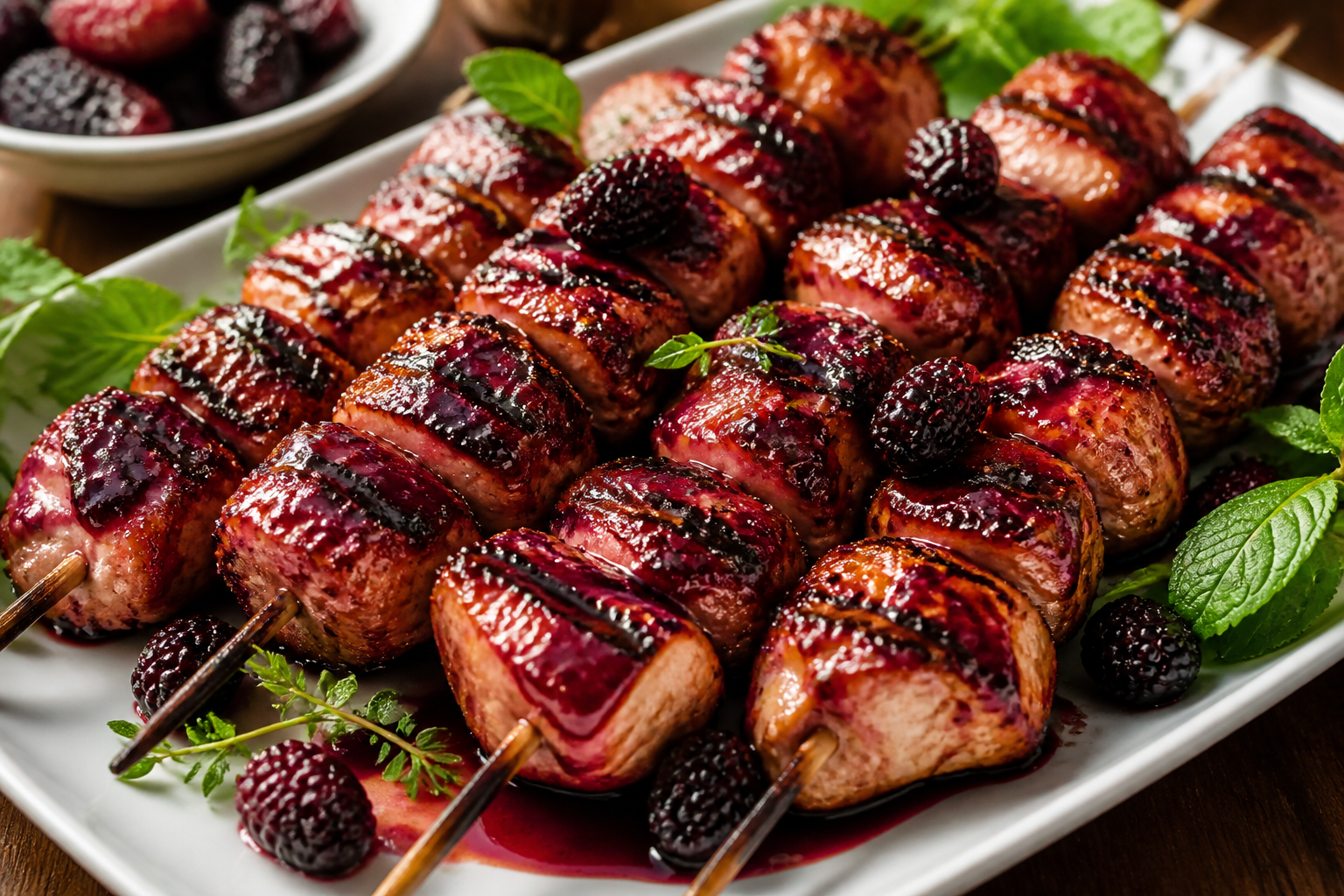
Ingredients:
- 1 cup fresh mulberries
- 2 tablespoons brown sugar
- 1 tablespoon soy sauce
- 1 tablespoon apple cider vinegar
- 1 clove garlic, minced
- 1/2 teaspoon grated fresh ginger
- 1/4 teaspoon red chili flakes
- 1 tablespoon water, as needed to thin
Instructions:
- Put the mulberries, brown sugar, soy sauce, vinegar, garlic, ginger, and chili flakes into a small saucepan.
- Bring to a simmer over medium heat, mashing the berries as they soften and release their juice.
- Cook for 10–12 minutes, stirring every minute or so, until the mixture becomes thick and shiny. Add a tablespoon of water if it gets too thick to brush.
- If you want a smoother glaze, strain it through a fine sieve, pressing the solids to extract every bit of liquid.
- During the last 5–8 minutes of grilling your protein, brush the glaze on, turn it, and brush again to build a caramelized coating.
- Drizzle any leftover glaze over the plated dish right before serving.
Tips from the Kitchen: Cooking and Baking with Mulberries
Handling shahtoot correctly makes the difference between recipes that work and ones that fall flat. These berries demand a gentle touch.
How to Select and Store Fresh Pakistan Mulberries
When you’re at the market or picking from a tree, reach for berries that are firm, glossy, and deeply colored. Avoid anything soft, dried-looking, or spotted with mold. These berries spoil fast—they’re best used within a day or two of picking. Store them in a single layer on a paper-lined dish in the fridge. Don’t rinse them before storage; water speeds decay. Wait to wash until you’re ready to use them.
Quick Tips for Preparing Mulberries for Your Recipes
- Washing: Place them in a colander and run cool water gently over them. High water pressure damages the delicate skin.
- De-stemming: The tiny green stems can be tedious to pull off individually. If you’re making jam, puree, or sauce, you can leave them on and strain afterward. For cakes or salads where whole berries matter, pinch each one off by hand.
- Freezing: When you have more than you can use, spread them on a baking sheet, freeze solid, then transfer to a freezer bag. They’ll keep for months, perfect for smoothies or cooking later.
Conclusion: Embrace the Versatility of the Mighty Shahtoot
The Pakistan mulberry deserves a place in your kitchen as often as the season allows. Whether you’re sipping a cold sharbat on a July evening or spreading homemade jam on toast in January, these berries reward the effort you put into using them well. The recipes here draw from what I’ve learned growing multiple cultivars over the years—nothing fancy, just techniques that work. Next time shahtoot shows up at your market or on a neighbor’s tree, grab a handful. You’ll have no trouble finding something delicious to do with it.
The right equipment transforms how you manage and harvest your mulberry planting. Here are six essential tools that make the work more efficient and less damaging to the trees:
The Pruning Shears That Finally Let Me Harvest Without Damaging the Branches
When you’re taking fruit or managing your trees for next year’s yield, weak or dull pruners will crush canes and leave torn bark that invites disease. I spent years fighting with bypass shears that slipped off thick woody stems, tearing bark as they failed to cut cleanly. Switching to anvil-style pruners put an end to that damage and made the actual work faster.
What works
- The anvil blade cuts through thick mulberry canes with a crushing action that doesn’t splinter or peel back bark the way slipping bypass blades do.
- Handling season-end cleanup on older wood becomes manageable—no second person needed to brace the branch while you cut through it.
- Your hands and forearms stay fresher through late-summer pruning work; the mechanical advantage of the anvil design means less strain when you’re cutting dozens of thick canes.
What doesn’t
- The anvil blade dulls and needs regular sharpening; after sustained use over hard seasons, the blade can start crushing instead of cutting, and honing it on a whetstone may become necessary.
- If you’ve always used bypass pruners, the anvil’s flat blade feels wrong in your hand at first—it sits differently, and you have to adjust your angle, especially on tender new growth that’s softer.
I’ll admit I almost abandoned them halfway through my third season when the blade dulled and I went back to my old bypass shears out of frustration—but five minutes with a whetstone brought them back to life. For serious mulberry growers who prune regularly, this investment pays for itself in healthier trees. Check out anvil pruning shears if you’re ready to stop fighting your tools.
Frequently Asked Questions
How do I know when mulberry jam is set?
Drop a small amount on a cold plate, and if it wrinkles when pushed with a finger, it’s done. Let the jam bubble over low heat for 25-35 minutes, stirring and skimming foam, until it thickens enough to coat a spoon. Jar it hot, leaving 1/4 inch of space at the top.
Can I freeze Pakistan mulberries for cooking later?
Yes, and it’s what I do with any surplus. I spread the berries on a baking sheet, freeze them solid, then transfer them to a freezer bag, where they keep for months and work well in smoothies or cooked dishes. Fresh shahtoot is best used within a day or two of picking, so freezing saves a big haul.
Do I need to remove mulberry stems before cooking?
It depends on the recipe. For jam, puree, or sauce I leave the tiny green stems on and strain them out afterward, which saves a lot of tedious work. For cakes or salads where whole berries matter, I pinch each stem off by hand. Wash gently in a colander under cool water either way.
When should I brush mulberry glaze onto grilled chicken?
Brush the glaze on during the last 5-8 minutes of grilling, then turn the protein and brush again to build a caramelized coating. Simmer the glaze for 10-12 minutes first, mashing the berries until the mixture is thick and shiny, adding a tablespoon of water if it gets too thick to brush.
Keep Reading
About This Article

Written by Ruth Nakamura. Ruth Nakamura is a backyard orchardist in the Pacific Northwest who has grown mulberries for fifteen years, cultivating twelve different varieties in her own backyard. Not a horticulturist by formal training - she shares what she has learned through hands-on growing, workshops, and connecting with nurseries and growers across the country. More about this site.
Scope and limits. Ruth is a backyard orchardist without formal horticultural training. Growing conditions vary enormously by region, so confirm variety, timing, and pest guidance with your local extension service.
Verify this against a primary source
Specifics change, and your situation may differ from the one described here. These are the authorities worth checking directly:
- USDA Plant Hardiness Zone Map — zone verification for your location
- Oregon State University Extension — fruit growing and pruning research
- USDA PLANTS Database — species range and identification