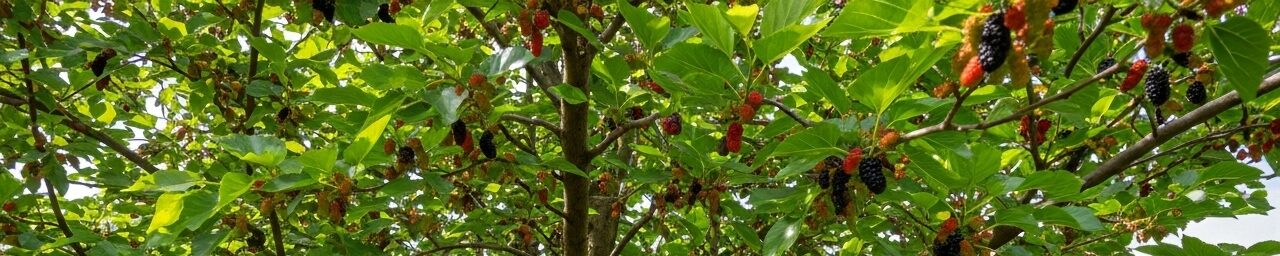
Discovering the Unique Taste Profile of Mulberries: What Makes Them Special
Mulberries are a fascinating fruit with a distinct taste profile that sets them apart. Their flavor is often described as a complex blend of woody, spicy, and fruity notes. This unique combination makes mulberries a delightful addition to various culinary dishes. However, to truly appreciate their special qualities, one must dive into the science behind their flavor and aroma.
The Chemistry of Mulberries
What I Recommend
If you’re serious about harvesting your mulberries efficiently, a good berry picking tool makes all the difference. The byMall Berry Picking basket has saved my hands and my harvest—those ripe berries practically roll into it, and you’ll spend more time enjoying the moment and less time hunting through branches.
Once you’ve picked your mulberries, a quality dehydrator or food mill lets you preserve them properly. The Magic Mill Food dehydrator has been a game-changer for me—I can dry my harvest in a way that concentrates all those special flavors and nutrients mulberries are known for, so nothing goes to waste.
For the serious mulberry enthusiast who wants to turn their harvest into jams, sauces, or wine, a powerful blender is worth its weight in gold. My Vitamix Ascent Blender handles fresh and frozen mulberries with ease, breaking down every berry so you can make everything from smoothies to preserves without any grittiness.
If you’re looking for specialty mulberry varieties to expand your orchard, Uglie Acres, Mulberry has consistently provided me with quality plants and solid growing advice. They understand what makes certain mulberry varieties special, and I trust their selection.
The Chemistry Behind Mulberry’s Distinctive Taste
The flavor profile of mulberries stems from a complex interplay of chemical compounds. These molecules work together to create the fruit’s signature taste. Volatile organic compounds form the foundation of what our taste buds detect. Moreover, the concentration of these compounds varies based on ripeness and variety. Scientists have identified over 50 distinct flavor compounds in mulberries. Each compound contributes a specific note to the overall taste experience.
Esters: The Fruity Foundation
Esters serve as the primary drivers of mulberry’s sweet, fruity character. These organic compounds form when acids combine with alcohols during the ripening process. For example, ethyl acetate produces a sweet, pear-like aroma that defines ripe mulberries. Additionally, butyl acetate adds banana-like undertones to the flavor profile. Methyl anthranilate contributes grape-like notes that enhance the berry’s complexity. Furthermore, these esters become more concentrated as the fruit matures. Consequently, fully ripe mulberries deliver a more intense fruity experience than their unripe counterparts.
Aromatic Compounds: Depth and Complexity
Beyond esters, mulberries contain numerous aromatic compounds that add sophistication. Terpenes, for instance, introduce subtle woody and earthy dimensions to the taste. These compounds are also found in pine trees and herbs. Meanwhile, phenolic compounds contribute slightly astringent and spicy notes. Eugenol, commonly associated with cloves, appears in trace amounts in mulberries. This explains the occasional warm, spicy hint detected when eating the fruit. In contrast, aldehydes provide green, fresh notes that balance the sweetness.
The Sensory Symphony
Therefore, the mulberry’s flavor represents a carefully orchestrated chemical composition. Each compound plays its designated role in the taste ensemble. However, the magic happens when these elements combine simultaneously on the palate. As a result, tasters experience layers of flavor that unfold progressively. The initial sweetness gives way to subtle earthiness and spice. This multidimensional quality makes mulberries memorable and distinct from other berries.
The Complexity of Flavonoids
Beyond simple sweetness, mulberries rely on complex chemical structures for their taste. Specifically, flavonoids play a crucial role in defining the fruit’s overall profile. These natural compounds contribute subtle notes of bitterness and necessary astringency. Consequently, they help balance the high sugar content found in ripe berries. Without flavonoids, the flavor experience might feel flat or overly cloying to the palate. Furthermore, these compounds interact with our taste buds to create a lingering finish. This interaction gives the mulberry its sophisticated and mature flavor character.
Anthocyanins: Color Meets Flavor
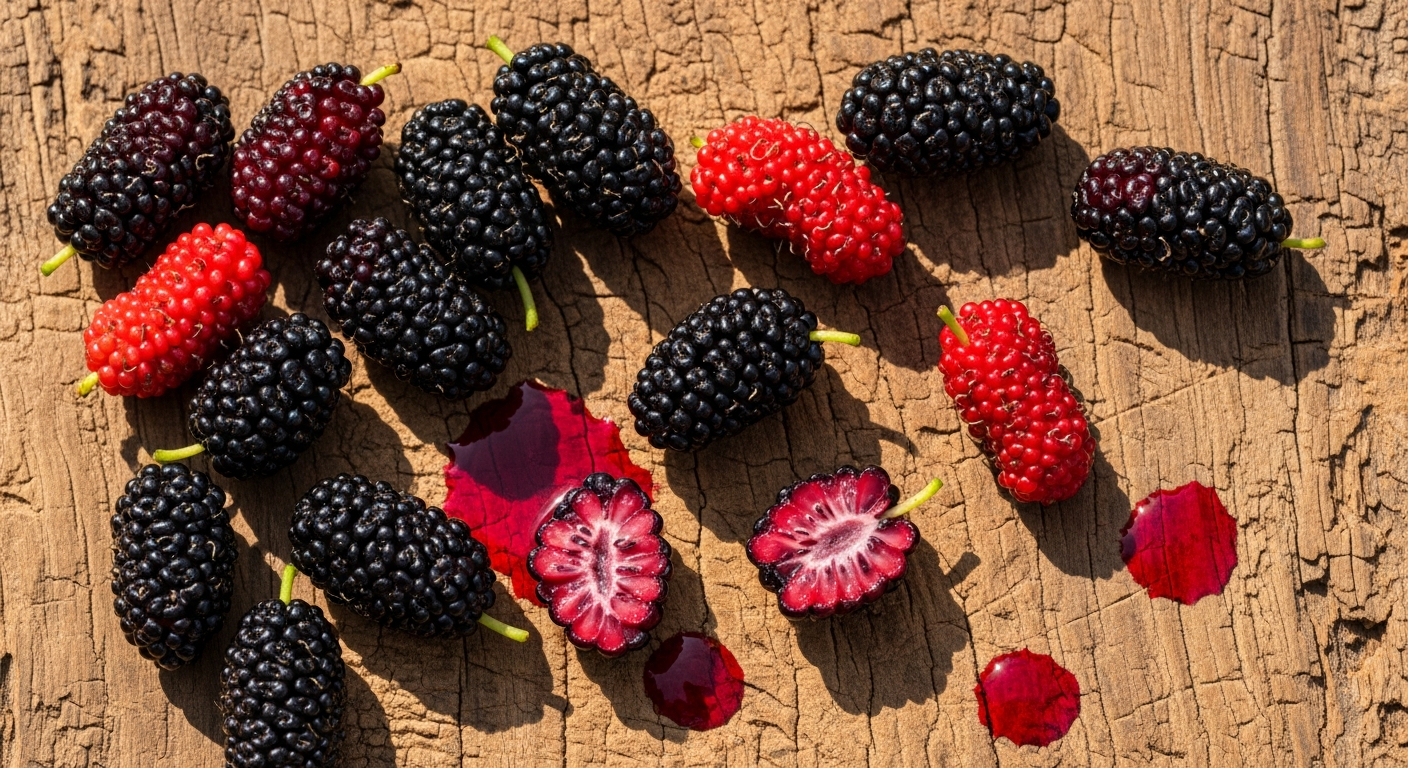
Anthocyanins are perhaps the most influential compounds found in these berries. Primarily, they act as powerful natural pigments within the fruit’s skin and flesh. For instance, they are responsible for the deep purple and black hues. However, their impact extends far beyond just visual appeal. In reality, these pigments also contribute to the berry’s slight acidity and tartness. Therefore, darker berries often possess a richer and more intense flavor profile than lighter varieties.
How Anthocyanins Function
- Visual Appeal: They provide vibrant, appetizing colors that signal ripeness.
- Flavor Depth: They introduce essential acidity that sharpens the taste.
- Chemical Stability: They help preserve the fruit’s quality during storage.
Nutritional Value of Flavor Compounds
Interestingly, the same chemicals that taste good are actually good for you. Notably, the anthocyanins in mulberries are potent antioxidants. They actively fight free radicals within the body to reduce oxidative stress. As a result, eating these berries supports cellular health and lowers inflammation. Additionally, research suggests these compounds may improve heart health and blood circulation. Thus, the intense flavor of a mulberry is a direct signal of its nutritional density. Ultimately, this makes the fruit a functional food source rather than just a sweet treat.
Why Mulberry Flavor Degrades Rapidly
The Science of Volatility
Mulberries rely on volatile organic compounds for their unique taste. Unfortunately, these specific molecules are highly reactive to oxygen. Once the berry separates from the stem, respiration rates spike. Consequently, the complex interplay of sugars and acids begins to collapse. Within mere hours, a berry can transform completely. It shifts rapidly from dynamic and zesty to dull and insipid.
Therefore, speed is a critical factor for enjoyment. The enzymatic activity breaks down the fruit’s internal structure instantly. Because of this, the “true” mulberry flavor is ephemeral. It exists only for a brief window after harvesting.
Sensory Changes and Texture
The degradation affects more than just sweetness level. Specifically, the aromatic top notes are the first to evaporate. These are the subtle floral scents that define fresh mulberries. Without them, the fruit tastes merely generic and sugary. Furthermore, the physical integrity of the berry fails quickly.
The cell walls break down, turning the firm flesh mushy. As a result, the mouthfeel becomes unappealing to many consumers. This texture change happens alongside the flavor loss. Thus, a stored mulberry provides a completely different sensory experience than a fresh one.
Logistics and Distribution Hurdles
Shipping these delicate fruits is nearly impossible for major retailers. Unlike blueberries, mulberries lack a thick, protective outer skin. Therefore, simply stacking them in crates causes significant damage. The weight of the top layer often crushes the bottom berries. Subsequently, juice leaks out and encourages rapid mold growth.
Because of this, fresh distribution remains strictly local. You will rarely find them in large supermarket chains. Instead, farmers markets are usually the only source for fresh inventory. Even then, vendors must handle the crates with extreme care.
Best Preservation Methods
Since fresh storage is difficult, processing offers a reliable solution. Many growers turn to immediate preservation techniques to save the harvest. Ideally, you should process the fruit on the very same day.
Here are the most effective methods for retaining flavor:
- Flash Freezing: This stops enzymatic activity and locks in the peak flavor profile.
- Dehydration: Drying concentrates the sugars, creating a chewy, candy-like taste.
- Jams and Jellies: Cooking stabilizes the volatile compounds with sugar and heat.
- Syrups: Extracting the juice preserves the essence for drinks and desserts.
Otherwise, the quality drops significantly within twenty-four hours. Thus, processed forms are the industry standard for this fruit.
Moreover, the soft texture of mulberries makes them prone to bruising, which further accelerates the degradation process. Consequently, fresh mulberries are best consumed soon after picking to enjoy their full flavor profile. This sensitivity also means that mulberries are less commonly found in grocery stores compared to more robust fruits like apples or oranges.
The Role of Mulberries in Culinary Uses
Mulberries offer a sophisticated flavor profile that intrigues the palate. Unlike common berries, they possess a distinct balance of sugar and acid. Furthermore, distinct woody and spicy undertones provide a lingering finish. This complexity resembles a blend of blackberries and grapefruit. Consequently, the fruit delivers a taste experience that is both familiar and exotic.
Elevating Sweet Creations
In the realm of desserts, this fruit is a culinary powerhouse. The berries break down beautifully when heated, releasing deep, violet-hued juices. Therefore, they are exceptionally suited for baking and preserves. The natural tartness helps balance the high sugar content in traditional recipes.
Popular sweet applications include:
- Rustic Pies: The structure holds up well inside flaky crusts.
- Vibrant Sorbets: Their acidity creates a refreshing, cold treat.
- Rich Syrups: Perfect for drizzling over pancakes or vanilla ice cream.
Additionally, dried mulberries add a chewy texture to cookies. They function similarly to raisins but offer a more complex, caramel-like flavor.
Savory Applications and Pairings
However, the berry’s potential extends far beyond sugary treats. Chefs often utilize mulberries to cut through rich fats in savory cooking. The fruit’s natural tannins mimic those found in red wine. Consequently, they are excellent companions for game meats.
Consider using a mulberry reduction with:
- Roasted Duck breast
- Grilled Venison
- Slow-cooked Pork belly
Moreover, fresh mulberries shine on charcuterie boards. Their brightness contrasts sharply with savory dairy products. For instance, they pair perfectly with tangy goat cheese or pungent blue cheese. This combination creates a sophisticated appetizer that highlights the berry’s versatility.
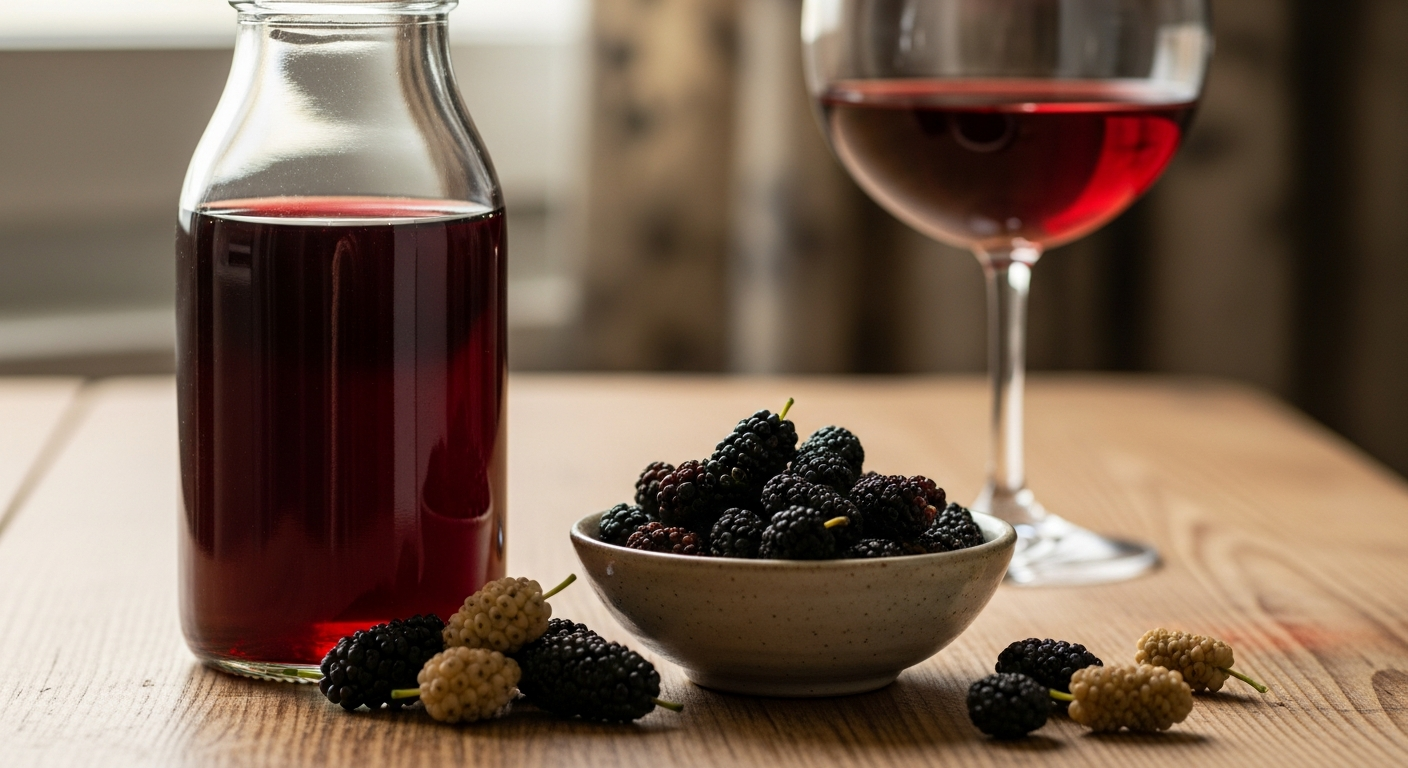
Additionally, mulberries can be dried or processed into juices and wines. These products capture the essence of the fruit, allowing for longer storage and broader distribution. Dried mulberries, in particular, offer a concentrated source of flavor and nutrients, making them a popular choice for snacks and baked goods.
Conclusion
The Complexity of the Mulberry Palate
Mulberries stand apart from common garden berries due to their intricate character. Primarily, their flavor profile is far more advanced than simple sweetness. Unlike the straightforward tartness of raspberries, mulberries possess a deep, earthy richness. Specifically, many palates detect hints of cedar, baking spices, or even mild grapefruit. Consequently, this complexity makes every bite a sensory adventure.
The balance shifts depending on the specific variety you taste. Darker berries usually offer intense, wine-like sweetness. In contrast, white or red varieties often remain tart and refreshing. Therefore, identifying your preferred variety is key to enjoyment.
The Science Behind the Taste
Furthermore, the science behind this flavor is fascinating. A unique symphony of volatile compounds creates that signature aroma. For instance, specific esters contribute fruity high notes that dance on the tongue. Meanwhile, underlying phenolic compounds provide a slightly astringent body.
This chemical makeup explains why the taste lingers pleasantly. In fact, the experience is often compared to a fine merlot or cabernet. Additionally, the high sugar content balances the acidity naturally. This results in a fruit that requires very little enhancement.
Why You Can’t Buy Them
However, you rarely see fresh mulberries in grocery stores. Unfortunately, their physical structure is incredibly fragile. The skin is extremely thin, and the flesh crushes under its own weight. As a result, shipping them over long distances is nearly impossible.
They also have a very short shelf life. Once picked, the berries begin to ferment or spoil within hours. Therefore, commercial farmers often ignore them in favor of sturdier fruit like strawberries. Consequently, this scarcity adds to their allure among food enthusiasts.
Culinary Versatility
Despite these hurdles, chefs cherish mulberries for their adaptability in the kitchen. They transform simple dishes into gourmet experiences. For example, their high acidity cuts through rich fats perfectly.
Here are some popular ways to utilize this fruit:
- Jams and Jellies: The natural pectin helps create a thick, spreadable preserve.
- Baked Goods: They hold their shape reasonably well in muffins or rustic galettes.
- Savory Sauces: Surprisingly, a mulberry reduction pairs beautifully with duck or venison.
- Beverages: They make excellent syrups for cocktails or homemade wines.
The Fresh Experience
Ultimately, the best way to eat them is straight from the tree. Indeed, the window of peak flavor is incredibly brief. A berry picked ten minutes ago tastes better than one picked an hour ago. Thus, foraging becomes a rewarding ritual for enthusiasts.
The explosion of juice is unmatched by store-bought fruit. Moreover, the stained fingers are a badge of honor for berry lovers. Finally, this fleeting availability makes the mulberry season feel truly special. Source
*As an Amazon Associate, I earn from qualifying purchases.