Why I Know This Subject
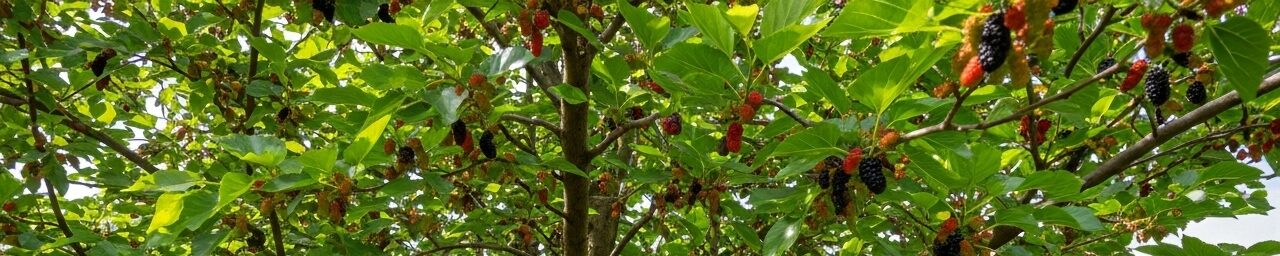
I walk past my Pakistan mulberry most mornings on the way to check on the younger stock, and that one tree — now in its ninth year — taught me more about deer behavior than anything I could have read. I planted it without thinking about deer at all. Just grabbed what the nursery had in stock that spring. What became clear over time is that not all mulberry varieties trigger the same browsing pressure, and that choice you make before you even dig the hole can mean the difference between a productive tree and one that spends its entire life getting hammered.
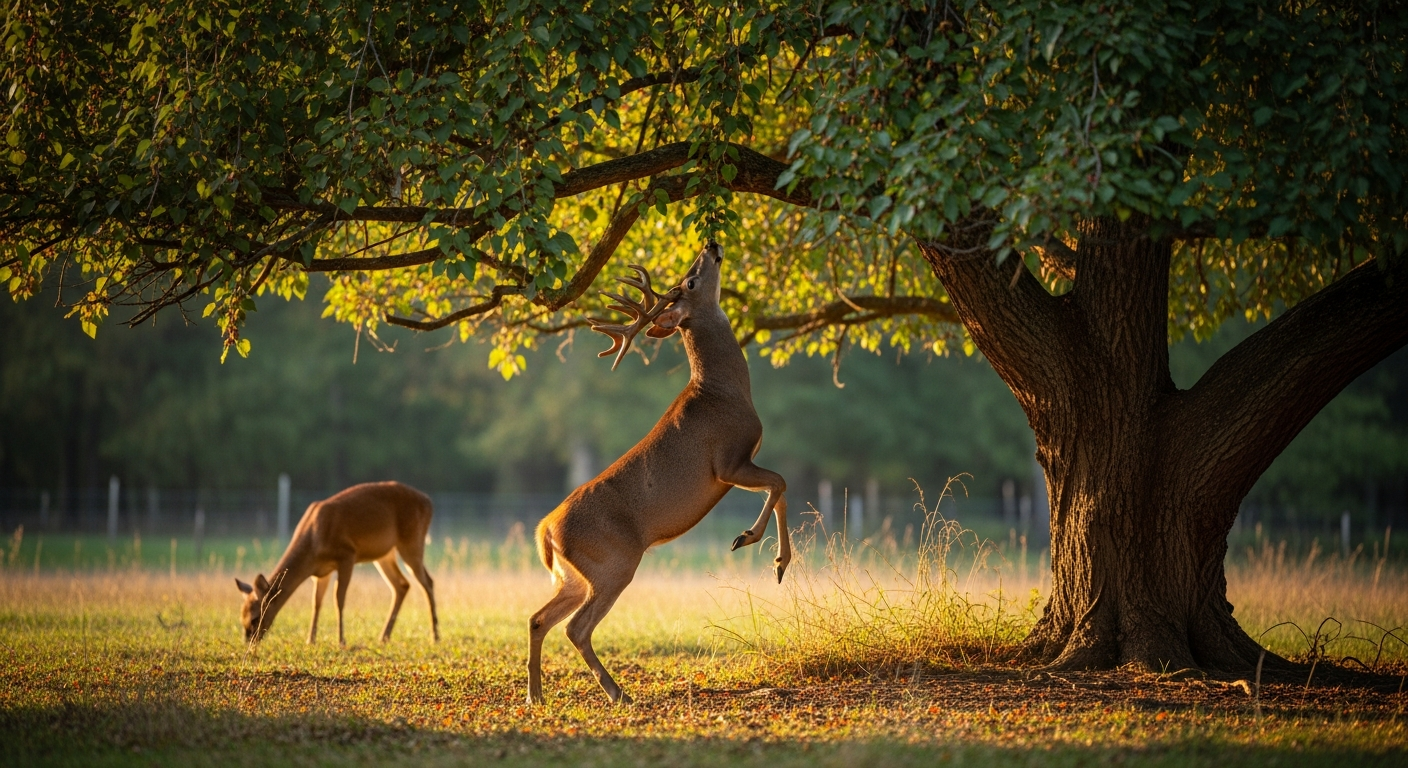
Deer browsing can be a serious challenge for mulberry growers. Does can strip fresh shoots clean in a single night, and young trees may be girdled or fail to recover from heavy damage. While online advice often oversimplifies the problem, protecting mulberries from deer requires understanding both the cultivars most vulnerable to browse and the protection methods that actually work beyond basic fencing.
| Variety | Browse Category | Key Characteristics |
|---|---|---|
| Illinois Everbearing | Heavy browsers | Vigorous spring flush of soft, tender shoots |
| Common Morus alba cultivars | Heavy browsers | Soft leaves, rapid growth, highly palatable |
| Pakistan | Heavy browsers | Exceptional flavor, high deer appeal |
| Morus rubra (Red Mulberry) | Moderate browsers | Slightly tougher, less succulent leaves |
| Shangri-La | Moderate browsers | Lower preference rating, less aggressive browsing |
Understanding Deer Damage to Mulberry Trees
You’ll encounter conflicting advice online about deer and mulberries. One camp claims that deer avoid mulberries entirely because the leaves are too fibrous or unpalatable. The other insists deer will decimate them given the chance. The second group is right—at least when it comes to the cultivars and growing conditions most backyard orchardists face. Deer damage to mulberries can be severe: stunted growth, collapsed fruit yields, and in some cases, young trees that simply don’t recover.
What Actually Draws Deer to Your Mulberries
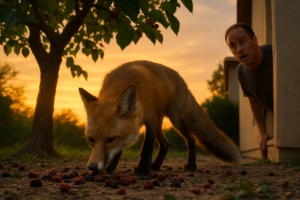
Deer don’t graze randomly. They’re perpetually hunting for vegetation packed with protein and easy to process. Mulberry leaves tick both those boxes—they’re protein-dense and soft enough that a deer’s digestive system doesn’t have to work overtime. Beyond nutrition, there’s the sugar content in ripening fruit, which acts like a seasonal magnet. During late summer and into fall, when food becomes genuinely scarce, a mulberry tree becomes less a snack and more a banquet worth defending access to.
The timing is especially bad for growers. Peak deer browse activity kicks in late spring through early summer—the exact window when mulberry trees are generating the fresh growth that becomes your fruit-bearing wood. Getting browsed during this window disrupts fruit set, can delay harvesting by a full season, and with younger trees, the stress can compromise structural development for years.
Which Mulberry Varieties Deer Target Most
Here’s what I’ve observed across my twelve trees: not all mulberry varieties read the same way to deer. This matters because if you’re gardening where wildlife pressure runs high, variety selection is your first line of defense.
Heavy browsers (deer favorites)
- Illinois Everbearing: Deer treat this like a salad bar. The vigorous spring flush of soft, tender shoots is exactly what they’re hunting for. I’ve watched does work through an entire tree’s new growth in a couple of nights.
- Common Morus alba cultivars: The white mulberry types grown for fruit tend to be highly palatable to deer. Their leaves are soft, their growth is rapid, and they signal “easy meal.”
- Pakistan: My own Pakistan mulberry got hammered in its early years before I installed protection. The flavor that makes this variety exceptional for eating apparently translates to deer appeal.
Moderate browsers (less preferred)
- Morus rubra (Red Mulberry): Native red mulberry’s leaves are slightly tougher and less succulent. Deer will browse them when pressure is high and options are limited, but they don’t seek them out the way they do white mulberry types.
- Shangri-La: My Shangri-La gets browsed, but less aggressively than the Illinois Everbearing right next to it. Something about the leaf texture or chemistry seems to rate it lower on deer’s preference list.
This doesn’t mean you should avoid the deer favorites entirely—some of the best fruiting varieties are exactly what deer love most. But knowing the risk profile helps you plan your protection strategy from day one.
The Most Dangerous Time: Young Trees and Autumn Rut
Saplings shorter than four feet are sitting ducks. They haven’t yet built up that tough, woody lower trunk that mature trees develop, and every inch from the growing tip down is within reach and tempting. That Pakistan mulberry I mentioned caught this exact fate in year two.
Then there’s the autumn damage window. When bucks are in rut, they thrash saplings with their antlers—scraping velvet and marking territory. This isn’t browse damage; it’s trauma. The bark gets shredded, the cambium layer ruptures, and you can end up with a girdled or permanently disfigured tree if the damage is severe enough. I’ve seen beautiful three-year-olds effectively killed by a single buck’s afternoon workout.
The Tree Guards I Use on Every Sapling
Mulberries in their early years can be killed outright when deer strip the bark all the way around the trunk—my own experience taught me that lesson painfully. I almost accepted losing a third sapling before I hunted down a solid guard that was tough enough to turn away deer but wouldn’t harm the bark underneath.
Where these excel
- The mesh construction has enough strength to withstand deer hooves and antlers while avoiding the stale, trapped-air environment that solid plastic cylinders create. Bark under the guard stays dry and continues maturing normally.
- At roughly sixteen inches tall, it covers the precise browse zone where deer cause the most damage. The bundled fasteners and ground anchors mean I can secure each tree in about ten minutes with no fiddling required.
- Two seasons running now on my trees, and the metallic construction hasn’t shown wear, splitting, or structural failure like I’ve seen from budget plastic alternatives.
What to watch for
- This guard has a fixed diameter and won’t stretch as your mulberry thickens. When your trunk reaches about five inches around, you’ll need to swap it for something larger—I’m already tracking that timeline for two of my trees.
- Determined smaller herbivores still slip through. Rabbits will chew bark at ground level if the guard rim isn’t seated flat against soil, and I discovered a vole colony tunneling underneath one guard I’d failed to anchor snugly.
I was skeptical the first winter—snow piled up around the guards and I worried about trapped moisture and fungal issues—but when I removed them for inspection in early spring, the bark looked perfect. If you’ve lost young mulberries to deer like I have, the HOLANHING Tree Trunk Protector is worth every penny.
Proven Strategies to Deter Deer Damage
My own strategy evolved through seasons of mistakes, partial successes, and occasional wins. The pattern that emerged consistently pointed toward one truth: no single tactic works reliably on its own. Layering approaches yields far better results.
Physical Barriers and Fencing
A solid fence stands as your most dependable line of defense. Eight feet of height is the baseline—these animals can clear far more than people assume when food or escape routes motivate them. I’ve moved toward electrified fence for larger plantings, though individual tree enclosures suit younger mulberries well. The fence line needs breathing room; set it back enough that your tree can expand over the coming years without eventually touching the barrier.
The trade-off is genuine. Fencing demands equipment, materials, skilled labor, and ongoing upkeep. Yet once operational, it delivers protection that’s difficult to argue with—close to absolute if maintained properly.
Repellents and Deterrents
Taste-based and scent-based repellents function by rendering foliage unpalatable or alarming. Capsaicin-derived products or those made from decomposing organic matter show promise, though rainfall and vigorous new growth require reapplication schedules. Shiny objects hung throughout the canopy or sprinkler systems triggered by motion introduce unpredictability—deer habituate to fixed obstacles, but a sudden spray or glint can disrupt their confidence enough to move on.
My own experiments with smell-based deterrents—predator urine, decaying matter, commercial preparations—have delivered inconsistent results. Success hinges on local herd population density and whether easier food options exist nearby.
Companion Plants That Help
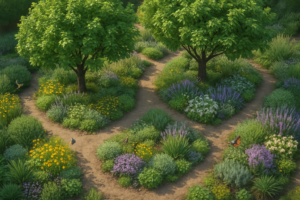
Deer reject plants with rough, spiky, or aromatic leaves. I’ve started arranging certain companions around my young mulberries in rings—the idea being cumulative sensory resistance that redirects deer toward easier alternatives elsewhere in the yard.
- Lamb’s ears: Thick, fuzzy foliage that deer avoid. Grows well beneath mulberry canopy.
- Daffodils: Spring-blooming bulbs carrying bitter toxins. Naturalizing these beneath young mulberries provides protection during the critical early season when new growth is most tempting.
- Thorny barberry: Creates a physical barrier deer won’t push through. Good as a perimeter plant around your mulberry zone.
- Clumping grasses: Dense, coarse texture. Deer prefer softer targets when given a choice.
This isn’t a standalone solution. But layered with other strategies, these plants add another reason for deer to move along.
Habitat Management
Reduce your property’s magnetism to browsing wildlife overall. Cut back competing food sources where feasible, clear lower brush and overgrown grass that provides concealment, and remove resting spots positioned near your mulberries. Open terrain exposes deer to predators and observation, a sensation that makes them uncomfortable. A landscape deliberately thinned around your fruit trees naturally dampens lingering behavior.
Heavy-Duty Leather Gloves for Fence Work and Branch Pruning
Assembling and repairing deer exclusion fencing means contending with sharp wire edges, splintered wooden posts, and thorny growth for extended stretches. Standard cotton gloves surrender within minutes.
What works
- Leather withstands the abuse of pulling and tensioning fencing wire—I’ve built three separate protective cages now, and these have outlasted thinner alternatives by a significant margin.
- You maintain enough tactile feedback to tie off sections, adjust height, and perform precision work without sacrificing your grip.
- Rain dries quickly and the material resists absorbing odors that might alarm nearby wildlife.
What doesn’t
- The reinforced palm surface deteriorates with sustained fencing projects—a second season of heavy installation work often necessitates a replacement set.
- Water-resistant does not mean waterproof; all-day rain while working fence lines will eventually saturate them.
The cost per hour of use pencils out better than replacing torn gloves every other weekend. Get yourself a pair of leather gardening gloves before you start that first fence section.
The Wildlife Side: Why Mulberry Trees Are Worth the Effort
Here’s the thing nobody mentions enough: despite the deer headaches, mulberry trees support extraordinarily diverse wildlife. Those ecological returns are part of what justifies the protection effort you invest. A mature mulberry becomes a self-sustaining center for animal activity, and watching that unfold in your own yard is genuinely one of the rewards of growing them.
I’ve got an evening grosbeak that returns to the same tree every July. My neighbor started photographing the mourning cloak butterflies that use her mulberry as a host plant for her caterpillars. This isn’t just about fruit—these trees are infrastructure for the whole ecosystem.
Butterflies and moths
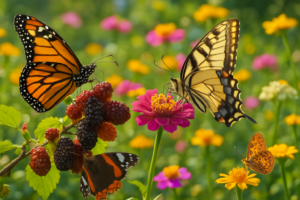
Mulberry foliage functions as essential host plant for diverse butterfly and moth populations. Mourning cloak butterflies maintain a particularly close relationship with mulberries—females actively seek them out for egg laying, and the newly hatched caterpillars feed communally on the leaves. A solitary mulberry tree can sustain multiple butterfly generations in a single season.
Once those caterpillars emerge as adults, they become pollinators for your entire garden. The mulberry tree indirectly boosts productivity across your landscape.
Birds
Songbirds converge on ripening mulberries during summer. They devour berries while simultaneously hunting insects in the foliage. Regular visitors to my trees include orioles, tanagers, and grosbeaks. The shade and structure provide shelter during hot afternoons and storm fronts.
Small mammals
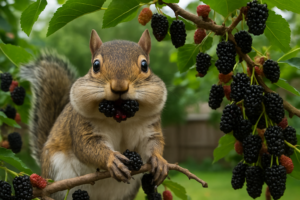
Fox squirrels scramble up the tallest branches targeting the darkest, ripest fruit. Chipmunks collect fallen berries for caching. And here’s the interesting part: these smaller creatures function as inadvertent seed dispersers. When they bury seeds for winter retrieval and forget the location, you end up with new mulberry seedlings in unexpected places. Nature’s way of expanding your orchard on its own.
Native versus introduced mulberries
If you’re thinking about this from an ecological standpoint, prioritize native Morus rubra (Red Mulberry) over introduced Morus alba (White Mulberry) where possible. Native red mulberry supports a wider range of native butterfly and moth species that evolved alongside it. Both types appeal to deer, but only red mulberry delivers maximum conservation benefit.
Making This Work Long-Term
Effective deer management rests on building redundancy into your defenses. Start with variety awareness—know what you’re planting and what that means for your local deer pressure. Establish physical protection for young trees as your foundation layer, then reinforce with companion plants and repellents as secondary safeguards. Pay attention to your trees throughout the growing season—browse marks and bark stripping signal which strategies are holding and which need adjustment.
Conditions shift. What suppresses herd activity in one year may require modification as local populations and behavior patterns move. The commitment mulberry protection demands is real, but the payoff—trees that flourish and produce consistently, supporting wildlife and filling your kitchen with fruit—justifies every hour invested.
The mulberry deer learn to leave alone is usually the one the grower learned to protect early. Make that your tree.
Frequently Asked Questions
When should I replace a fixed-diameter mulberry tree guard?
Swap it once the trunk reaches about five inches around, because the guard has a fixed diameter and won’t stretch as the mulberry thickens. I’m already tracking that timeline for two of my trees. Leaving a guard on a trunk that has outgrown it defeats the purpose, so plan on stepping up to something larger.
Do rabbits or voles get under metal mesh tree guards?
Yes, they can. Rabbits will chew bark at ground level if the guard rim isn’t seated flat against the soil, and I found a vole colony tunneling underneath one guard I’d failed to anchor snugly. The mesh turns away deer, but determined smaller herbivores still slip through, so seat and anchor the rim firmly.
Do predator urine repellents actually stop deer browsing mulberries?
In my experience they’re inconsistent. I’ve experimented with predator urine, decaying matter, and commercial preparations, and results varied season to season. Success hinges on local herd population density and whether easier food options exist nearby. Rainfall and vigorous new growth also force reapplication, so I treat scent deterrents as a secondary layer behind physical protection.
Which mulberry should I plant for native butterflies and moths?
Native Morus rubra, red mulberry, is the better choice ecologically, since it supports a wider range of native butterfly and moth species that evolved alongside it than the introduced Morus alba does. Mourning cloak females actively seek mulberries for egg laying. Keep in mind both types appeal to deer, so protection is still needed.
Keep Reading
About This Article
Written by Ruth Nakamura. Ruth Nakamura is a backyard orchardist in the Pacific Northwest who has grown mulberries for fifteen years, cultivating twelve different varieties in her own backyard. Not a horticulturist by formal training - she shares what she has learned through hands-on growing, workshops, and connecting with nurseries and growers across the country. More about this site.
Scope and limits. Ruth is a backyard orchardist without formal horticultural training. Growing conditions vary enormously by region, so confirm variety, timing, and pest guidance with your local extension service.
Verify this against a primary source
Specifics change, and your situation may differ from the one described here. These are the authorities worth checking directly:
- USDA Plant Hardiness Zone Map — zone verification for your location
- Oregon State University Extension — fruit growing and pruning research
- USDA PLANTS Database — species range and identification