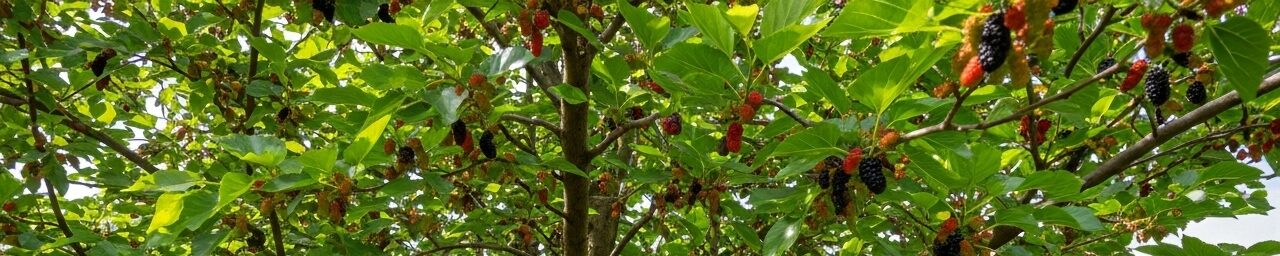
A late frost hit my region that April—the kind that comes roaring in after two warm weeks have already pushed new growth halfway out—and I watched my mulberry’s early leaves turn papery and gray. But something unexpected happened in the aftermath. As the damaged foliage fell and fresh leaves emerged, the tree seemed to throw a full-scale celebration. By early June, the canopy was denser than I’d ever seen it, the flowers were heavier, and suddenly the air around those branches felt alive with movement. That’s when I first really *saw* what was landing there: swallowtails, purples, emperors, and insects I couldn’t even name, all converging at once. The frost damage, which I’d mourned as a setback, had somehow triggered conditions that turned my mulberry into an irresistible magnet for butterflies and pollinators. It was a moment that completely reframed how I understood the tree.
Why Mulberry Trees Are a Secret Magnet for Butterflies and Pollinators
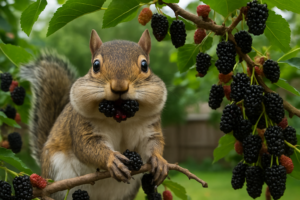
For years, I treated my mulberry as a solo act—plant it, harvest the fruit, call it a season. What I never stopped to consider is that mulberries operate as genuine ecosystem anchors. The flowers themselves are modest and rely on wind rather than insects, but the tree’s total offering runs far deeper than that. Those large, wrinkled leaves serve as nurseries for silkworm pupae and caterpillars belonging to several native moth species. The fruiting display feeds not just my own table but entire communities of birds, small mammals, and fruit-loving insects. The architectural density of the canopy creates pockets of shade and shelter that beneficial insects actively seek out during hot afternoons or when they need protection from predators.
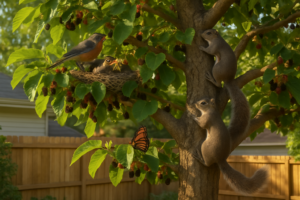
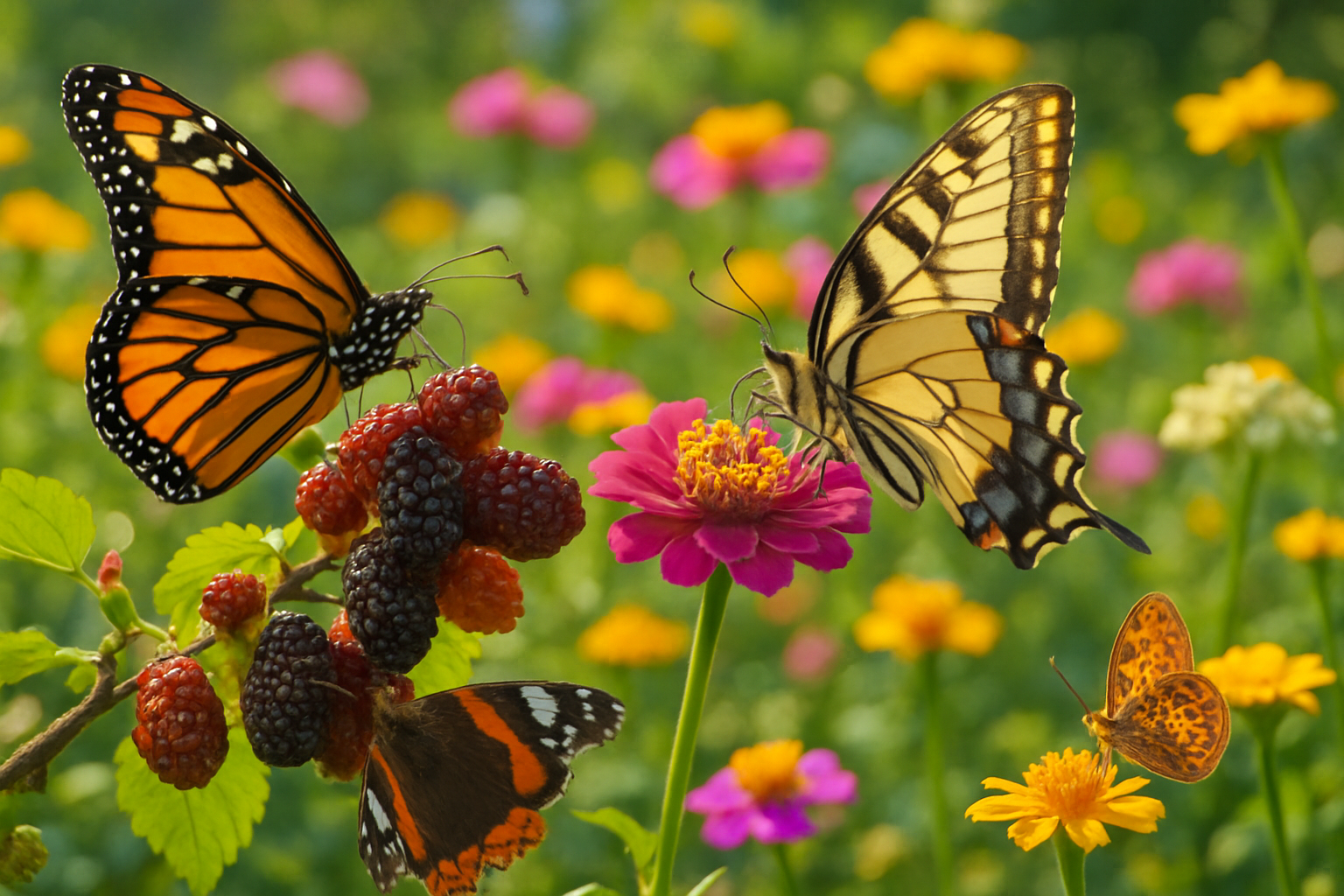
That afternoon in early June, when I finally paused long enough to really watch, I understood: my tree had become an unintentional banquet hall. The berries had reached their peak sweetness, juice was running, and every species within flight distance seemed to have received the memo. Red-spotted purples jostled alongside Eastern tiger swallowtails. Hackberry emperors clustered so thickly on some branches that they looked like living ornaments. It struck me then that I’d accidentally engineered a five-star gathering spot—without a single strategy or plan.
What Species of Butterflies Have I Actually Spotted Feeding on My Trees?
Once I made a point of watching instead of just harvesting, I started keeping casual notes about who showed up. These are the repeat visitors I’ve documented across my seasons:
- Eastern Tiger Swallowtail — drawn powerfully to ripening fruit and uses the thick canopy as a shelter hub
- Red-Spotted Purple — in certain parts of the country, this species actually depends on mulberry as a caterpillar food plant
- Hackberry Emperor — reliable fruit-feeder that will essentially camp on the branches for extended periods when conditions peak
- Mourning Cloak — documented as a butterfly that has evolved to use mulberry foliage to rear its young
- Question Mark Butterfly — particularly attracted to fruit in earlier stages of decay, which fallen mulberries supply consistently
I’ve also watched honeybees and native bees working systematically through the vicinity—not restricted to blossom time, but active through the whole growing window, pulled in by the general bustle and the secondary plantings I ended up adding as neighbors. Which brings me to the companion planting piece…
Building a Pollinator-First Landscape Around My Mulberry: My Biggest Early Blunder and How I Fixed It
Emboldened by my butterfly observations, I became convinced that I could engineer an instant pollinator utopia. I absorbed a handful of internet articles, immediately proclaimed myself qualified, and executed an ambitious scattering of wildflower seed in a generous ring around my tree’s base. It looked brilliant when I imagined it. Reality delivered something rather different: I’d carelessly distributed seeds directly onto earth that was rock-hard, compacted clay that I’d never turned or improved. Predictable outcome? A month passed and my grand meadow had transformed into a sprawling network of aggressive weeds, some of which looked like they had no intention of ever leaving.
My neighbor Janet, witnessing the disaster, offered to come assess the damage. Over coffee and good humor about my optimism, she showed me precisely where my thinking had gone off the rails. The correction process took effort, but the payoff has been real. Here’s what I learned gets results:
- Soil preparation is non-negotiable. Dense, packed clay stops seeds dead. Break it open to 4–6 inches, incorporate finished compost throughout, and *then* think about seeds.
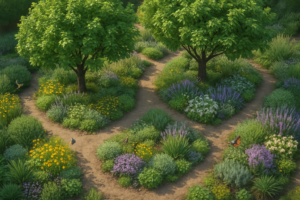
- Avoid planting in the tree’s immediate footprint. Mulberry roots hog available moisture and the overhead canopy blocks light that sun-dependent wildflowers crave. Position plantings 3–5 feet outside the branch perimeter instead.
- Diversify your seed selections between temporary and long-lived types. Fast-growing annuals provide visual interest in year one while slower perennials build strength underground for lasting returns.
- Irrigation matters in the establishment phase. Germination demands consistent dampness over 4–6 weeks. Sporadic watering or fingers-crossed hoping won’t cut it.
- Capitalize on naturally dropped fruit. Berries that fall naturally near your wildflower beds draw ground-level butterfly activity and gradually enrich soil with decomposing matter.
Designing a Living Corridor: Why Staged Wildflower Plantings Transform a Mulberry into a Pollinator Haven
Your mulberry alone can’t sustain year-round butterfly populations—the tree produces fruit for only part of the year, leaving long gaps when pollinators need nectar elsewhere. Strategic wildflower placement fills those empty windows and ensures monarchs, swallowtails, and native bees keep circulating through your space from late spring straight through autumn.
Outcomes I’ve actually witnessed
- Native milkweed planted alongside mulberries attracts monarch caterpillars. Multiple broods—up to three complete generations—can cycle through a mixed planting bed during favorable seasons, depending on local conditions and plant density.
- Plantings staggered across cultivars create a rolling bloom sequence from early summer into late season, eliminating the dead zones when butterflies would normally drift elsewhere.
- The wildflower ring transformed the visual impression from “single specimen tree” into “functioning microhabitat with depth,” which changed how the whole yard reads.
Challenges I had to work through
- Seed germination was erratic—some varieties broke ground within two weeks, others lay dormant for months or never appeared, forcing me to sow generously with the expectation of uneven returns.
- Year one is primarily architectural—greenery and structure rather than color show. Meaningful floral display arrives in year two once plants have rooted, which tests patience if you crave immediate visual gratification.
I almost gave up after the first summer when barely anything bloomed, nearly raking the whole patch out in frustration—but I let it sit. HOME GROWN Premium Monarch Butterfly Wildflower Seeds Mix turned into my best pollinator investment once I committed to two seasons instead of one.
Frequently Asked Questions
Do mulberry flowers themselves attract bees and butterflies?
The flowers are modest and wind-pollinated, so they don’t rely on insects at all. What pulls pollinators in is everything else the tree offers: leaves that serve as nurseries for silkworm pupae and native moth caterpillars, ripe fruit, and a dense canopy giving shade and shelter. I see honeybees and native bees working the area through the whole growing window, not just at bloom.
Can a late spring frost help or hurt mulberry pollinator activity?
A late spring frost can damage early mulberry leaves, turning them papery and gray. However, as damaged foliage drops and fresh leaves emerge, the canopy often grows denser than before, with heavier flowering and increased pollinator activity by early summer. Swallowtails, purples, and emperors are commonly drawn to recovering mulberry trees during this flush.
Should I rake up mulberries that fall on the ground?
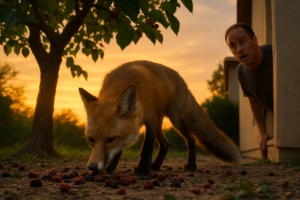
I leave them. Naturally dropped fruit near my wildflower beds draws ground-level butterfly activity and gradually enriches the soil with decomposing matter. The Question Mark butterfly is particularly attracted to fruit in earlier stages of decay, which fallen mulberries supply consistently. What looked like mess to me turned out to be part of the feeding station.
How do I prepare hard clay soil before sowing wildflower seed?
Soil preparation is non-negotiable for mulberry and pollinator plantings. Sowing directly onto compacted clay typically results in aggressive weed competition within a month. Break the ground open to 4-6 inches, incorporate finished compost throughout, and only then sow. Germination requires consistent dampness over 4-6 weeks, not sporadic watering.
Keep Reading
About This Article
Written by Ruth Nakamura. Ruth Nakamura is a backyard orchardist in the Pacific Northwest who has grown mulberries for fifteen years, cultivating twelve different varieties in her own backyard. Not a horticulturist by formal training - she shares what she has learned through hands-on growing, workshops, and connecting with nurseries and growers across the country. More about this site.
Scope and limits. Ruth is a backyard orchardist without formal horticultural training. Growing conditions vary enormously by region, so confirm variety, timing, and pest guidance with your local extension service.
Verify this against a primary source
Specifics change, and your situation may differ from the one described here. These are the authorities worth checking directly:
- USDA Plant Hardiness Zone Map — zone verification for your location
- Oregon State University Extension — fruit growing and pruning research
- USDA PLANTS Database — species range and identification