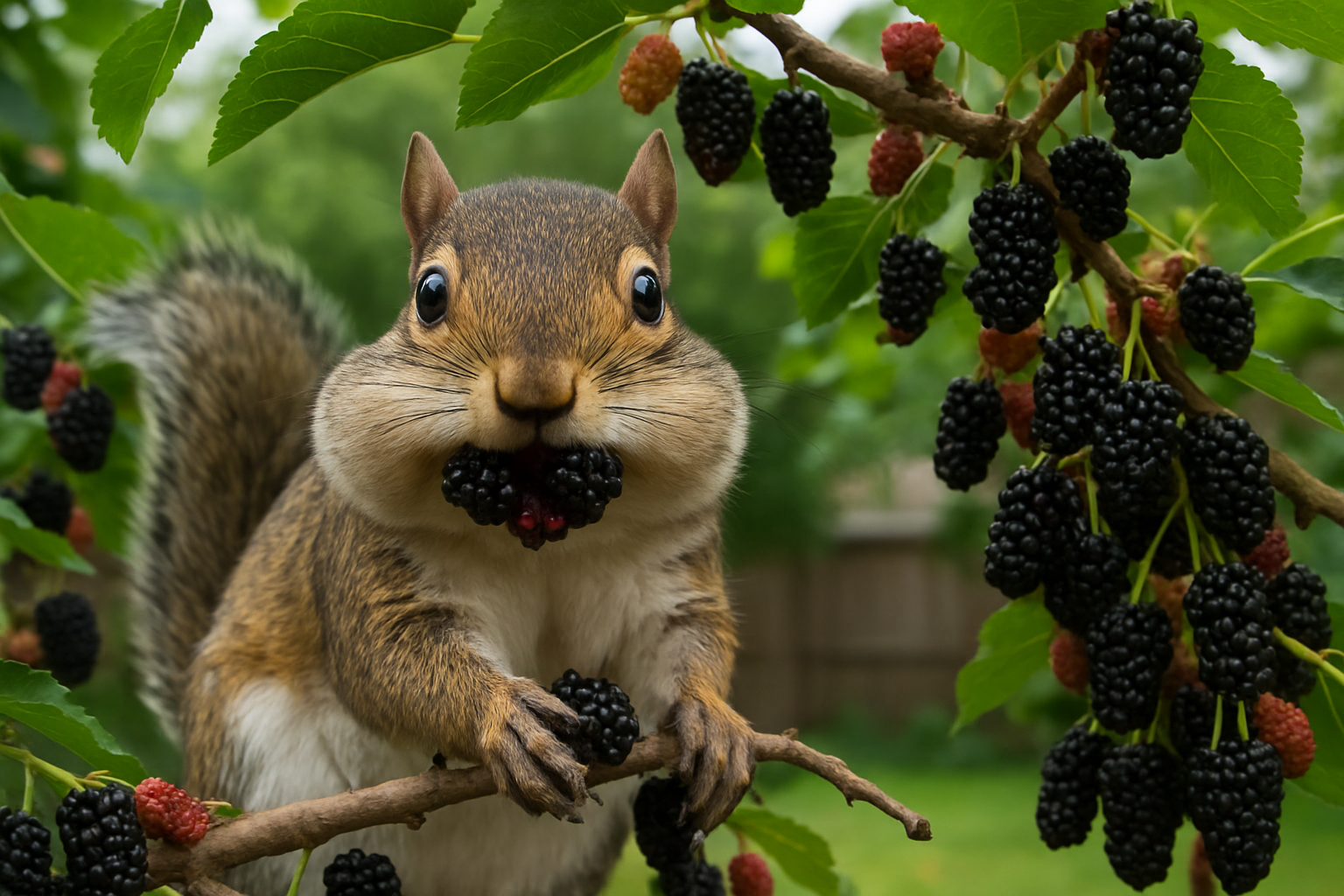
Every summer, I’m working toward stocking my pantry with a year’s worth of mulberry preparations—jams, syrups, dehydrated fruit, fermented wine, and vinegar—all sourced from a single tree if I can manage it. The math seems daunting until you factor in how prolifically a mature mulberry bears and the versatility of each harvest batch across different preservation techniques. The catch is this: a tree robust enough to supply twelve months of preserved goods is equally robust at feeding every squirrel living within several hundred feet, and those squirrels operate on a schedule with no competing demands—no jobs, no kids, no obligations pulling them away when the fruit hits peak sweetness. Over the past several years, I’ve been working through the puzzle of actually getting fruit into jars—not by waging conflict against the neighborhood wildlife, but by developing an approach that acknowledges the competition exists, cuts down on what gets wasted, and still delivers enough fruit to fermentation crocks and canning equipment to justify the effort. Everything below reflects what I’ve picked up about mulberries, squirrels, and the surprisingly workable arrangement that lets you harvest without leaving everything for the animals.
The Great Squirrel Standoff (And Why I Was Losing)
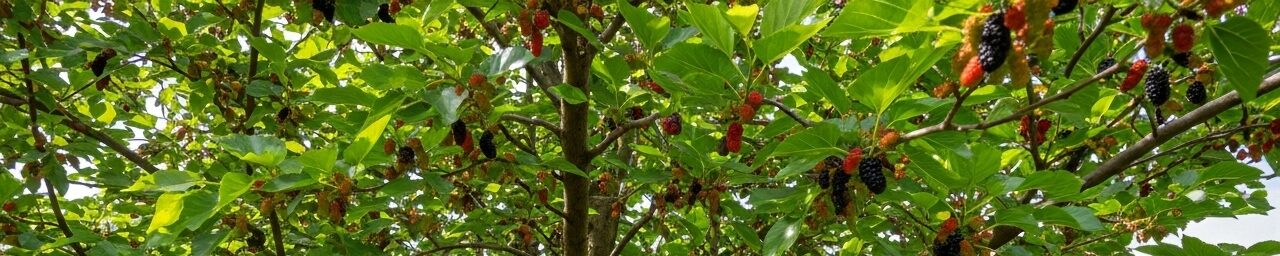
Setting the scene: my Illinois Everbearing had been in the ground for four years. Four years of consistent watering, adding mulch, shielding it through late-season cold snaps, and offering the occasional pep talk (I won’t apologize for that). Last summer, the tree finally matured and delivered exactly the kind of yield that makes mulberry growers dream—clusters so dark they looked nearly black, so weighted with fruit that the limbs bent under the load. I had jam on my mind. I was imagining cobblers. I’d even created a spreadsheet.
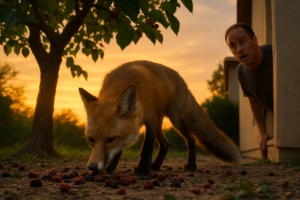
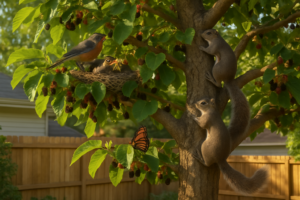
What actually happened was I witnessed something resembling an all-you-can-eat event for squirrels. They weren’t merely consuming the ripe fruit. They were severing entire clusters, sampling a single berry, tossing the rest onto my patio deck, and then circling back for another round. Just the amount of fruit left uneaten—scattered and ruined—was disheartening enough to make anyone rethink their relationship with backyard wildlife. So: the bathrobe at dawn, the water blaster, the awkward conversation with my neighbor.
For what it’s worth, the water blaster approach didn’t pan out. The squirrel sidestepped my opening shot, gave me a look I can only describe as disdainful, and resumed its meal. That was my low point. That was when I committed to figuring out what actually works.
What Makes Your Mulberry Tree So Attractive to Squirrels
Understanding why squirrels gravitate toward mulberry trees so intensely requires looking at what these fruits offer. Mulberries mature in compressed timeframes—sometimes a whole branch’s crop ripens within two or three weeks—and the berries themselves are soft, sugar-laden, and require minimal effort to consume. Squirrels operate as shrewd, memory-driven foragers with absolutely no inhibition. Once they discover your tree, they return each day and recruit others. What unfolds isn’t so much an isolated attack as it is a recurring dining reservation they never bothered requesting permission for.
The encouraging part: having a mulberry tree and managing a squirrel challenge aren’t mutually exclusive. Using the right combination of protective approaches, you can preserve a meaningful portion of your fruit for yourself—while recognizing that some wildlife consumption is simply the cost of growing food in a residential yard. Full disclosure: that last part took me longer to accept than any of the practical strategies.
Getting Out There Early and Often During Peak Picking Season
The single adjustment that moved the needle most was shifting to more frequent harvesting cycles. Mulberries have no patience, and squirrels match that urgency. Rather than visiting my tree on a three- or four-day rotation, I began harvesting every morning when the fruit was actively ripening. I’d position a sheet or canvas drop cloth under the branches, shake gently to dislodge ripe berries, and gather what fell. Squirrels instinctively go for the easiest, sweetest-ripe specimens first—intercepting them before the animals do requires showing up consistently. It’s straightforward in concept because it is. It also demands you actually be there, which is the real lesson embedded in the whole thing.
Physical Barriers and Their Practical Limits
Bird netting gets recommended everywhere, but I need to level with you: getting netting positioned over a full-sized mulberry tree is either a serious undertaking with an extension ladder or a two-person job requiring significant patience. It becomes more feasible on younger or smaller specimens. If you’re working with a tree that’s still manageable in scale, deploying netting during the weeks when ripening is happening can actually prove effective. The important thing is choosing mesh spacing tight enough that animals can’t push through or get caught.
Chemical Deterrence: The Solution That Keeps Squirrels Away From Your Ripening Mulberries
Squirrels don’t approach mulberries casually—they arrive with intention and systematic efficiency, frequently stripping entire branches within a span of days as the fruit reaches full maturity. After wrestling with netting solutions that kept sliding and live-capture traps that caught smaller animals but let the smartest ones escape, I needed an approach that would discourage them at approach level—something that would keep them from even reaching the canopy.
Where repellents succeed
- The smell component genuinely discourages squirrels without inflicting injury—I observed them advancing toward my tree’s base, catching a whiff, then redirecting toward my neighbor’s trees within seven days of routine application.
- It remains benign for fruit approaching harvest and leaves no chemical film altering the flavor profile, permitting application right through the final picking period.
- A single 32-ounce container protects multiple trees across most of a season when reapplied following rainstorms—considerably less expensive than purchasing replacement netting year after year.
Where repellents fall short
- Rain dissolves the protection faster than packaging suggests, particularly during intense summer precipitation—reapplication becomes necessary every 2-3 weeks instead of the advertised monthly schedule in high-rainfall zones.
- It’s not an end-all remedy for tenacious squirrels; the most persistent individuals will return to test boundaries periodically, meaning you’ll benefit from layering it with additional tactics such as trunk barriers or cutting back lower branches that provide easy climbing access.
I doubted this would work the first time I sprayed it—squirrels seemed to ignore most repellents I’d tried before—but I was surprised to see real behavior change within days of the first application.
Frequently Asked Questions
Will spraying squirrels with a hose keep them off my mulberries?
It didn’t work for me. I went out at dawn in my bathrobe with a water blaster, and the squirrel sidestepped my opening shot, gave me a look I can only describe as disdainful, and went right back to eating. All I got out of it was an awkward conversation with my neighbor.
How often should I pick mulberries when squirrels are around?
I harvest every morning once the fruit is actively ripening, rather than checking the tree on a longer rotation. I spread a sheet or canvas drop cloth under the branches, shake gently to dislodge ripe berries, and gather what falls. Squirrels go for the sweetest-ripe fruit first, so beating them to it means showing up consistently.
Does squirrel repellent spray ruin the flavor of ripening mulberries?
In my experience it doesn’t. The repellent I use stays benign for fruit approaching harvest and leaves no chemical film that alters the flavor, so I can keep applying it right through the final picking period. The smell is what discourages the squirrels, and it does that without injuring them.
How often do I have to reapply squirrel repellent after rain?
Rain can dissolve protective coatings faster than packaging suggests, particularly during intense summer downpours. In high-rainfall regions, reapplying every 2–3 weeks may be more effective than the advertised monthly schedule. A single 32-ounce container typically covers multiple trees across most of a season, which costs less than replacing netting annually.
What else should I do besides spraying repellent on my tree?
Repellent isn’t an end-all remedy, since the most persistent squirrels come back periodically to test boundaries. I layer it with other tactics: trunk barriers, cutting back lower branches that give easy climbing access, and netting on trees still small enough to cover. Frequent early morning harvesting does more than anything else.
Keep Reading
About This Article

Written by Ruth Nakamura. Ruth Nakamura is a backyard orchardist in the Pacific Northwest who has grown mulberries for fifteen years, cultivating twelve different varieties in her own backyard. Not a horticulturist by formal training - she shares what she has learned through hands-on growing, workshops, and connecting with nurseries and growers across the country. More about this site.
Scope and limits. Ruth is a backyard orchardist without formal horticultural training. Growing conditions vary enormously by region, so confirm variety, timing, and pest guidance with your local extension service.
Verify this against a primary source
Specifics change, and your situation may differ from the one described here. These are the authorities worth checking directly:
- USDA Plant Hardiness Zone Map — zone verification for your location
- Oregon State University Extension — fruit growing and pruning research
- USDA PLANTS Database — species range and identification