Understanding Deer and Mulberry Trees
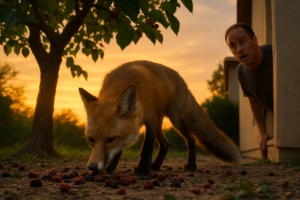
My first attempt at mulberry wine produced something I described generously as “aggressively fermented juice.” My fourth batch was something I was actually proud to serve. The learning curve is real, but every mistake taught me something that’s now baked into this guide — so you can skip straight to the good batches. What I didn’t anticipate when I planted my first mulberry tree was that I’d be competing for the harvest before the berries even made it to the fermenting bucket — because deer had quietly figured out that my little backyard orchard was an all-you-can-eat buffet. If you’re growing mulberries and deer live anywhere near you, understanding how they interact with your trees isn’t optional — it’s the difference between actually getting a harvest and wondering why your tree looks like it lost a fight every spring.
Why Deer Target Mulberry Trees
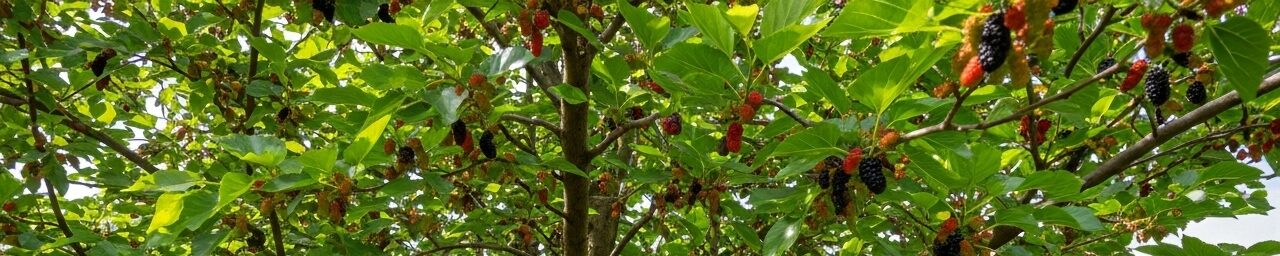
Several factors make these trees irresistible to local wildlife. First, the texture is highly palatable. The leaves are soft and easy to digest. Additionally, the berries offer a high-calorie reward. This energy boost is crucial for deer in summer. Moreover, mulberries provide hydration during dry spells.
What I Recommend
When you’re harvesting mulberries by the bucketful, a sturdy bag is essential for keeping your fruit fresh and contained. I’ve learned the hard way that flimsy containers just won’t cut it when you’re dealing with delicate berries—you want something durable that won’t tear or puncture.
If you’re serious about protection, a pack of deer deterrents or fencing supplies is worth the investment. I’ve found that being proactive about deer management saves me so much frustration come harvest season.
Once you’ve protected your harvest from the deer, the Magic Mill Food dehydrator is fantastic for preserving your mulberries year-round. I use mine constantly to dry excess berries, and it’s been one of my best purchases for extending the season.
For efficient picking when the deer haven’t beaten you to the berries, the byMall Berry Picking tool makes harvesting faster and easier on your hands. Trust me, your fingers will thank you after a long picking session.
The field guide is invaluable for identifying different mulberry varieties and understanding their growth habits—knowledge that helps you plan your deer defense strategy effectively. I refer to mine regularly when planning my orchard layout.
If you need heavy-duty containers for storing your mulberry harvest, the RockBerry Large Food storage solution is built to last. I’ve had mine for years and it keeps my berries organized and fresh.
The Uglie Acres, Mulberry product line offers great accessories and tools specifically designed with mulberry growers in mind. As someone who’s been in the community for years, I appreciate products made by folks who actually understand what we deal with.
For serious deer exclusion, the Atogou 110lb Food grade netting or fencing is heavy-duty enough to withstand determined deer pressure. It’s an investment, but protecting your trees is far cheaper than replanting them.
Once you’ve successfully defended your mulberry crop from the deer, a Vitamix Ascent Blender opens up endless possibilities for your harvest—from smoothies and jams to sauces and frozen treats. It’s my go-to appliance when I’ve got more mulberries than I know what to do with.
Deer are drawn to specific traits:
- Nutritional Value: High protein content supports antler growth.
- Palatability: Soft leaves are preferred over tough vegetation.
- Accessibility: Low-hanging branches are easy to reach.
Vulnerability of Young Saplings
Mature trees can withstand some browsing. However, saplings face significant risks. Deer can easily destroy a small root system. They often pull entire plants out of the ground. As a result, new plantings require immediate protection. Without defense, the survival rate drops drastically.
Conversely, established trees usually bounce back quickly. Their rapid growth rate helps them recover from grazing. Nevertheless, constant defoliation stresses even large trees. This stress can reduce fruit production over time.
Effective Protection Strategies
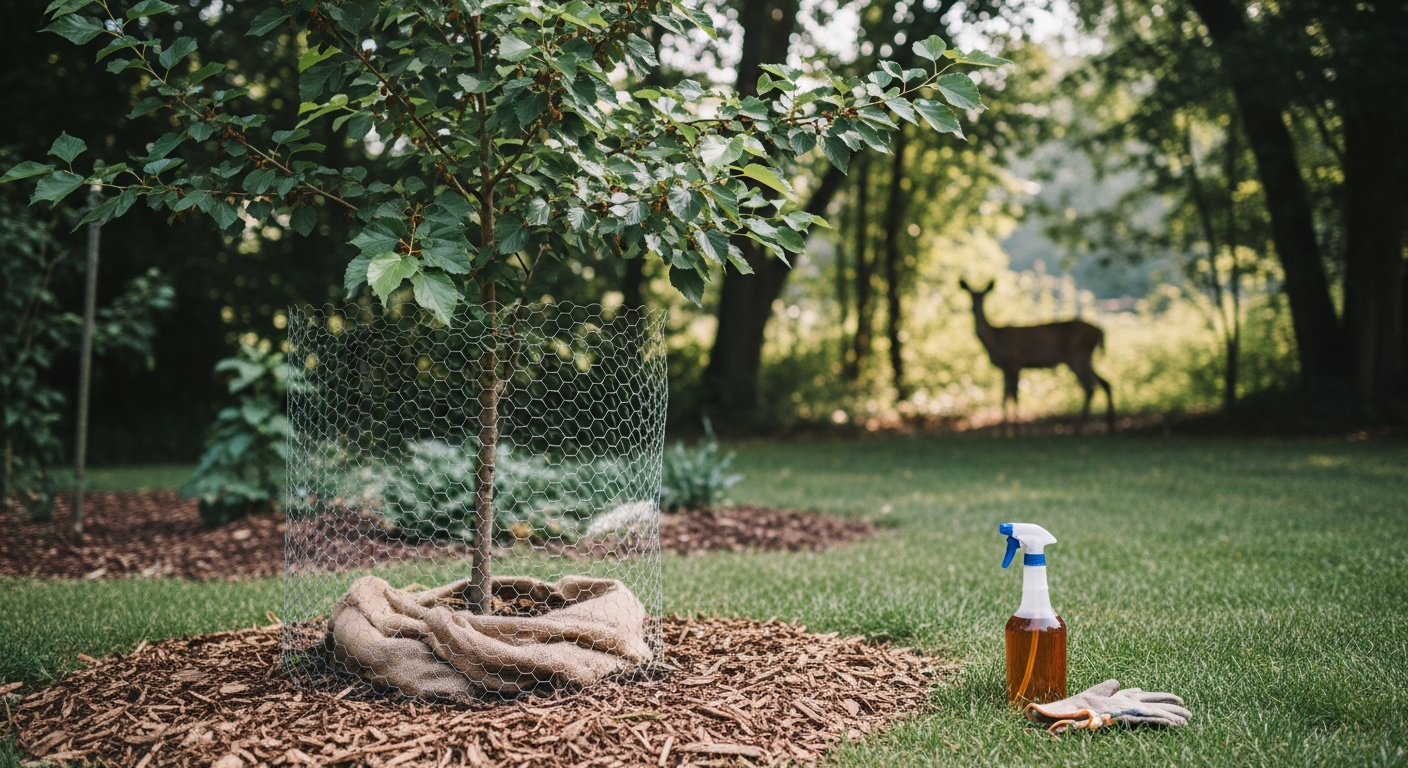
Gardeners must implement physical barriers. Fencing is the most reliable solution. Specifically, a fence should be at least eight feet tall. This height prevents deer from jumping over. Alternatively, individual tree guards work well. These plastic tubes shield the trunk.
Consider these defensive measures:
- Cage the Tree: Use wire mesh around the sapling.
- Apply Repellents: Spray strong-scented deterrents on leaves.
- Motion Sprinklers: Startle deer with sudden bursts of water.
Finally, consistency is key. Deer adapt to static deterrents. Therefore, rotate your repellent sprays often. This keeps the animals guessing. Ultimately, a multi-layered approach works best.
Do Deer Eat Mulberry Trees?
Deer are known to browse on a wide range of plants, and mulberry trees are no exception. The tender leaves and young shoots of mulberry trees are particularly appealing to deer, especially in areas where other food sources are scarce. Consequently, these trees can suffer significant damage from deer feeding. This browsing often results in stripped lower branches, a clear indicator of deer activity.

Identifying Deer Damage on Mulberry Trees
Recognizing the Browse Line Pattern
Deer damage creates distinctive visual markers that gardeners can spot from a distance. The browse line appears as a sharp horizontal boundary where foliage suddenly becomes sparse or disappears entirely. Below this line, branches look stripped and bare. Above it, leaves and growth remain lush and untouched. This stark contrast typically occurs between four and six feet high. However, the exact height varies based on local deer populations and their average size.
Furthermore, the browse line becomes more pronounced over time with repeated feeding. Young mulberry trees show this pattern most clearly. Their tender shoots and accessible branches make them prime targets. Moreover, deer return to the same trees once they identify a reliable food source.
Physical Damage Indicators
Additionally, gardeners should examine branches for telltale signs of deer feeding. Unlike clean cuts from pruning shears, deer damage appears ragged and torn. Deer lack upper incisors, so they rip and tear vegetation rather than bite cleanly. Consequently, branch ends look frayed and shredded.
Meanwhile, check for missing bark on younger mulberry trees. Deer sometimes strip bark during winter months when other food becomes scarce. This behavior leaves vertical scrape marks along the trunk. Fresh damage appears lighter in color than surrounding bark.
Tracking Patterns and Timing
For example, inspect your mulberry trees during early morning hours. This is when fresh damage becomes most visible. Dew often highlights torn leaves and broken stems. Therefore, early detection allows for faster protective measures.
In contrast, older damage shows browning edges on torn foliage. The wounds begin to callus over and darken. As a result, timing your inspection helps determine whether deer are currently active in your garden.

Strategies to Protect Mulberry Trees
Physical Barriers
One of the most effective methods to protect mulberry trees from deer is installing physical barriers. Using 5-foot wire cages around young trees can deter deer from reaching the foliage. Tree tubes can also provide a solid defense, particularly for saplings. These solutions not only protect the trees but also promote healthy growth by reducing stress from browsing.
Scent Repellents
Understanding Scent-Based Deterrents
Scent repellents create an invisible shield around your mulberry trees. These specialized products release odors that trigger deer’s natural avoidance instincts. The compounds mimic predator smells or rotting eggs, which deer perceive as danger. Consequently, the animals associate your garden with unpleasant or threatening experiences. This psychological barrier proves remarkably effective when properly maintained.
Types of Scent Repellents Available
Commercial repellents typically contain ingredients like putrescent egg solids or garlic extracts. Additionally, some products use predator urine from coyotes or bobcats. These natural deterrents tap into deer’s survival instincts effectively. Meanwhile, homemade solutions using soap bars or human hair also show promising results. However, commercial formulas generally provide more consistent protection throughout the season.
Application Best Practices
Regular reapplication forms the cornerstone of successful scent deterrent strategies. Most products require renewal every two to four weeks during active growing seasons. Furthermore, rainfall washes away protective scents, necessitating immediate reapplication after storms. Morning application works best since dew can dilute evening treatments. Therefore, check weather forecasts before applying expensive commercial products.
Maximizing Protection Through Combination Methods
Pairing scent repellents with physical barriers creates a multi-layered defense system. For example, spray repellents on fence posts to reinforce your perimeter. Moreover, alternate between different scent types to prevent deer from becoming habituated. This rotation strategy keeps deer constantly uncertain about approaching your mulberry trees. As a result, your protection remains effective throughout the entire growing season.
Companion Planting
Companion planting involves growing plants that deer find unappealing near mulberry trees. Plants like lavender, marigolds, and sage can act as natural deterrents. Not only do they add beauty to your garden, but they also help protect your valuable trees. This method, paired with other strategies, can create a robust defense against deer.
Conclusion
Mulberry trees, while attractive to deer, can be safeguarded with the right strategies. By identifying deer damage and implementing protective measures like physical barriers, scent repellents, and companion planting, gardeners can enjoy their mulberry trees without the constant worry of deer damage. These efforts ensure that your garden remains both beautiful and resilient.