Understanding Deer Damage to Mulberry Trees
The Appeal of Mulberry Foliage
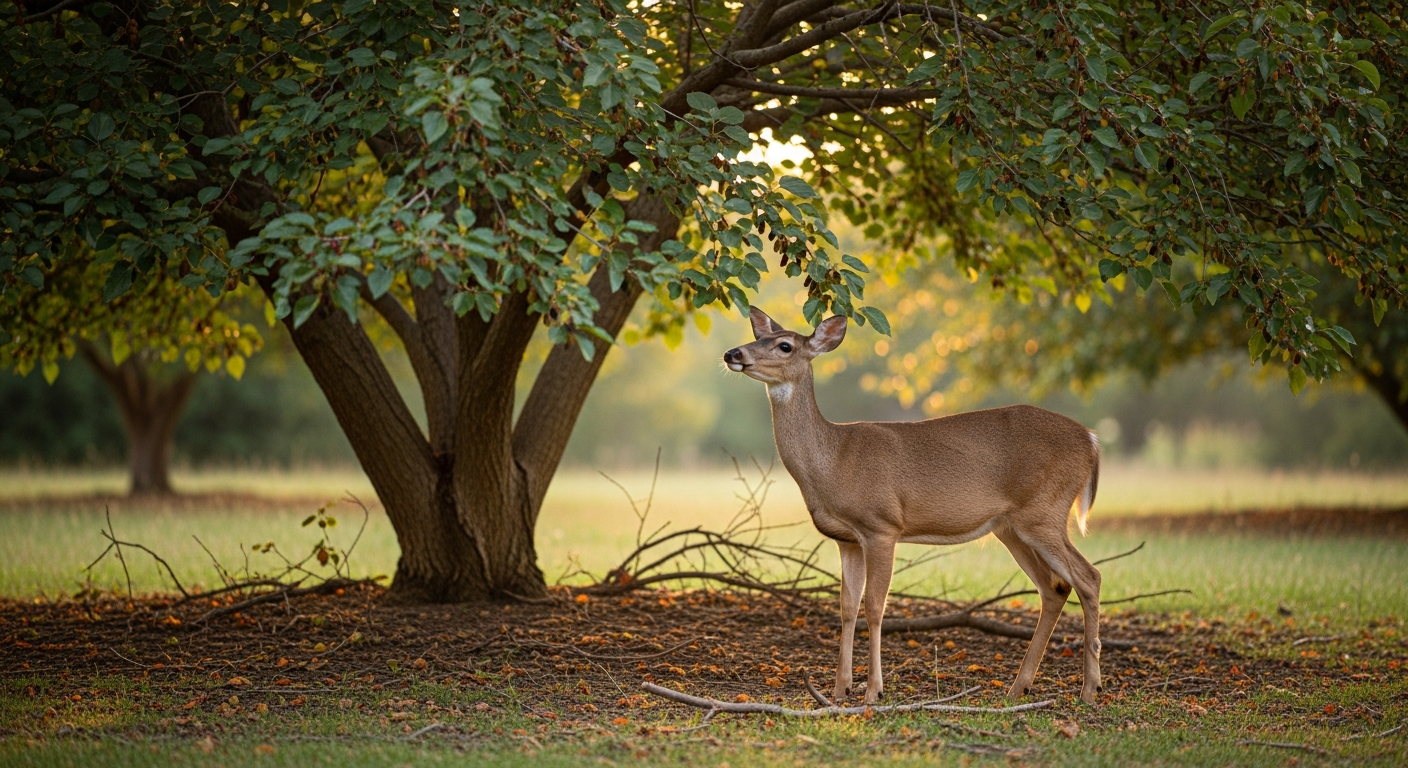
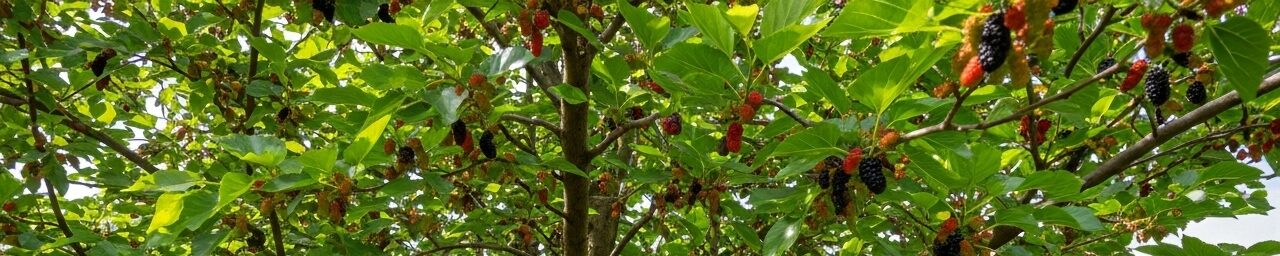
Deer are opportunistic feeders. They constantly search for nutrient-rich vegetation. Mulberry leaves are high in protein and highly digestible. Consequently, they become a preferred snack for local herds. The texture of the leaves is also soft. This makes them easy for deer to chew and digest. Furthermore, the sweet fruit provides an attractive sugar rush.
What I Recommend
If you’re going to protect your mulberry trees with physical barriers, invest in a good pair of leather gardening gloves. You’ll be handling thorny branches, wrestling with fencing materials, and doing plenty of hands-on work—quality gloves make the job infinitely more pleasant and keep your hands from getting torn up in the process.
A plant cover jacket can be a lifesaver for protecting young or vulnerable mulberry trees from deer browse, especially during the critical growing season. I’ve used these lightweight covers to shield my most tender saplings without restricting their growth, and they’re surprisingly durable through multiple seasons.
*As an Amazon Associate, I earn from qualifying purchases.
Weeping Mulberries face the highest risk. Their unique structure works against them. The branches cascade directly toward the ground. As a result, the foliage sits at the perfect height for grazing. Deer do not need to stretch or stand on hind legs. Instead, they can comfortably strip the tree bare. Unfortunately, this often destroys the tree’s ornamental shape.
Identifying Signs of Damage
You must recognize the signs of browsing early. Deer lack upper incisors. Therefore, they tear vegetation rather than cutting it neatly. Look for jagged edges on remaining leaves. In contrast, rabbits or rodents leave clean, angled cuts.
Common signs of deer activity include:
- Stripped foliage on the lower six feet of the tree.
- Trampled soil around the base of the trunk.
- Droppings left near the feeding area.
- Broken branches from aggressive pulling.
Understanding Buck Rub
Feeding is not the only threat. Male deer, or bucks, also cause significant harm. During the fall, they rub their antlers against tree trunks. This behavior removes the velvet from their antlers. Additionally, it marks their territory.
Young mulberry trees are perfect for this activity. Their trunks are flexible and springy. However, this rubbing shreds the bark. If the damage circles the trunk completely, the tree will die. This is known as girdling. Consequently, protecting the trunk is just as important as protecting the leaves.
Effective Defense Strategies
Physical barriers offer the most reliable protection. Fencing is often necessary for young trees. You can install a simple wire cage around the trunk. Ensure the cage is at least five feet high. Furthermore, stake it firmly into the ground.
Consider these fencing tips:
- Use woven wire: It is stronger than plastic netting.
- Leave space: Keep the wire away from the branches.
- Check regularly: Repair any gaps immediately.
Using Repellents and Deterrents
Chemical repellents can also be effective. These products taste or smell terrible to wildlife. As a result, deer learn to avoid treated trees. You can find sprays based on putrescent egg solids or garlic.
However, consistency is key. You must reapply these sprays often. Rain and snow wash them away over time. Moreover, deer can get used to a single scent. Therefore, rotate between different brands to maintain effectiveness. Combining repellents with physical barriers usually yields the best results.
Why Deer Prefer Mulberry Trees
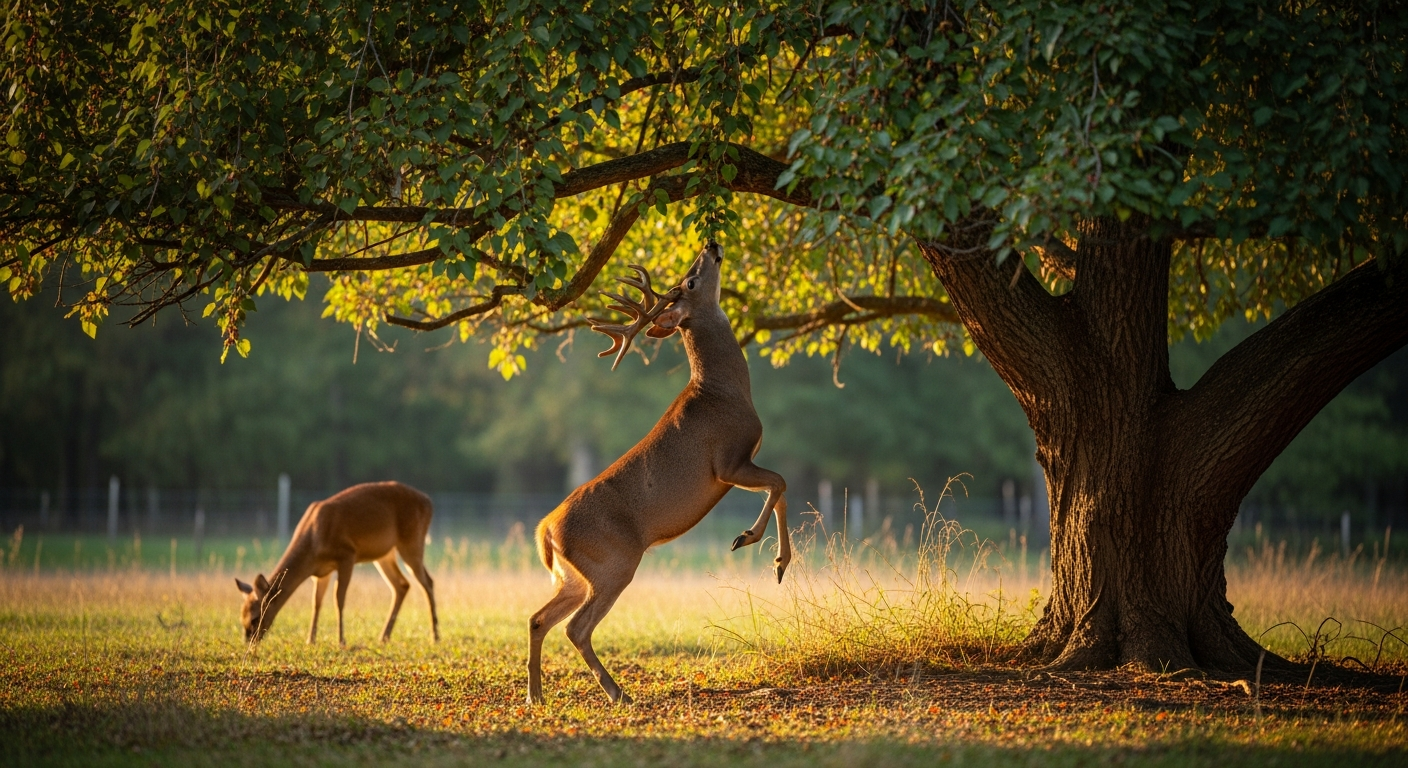
Deer enjoy mulberry trees for several reasons. Source Firstly, these trees provide easy access to tender branches and leaves. The low-hanging nature of the ‘Weeping’ variety makes it simpler for deer to reach. Secondly, the soft bark is ideal for buck rub during the rutting season. Bucks rub their antlers against tree trunks to mark territory and strengthen their neck muscles. Unfortunately, this can severely damage the tree’s bark and disrupt its growth .
Effective Physical Barriers
Physical barriers are one of the most reliable ways to protect your mulberry trees from deer. Building a fence around your trees is a straightforward method. Though it may require an initial investment, it provides long-term protection.
Fencing Options
Understanding Deer Behavior and Mulberry Trees
Protecting mulberry foliage requires strategic planning. Whitetail deer find these leaves irresistible. Consequently, simple repellents often fail during peak growing seasons. You must rely on physical exclusion to ensure a harvest. Without a barrier, deer will strip a young tree bare overnight. Therefore, understanding the mechanics of a proper fence is vital for orchard success.
The Importance of Vertical Height
Deer are phenomenal jumpers. Thus, the vertical height of your barrier is the most critical factor. A standard six-foot garden fence is usually insufficient. Determined deer can clear this height with ease when motivated by food. Therefore, aim for the recommended eight-foot standard.
However, if local zoning laws restrict fence height, try a slanted design. Angling the fence outward at 45 degrees confuses a deer’s depth perception. As a result, they are less likely to attempt a jump. This method can be effective even with shorter materials.
Choosing the Right Materials
Selecting the correct fencing material ensures long-term protection. Different materials offer unique benefits for mulberry growers:
- Woven Wire: This offers superior longevity. It resists rust and withstands physical impact.
- High-Tensile Wire: This is excellent for large perimeters. It provides a strong barrier without blocking views. Furthermore, it is cost-effective for large mulberry orchards.
- Polypropylene Netting: This plastic mesh is lightweight and affordable. However, it must be installed with high tension to work effectively.
Individual Tree Protection
Perhaps you only have a few mulberry trees. In this case, fencing the entire property might be too expensive. Individual cages are a practical alternative. Use sturdy welded wire fencing to create a cylinder around the trunk.
Ensure the diameter is at least five feet wide. As a result, deer cannot stretch their necks over the wire to browse. Additionally, anchor the cage firmly to the ground. This prevents the animals from knocking it over to reach the fruit.
Electric Fencing Solutions
Electric fencing adds a psychological layer of protection. It conditions deer to avoid the mulberry trees entirely. For this to work, you must maintain a consistent charge. Moreover, baiting the fence initially is highly effective.
For example, place peanut butter on aluminum foil tabs attached to the wire. This tricks the deer into touching the wire with their nose. Consequently, the shock teaches them to stay away permanently. This method often works well with multi-strand setups.
Additionally, consider using a double-fence system. This involves placing two parallel fences with a gap of about four feet. Deer find it challenging to leap over both fences, effectively keeping them away from your trees.
Tree Guards
Tree guards offer another layer of protection, especially for the trunk. These wraps or tubes fit around the trunk, preventing bucks from rubbing their antlers against it. Made from materials like plastic or metal, tree guards are easy to install and provide a robust defense against rutting damage.
The Ineffectiveness of Home Remedies
Many homeowners attempt various home remedies to deter deer. While some methods may offer temporary relief, they rarely provide long-term solutions. For example, using soap or human hair around the base of trees can discourage deer momentarily, but these methods lose effectiveness quickly.
Why Home Remedies Fail
Why Traditional Deterrents Stop Working
Many homeowners discover that DIY deer deterrents lose effectiveness within weeks. Deer possess remarkable adaptive intelligence and memory. They quickly recognize patterns in their environment. Initially, a new scent or object triggers caution. However, deer soon realize these elements cause no actual harm. Consequently, they return to feeding on prized plants like mulberry trees.
The habituation process occurs faster than most people expect. For example, a deer might avoid a soap-scented area for three to five days. After repeated exposure without negative consequences, the animal grows bold. Moreover, deer communicate within their herds through body language and behavior. Once one deer demonstrates that an area is safe, others follow suit.
Environmental Factors That Undermine Home Solutions
Weather conditions significantly compromise homemade deterrent effectiveness. Rain presents the biggest challenge for scent-based methods. A single heavy downpour can completely wash away sprayed solutions. Furthermore, morning dew dilutes concentrated scents applied the previous evening. Snow cover buries ground-level deterrents entirely.
Wind patterns also affect deterrent placement and longevity. Strong winds disperse scent particles beyond the intended protection zone. Additionally, extreme temperatures alter chemical compositions of natural repellents. Hot summer days cause liquids to evaporate rapidly. Cold winter nights freeze spray solutions before they properly adhere.
The False Security of Initial Success
The first week often creates misleading confidence in home remedies. Deer temporarily avoid treated mulberry trees and gardens. Therefore, homeowners assume their solution works permanently. However, this initial avoidance merely represents natural caution toward unfamiliar stimuli. As a result, people invest time and money into methods destined to fail. Source
The Importance of Routine Maintenance
Essential Maintenance Practices for Mulberry Protection
Regular inspections form the foundation of effective deer deterrence. Walk your property at least twice monthly to check all protective structures. Look for bent fence posts, torn netting, or loosened tree wraps. Moreover, examine the ground around barriers for signs of digging or attempted entry.
Early detection prevents minor issues from becoming major problems. For example, a small tear in netting can quickly expand during storms. Deer may discover these weaknesses and exploit them. Therefore, carry basic repair supplies during inspections. Keep zip ties, wire, and replacement netting readily available.
Barrier Repair and Reinforcement
Address any damage within 24-48 hours of discovery. Prompt repairs maintain continuous protection for your mulberry trees. Furthermore, seasonal weather changes can accelerate wear on protective materials. Winter ice and summer heat both degrade fencing over time.
Consider upgrading weak points rather than just patching them. Replace worn sections entirely instead of applying temporary fixes. Additionally, reinforce areas where deer pressure appears highest. Look for trampled ground or broken branches nearby as indicators.
Tree Health as Natural Defense
Vigorous mulberry trees naturally resist deer damage better than stressed specimens. Healthy bark proves tougher for deer to strip away. Strong branches bend rather than break under browsing pressure. Consequently, invest time in proper tree care practices.
Water deeply during drought periods to maintain root health. Apply organic mulch in a three-foot radius around each tree. However, keep mulch six inches away from the trunk itself. This prevents moisture-related diseases while conserving soil moisture.
Fertilize appropriately based on soil tests rather than guessing. Over-fertilization produces weak, succulent growth that attracts deer. Meanwhile, balanced nutrition creates dense, resilient wood structure. Test your soil every two to three years for best results.
Seasonal Maintenance Schedules
Spring requires thorough inspection after winter damage assessment. Check for frost heave that may have shifted fence posts. Tighten any loosened tree guards or wraps. Additionally, this season marks peak growth when trees need maximum protection.
Summer maintenance focuses on vegetation management around barriers. Trim grass and weeds that might provide deer with cover. Clear debris that accumulates against fences. As a result, you maintain clear sightlines and structural integrity.
Fall preparations prove critical before winter browsing pressure intensifies. Reinforce all barriers and replace questionable materials. Stock repair supplies before weather makes shopping difficult. Therefore, you’ll be ready when deer feeding activity peaks during cold months.
Seasonal Adjustments
Adapting Your Defense Through the Seasons
Seasonal protection strategies require careful planning and observation. Different times of year bring unique challenges to mulberry tree owners. Your defense methods must evolve accordingly.
During autumn’s rutting season, male deer become increasingly aggressive. Bucks rub their antlers against tree trunks to mark territory. This behavior can severely damage young mulberry trees. Therefore, you should inspect all tree guards before September arrives. Additionally, consider upgrading from standard mesh to heavy-duty metal fencing. Reinforced barriers withstand the intense rubbing and scraping that occurs during this period.
Winter Survival and Increased Pressure
Winter months present the most challenging scenario for mulberry protection. Consequently, deer face limited food sources throughout their habitat. Fresh mulberry bark becomes an attractive food option. Furthermore, tender branches and buds provide essential nutrients when other vegetation disappears.
During these harsh months, deer may travel in larger groups. They often target the same trees repeatedly. As a result, even previously effective barriers may fail under sustained pressure. Moreover, hungry deer will attempt to breach defenses they previously avoided. This desperation requires heightened vigilance on your part.
Strengthening Your Winter Defenses
Additional protective measures become essential during winter. For example, increase fence height by at least twelve inches. Deer will stand on hind legs to reach higher branches when desperate. Meanwhile, check all barrier connections weekly for damage or weakness.
Consider applying deer repellent sprays more frequently during winter. However, remember that snow and ice reduce their effectiveness. Therefore, reapply after every significant weather event. Additionally, rotate between different repellent types to prevent deer from adapting.
Installing motion-activated lights provides another layer of defense. These devices startle deer during nighttime feeding attempts. Furthermore, they alert you to persistent visitors targeting your mulberry trees.
Conclusion
Establishing Robust Physical Barriers
Deer are persistent foragers that love mulberry foliage. Therefore, physical barriers remain the most effective defense mechanism. Woven wire fences create a strong perimeter around your orchard. Additionally, individual tree shelters offer focused protection for young saplings. These plastic tubes protect the trunk from browsing and rubbing. Consequently, the delicate cambium layer stays safe from permanent damage.
You must also consider the height of your barriers. Specifically, a fence must be at least eight feet tall to be effective. Otherwise, agile deer can easily jump over the structure. For larger properties, consider installing an electric fence system. This option provides a psychological deterrent alongside a physical one. Moreover, ensure the fencing is flush with the ground to prevent crawling.
Understanding Deer Behavior
Mulberry leaves are highly attractive to local deer populations. In fact, the tender new growth is a favorite snack during spring. Understanding seasonal feeding habits helps you plan better defenses. For example, damage often peaks during late winter when food is scarce. During this time, hungry deer will strip bark if leaves are unavailable. Thus, year-round protection is essential for tree survival.
Bucks also pose a threat during the fall rut. They rub their antlers against tree trunks to mark territory. Unfortunately, this behavior can girdle and kill a young mulberry tree. As a result, trunk guards are vital even when trees are dormant. Knowing these patterns allows you to anticipate threats before they occur.
The Limitations of Repellents
Many gardeners rely on scent-based or taste-based repellents. However, these solutions require frequent reapplication to remain effective. Rain, snow, and irrigation effectively wash away these chemical barriers. Furthermore, deer can become habituated to specific smells over time. Therefore, you must rotate different products to maintain their effectiveness.
Home remedies often fail for similar reasons. Hanging soap or human hair provides only negligible, short-term deterrents. In contrast, commercial repellents containing putrescent egg solids work better. Nevertheless, rely on these only as a secondary line of defense. They work best when combined with other strategies.
Effective repellent tips:
- Apply sprays on dry days.
- Target new growth specifically.
- Switch formulas every few weeks.
Promoting Tree Resilience
A healthy mulberry tree can withstand minor browsing better than a weak one. Consequently, proper fertilization and watering are crucial maintenance steps. Strong root systems support rapid recovery after environmental stress. Additionally, consider pruning lower branches as the tree matures. This technique, known as “limbing up,” removes foliage from the deer’s reach.
As a result, the deer must look elsewhere for an easy meal. Removing fallen fruit is another important strategy. Fermenting mulberries on the ground attract deer to your yard. By keeping the area clean, you reduce the incentive for them to visit. Ultimately, a clean and well-maintained orchard is easier to protect.