When the Leaves Start Whispering: Recognizing Mulberry Pest Damage Early
That afternoon in my grandmother’s backyard taught me something crucial. Mulberry trees are remarkably resilient — but that resilience can fool you. Because they bounce back from stress so well, early pest damage often goes unnoticed until it becomes severe.
Spider mites are notoriously stealthy invaders. They thrive in hot, dry conditions, reproducing rapidly in late spring and early summer. Furthermore, their damage mimics drought stress, making misidentification dangerously easy.
—
Common Insects That Target Mulberry Trees
Mulberry trees attract several destructive pests beyond spider mites:
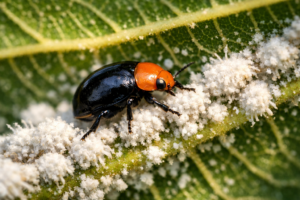
- Mulberry whiteflies — cluster beneath leaves, draining sap quietly
- Scale insects — appear as harmless bumps on bark
- Mulberry longhorn beetles — bore into wood, causing structural damage
- Aphids — distort new growth and secrete sticky honeydew
—
Prevention Strategies That Actually Work
Early intervention is everything. Therefore, weekly leaf inspections during growing season matter enormously.
Effective prevention includes:
- Horticultural oil sprays applied before bud break
- Encouraging natural predators like ladybugs and lacewings
- Removing fallen leaf litter where pests overwinter
- Maintaining proper watering schedules — stressed trees attract insects faster
Additionally, avoid over-fertilizing with nitrogen. Lush, soft growth invites aphids and mites specifically.
—
Why Timing Changes Everything
Most mulberry pest damage becomes visible only after populations explode. Consequently, by the time leaves look skeletal, you’re already weeks behind.
Inspect the undersides of leaves — not just the tops. That’s where spider mites, scale crawlers, and whitefly nymphs hide first. My neighbor, a retired horticulturist, calls this “reading the tree’s secret language.” Once you learn it, you’ll never miss the signs again.
Mulberry trees are resilient, generous, and deeply rewarding to grow. However, they attract a surprising range of insect pests that can strip foliage, weaken branches, and compromise fruit production. The good news? Most infestations are preventable — if you know what to watch for and when.
This guide walks you through seasonal pest management for mulberry trees. Additionally, it introduces the Integrated Pest Management (IPM) approach, which combines smart cultural practices, biological allies, and targeted chemical treatments only when absolutely necessary.

What Is Integrated Pest Management (IPM)?
IPM is not a single technique — it’s a philosophy. Source Rather than reaching for pesticides at the first sign of trouble, IPM prioritizes monitoring, prevention, and ecological balance.
For mulberry trees specifically, IPM means checking your tree regularly, encouraging natural predators, adjusting cultural conditions, and using chemical controls only as a last resort. This approach protects your tree, your soil, and the beneficial insects that support your entire garden ecosystem. Additionally, it saves money over time by reducing dependence on expensive treatments.
Spring: Prevention Starts Before the Damage Does
Inspect Early and Inspect Often
Spring is your most important window for pest prevention. As temperatures rise and new growth emerges, insects become active and begin laying eggs. Therefore, start inspecting your mulberry tree in early spring — before you see any visible damage.
Check the undersides of new leaves carefully. Look for tiny eggs, webbing, discoloration, or unusual leaf curling. Furthermore, examine bark crevices and branch junctions, where overwintering pests often hide. Early detection makes every subsequent step dramatically easier.
Common Spring Pests to Watch For
Aphids are among the first pests to appear in spring. Source They cluster on new growth, sucking sap and excreting sticky honeydew that encourages sooty mold. Meanwhile, scale insects — which look like small brown bumps on bark — continue feeding after overwintering on branches.
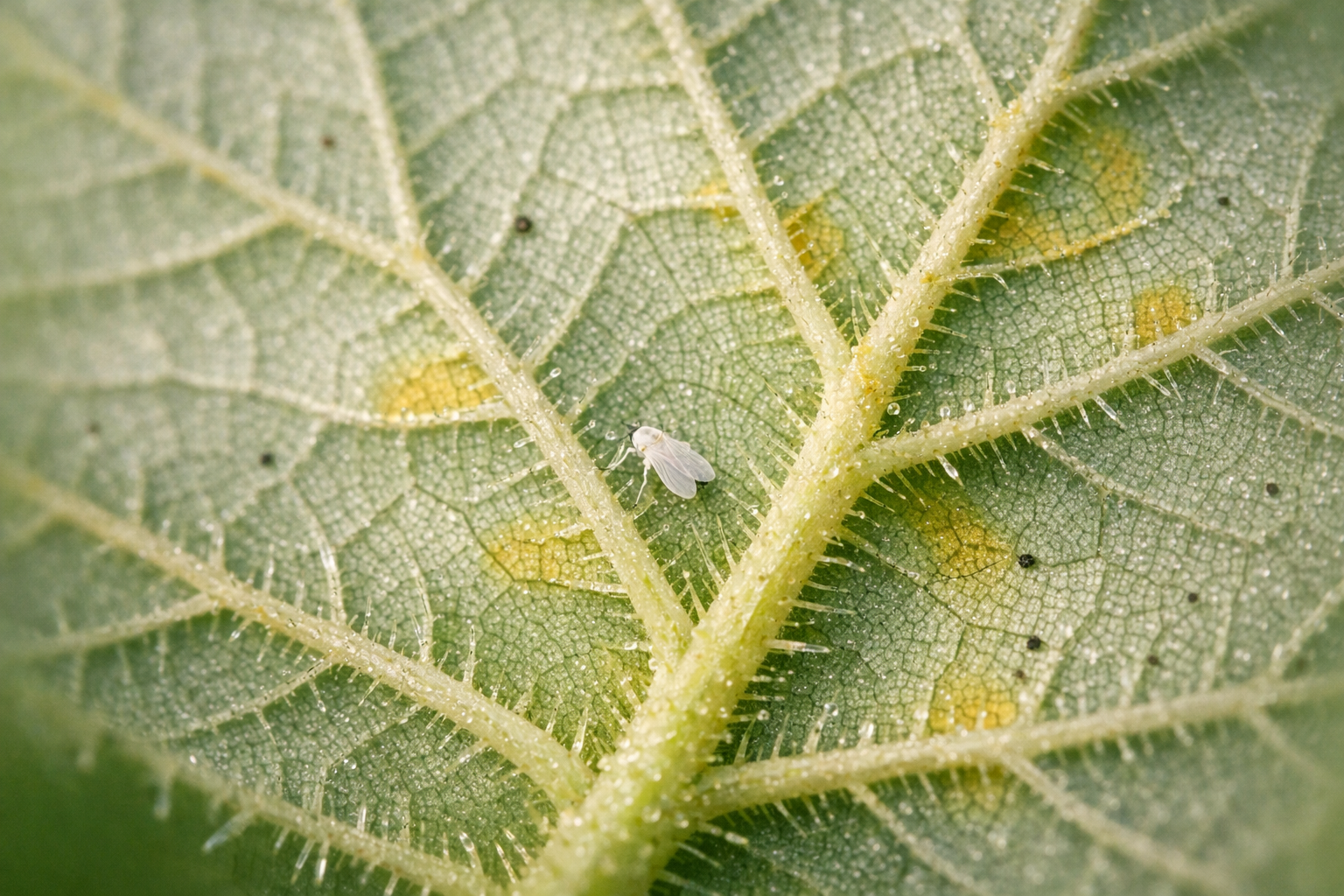
Spring is also when mulberry whiteflies become active. These tiny, winged insects feed on leaf undersides and, in large numbers, cause significant yellowing and leaf drop. However, a healthy tree with strong soil nutrition resists these pests far more effectively than a stressed one.
Cultural Practices for Spring
Pruning dead or damaged branches in early spring removes overwintering pest habitat immediately. Additionally, raking and disposing of fallen leaves eliminates egg masses before they hatch. Apply a fresh layer of organic mulch around the base — but keep it away from the trunk — to regulate soil moisture and support beneficial soil organisms.
Introduce or encourage natural predators like ladybugs and lacewings. Source These insects consume enormous quantities of aphids and scale.
Summer: Active Monitoring and Rapid Response
The Peak Pest Season
Summer brings the highest pest pressure. Warm temperatures accelerate insect reproduction cycles dramatically. Therefore, shift your monitoring schedule to at least once per week during July and August. Look for new damage patterns — not just the pests themselves.
Spider mites thrive in hot, dry conditions. Source They create fine webbing on leaf undersides and cause a distinctive stippled, bronze discoloration across the leaf surface. Additionally, Japanese beetles may target mulberry foliage in certain regions, skeletonizing leaves with remarkable speed.
Biological and Mechanical Controls
For spider mites, a strong blast of water from a garden hose disrupts colonies effectively. Repeat this every two to three days during an active infestation. Furthermore, introduce predatory mites — specifically Phytoseiulus persimilis — which hunt and consume spider mites without harming the tree or other beneficial insects.
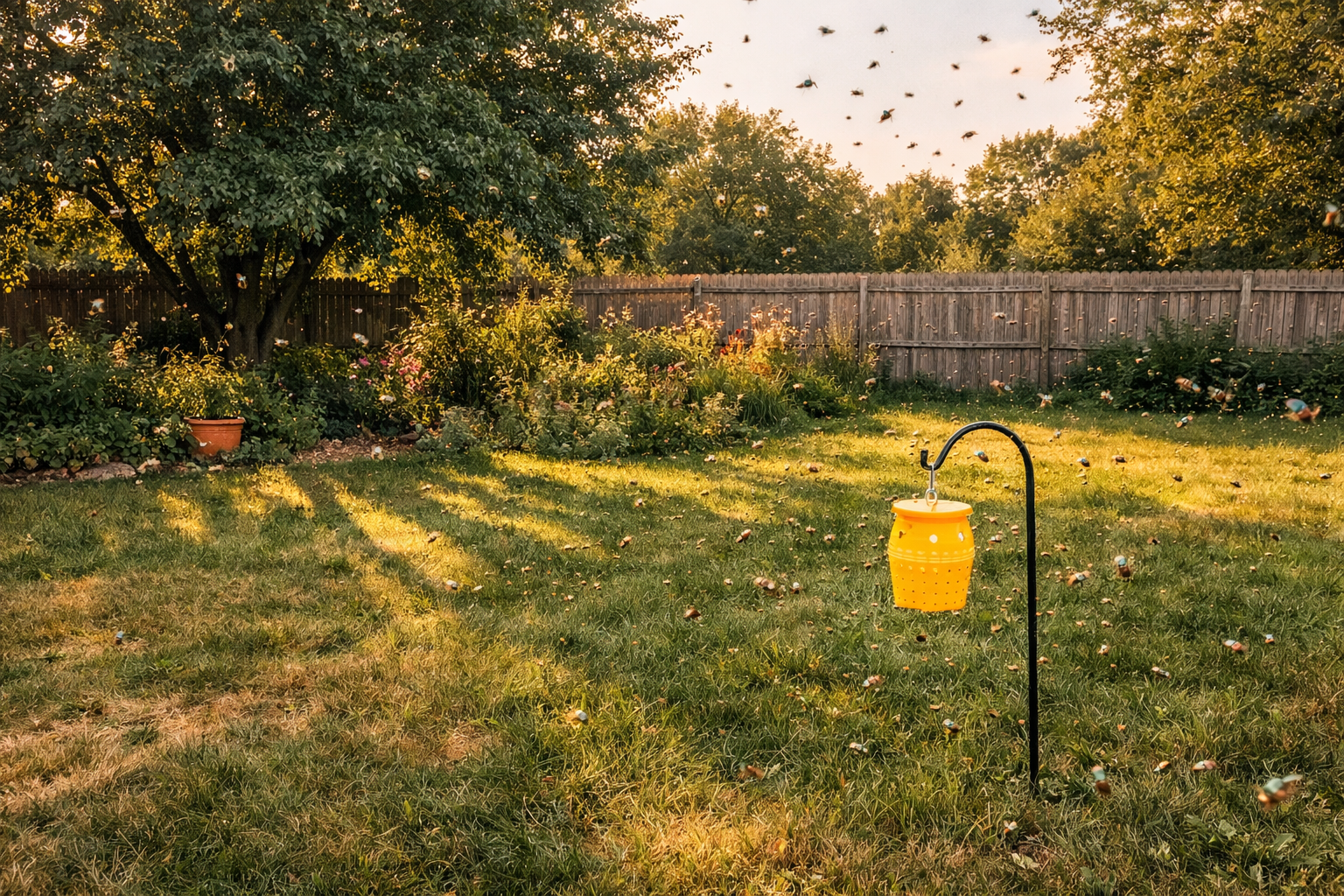
For Japanese beetles, hand-picking in the early morning works surprisingly well. Beetles are sluggish in cool morning temperatures and drop easily into a bucket of soapy water. In contrast, beetle traps often attract more beetles to your yard than they capture, so avoid them near valuable trees.
When to Consider Chemical Intervention
The Prudent Approach: Why Chemicals are a Last Resort
Truly, chemical interventions should always be a final consideration for managing mulberry pests. Indeed, these solutions carry inherent risks. They can harm beneficial insects, disrupting the natural ecosystem balance. Furthermore, potential environmental runoff and human health concerns necessitate caution. We prioritize integrated pest management (IPM) strategies first. This includes cultural practices, like proper pruning, and encouraging natural predators.
When Targeted Interventions Become Necessary
However, should diligent biological and mechanical controls prove insufficient against a severe outbreak, specific, targeted options become necessary. A severe infestation might involve rapid defoliation or widespread fruit damage. When such conditions threaten tree health or yield significantly, carefully chosen applications are justified. These methods aim to minimize broader ecological impact.
Low-Impact Solutions: Insecticidal Soaps
For instance, insecticidal soap sprays offer an effective, low-impact solution. These soaps work by breaking down the waxy cuticle of soft-bodied pests. This disruption leads to dehydration and suffocation. They control common mulberry nuisances like aphids, spider mites, and mealybugs. Always ensure direct contact with the pest for optimal efficacy.
Botanical Power: The Benefits of Neem Oil
Moreover, Neem oil provides another valuable botanical alternative. Its active compound, azadirachtin, disrupts insect feeding, growth, and reproduction. Neem oil is particularly effective against a wide range of pests, yet it generally spares beneficial insects when applied correctly. It acts as a repellent and growth regulator, making it a sustainable choice. Dilution ratios are crucial for safe and effective use.
Best Practices for Safe Application
Crucially, apply any spray early morning or late evening. This timing helps protect vital pollinators, which are less active then. It also prevents potential leaf scorch from sun exposure on wet foliage. Always read product labels thoroughly for specific instructions and safety gear. I recall my grandmother always saying, “Patience is the best pesticide.” She preferred hand-picking caterpillars, a practice I now deeply appreciate before reaching for any spray.
Fall: Cleanup That Protects Next Year
Why Fall Matters More Than You Think
Many gardeners relax their pest management efforts once summer ends. This is a critical mistake. Fall is when many insects lay overwintering eggs in bark, fallen leaves, and soil. Therefore, your fall cleanup directly determines your pest pressure the following spring.
Rake and bag all fallen mulberry leaves promptly. Do not compost them if pests were active during summer — instead, dispose of them away from your garden. Additionally, inspect bark carefully for scale egg masses and scrape them off with a soft brush before they overwinter successfully.
Preparing the Tree for Winter
Apply dormant oil spray in late fall after leaves drop. Source This suffocates overwintering scale insects, mite eggs, and aphid eggs clinging to bark. Furthermore, ensure your tree enters winter well-hydrated by watering deeply before the ground freezes.

Winter: Rest, Record, and Plan
Use the Quiet Season Strategically
Winter gives your mulberry tree — and you — a chance to rest. However, it also gives you time to plan next season’s pest management strategy. Review what worked and what didn’t during the previous year. Did aphids overwhelm a particular branch? Did spider mites appear earlier than expected? Record these observations now while they remain fresh.
Additionally, winter is the ideal time to research and order beneficial insects for spring release. Many suppliers sell lacewing eggs, predatory mites, and ladybug larvae that you can introduce early in the season. Planning ahead ensures you have biological controls ready before pest populations establish themselves.
Structural Pruning in Late Winter
Late winter — just before bud break — offers the best opportunity for structural pruning. Source Remove crossing branches, crowded growth, and any wood that shows signs of pest damage or disease. Good airflow through the canopy reduces humidity, which discourages fungal problems and certain pest species.
Furthermore, a well-structured canopy allows sunlight to penetrate evenly, supporting stronger, more pest-resistant leaf tissue throughout the growing season.
Building a Long-Term IPM Routine
Consistency is everything in IPM. No single treatment eliminates pest problems permanently. Instead, successful pest management builds layer upon layer — healthy soil, diverse beneficial insects, regular monitoring, timely cultural interventions, and targeted treatments only when necessary.
Track, Learn, and Stay Ahead of Mulberry Pests
The Power of a Garden Journal
A simple notebook can transform how you manage mulberry pests. Record every observation with date, pest type, tree condition, and treatment used. Even basic entries become surprisingly valuable over time.
After two or three seasons, patterns emerge clearly. For example, you might notice:
- Scale insects appearing every June after warm, dry springs
- Whitefly clusters spiking whenever nearby weeds go uncut
- Caterpillar damage coinciding with specific wind directions or neighboring plantings
These patterns let you anticipate problems rather than scramble reactively. My grandmother kept a worn spiral notebook beside her mulberry — she called it her “tree diary,” and she rarely lost a harvest.
—
Soil Health: Your First Line of Defense
Furthermore, no journal replaces a fundamentally healthy tree. A well-nourished mulberry produces thicker bark, stronger sap flow, and more resilient foliage. Consequently, insects find stressed trees far easier targets.
Prioritize these soil health practices:
- Apply 2–3 inches of organic compost annually around the drip line
- Maintain soil pH between 6.0 and 7.0 for optimal nutrient uptake
- Avoid compacting soil near the root zone
- Water deeply but infrequently, encouraging deep root development
Additionally, deficient trees often attract borers and bark beetles specifically. These insects instinctively target weakened wood. Therefore, a soil test every two years helps you catch deficiencies early.
—
Combining Records With Proactive Care
Together, journaling and soil management create a two-layered prevention system. Your records reveal when to act. Your soil work ensures the tree is strong enough to resist. Over time, this combination reduces chemical interventions significantly, saving both money and beneficial insect populations nearby.
Conclusion
Instead of reaching for harsh chemicals, cultivating a resilient mulberry tree primarily involves mindful observation. This ecological approach emphasizes understanding the tree’s natural cycles and its surrounding environment. Early detection is key; therefore, regular, thorough inspections become your most powerful tool. By consistently monitoring for initial signs of trouble, you empower your tree to thrive organically.
Actively supporting beneficial insects forms a cornerstone of natural pest management. Ladybugs, lacewings, and parasitic wasps are tireless allies, naturally controlling common pests like aphids and scale. To attract these helpers, plant diverse native flowers nearby, offering vital nectar and pollen. Consequently, when a minor infestation does appear, simple, targeted interventions are often sufficient. Consider hand-picking visible caterpillars or using a strong jet of water to dislodge aphids.
This proactive, nature-aligned strategy fosters a robust ecosystem around your mulberry. Moreover, it minimizes stress on the tree and reduces your reliance on external inputs. Therefore, your diligent efforts yield more than just blemish-free fruit. Instead, they cultivate a healthier garden environment overall. My grandmother always said, “A watchful eye is the best garden tool.” This wisdom certainly applies to a thriving mulberry.
Catching Spider Mites Before They Explode: The Magnifying Loupe Test
Spider mites are nearly invisible to the naked eye, which is exactly why they devastate mulberry leaves before you realize what’s happening. Without magnification, you’re basically flying blind—mistaking early stippling for heat stress or nutrient deficiency until the damage explodes across your tree.
What works
- You can actually see the mites moving on the undersides of leaves—those tiny red or brown specks become unmistakable once magnified, and you catch infestations days or weeks earlier than you would squinting at bare leaves.
- Makes the difference between “maybe I need to spray” and “yes, there are 30 mites per leaf right now”—you get real confidence to act decisively instead of guessing.
- Fits in a pocket and becomes part of your weekly walk-around routine; I check my trees during my morning coffee now and catch problems in their first week instead of their fourth.
What doesn’t
- The lens fogs up immediately in humid conditions or after watering, forcing you to dry it constantly or wait until later in the day to scout.
- Identifying spider mites still requires you to know what you’re looking for—the magnification shows you *something* is there, but distinguishing mites from beneficial insects or debris takes experience and often a reference photo.
I almost returned mine after the first week because I couldn’t figure out what I was looking at, and the fogging made me want to throw it across the yard. But once I paired it with a few reference images and started scouting in the afternoon, it became the most important tool in my mulberry arsenal—A quality magnifying loupe pays for itself the moment you catch an infestation before it spreads to three trees.
This post contains affiliate links. As an Amazon Associate, I earn from qualifying purchases at no extra cost to you.