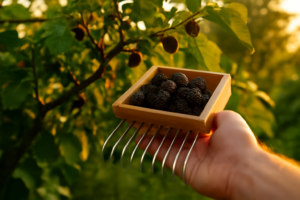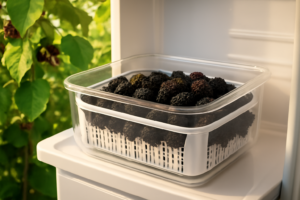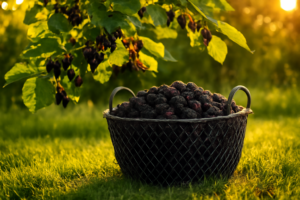
When you’re processing large harvests on a homestead schedule, efficiency matters as much as technique. I’ve batch-processed over forty pounds of mulberries in a single weekend using a system that keeps the kitchen from descending into chaos — and produces multiple products simultaneously rather than making one thing at a time. But here’s what I learned after my first disastrous harvest: none of that efficiency matters if you’re picking at the wrong time, because underripe berries ferment poorly, dry with a punishing tartness, and produce jams that fight back against every spoonful of sugar you throw at them. Knowing exactly when mulberries are ripe isn’t just a harvesting detail — it’s the foundation of every jar, every bottle, and every tray of dried fruit you’ll put up for the year. This guide covers what I actually watch for on the tree, the subtle signs that separate almost ready from harvest now, and how that timing shifts depending on your variety and climate, so you can stop guessing and start processing with confidence.
That was my first mulberry season. I was so eager to harvest that I started taste-testing a full two weeks before the fruit was anywhere near ready. I ruined a shirt, wasted a handful of berries, and convinced my neighbor I was having some kind of episode in the backyard. But here’s the thing — that embarrassing afternoon sent me down a research rabbit hole that completely transformed how I harvest. Now I pick mulberries at peak ripeness every single time, and I’m going to share everything I learned so you can skip the stained-shirt phase entirely.
When Are Mulberries Ripe? The Signs You’re Actually Looking For
Mulberries are sneaky. Unlike apples or peaches, they don’t always announce their ripeness with a dramatic color change — at least not in the way most people expect. The key is knowing what signals to watch for on your specific variety, because color alone can seriously mislead you.
Color by Variety
Color is your first clue, but only once you know what ripe looks like for your tree’s specific type. Here’s a quick breakdown:
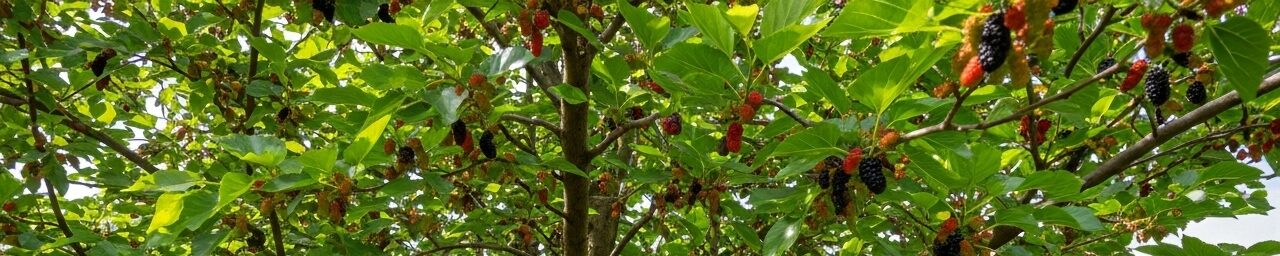
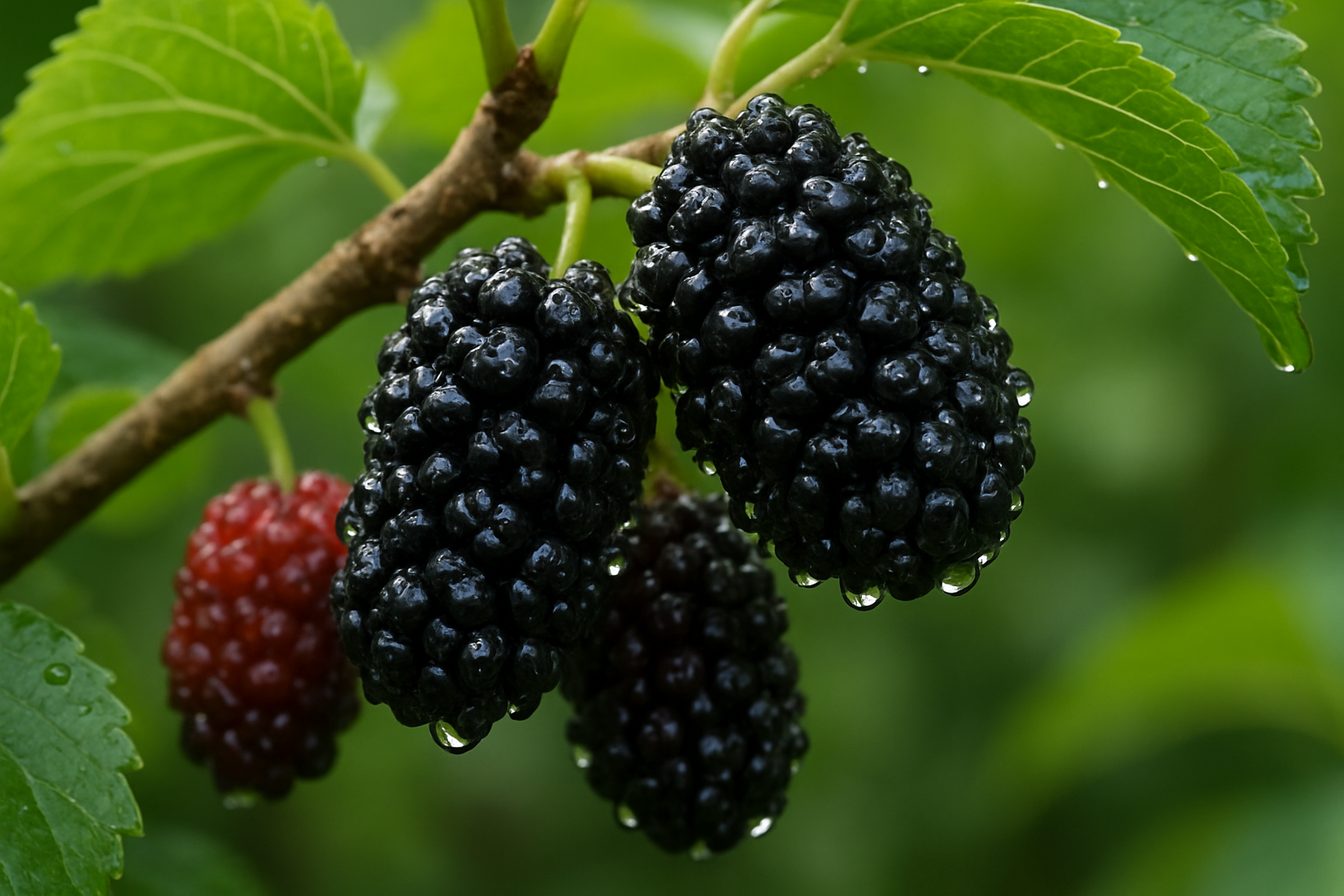
- Black mulberries (Morus nigra): Ripe berries turn a deep, almost black-purple. If they still look bright red, they need more time — and yes, this is exactly where I went wrong on that fateful linen-shirt morning.
- Red mulberries (Morus rubra): These ripen to a dark red or deep maroon. Bright or medium red means underripe.
- White mulberries (Morus alba): This is where people get really confused. White mulberries ripen to a pale pinkish-white or light lavender — they’re ripe when they look almost translucent. Still green? Still waiting.
The Touch and Drop Test
Color gets you in the ballpark, but touch and drop are your real confirmations. A ripe mulberry should feel soft and give gently under the slightest pressure — not mushy, but yielding. Under-ripe berries feel firm and almost waxy. If you have to tug to get a berry off the branch, it’s not ready. A truly ripe mulberry practically falls into your hand. In fact, the classic mulberry harvesting method is to spread a tarp or old sheet under the tree and give the branches a gentle shake. Whatever drops is ripe. Whatever clings is still working on it.
Taste — The Final Test (Learn From My Mistake)
Once color and texture check out, do your taste test. A ripe mulberry should be sweet with a gentle tartness — complex, jammy, wonderful. An unripe mulberry is aggressively sour with a dry, almost bitter finish. Trust your taste buds. And maybe don’t do this in a white shirt.
Harvest Timing: What Month and How Long Is the Window?
Mulberry season is gloriously real, and also mercilessly short. Depending on your climate and variety, harvest typically runs from late May through early August, with most backyard trees peaking somewhere in June or July. Warm southern climates tend to ripen earlier; cooler northern gardens push the timeline later into summer.
Here’s what catches people off guard: not all berries on your tree ripen at once. Mulberries ripen gradually over three to six weeks, from the outer tips of branches inward. This means you’ll be harvesting in multiple passes rather than one big single day event. Plan on checking your tree every two to three days during peak season. The good news? This spreads out the work. The bittersweet news? It also means you’ll need to stay vigilant, because birds have the exact same harvest calendar you do and zero sense of sharing.
A good rule of thumb: once you spot the first fully ripe berries on a branch, the tree’s main rush is about one to two weeks away. Use that first early harvest as your heads-up to get your gear ready.
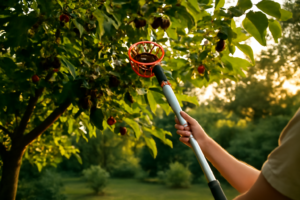
The Hand Tool That Actually Reaches the Ripest Berries Without Crushing Them
When you’re hunting for those perfectly dark, fully ripe mulberries hidden deep in the canopy, your fingers alone mean bruised fruit and repetitive strain after forty pounds of picking. A proper berry picker lets you selectively harvest only the ripest drupelets while keeping your hands intact.
What works
- The basket design catches berries gently without the impact damage that happens when you drop them into a bucket from shoulder height — I noticed my fermentation rates improved immediately once I switched from hand-dropping to this.
- You can reach branches at awkward angles and heights without contorting your arm, which means less fatigue during those multi-hour weekend harvests and fewer berries left behind on upper limbs.
- The tool’s reach lets you isolate individual ripe berries on mixed-maturity branches, so you’re not forced to strip a branch bare and end up with a batch of underripe fruit.
What doesn’t
- The basket has to be emptied frequently or berries at the bottom get crushed under their own weight — this adds steps to your workflow and breaks up the rhythm of picking.
- On thorny mulberry varieties, the handle can snag on branches and snap berries off the stem before they’re fully ripe, which defeats the whole purpose of selective harvesting.
I almost gave up on mechanical pickers after my first thorny-variety disaster, but switching to technique (approaching from below rather than raking through) saved the tool entirely. If you’re serious about timing and quality, grab the GUGULUZA Berry Picker in Black and Red.
This post contains affiliate links. As an Amazon Associate, I earn from qualifying purchases at no extra cost to you.