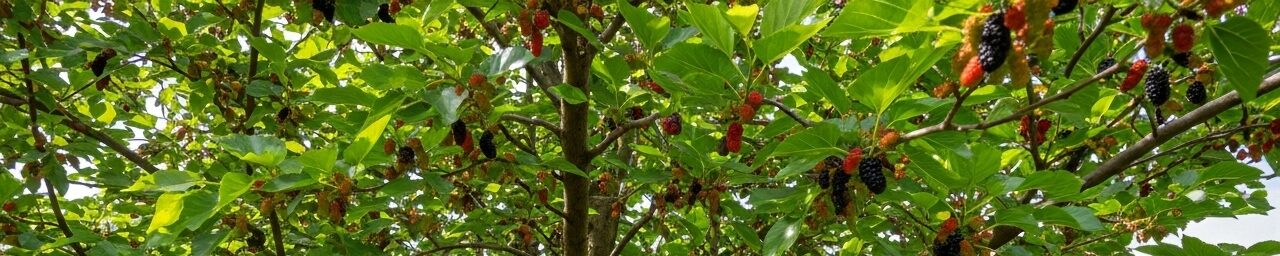
A mulberry tree on a homestead is a community asset — for you, for the birds, for the pollinators, and occasionally for every squirrel in a quarter-mile radius. Learning to manage that sharing relationship without losing your entire harvest to wildlife is one of the first real lessons the tree teaches you. But here’s the thing most growers figure out too late: the window between “not ready” and “already eaten by something with a tail” is brutally short, and that window looks completely different depending on whether you’re growing white, red, or black mulberries — three species that share a name and almost nothing else when it comes to harvest timing. I’ve spent years dialing in the exact signs that tell me when to run out with my harvest sheet, when to fire up the dehydrator, and when to start a fermentation batch before the fruit goes past its peak — and I’ve made enough mistakes along the way to save you from making the same ones. This guide breaks down the specific harvest cues, timing differences, and zero-waste strategies for each mulberry species, so you can actually beat the wildlife to it and put every last berry to use.
If you’ve got mulberry trees in your yard — or you’re thinking about planting some — let’s talk about one of the most misunderstood topics in home fruit gardening: knowing exactly when each type is ready to pick. Spoiler: the color cues are wildly different depending on the species, and mixing them up leads to exactly the kind of tragedy I described above.
Why the White Red Black Mulberry Harvest Timeline Is So Different
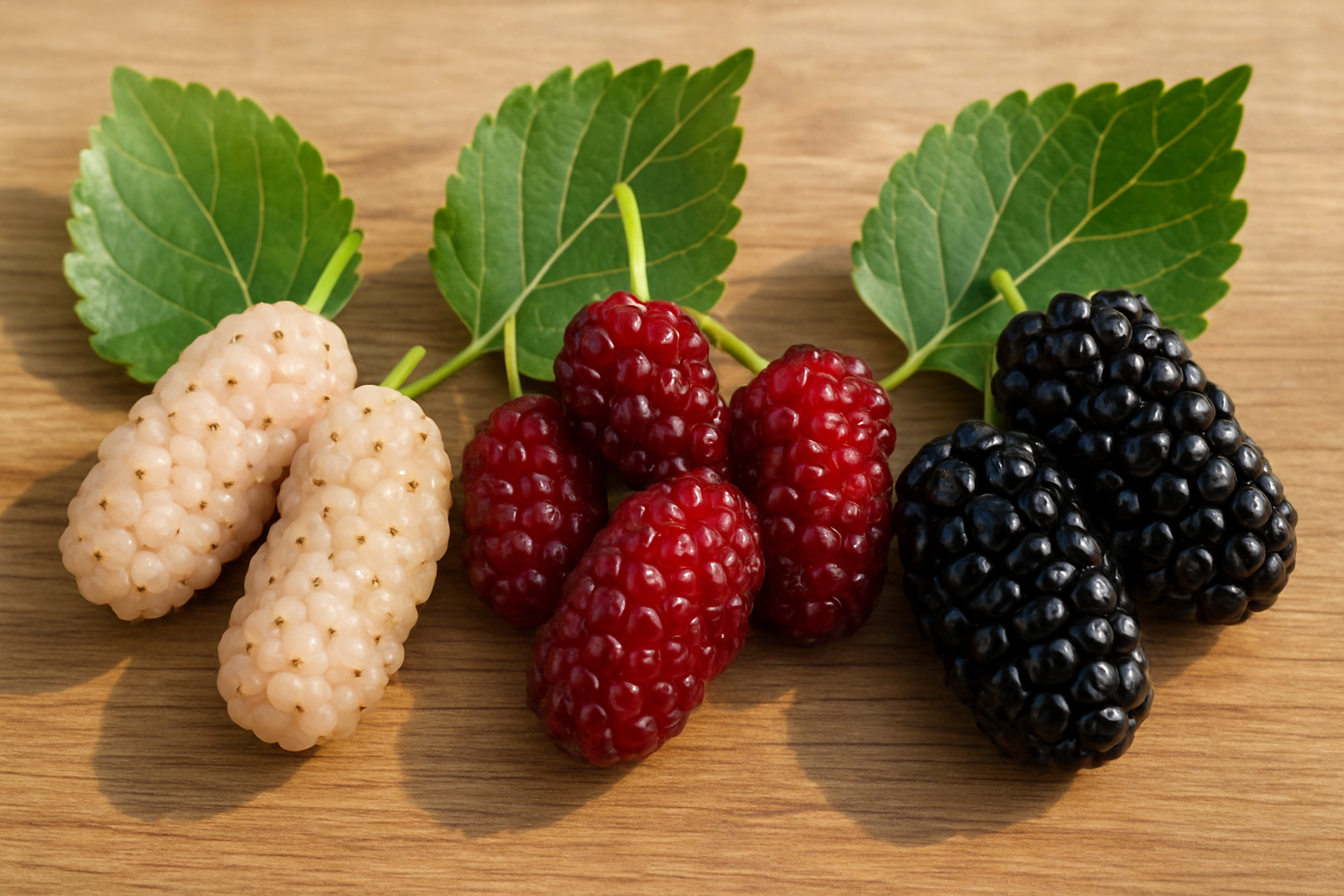
The three main mulberry species — white (Morus alba), red (Morus rubra), and black (Morus nigra) — are related, but they’re not interchangeable when it comes to harvest timing and ripeness cues. They ripen at different points in the season, respond differently to climate, and most importantly, their color at peak ripeness is completely different from what you might expect. This is where I went so spectacularly wrong.
My tree is a white mulberry. The name suggests the berries are white when ripe, right? Nope. Well — kind of. Some varieties of white mulberry do ripen to a pale ivory or light pink, but many turn a pinkish-lavender or even deep purple-black when they’re fully ripe and sweet. The species name refers to the color of the tree’s leaf buds, not the fruit. I cannot stress enough how much this one fact would have saved me two pounds of berry-shaped regret.
White Mulberries: Ripe When Soft, Not Just Pale
White mulberries typically ripen from late spring through early summer, often earlier than the other two species. The color at ripeness varies by cultivar — it can range from creamy white to pale pink to deep reddish-purple. So forget relying on color alone. Instead, look for these signs: the berry detaches from the stem with almost zero resistance, it feels soft but not mushy, and it tastes sweet with a mild, almost honey-like flavor. If it resists pulling or tastes tart and papery, walk away. Give it another week.
Red Mulberries: A True Summer Berry
Red mulberries are native to North America and tend to ripen a bit later than white mulberries — usually early to midsummer. They do turn red when partially ripe, but you want to wait until they’re a deep, almost blackish-red before harvesting. A fully ripe red mulberry has a rich, complex flavor — sweet-tart and juicy. Again, the drop test is your friend: ripe berries fall easily when you gently shake a branch. If they’re clinging on stubbornly, they need more time.
Black Mulberries: Worth Every Minute of the Wait
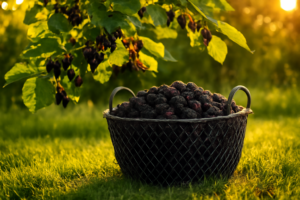
Black mulberries ripen last, often late summer into early fall, and they are in my completely unbiased opinion the most intensely flavored of the three. They turn a deep, glossy black when ripe, and they’re the most forgiving in terms of visual cues — black really does mean ready here. They should feel plump and slightly soft to the touch, and they’ll stain your fingers (and clothes, and patio, and apparently your neighbor’s white fence) a dramatic purple. The flavor is bold, sweet, and tangy. Absolutely worth growing.
Practical Harvesting Tips That Actually Work
Once I recovered from my sour-berry humiliation and did some serious research, I developed a harvesting routine that works beautifully. Here’s what I now do every season:
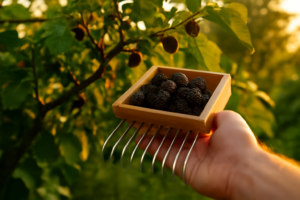
- Use the drop test: Lay an old bedsheet or tarp under your tree and give the branches a gentle shake. Ripe berries fall. Unripe ones stay put. This is the single most reliable harvesting method for all three species.
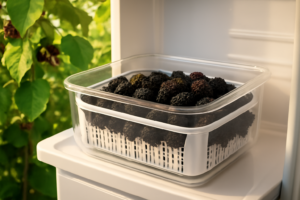
- Harvest in the morning: Berries are firmer and less likely to crush when temperatures are cooler. This also gives them the longest fridge life after picking.
- Check every 2–3 days at peak season: Mulberries don’t wait around. A branch that’s not ready Tuesday might be overripe by Saturday. Consistent checking prevents waste.
- Taste before you commit: Always try one berry before filling your bucket. Your taste buds are the ultimate ripeness detector.
- Handle gently: Ripe mulberries are delicate. Use shallow containers so berries don’t crush each other under their own weight.
Starting Over: Why I Now Plant Multiple Dwarf Trees Instead of Fighting One Large One
After losing entire harvests to wildlife from a single mature tree, I switched to planting dwarf everbearing varieties spaced across the property. Multiple smaller trees stagger your ripening window, let you protect individual trees more easily, and give you redundancy when the birds decide to camp out on one specific tree.
What works
- Dwarf varieties produce in their second year, so you’re not waiting five seasons to know if your harvesting strategy actually works.
- Everbearing types fruit continuously from early summer through fall, which means you can stagger pickings instead of facing one apocalyptic ripe-all-at-once moment that attracts every critter in the county.
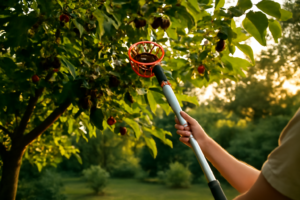
- Smaller canopies are actually easier to net or monitor individually—I can visually check ripeness on a 6-foot tree faster than scanning a 20-foot monster.
What doesn’t
- You need actual yard space or containers, which isn’t realistic if you’re already squeezed for room—and those squirrels will still find the trees no matter how spread out you plant them.
- Dwarf varieties still require consistent watering and fertilizing during establishment, and I learned the hard way that one missed summer week during a heat wave can set back young trees.
I almost gave up on this approach after my first two dwarf trees got stunted in their first year, but that was my watering fail, not theirs. If you’re ready to stop losing harvests to wildlife, Dwarf Everbearing Mulberry Plants (4 Pack) gives you enough trees to actually experiment with placement and protection.
This post contains affiliate links. As an Amazon Associate, I earn from qualifying purchases at no extra cost to you.