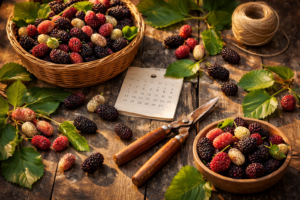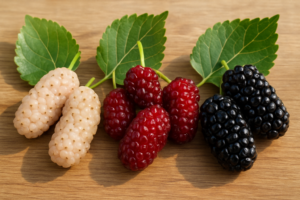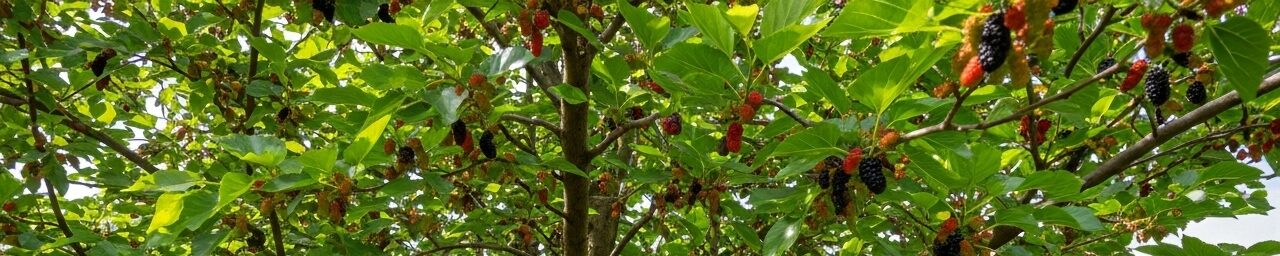
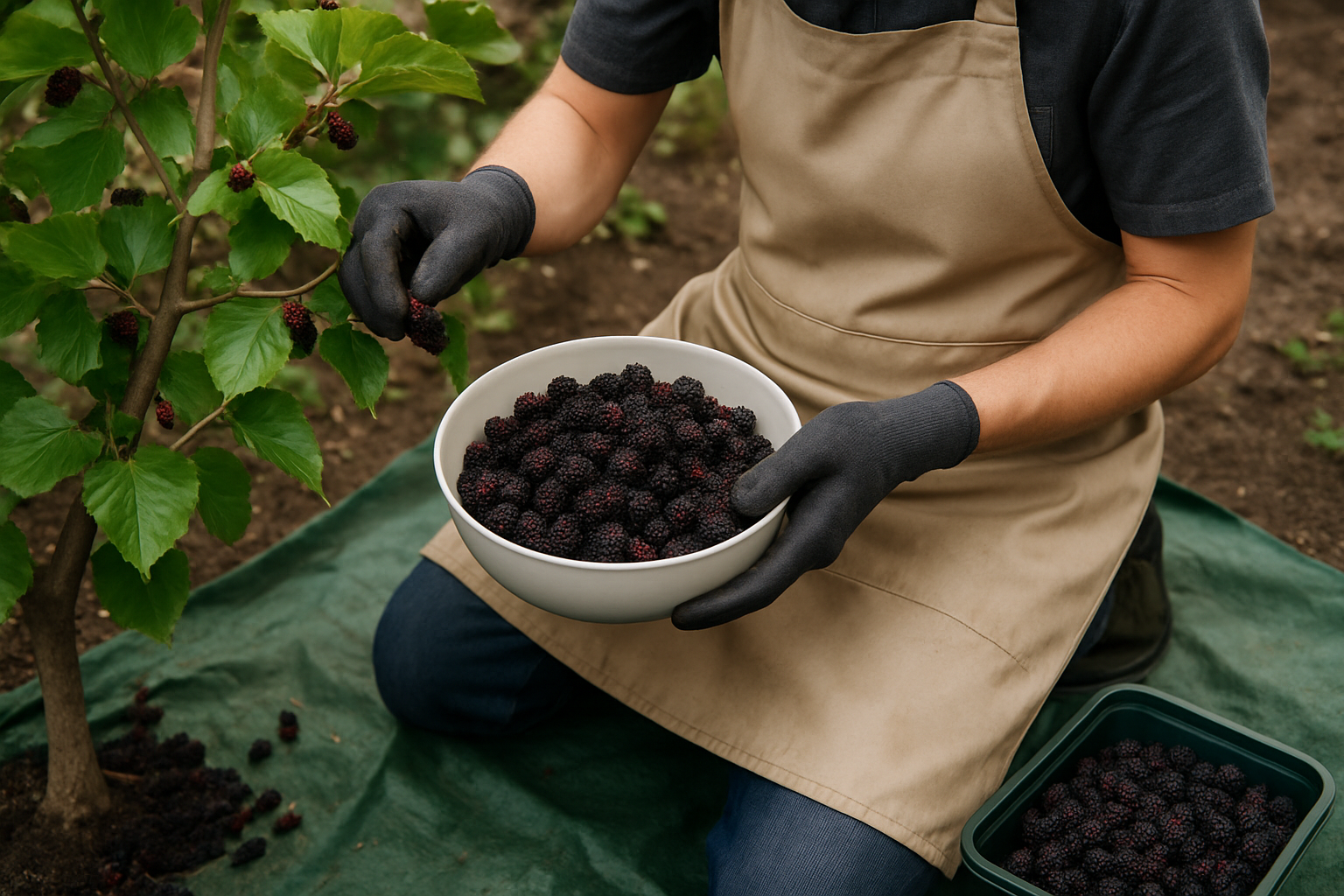
Mulberry growing in the backyard offers joys and challenges worth exploring—their vibrant berries, the way they thrive in varied climates, and the sweet rewards they offer each summer. A typical home grower might cultivate multiple cultivars—everything from the rich Black Beauty to the hardy Chinook and the delicious Illini Star. Along the way, many develop practical knowledge about avoiding mistakes and maximizing harvests that’s worth sharing with fellow backyard growers.
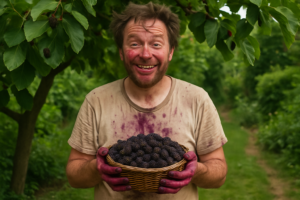
One of my most memorable experiences was the first time I harvested mulberries. I stepped back from my deck and was astonished to see a spray pattern of dark purple that looked like it had been there for weeks, even though I’d just harvested that morning. The sweet, fermented aroma wafted through the air, and it was a clear reminder of the two common pitfalls I often discuss with other growers: neglecting to prune or going overboard with it. Mulberries have their own rhythm. They don’t follow anyone else’s rules! What I’ve discovered over the years is that the way you shape your trees through pruning is just as essential for a clean harvest as having the right gear.
That realization hit me hard after a couple of messy harvests. I can still picture the purple stains on my favorite shirt—yikes! Learning from that experience, I’ve gathered a ton of useful tips that I’m excited to share so you can avoid the same fate. Let’s dive into why mulberries are delightfully messy and how to gear up properly for a stain-free harvest.
Why Mulberries Are Gloriously, Ruthlessly Staining
Let’s be honest—mulberries are juicy little gems, and they come with a price! The flesh is packed with anthocyanins, those potent pigments that give color to everything from blueberries to dark leafy greens. But the real kicker is the juice content. These berries practically burst when you pick them! That means the pigment-rich juice stains fabrics like cotton and linen permanently, especially that shirt you love. I’ve learned the hard way that tossing a stained shirt into a hot dryer locks in those purple marks for good.
Your deck is another challenge. Mulberry juice sinks into wood, leaving stains that are tough to remove. Composite surfaces fare slightly better, but they’re not stain-proof either. I’ve left berries on my composite deck for just an afternoon, and it left its mark. And don’t get me started on my hands—they turn a deep purple-blue that sticks around for days, no matter how much I scrub. So, while I definitely encourage you to pick these extraordinary berries, having a solid plan makes all the difference.
Gear Up Properly: The Foundation of Stain-Free Harvesting
After that first disaster with my white shirt, I made the best decision: I stopped treating harvesting like a delicate operation and embraced the glorious messiness of it all. You wouldn’t paint your house in formal attire, right? Harvesting mulberries should be no different. Let me share what I’ve learned about gearing up for the adventure.
Invest in a Dedicated Harvest Apron
A good apron has transformed my entire harvesting experience—not just by protecting my clothes but also by providing pockets that keep my hands from wandering to my pants leg when they’re wet. I look for aprons with water-resistant or waterproof backing, so the liquid beads off instead of soaking through to my skin.
Finding an Apron That Holds Up Through Harvest Season
Mulberry pigment is relentless—it stains quickly and binds tightly, turning every harvest day into a potential laundry disaster. What I needed was practical pocket space for my tools and containers while also shielding whatever I was wearing underneath.
Where it shines
- The pockets are deep enough to fit my bypass pruners, my harvest container, and a cleanup cloth all at once without everything shifting around—fewer trips back inside to grab forgotten tools!
- Having multiple aprons means I can rotate through them during peak harvest weeks, so I never run out of clean coverage, and the floral pattern does a better job of hiding juice splatters than plain colors.
- The weave is tight enough that liquid doesn’t seep through to my clothes, though the juice does dye the fabric permanently by the end of the season.
The limitations I’ve found
- Even with aggressive pre-treatment, those stains don’t fully budge. So, by the end of a heavy harvest, my aprons are permanently colored—which is totally fine if I think of them as expendable harvest gear rather than something meant to stay pristine.
- The neck strap can get uncomfortable when I’m twisting around in thick canopies for long periods, and the apron tends to swing outward when I’m reaching overhead, so I have to readjust it every so often.
I almost returned the first pack of aprons, thinking three wasn’t enough, but then I realized that was the point—I could sacrifice them to the juice and not feel guilty about it. I highly recommend grabbing the BOUMUSOE 3 Pack Floral Aprons with Pocket and stop pretending your nice clothes will survive the harvest.
Frequently Asked Questions
Does mulberry juice stain a composite deck?
Yes. Composite surfaces fare slightly better than wood, but they are not stain-proof. I left berries sitting on my composite deck for just an afternoon and it left its mark. On wood, mulberry juice sinks in and is tough to remove, which is why I found a purple spray pattern on my deck after my very first harvest.
Why do mulberries stain everything so badly?
Mulberries are packed with anthocyanins, the same potent pigments that color blueberries and dark leafy greens, and they hold an enormous amount of juice. The berries practically burst as you pick them, so that pigment-rich juice soaks into cotton and linen permanently and sinks into wood decking. My hands turn deep purple-blue for days.
Should I put a mulberry-stained shirt in the dryer?
No. I learned the hard way that tossing a stained shirt into a hot dryer locks those purple marks in for good. Mulberry pigment binds tightly and fast, and even aggressive pre-treatment doesn’t fully move it. My favorite shirt taught me that lesson, which is why I now wear an apron over anything I care about.
Why buy a 3 pack of aprons instead of one?
Having multiple aprons means I can rotate through them during peak harvest weeks and never run out of clean coverage. I almost returned my first pack thinking three wasn’t enough, then realized that was the point. Mulberry juice dyes the fabric permanently by season’s end, so I treat aprons as expendable harvest gear.
What features matter most in a mulberry harvesting apron?
I look for water-resistant or waterproof backing so juice beads off instead of soaking through, plus a tight weave that keeps liquid off my clothes. Deep pockets matter too: mine hold my bypass pruners, harvest container, and a cleanup cloth at once without shifting. A floral pattern hides juice splatters better than plain colors.
Keep Reading
About This Article
Written by Ruth Nakamura. Ruth Nakamura is a backyard orchardist in the Pacific Northwest who has grown mulberries for fifteen years, cultivating twelve different varieties in her own backyard. Not a horticulturist by formal training - she shares what she has learned through hands-on growing, workshops, and connecting with nurseries and growers across the country. More about this site.
Scope and limits. Ruth is a backyard orchardist without formal horticultural training. Growing conditions vary enormously by region, so confirm variety, timing, and pest guidance with your local extension service.
Verify this against a primary source
Specifics change, and your situation may differ from the one described here. These are the authorities worth checking directly:
- USDA Plant Hardiness Zone Map — zone verification for your location
- Oregon State University Extension — fruit growing and pruning research
- USDA PLANTS Database — species range and identification