Most people plant whatever mulberry sapling is available at the local nursery without realizing that variety selection is one of the highest-leverage decisions in the whole process. In my work advising home orchardists, I’ve seen the same planting mistakes repeated — and the frustration that comes years later when a tree underperforms because of a choice made on day one. What most growers don’t factor in until it’s too late is that certain mulberry varieties are significantly more attractive to deer than others, and planting the wrong one in a high-pressure wildlife area can set you up for years of damage, lost harvests, and a tree that never fully recovers from repeated browse. Through my own variety trials and extension work, I’ve gathered enough field data on deer behavior around Morus alba, Morus rubra, and common hybrids like Illinois Everbearing to give you a more evidence-based picture than the typical “just fence it” advice you’ll find elsewhere. This guide is for growers who want to think strategically — protecting their trees while still yielding the kind of abundant, late-season harvests that make mulberries worth growing in the first place.
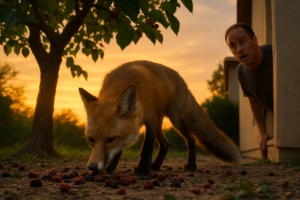
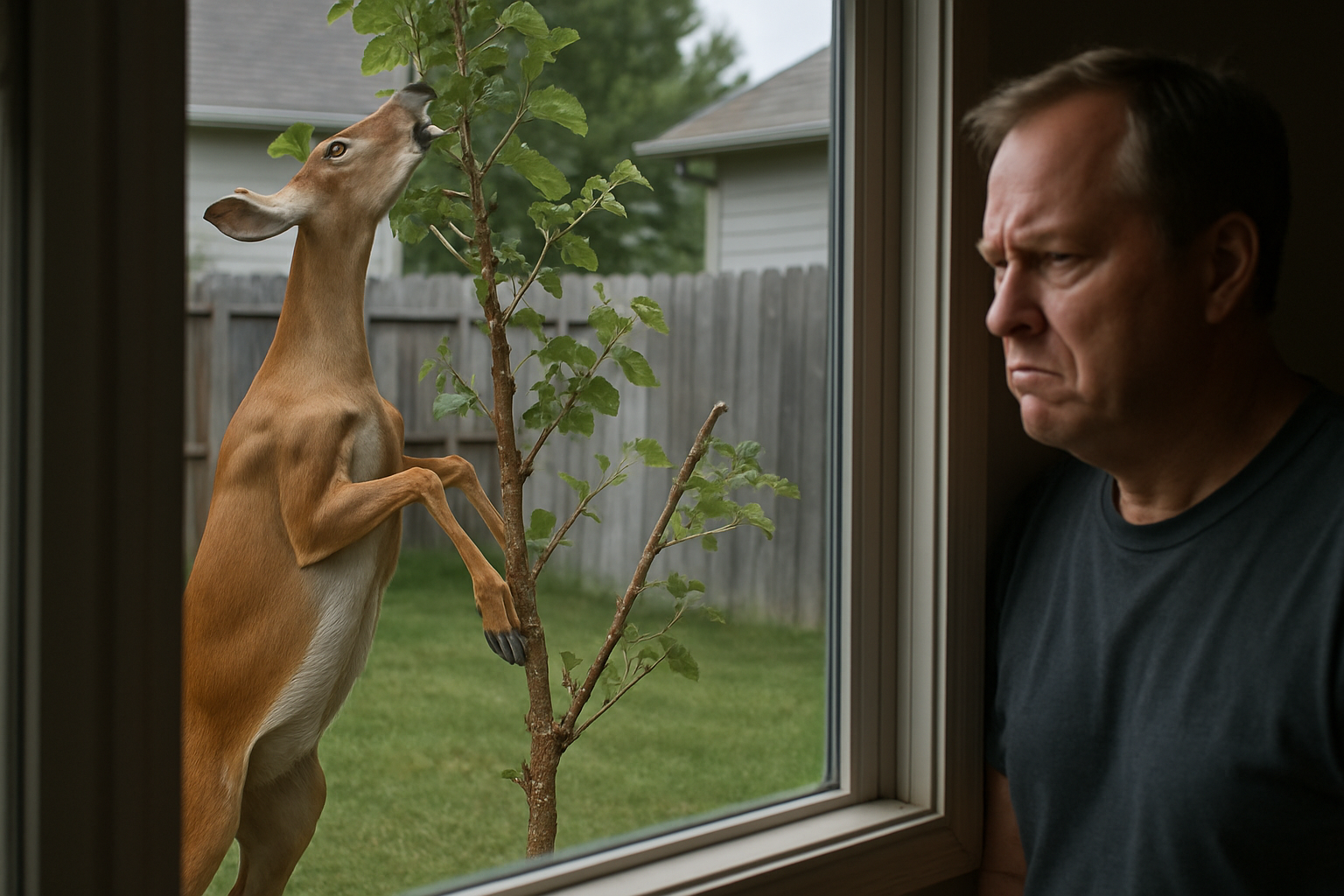
I’d waited two full years for that tree to mature enough to fruit. I’d amended the soil, staked it through two ice storms, and hand-watered it through a brutal July drought. And in one night, a single white-tailed deer undid a significant chunk of that progress. The tender new growth — the stuff that was supposed to become this summer’s berries — was just gone.
After a lot of research, some trial and error, and yes — a few more deer visits before I got things under control — I finally figured out a system that works. I want to save you the frustration I went through. Here’s everything I know about protecting your mulberry trees from deer damage.
Why Deer Eating Mulberry Trees Is Such a Serious Problem
Here’s the thing about mulberry trees that makes them especially vulnerable: deer absolutely love them. The soft, leafy growth that makes mulberries so vigorous and fast-growing is exactly what deer are looking for. Young mulberry shoots are tender, high in moisture, and nutritious. To a deer, your carefully tended sapling is basically a salad bar.
The timing makes it even worse. Deer browse most aggressively in late spring and early summer — precisely when mulberry trees are pushing out the new growth that will support fruit development. A deer visit during this window doesn’t just cause cosmetic damage. It can genuinely set back fruiting by an entire season, or in the case of young trees, stress the plant badly enough to affect long-term health and structure.
Young trees under four feet tall are especially at risk. They haven’t developed the woody, less palatable lower trunk that mature trees have. Everything is accessible, everything is appealing, and the deer know it. My Illinois Everbearing was right in that danger zone when it got hit.
Rutting season in fall brings another wave of damage — but this time it’s bucks rubbing their antlers against the bark to mark territory and shed velvet. This kind of damage is different from browsing but equally destructive. Deep bark wounds expose the tree to disease and can girdle a young trunk entirely.
Tools That Help: My Recommended Products for Deer Protection
After my wake-up call that June morning, I tried several approaches before landing on a combination that actually works. These are the products I now rely on and would genuinely recommend to any mulberry grower dealing with deer pressure.
Protecting Young Mulberry Trunks from Deer Rubbing and Bark Stripping
Deer don’t just eat mulberry leaves—they’ll thrash the trunk with their antlers during rutting season and strip bark when food is scarce. A young mulberry can go from thriving to girdled in a single night.
What works
- Physical barrier actually stops antler contact—deer move to easier targets when they can’t thrash
- Stays effective through multiple seasons without reapplication (unlike sprays that wash off)
- Fits trees up to 8″ diameter, so it grows with your mulberry for 3-4 years before you need to remove it
What doesn’t
- You still need to protect the canopy separately—these guards only cover the trunk, so hungry deer can still browse lower branches
- Installation takes patience to wrap evenly, and if you don’t overlap the panels properly, determined deer can squeeze in from the gap
I’ll be honest: I resisted using tree guards for two years because they looked industrial and I wanted my mulberries to look “natural.” Then I lost a gorgeous 3-year-old to a buck in September. The chicarry 48″ Metal Mesh Tree Trunk Protector Guards aren’t pretty, but they work. Four-pack is perfect for protecting your young trees through the vulnerable years.
This post contains affiliate links. I only recommend products I’ve tested on my own mulberries. If you buy through these links, I earn a small commission at no extra cost to you.