- Leave dropped mulberries on the ground — ground-feeding birds like thrushes, robins, and towhees prefer foraging in the leaf litter beneath the tree.
- Avoid deadheading wildflowers entirely in fall — seed heads provide critical winter food for finches and sparrows.
- Limit or eliminate pesticide use within the
I once spent an entire Saturday afternoon absolutely convinced I had accidentally poisoned my neighbor’s cat. I hadn’t. But the story of how I came to that conclusion — involving a half-eaten mulberry, a very dramatic tabby, and my complete ignorance of what a wildlife corridor mulberry trees can actually attract — is exactly why I’m writing this post today.
This post contains affiliate links. As an Amazon Associate, I earn from qualifying purchases.
It all started two summers ago when I planted a young Illinois Everbearing mulberry along my back fence line. I’d read that mulberries attract birds. What I had not fully processed was just how enthusiastically the local wildlife would take me up on the offer. Within one season, my yard had become a full-on ecological freeway. Birds, butterflies, squirrels, and yes — the neighbor’s cat, Mr. Wrinkles, who had apparently decided my yard was his personal buffet.
One afternoon I watched Mr. Wrinkles stagger out from under the mulberry tree, his white fur stained deep purple-red, wobbling like he’d had a very long Friday night. I did what any reasonable person would do: I Googled “are mulberries poisonous to cats” in a full panic, called my neighbor Janet, and then spent twenty minutes convincing her I hadn’t done anything wrong. For the record, mulberries are not toxic to cats. Mr. Wrinkles had simply eaten too many ripe berries and was dealing with the predictable aftermath. He was fine. My pride was slightly less fine.
But here’s the thing — that absurd afternoon taught me something genuinely valuable. My single mulberry tree had already started functioning like an anchor point for local wildlife. And that got me thinking: what if I actually did this on purpose?
Why Your Yard Needs a Wildlife Corridor (And Why Mulberries Are the Secret Weapon)
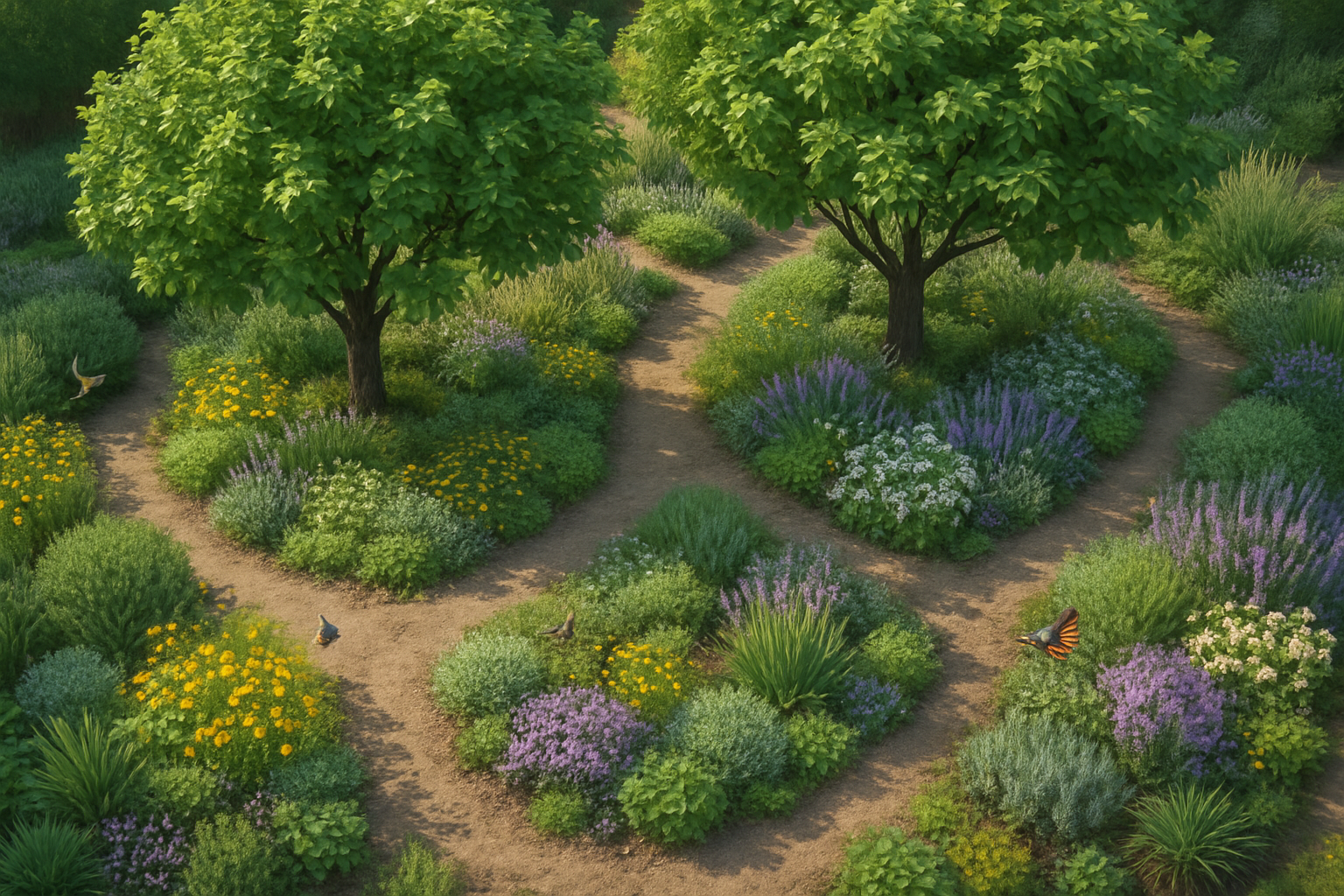
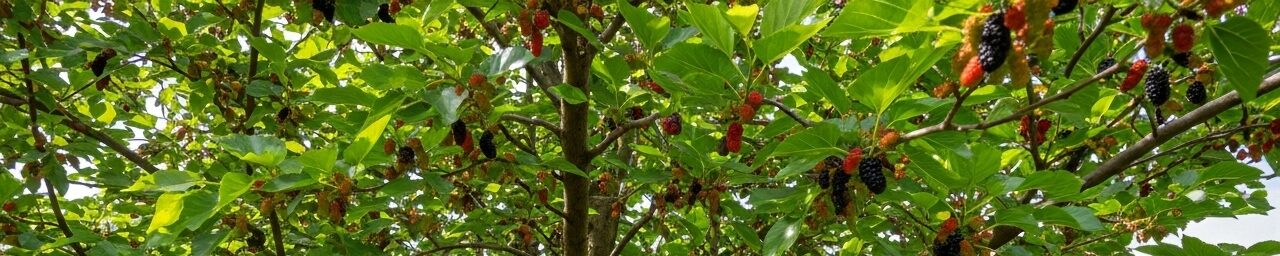
A wildlife corridor is essentially a connected pathway of habitat that allows birds, insects, and small animals to move safely through fragmented landscapes. In suburban yards, we can create mini versions of these corridors — and mulberry trees are one of the best anchor plants you can choose. Their fruit ripens over a long window (sometimes six to eight weeks), which means they feed wildlife across multiple life stages and migration periods rather than offering one brief burst of food and going quiet.
Mulberries also produce fruit relatively quickly compared to many native fruiting trees, often beginning to bear within two to three years of planting. Their dense canopy provides nesting cover, their branches offer perching spots, and their dropped fruit feeds ground-foraging birds and small mammals. They’re essentially a wildlife apartment building with a restaurant on the ground floor.
The key to making a true corridor, though, is layering. A single tree creates a destination. A corridor requires plants at multiple heights — canopy, shrub layer, ground cover — that connect that mulberry anchor to the broader neighborhood ecosystem.
How to Build Your Wildlife Corridor Mulberry Trees and Native Plants Design
Start With Your Mulberry Anchor
Plant your mulberry where it has room to spread — these trees can reach 30 feet or more at maturity, so give them space from structures. If you have a smaller yard, the Dwarf Everbearing Mulberry is a fantastic option that tops out around 6 to 10 feet and can even grow in a large container. Place your tree near the back or side of your property to create a natural transition zone between your maintained garden and the wider neighborhood.
Add the Shrub Layer
Native shrubs like serviceberry, elderberry, and native viburnums work beautifully as mid-height companions to mulberries. They extend the wildlife value of your space by providing food and shelter at a different height than your tree canopy. Plant them in loose groupings rather than rigid rows — wildlife prefers the messier, more natural arrangement, even if your homeowners association does not.
Seed in Native Ground Cover and Wildflowers
This is where things get really exciting — and where I spent a frankly embarrassing amount of time researching seed mixes after the Mr. Wrinkles incident inspired my corridor obsession. Native wildflowers and grasses fill in the ground layer, attract pollinators that in turn attract more birds, and give insects the habitat they need to complete their life cycles.
For larger areas or meadow-style plantings, the Hale Habitat & Seed Native Grass & Wildflower Refuge, Wildlife & Pollinator Seed Mix covers a full quarter acre and is specifically blended for wildlife and pollinator support — a perfect underplanting or border for an established mulberry zone.
If you’re in the Northeast, the Northeast Natives Mix with 16,000 Seeds is a regionally appropriate choice that will establish well alongside your corridor plantings. And for those of you gardening in California, the California Wildflower Mixture bulk packet with over 7,000 native seeds is an excellent option for filling in bare ground quickly.
Inviting Pollinators and Butterflies Into Your Corridor
Birds follow insects. Insects follow flowers. It really is that simple. Including milkweed, coneflower, and native asters in your corridor design ensures that butterflies and native bees move through your space, which in turn draws insect-eating birds that will also appreciate your mulberry fruit. It becomes a self-reinforcing system.
The Nuggets of Nectar Butterfly Garden Flower Seed Starter Kit includes milkweed, echinacea, coreopsis, cosmos, gaillardia, and zinnia — six genuinely useful species that cover a long bloom window and support multiple butterfly life stages. This is the kit I actually use in the sunny border that runs alongside my mulberry tree, and it has been wonderful.
If you have kids or grandkids, the Insect Lore Raise and Release Butterfly Garden Kit is a genuinely magical way to bring the corridor concept indoors and make it educational. Watch caterpillars transform and then release the butterflies right into your garden. It’s the kind of moment that turns kids into lifelong nature lovers — and it gives you a legitimate excuse to spend an afternoon outside supervising “the science experiment.”
Practical Tips for Maintaining Your Corridor Long-Term
- Leave dropped mulberries on the ground — ground-feeding birds like thrushes, robins, and towhees prefer foraging in the leaf litter beneath the tree.
- Avoid deadheading wildflowers entirely in fall — seed heads provide critical winter food for finches and sparrows.
- Limit or eliminate pesticide use within the