
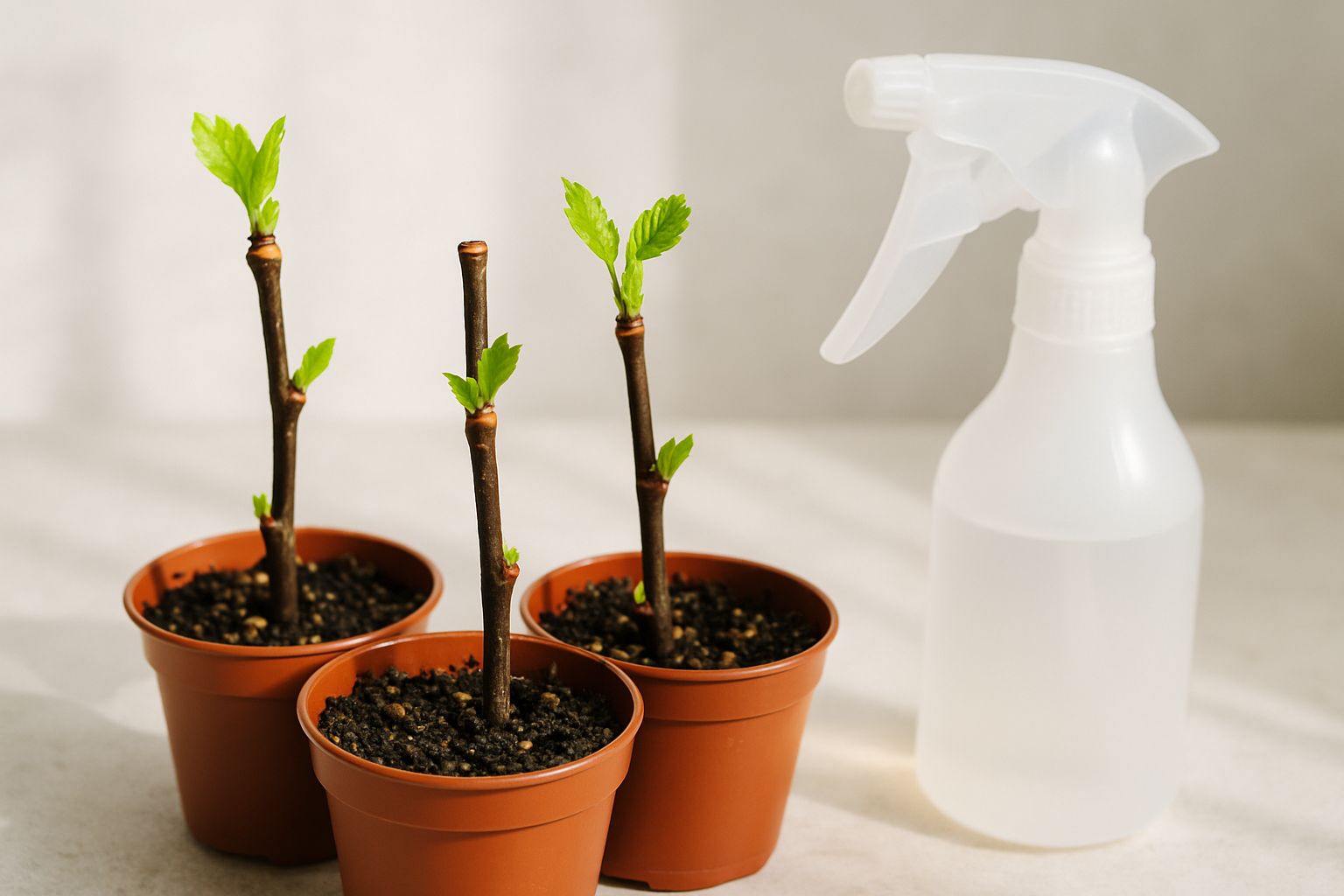
I almost gave up on mulberry propagation entirely. After three failed attempts, two moldy trays, and what felt like a small fortune spent on potting mix and plastic pots that ended up in the recycling bin, I sat on my back porch genuinely defeated. All I wanted was to grow mulberry from cuttings — something the internet assured me was “easy” and “foolproof.” It did not feel easy. It did not feel foolproof. It felt personal.
This post contains affiliate links. As an Amazon Associate, I earn from qualifying purchases.
But here’s the thing — I eventually figured out exactly where I was going wrong, and now I root mulberry cuttings with a success rate that honestly surprises me every single time. Today I want to walk you through everything I’ve learned, including the mistakes that cost me an entire season, so you don’t have to repeat them.
Why I Was So Determined to Grow Mulberry from Cuttings
My neighbor has a massive Illinois Everbearing mulberry that hangs over the fence every July and drops the most obscenely delicious berries I’ve ever tasted. She offered me a few branches to try propagating, and I thought — perfect, free tree. How hard could it be?
Very hard, as it turns out, when you skip the fundamentals. My first batch of cuttings sat in a glass of water on the windowsill for six weeks and did absolutely nothing except slowly decompose. My second attempt went straight into potting soil with no rooting hormone, no humidity dome, no bottom heat — just vibes and optimism. They wilted within a week. By my third try I was using rooting hormone but the wrong kind, at the wrong concentration, and I still lost the whole tray to rot because I’d kept the medium too wet.
I’m sharing this because every resource I found made it sound so simple, and when it didn’t work I genuinely thought I was doing something uniquely wrong. I wasn’t. I just needed the right information, which took me an embarrassingly long time to piece together.
The Right Cuttings Make All the Difference
Mulberries root best from hardwood cuttings taken in late winter or early spring, just before the tree breaks dormancy. You can also have good results with softwood cuttings in late spring, but I’ve found hardwood far more forgiving for beginners. Here’s what to look for:
- Cut pencil-thick stems that grew vigorously in the previous season — you want healthy, firm wood, not spindly or diseased growth
- Each cutting should be 6 to 10 inches long with at least two or three nodes
- Make a clean, angled cut at the bottom just below a node, and a straight cut at the top just above a node
- If you’re working with softwood in spring, take tip cuttings 4 to 6 inches long and remove the lower leaves immediately
- Work quickly — mulberry cuttings don’t love sitting out, and the milky sap that bleeds from the cut can actually inhibit rooting if you let it dry and seal the wound before planting
That last point was one of my biggest mistakes. I’d take cuttings, set them aside, putter around the garden for an hour, then plant them. By then the sap had formed a little cap over the cut end. Once I started planting immediately — or at minimum soaking the cut end briefly in clean water first — my results improved dramatically.
Rooting Hormone, Humidity, and the Setup That Finally Worked
Let’s talk rooting hormone, because this is where I wasted the most time. Not all rooting hormones are created equal, and mulberry — especially hardwood mulberry — needs a higher IBA concentration than your average herb cutting.
For softwood or semi-hardwood cuttings, I’ve had great results with Garden Safe TakeRoot Rooting Hormone. It’s a powder formula that’s easy to apply — just dip the moistened cutting end, tap off the excess, and plant. It’s gentle enough that you won’t burn tender tissue, and the two-pack means you’ll have backup on hand.
For hardwood cuttings, though, I strongly recommend stepping up to something more aggressive. Hormex Rooting Powder #16 is formulated specifically for difficult hardwood plants and trees, with a 1.60% IBA concentration that gives those stubborn woody cuttings the push they need. This is genuinely the product that turned my failure streak around. I used it on my fourth batch of hardwood mulberry cuttings and had roots showing in under five weeks.
If you prefer a gel over powder, Midas Hydro Rooting Gel is a solid option that clings well to the cutting and ensures good contact with the rooting medium. Some growers swear gels give them more consistent coverage than powders — it genuinely comes down to personal preference.
What to Plant Into
Skip straight potting mix — it holds too much moisture and invites rot (hi, that was my third failed batch). Instead, use a 50/50 blend of perlite and coarse horticultural sand, or perlite and a very light seed-starting mix. You want something that drains fast and allows air to reach developing root tissue.
The Humidity Dome Is Non-Negotiable
Before cuttings develop roots, they can’t take up moisture from the soil — so they’ll lose water through their leaves and bark faster than they can replace it. A humidity dome traps moisture in the air around the cutting and keeps it from desiccating before it ever gets a chance to root. I now use the SOLIGT Thick Plastic Seed Starter Trays with 5″ Humidity Domes for larger batches — they’re sturdy, hold up to repeated use, and the tall dome gives cuttings room to breathe without touching the plastic. For smaller propagation sessions, the YoleShy 5-Pack Seed Starter Trays with Humidity Domes are excellent — thickened plastic, reusable, and the set of five means you can run multiple varieties or timing rounds at once.
Place your domed tray somewhere with bright indirect light and consistent warmth — around 65 to 75°F is ideal. Bottom heat from a seedling mat speeds things up considerably. Crack the dome slightly after two weeks to start acclimating the cuttings to ambient humidity, and check the medium regularly — it should feel barely damp, never soggy.