You’ll run into two competing pieces of advice the moment you start shopping for a mulberry tree: buy whatever variety looks best on the nursery tag, or pick strictly for cold-hardiness and ignore the rest. Both are wrong for a beginner, and I learned that the expensive way. My first tree was an ornamental white mulberry that photographed beautifully and then sulked through my zone 6b garden — it wanted drainage I couldn’t give it, hated the humidity, and never showed the slightest interest in fruiting. Meanwhile my neighbor’s scraggly-looking Illinois Everbearing, planted in what was basically a drainage ditch, was buried in fruit every summer. The lesson that actually matters: grow the variety that wants to live where you live, not the one that looks best in a catalog. From a single well-chosen, well-managed tree I’ve since fermented mulberry wine, dried enough fruit to stock the pantry through January, and pressure-canned quarts of preserves — and it all traces back to getting this one decision right before the shovel ever hit dirt.
The good news is that my mulberry journey didn’t end at that backyard disaster. Some honest research, a conversation with an old-timer at the local garden club, and a fresh start with better-suited trees turned things around completely — now I’ve got more berries most summers than I know what to do with. Here’s what I learned choosing the right variety.
| Variety | Zones | Mature Height | Key Traits |
|---|---|---|---|
| Illinois Everbearing | 4–9 | Not specified | Cold hardy, disease resistant, tolerates clay soil, drought-tolerant once established |
| Dwarf Everbearing | Not specified | 6 feet | Compact, prolific fruiter, low-maintenance, container-friendly |
| Standard white mulberry | Not specified | Not specified | Ornamental, less forgiving of inconsistent care and tricky soil |
Why the Wrong Variety Can Break Your Heart (and Your Budget)
Not all mulberry trees are created equal, and the species or cultivar matters far more for beginners than most nursery signage lets on. A tree bred more for ornamental looks than fruiting reliability can leave you with something gorgeous and nearly empty come harvest, while a plain-looking, proven variety planted in a spot it actually likes will out-produce it every time.
Best Mulberry Varieties for Beginners: The Ones That Actually Thrive
Illinois Everbearing Mulberry
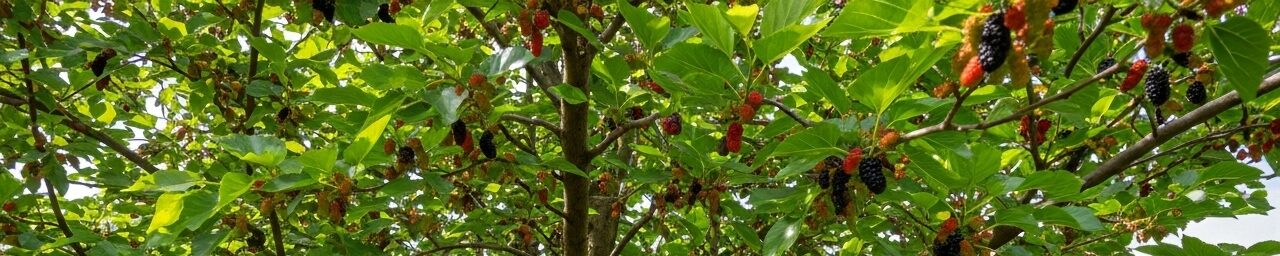
Illinois Everbearing is a naturally occurring hybrid between red and white mulberry, combining the best traits of both — cold hardiness, disease resistance, and a fruiting season that can stretch from late spring into early fall. It grows vigorously across a wide range of zones (roughly 4–9), tolerates clay soil, handles drought once established, and produces rich, sweet-tart berries.
For a reliable, proven performer, consider the Mulberry Illinois Everbearing Plant (4 Pack) — getting several plants at once allows for experimenting with placement. If you’d prefer something more established, the Illinois Everbearing Mulberry Tree 6–10″ Tall is a potted option that provides an earlier start.
Dwarf Everbearing Mulberry
Short on space? The Dwarf Everbearing earns its beginner-friendly reputation through its compact size alone. It typically tops out around 6 feet, so it fits comfortably in a large container on a patio, a small yard, or even indoors through a harsh winter. It’s a prolific fruiter for its size and largely low-maintenance once settled — these trees are known to thrive on apartment balconies in grow bags as easily as in suburban backyards. A starter pack is a practical way to begin, offering backup plants if one spot doesn’t work out, and they establish quickly.
What to Avoid as a Beginner
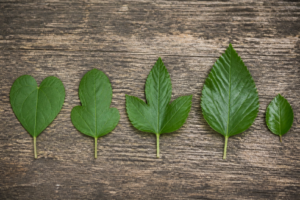
Standard white mulberry cultivars can be gorgeous, but many are far less forgiving of inconsistent care and tricky soil than most beginners are set up for. Fruitless mulberries are ornamental only — no berries, no payoff, ever. And rare mail-order bare-root specimens often arrive rough and need an experienced hand to nurse along. Start with a proven everbearing type, build confidence, then branch out.
Setting Your Tree Up for Success: Practical Tips from My Mistakes
Picking the right variety is step one. Step two is not repeating my other errors. Here’s what actually works:
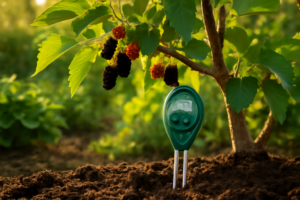
- Plant in full sun. Mulberries tolerate partial shade, but they fruit best with at least 6–8 hours of direct sun daily. Insufficient sun exposure is a common reason for reduced yields, so site selection matters from the start.
- Water deeply but infrequently. Young trees need consistent moisture while establishing — roughly once a week during dry spells — but mature trees are surprisingly drought-tolerant. Overwatering is the silent killer here, not underwatering.
- Feed thoughtfully. Mulberries don’t need heavy fertilization, but a boost at planting and again in early spring helps a lot. I like Miracle-Gro Fruit & Citrus Plant Food Spikes for a simple slow-release option — push them into the soil around the drip line and you’re done. For a more organic route, Jobe’s Organics Granular Fertilizer for Fruit Trees works well and is safe around kids and pets.
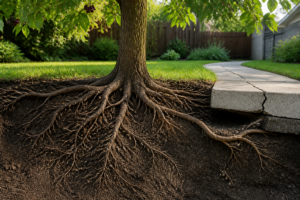
- Mulch generously. A 3–4 inch layer of wood chip mulch around the base retains moisture, suppresses weeds, and moderates soil temperature — especially valuable that first summer.
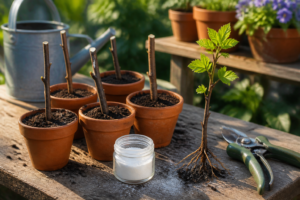
- Be patient with pruning. Minimal pruning in the first two years lets the tree put its energy into root establishment instead of recovering from cuts.
Container Mulberries That Actually Fill a Harvest Bucket (Not Just a Decorative Pot)
Limited on space, or want to test a variety before committing a garden bed to it? Dwarf mulberries in containers can deliver real yields — but only with vigorous stock and the understanding that container trees need more attention than in-ground plantings. I spent two seasons underestimating exactly how much water and feeding a potted mulberry actually needs before landing on what works.
What works
- Multiple trees in one pack allow for staggered plantings across different microclimates, and younger specimens typically establish quickly once settled into their final pots.
- Dwarf stock stays small enough to net effectively against birds — something I couldn’t manage with my sprawling Illinois Everbearing until I learned that lesson the hard way.
- Container growing lets you control soil drainage and pH without amending an entire bed, which matters if you’re dealing with heavy clay or existing nutrient imbalances.
What doesn’t
- Container trees need daily watering during fruiting season in hot weather, and I’ve watched fruit drop mid-harvest when I got lazy about it during a dry spell.
- The four-pack comes with no guidance on sizing up or transplanting, so beginners often leave trees in small containers too long and stunt the yield.
I nearly gave up on container mulberries entirely after a dry spell wiped out half a crop, but switching to self-watering containers and moving pots into afternoon shade changed everything. To test-drive a dwarf variety or squeeze the most out of a small space, grab the Mulberry Dwarf Everbearing Plant (4 Pack) and commit to the watering schedule from day one.
Frequently Asked Questions
What zones does Illinois Everbearing mulberry grow in?
Illinois Everbearing grows vigorously across roughly zones 4–9. It’s a naturally occurring hybrid between red and white mulberry, so it combines cold hardiness with disease resistance, tolerates clay soil, and handles drought once established. Its fruiting season can stretch from late spring into early fall, and the berries are rich and sweet-tart. It’s considered a strong choice for growers new to mulberries.
How often do container mulberries need watering in summer?
Container trees need daily watering during fruiting season in hot weather. I’ve watched fruit drop mid-harvest when I got lazy about it during a dry spell, and I nearly gave up on container mulberries after one dry spell wiped out half a crop. Switching to self-watering containers and moving the pots into afternoon shade changed everything.
How much sun does a mulberry tree need to fruit?
Plant in full sun — mulberries tolerate partial shade, but they fruit best with at least 6–8 hours of direct sun daily. Poor site placement is a common reason for reduced harvests, so choose an open spot before planting rather than adjusting after noticing lower yields.
Should I prune a young mulberry tree in its first years?
Minimal pruning in the first two years lets the tree put its energy into root establishment instead of recovering from cuts. A 3–4 inch layer of wood chip mulch around the base retains moisture, suppresses weeds, and moderates soil temperature — especially valuable during the establishment phase.
Keep Reading
About This Article
Written by Ruth Nakamura. Ruth Nakamura is a backyard orchardist in the Pacific Northwest who has grown mulberries for fifteen years, cultivating twelve different varieties in her own backyard. Not a horticulturist by formal training - she shares what she has learned through hands-on growing, workshops, and connecting with nurseries and growers across the country. More about this site.
Scope and limits. Ruth is a backyard orchardist without formal horticultural training. Growing conditions vary enormously by region, so confirm variety, timing, and pest guidance with your local extension service.
Verify this against a primary source
Specifics change, and your situation may differ from the one described here. These are the authorities worth checking directly:
- USDA Plant Hardiness Zone Map — zone verification for your location
- Oregon State University Extension — fruit growing and pruning research
- USDA PLANTS Database — species range and identification