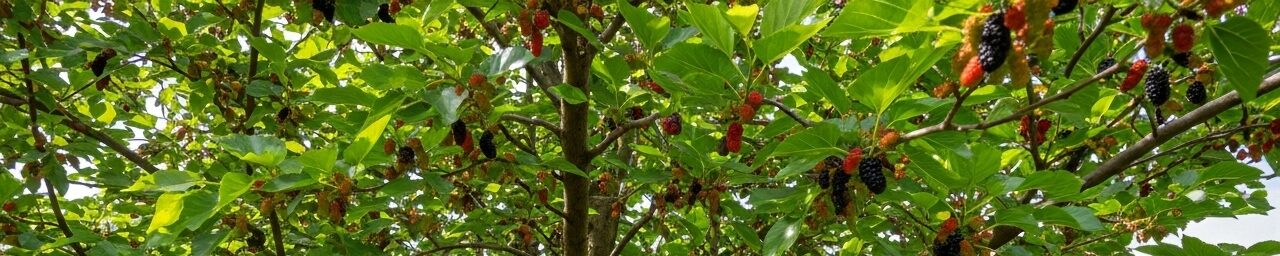
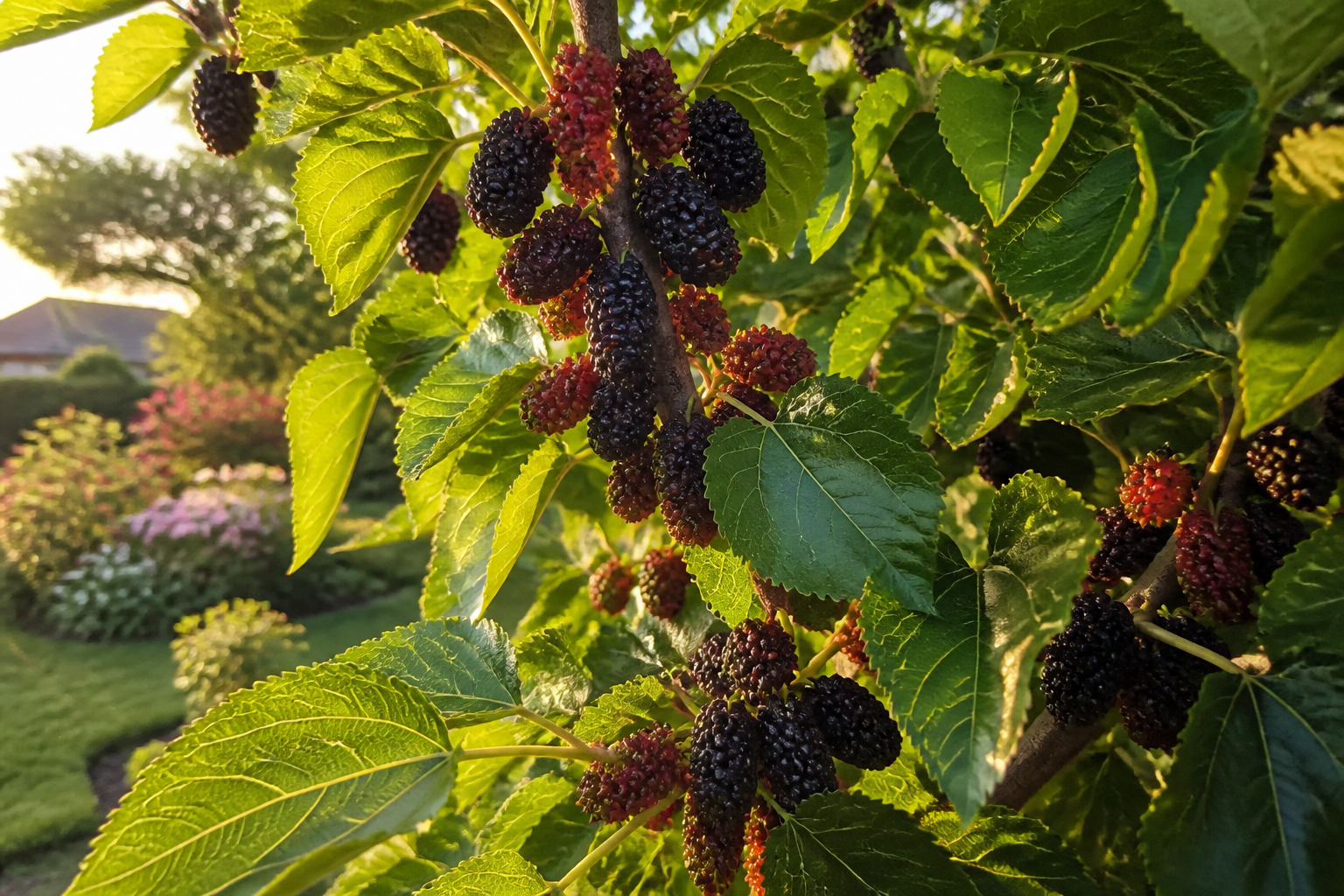
Most new mulberry growers assume that the USDA Hardiness Zone is destiny—that if you’re in Zone 5, you pick from the Zone 5 mulberries, and that settles it. But comparing what different mulberry species can actually tolerate reveals that this assumption crumbles quickly. The real story is messier and far more hopeful than any single zone map can show.
I remember the exact moment this clicked for me: standing in my Zone 6b backyard in February with a young sapling in hand, watching three separate websites contradict each other about whether it would even survive spring. One promised it would flourish. Another warned me it would perish. A third insisted I’d bought the wrong type entirely.
Ten minutes passed—muddy boots, cold fingers, genuine panic—before I understood the gap: nobody was offering straightforward information about which mulberry varieties could actually succeed in specific climates, or how long you’d wait before eating fruit from your tree in your own region.
That frustration sent me down a research rabbit hole. I reached out to other growers across different parts of the country, hunted through nursery catalogs, and experimented with the varieties I could source locally. What emerged from all that digging transformed how I approach picking mulberries.
This post exists to spare you that same bewildering afternoon. Below is what I’ve figured out about mulberry hardiness zones, which cultivars actually belong where you live, and when you’ll realistically bite into your first harvest based on your climate.
| Species | Hardiness Zones | Flavor Profile | Cold Tolerance |
|---|---|---|---|
| White Mulberry | Zone 4 through Zone 8 | Gentler and more subdued | Survives -20°F (-29°C) |
| Red Mulberry | Zones 4 to 8 | Surpasses white mulberry in size and flavor | Performs dependably in humid eastern climate |
| Black Mulberry | Zones 6 through 9 | Layered, sophisticated, and genuinely memorable | Prefers Mediterranean summers and temperate winters |
Understanding Mulberry Growing Zones and Hardiness
Here’s the central insight: mulberry zones aren’t monolithic. Three distinct species show up regularly in backyard gardens, and their cold tolerance differs dramatically. Your USDA Hardiness Zone matters as your foundation, yet the exact cultivar you select carries equal weight—sometimes more.
Start with your hardiness zone as your baseline; it reflects the coldest average temperatures your region typically dips to each winter. But mulberries behave unpredictably when compared to that single number. Certain varieties shrug off freezes that would cripple their cousins. This nuance is what separates gardeners with thriving trees from those replanting annually.
Let me walk you through the three primary species—because this is precisely where confusion takes root:
The Three Mulberry Species and Their Growing Zones
White Mulberry (Morus alba) — The Cold-Hardy Champion
When it comes to pure cold endurance, white mulberry stands alone. Plant it anywhere from Zone 4 through Zone 8, and you’ve got a legitimate shot at success. These trees can withstand winter lows hitting -20°F (-29°C), and some cultivars may persist even in Zone 3 when given protective measures during dormancy.
My own entry into mulberry growing happened because of white mulberry. Not only did mine sail through a brutal Zone 6b winter—it prospered. I’ve since discovered that white mulberry is forgiving enough for people gardening in northern and midwestern climates who don’t want to gamble on survival. The trade-off involves flavor: the taste runs gentler and more subdued compared to its relatives, yet ripe fruit plucked straight from the branch tastes genuinely wonderful, and production runs heavy.
Red Mulberry (Morus rubra) — The Eastern Native
Across the eastern United States, red mulberry evolved in forests and along streams. That heritage shows clearly: it performs dependably across Zones 4 to 8 and suits the humid, temperature-fluctuating eastern climate where it originally thrived. If your geography is the humid East, wrestling with the summer moisture and seasonal swings that characterize the region, red mulberry frequently outshines competitors.
Red mulberry falters in hot, parched territories—the arid Southwest or continental dry regions aren’t welcoming homes for it. However, in humid eastern gardens, it yields berries surpassing white mulberry in both dimensions: size and flavor. I’ve heard passionate endorsements from growers in Ohio and Pennsylvania who consider their red mulberry trees absolutely indispensable.
Black Mulberry (Morus nigra) — The Flavor Champion (But Not for Cold Climates)
For sheer taste, black mulberry stands unmatched. The flavor profile is layered, sophisticated, and genuinely memorable. The downside overshadows this advantage: it’s the frostiest of the three species. Depending on the cultivar, black mulberry stays reliably alive only in Zones 6 through 9, with an unmistakable preference for zones sporting Mediterranean summers, temperate winters, or Pacific seaboard conditions.
Cold winters and extremely dry continental conditions spell trouble for black mulberry—it may decline steadily or perish altogether. Yet if you inhabit California, the Pacific Northwest, the Lower South, or regions sharing similar warm-winter patterns, black mulberry deserves serious consideration. Those berries justify the investment.
Matching a Mulberry Variety to Your Actual Zone
Identifying the three species and their general range is the beginning. The genuine challenge lies in pinpointing which variety fits your particular situation. This is how I’d work through the decision if I were beginning fresh.
For gardeners in Zone 4 or the cooler portion of Zone 5, white mulberry cultivars—or hybrids crossing alba with rubra genetics like Illinois Everbearing, which performs through approximately Zone 4b—represent your dependable options. Red mulberry survives at Zone 5’s warmer boundaries but becomes unreliable as you move north from there. Black mulberry is unsuitable for this temperature range; winter exposure causes decline or dieback even when the plant technically survives.
From Zone 6 through Zone 8, the playing field opens considerably. All three species function in this span, so your choice hinges on priorities: red mulberry when you’re gardening in a humid eastern setting and want the juiciest, most substantial berries with maximum ease; white mulberry when you prioritize consistency, abundance, and forgiveness, accepting that flavor leans toward the delicate end; black mulberry if you’re positioned at the warmer band of this zone (Zone 7b–8 territory) and taste is your principal goal, since the reward is incomparably rich fruit.
Zone 9 and beyond—encompassing coastal California, the Gulf’s warmth, and equivalent Mediterranean or subtropical terrain—is where black mulberry truly excels without frost anxiety. This is fundamentally its ideal home. Red mulberry continues performing in these zones, though nurseries in warmer regions typically stock it less readily than they do in its ancestral eastern range.
One additional layer merits attention alongside zone classification: your specific microclimate. A wall facing south, a wind-protected pocket, or an urban heat-island effect can functionally warm your conditions by half a zone, occasionally unlocking possibilities—such as a black mulberry in a cozy Zone 7 location—that wouldn’t survive elsewhere within the same zone.
Sunlight Needs: The Surprising Silver Lining
Among my most pleasant discoveries about mulberries: they tolerate partial shade far better than most fruit-producing trees. Plenty of gardeners lament limited light—maybe four to six hours of direct rays—and worry it rules out fruit trees entirely. Mulberries can still bear crops under those conditions.
That flexibility shouldn’t suggest you can treat shade as irrelevant. Exposure to six to eight hours of unobstructed sunlight yields substantially heavier harvests and plumper, sweeter individual berries. Yet if your available space sits in dappled or part-day light, and you’ve worried your mulberry wouldn’t manage? Chances are strong it will do fine.
This tolerance toward less-than-ideal light is precisely why I point gardeners toward mulberries when they feel constrained by their site limitations. These plants demonstrate remarkable resilience regarding both frost exposure and sunshine hours.
The Cold-Hardy Mulberry That Actually Survived My Zone 6b Winter
Living in a chilly zone like mine, tracking down a mulberry that won’t collapse down to ground level come February separates genuine fruit production from perpetual replanting cycles. Illinois Everbearing has delivered year after year across my Zone 6b property, which explains why I reach for it whenever I’m replacing a tree or expanding my collection.
What works
- Sends out fresh leaves routinely by mid-April in my Zone 6b setting and generates full-sized fruit by late June, even following harsh freezes that set back my other plantings to the soil line.
- Nursery stock ships with enough establishment that transplanting shock remains manageable—my specimen was anchored in and yielding berries by season two rather than year four.
- Develops into a more restrained form than numerous older cultivars, preventing it from transforming into an unwieldy 40-foot giant in a confined residential lot.
What doesn’t
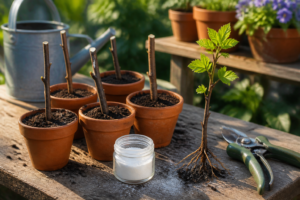
- Specimens arrive as tender 6–10″ whips demanding stakes, bark mulch, and steady moisture throughout their inaugural growing year, or decline becomes apparent fast.
- Songbirds and wasps detect those ripening berries with the same enthusiasm you will, meaning a generous crop won’t necessarily reach your harvest container without protective netting installed.
Mulberry trees are remarkably drought-tolerant; a three-week dry spell during hot weather may cause significant leaf drop, but the tree typically recovers within days of deep watering. This resilience belies their delicate appearance. Illinois Everbearing Mulberry Tree (6–10″ Tall Live Plant)
Frequently Asked Questions
Can mulberries grow in zone 4?
Yes, but only white mulberry cultivars or hybrids like Illinois Everbearing, which performs through approximately Zone 4b. Red mulberry becomes unreliable as you move north into Zone 4, and black mulberry is unsuitable for this temperature range. White mulberry shrugs off winter lows hitting -20°F (-29°C).
What mulberry variety tastes the best?
Black mulberry stands unmatched for flavor—the taste profile is layered, sophisticated, and genuinely memorable. However, it’s only reliably hardy in Zones 6 through 9 and prefers Mediterranean summers, temperate winters, or Pacific seaboard conditions. Red mulberry yields berries surpassing white mulberry in both size and flavor across Zones 4 to 8.
Do mulberries need full sun to fruit?
No. Mulberries tolerate partial shade far better than most fruit-producing trees and can still bear crops under four to six hours of direct rays. However, exposure to six to eight hours of unobstructed sunlight yields substantially heavier harvests and plumper, sweeter individual berries.
How long until Illinois Everbearing mulberry produces fruit?
Illinois Everbearing generates full-sized fruit by late June in Zone 6b, even following harsh freezes. Nursery stock ships with enough establishment that transplanting shock remains manageable—my specimen was anchored in and yielding berries by season two rather than year four.
Keep Reading
About This Article
Written by Ruth Nakamura. Ruth Nakamura is a backyard orchardist in the Pacific Northwest who has grown mulberries for fifteen years, cultivating twelve different varieties in her own backyard. Not a horticulturist by formal training - she shares what she has learned through hands-on growing, workshops, and connecting with nurseries and growers across the country. More about this site.
Scope and limits. Ruth is a backyard orchardist without formal horticultural training. Growing conditions vary enormously by region, so confirm variety, timing, and pest guidance with your local extension service.
Verify this against a primary source
Specifics change, and your situation may differ from the one described here. These are the authorities worth checking directly:
- USDA Plant Hardiness Zone Map — zone verification for your location
- Oregon State University Extension — fruit growing and pruning research
- USDA PLANTS Database — species range and identification