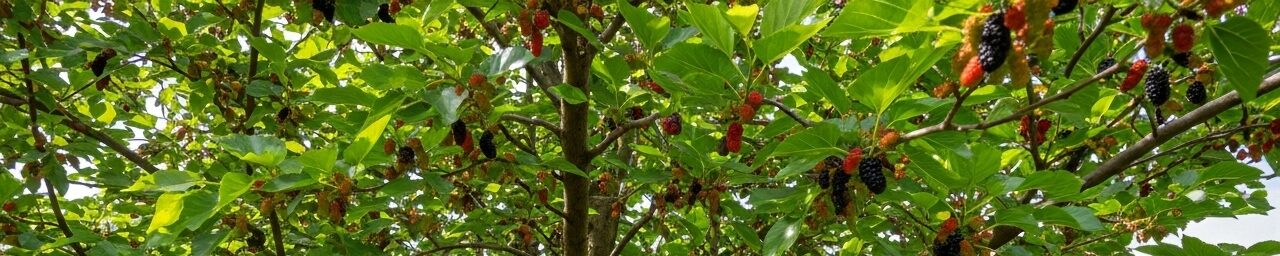
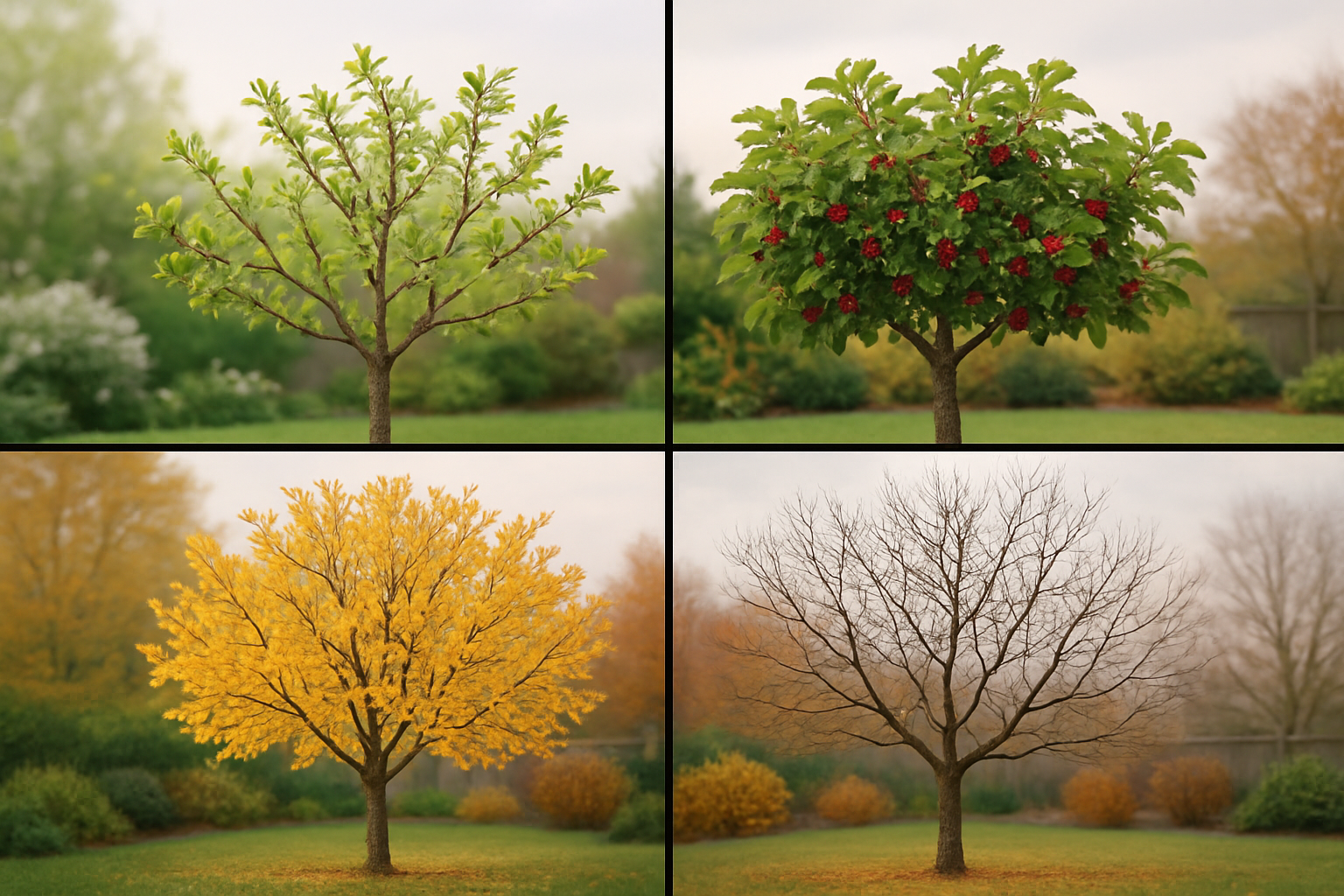
I stood under my mulberry tree in late June, watching what should have been pounds of ripe berries fall uselessly to the ground — because I’d been away for a work trip and completely missed the window. I had no mulberry harvest season calendar, no plan, and no idea that the whole thing could be over in less than two weeks. That first year cost me a full season of fruit, a lot of frustration, and honestly a little heartbreak. If you’ve ever felt that sting, keep reading — because I figured it out, and I’m going to save you from making the same mistake.
This post contains affiliate links. As an Amazon Associate, I earn from qualifying purchases. If you click a link and make a purchase, I may earn a small commission at no extra cost to you. I only recommend products I genuinely find helpful.
Why Mulberry Harvest Season Catches So Many Gardeners Off Guard
Here’s the thing nobody tells you when you plant a mulberry tree: it doesn’t wait for you. Unlike apples or pears that hang on the branch for weeks, mulberries ripen fast and drop faster. The entire harvest window for a single tree can be as short as one to three weeks, and if you blink — or, say, travel for work — you miss it entirely. That’s exactly what happened to me that first June.
What makes it trickier is that timing varies wildly depending on where you live, which variety you’re growing, and even what the weather’s been like that spring. A gardener in Georgia might be harvesting in May while someone in Michigan is still waiting until July. This is exactly why having a regional mulberry harvest season calendar isn’t just nice to have — it’s essential.
Your Mulberry Harvest Season Calendar: Week-by-Week by Region
Let’s break this down by region so you can mark your calendar and actually be there when your tree is ready. Keep in mind these are general windows — your specific microclimate, tree age, and variety will shift things by a week or two in either direction.
Southeast (Zones 7b–9a): Georgia, Alabama, the Carolinas, Louisiana
This is mulberry country in the truest sense. Warm springs push ripening early and fast.
- Early May: Watch for color change — berries shift from white/green to pink and then deep red or black.
- Mid-May to early June: Peak harvest window. Shake branches over a tarp daily if possible.
- Late June: Season winds down; watch for overripe fruit attracting pests.
Mid-Atlantic and Upper South (Zones 6b–7a): Virginia, Tennessee, Missouri, Kansas
- Late May: First berries begin to ripen on sun-facing branches.
- Early to mid-June: Full harvest is underway — this is your prime window.
- Late June: Season tapers off; mow under the tree to manage drop.
Midwest and Northeast (Zones 5b–6a): Ohio, Illinois, New York, Pennsylvania
- Early to mid-June: Color starts to develop; begin checking every few days.
- Late June to early July: Peak harvest. Set reminders — don’t travel this week if you can help it.
- Mid-July: Season ends. Time to plan ahead for next year.
Pacific Northwest and Mountain West (Zones 6–8): Oregon, Washington, Colorado
- Late June: Ripening begins, especially in warmer inland valleys.
- July: Main harvest window — cooler temps mean a slightly longer season here.
- Early August: Final pickings, especially at higher elevations.
Southwest and California (Zones 8–10): Texas, Arizona, Southern California
- Late April to early May: One of the earliest mulberry seasons in the country.
- Mid-May: Peak harvest — act quickly in the heat.
- Late May: Season done. Consider a second-flush variety like Shangri-La for extended harvest.
Practical Tips for Not Missing Your Harvest Window Again
After that devastating missed harvest, I got serious about tracking. Here’s what actually works:
- Start watching 4 weeks before your regional peak. Look for the first tiny white or green berries forming after flowering. That’s your countdown clock.
- Check color and taste — not just color. A ripe mulberry is sweet and pulls off the stem with zero resistance. If it tugs back, give it two more days.
- Use the tarp-and-shake method. Lay an old sheet or tarp under the canopy and gently shake branches. Ripe berries drop immediately; unripe ones stay put. This is a game-changer for big trees.
- Check daily during peak. Seriously — daily. Warm nights can ripen a full branch overnight.
- Watch the birds. When the robins and starlings start showing intense interest in your tree, your berries are ready. Birds are honest.
- Keep notes year over year. Record your first ripe berry date, peak week, and last harvest. After two or three seasons, you’ll know your specific tree better than any general calendar can tell you.
Tools That Help: Products I Recommend for Harvest Tracking
The single biggest change I made after my missed harvest was starting a dedicated garden journal. Sounds simple, but it genuinely transformed how I manage my trees. Here are a few tools I’ve found really useful:
This Garden Planner Journal and Log Book has monthly and weekly checklists plus sections for harvest tracking — exactly what I wish I’d had that first year. It