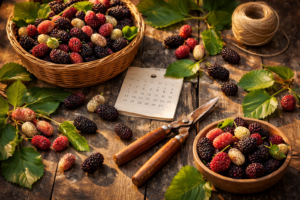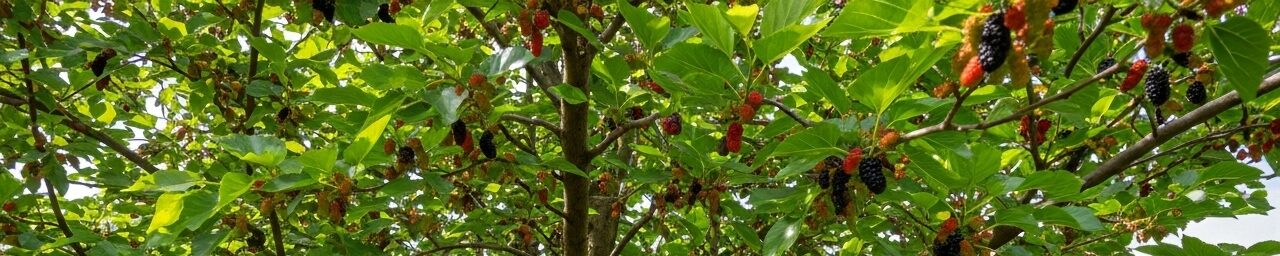
A late frost in April can strike just as mulberries like Illinois Everbearing start flowering, blackening tender blooms overnight. Such a frost exposes important lessons: the ripeness windows that are easy to miss, harvest windows that require planning, and the speed at which berries can be lost to birds or oxidation without proper preservation methods ready in place. Understanding timing and preparation beforehand prevents these costly mistakes.
Looking back at that first full harvest, I realize I treated mulberry season like I treated other summer fruits—casually, without much forethought. But mulberries demand urgency and structure. They ripen in compressed windows, they attract every bird in the neighborhood, and they turn to mush the moment you bruise them. I made nearly a dozen critical errors that year, each one costing me either fruit, flavor, or both. What follows is the hard-won knowledge from those mistakes—not theoretical, but earned through actual loss and actual learning.
The Biggest Mulberry Harvesting Mistakes I Made (And How to Avoid Them)
1. I Harvested Before Full Ripeness Arrived
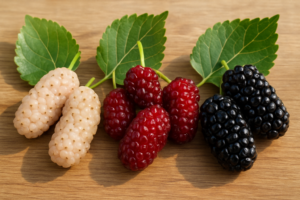
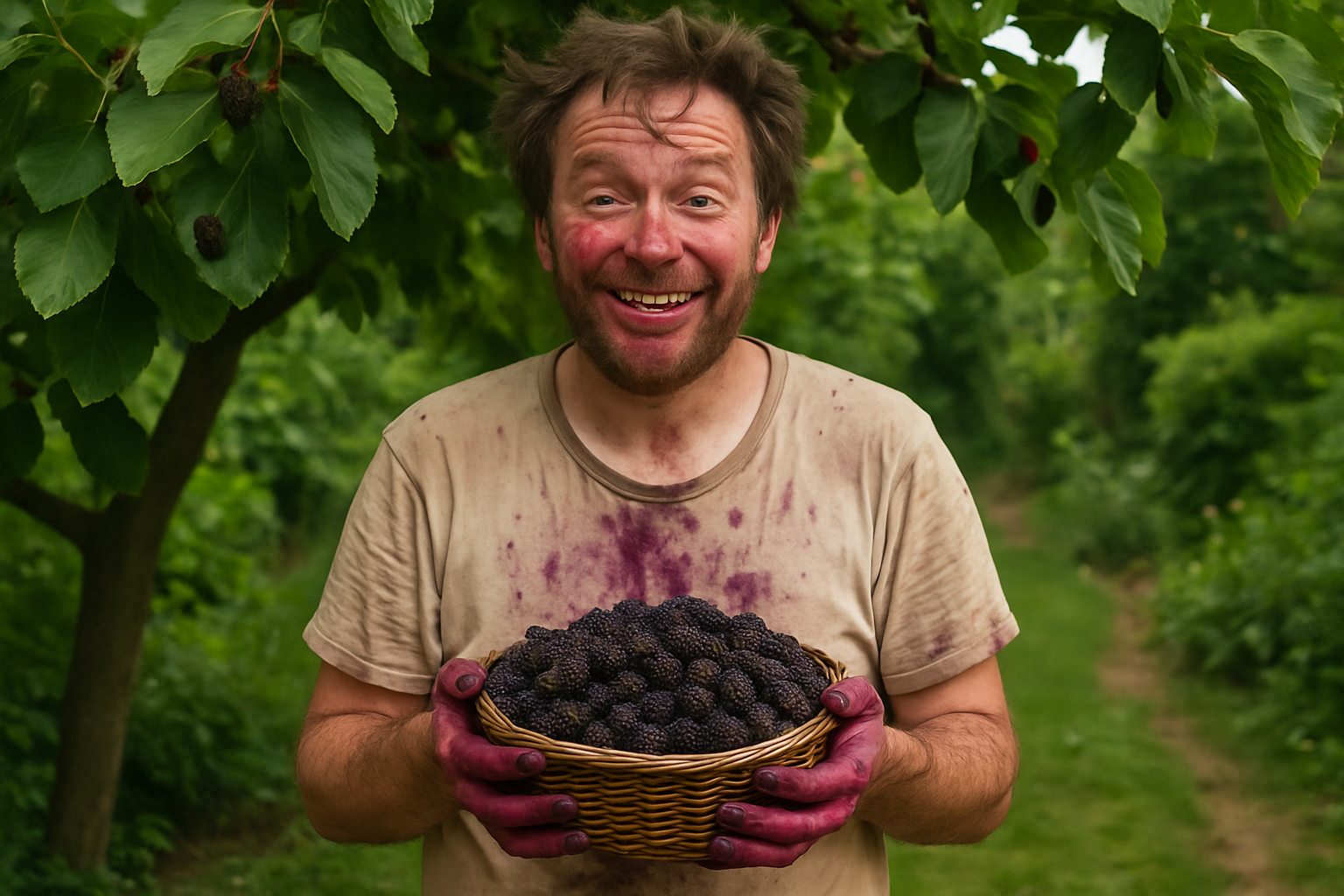
My impatience was the culprit. Once those berries turned dark, I assumed they were ready. They weren’t. Color alone is a deceiver—a dark mulberry can still carry tartness and lack the complex sweetness that develops over the final few days of maturation. The tactile test became my real marker: berries at true readiness release from their stem almost effortlessly, needing barely a touch to separate cleanly. Anything that requires even gentle tugging isn’t there yet. I filled basket after basket with premature fruit that first season before the pattern became obvious.
2. I Placed Ripe Berries Into Containers That Damaged Them
How a Different Harvesting Tool Changed My Yield
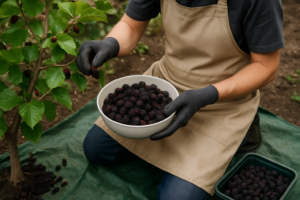
The fragility of mulberries surpasses almost any other fruit I’ve grown. Stacking them loosely in a standard bowl means the berries on the bottom experience pressure from the weight above them, beginning their breakdown before you’ve even stepped inside. My first harvests proved this painfully—oxidized mush at the bottom of containers, perfectly good fruit at the top.
The advantages of using the right approach
- A shallow, wide-bottomed picker minimizes the height of any individual berry’s stack, keeping compression forces manageable—I can gather a decent quantity without transforming the bottom layer into pulp.
- Natural wood implements (rather than plastic or metal) offer better feel against your fingers, letting you sense a berry’s readiness through gentle tactile feedback alone, without the risk of puncturing or crushing with a harder surface.
- Direct harvesting into a stable, convenient vessel eliminates the need for mid-process transfers between containers—you move from tree directly to your processing station, cutting down time the fruit spends exposed to oxygen and light.
Where this approach falls short
- Wider scoop designs struggle to fit into the dense, tangled interior of mature branches where the ripest berries cluster—you’ll inevitably find yourself switching back to hands for those tight reaches, which partially undermines the whole protection angle.
- Wooden surfaces grab mulberry pigment like a sponge, leaving permanent purple discoloration after even a couple of harvests, and no amount of scrubbing or soaking restores the original appearance.
I almost abandoned this tool after my second harvest when I misjudged the scoop angle and still managed to bruise a full load — but then I realized I was gripping the handle too tight. Once I loosened up and let gravity do the work, it became genuinely indispensable. Get the PinzqTrading Wooden Berry Picker Scoop if you’re serious about preserving mulberry quality from tree to jar.
Frequently Asked Questions
Can a late frost ruin a mulberry crop?
A late frost can cost an entire season’s fruit. When April frost strikes mulberry trees like Illinois Everbearing during flowering, tender blooms blacken overnight. Such losses highlight the importance of understanding ripeness windows and harvest timing before the following season, rather than learning through crop failure.
Does a wooden berry picker stain from mulberry juice?
Yes, and permanently in my experience. Wooden surfaces grab mulberry pigment like a sponge, and after even a couple of harvests my scoop carried purple discoloration that no amount of scrubbing or soaking restored. I accepted the staining because wood gives better feel than plastic or metal, letting me sense readiness without puncturing or crushing the fruit.
Should I transfer mulberries between containers after picking?
I avoid mid-process transfers entirely. Harvesting directly into a stable, convenient vessel means you move from tree straight to your processing station, cutting down the time the fruit spends exposed to oxygen and light. Every extra handling step is another chance to compress or bruise berries, and bruised mulberries begin breaking down almost immediately.
Why am I still bruising berries with a picking scoop?
You may be gripping the handle too tight, which was my problem. I almost abandoned the tool after my second harvest when I misjudged the scoop angle and still managed to bruise a full load. Once I loosened up and let gravity do the work instead of forcing it, the scoop became genuinely indispensable.
Keep Reading
About This Article
Written by Ruth Nakamura. Ruth Nakamura is a backyard orchardist in the Pacific Northwest who has grown mulberries for fifteen years, cultivating twelve different varieties in her own backyard. Not a horticulturist by formal training - she shares what she has learned through hands-on growing, workshops, and connecting with nurseries and growers across the country. More about this site.
Scope and limits. Ruth is a backyard orchardist without formal horticultural training. Growing conditions vary enormously by region, so confirm variety, timing, and pest guidance with your local extension service.
Verify this against a primary source
Specifics change, and your situation may differ from the one described here. These are the authorities worth checking directly:
- USDA Plant Hardiness Zone Map — zone verification for your location
- Oregon State University Extension — fruit growing and pruning research
- USDA PLANTS Database — species range and identification