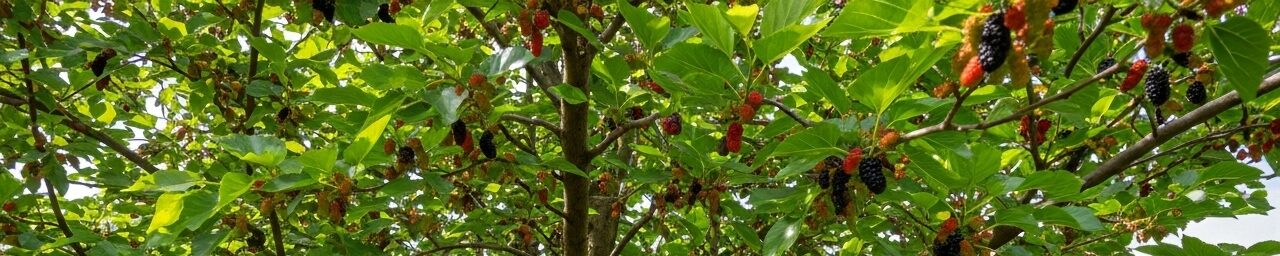
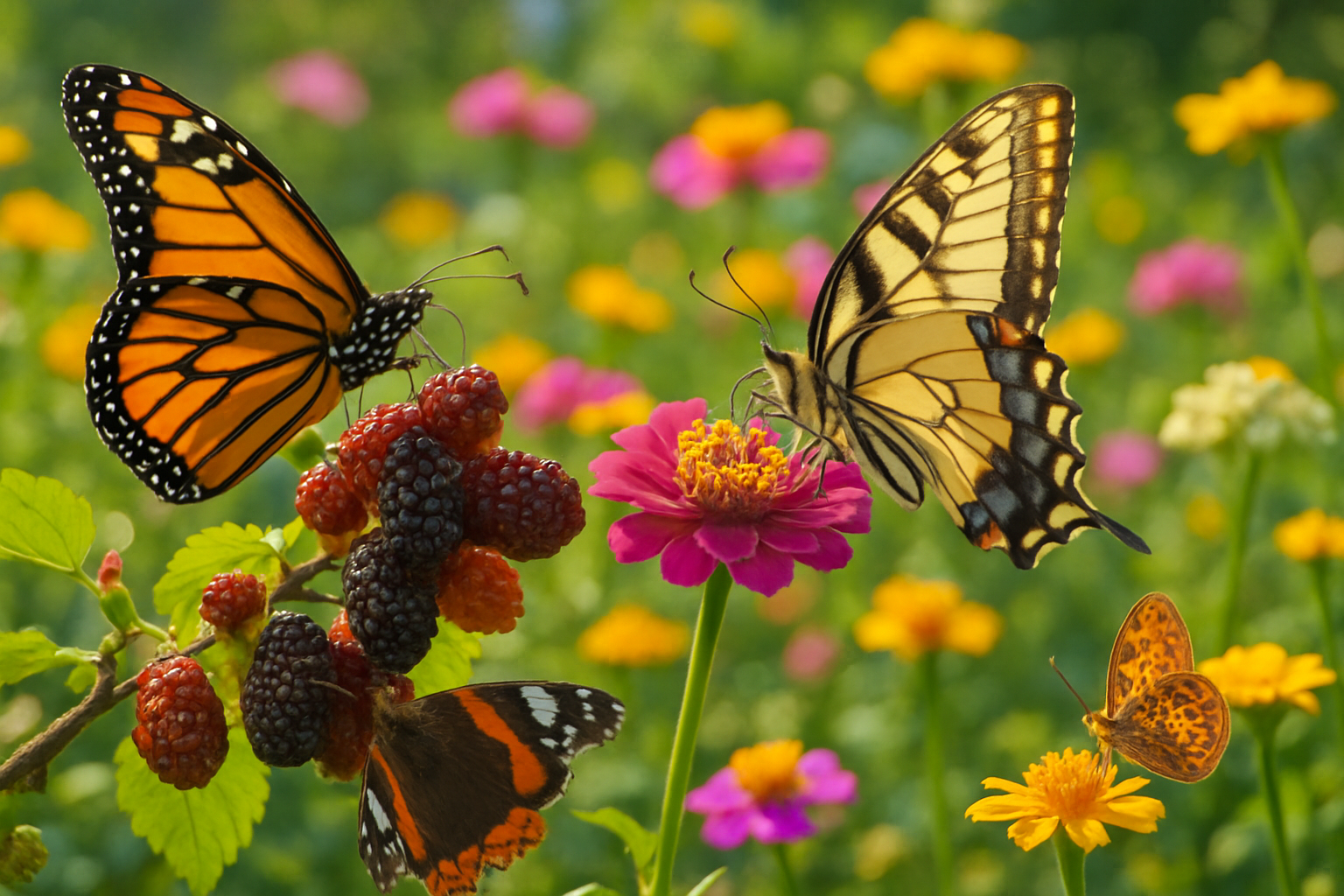
I once stood in my backyard for a full twenty minutes convinced my mulberry tree was haunted. Dozens of butterflies were swirling around it in what I can only describe as a coordinated frenzy, and I — a grown adult who owns gardening gloves and everything — genuinely thought something was wrong. I called my neighbor Janet over to witness the chaos. She looked at me, looked at the tree, and said, “Honey, that’s just nature working.” That embarrassing moment turned out to be my introduction to the magical world of mulberry trees, butterflies, and pollinators, and it completely changed how I think about my garden.
This post contains affiliate links. As an Amazon Associate, I earn from qualifying purchases. This means if you click a link and make a purchase, I may earn a small commission at no extra cost to you. I only recommend products I genuinely find useful!
Why Mulberry Trees Are a Secret Magnet for Butterflies and Pollinators
Before my “haunted tree” moment, I honestly thought of my mulberry as just a fruit producer — something to raid in June and then ignore until next year. What I didn’t realize is that mulberry trees are quietly one of the most wildlife-friendly trees you can plant. The flowers are small and wind-pollinated, yes, but the real magic is in what the tree offers as a whole ecosystem. The broad, textured leaves are host plants for silkworms and several moth species. The fruit feeds birds, squirrels, and yes, butterflies. And the dense canopy provides shelter for all sorts of beneficial insects looking for a cool, protected spot to rest.
What I was witnessing that flustered afternoon wasn’t a haunting — it was a feast. My mulberry tree had just hit peak ripeness, and word had apparently gotten out in the butterfly community. Red-spotted purples, Eastern tiger swallowtails, and what I later identified as hackberry emperors were all jostling for position on the drooping, juice-heavy branches. I felt like I had accidentally built a five-star restaurant without knowing it.
Which Butterflies Are Most Attracted to Mulberry Trees?
Once I started paying attention, I kept a loose log of visitors. Here’s what showed up most reliably in my garden:
- Eastern Tiger Swallowtail — loves the ripe fruit and the shelter of the canopy
- Red-Spotted Purple — actually uses mulberry as a larval host plant in some regions
- Hackberry Emperor — a frequent fruit-feeder that will camp out for days during peak season
- Mourning Cloak — another species known to use mulberry leaves as a food source for caterpillars
- Question Mark Butterfly — fond of fermenting fruit, which mulberries provide in abundance once they drop
Beyond butterflies, I noticed bees working the area around the tree constantly — not just during bloom but throughout the growing season, drawn by the general activity and the companion flowers I eventually planted nearby. Speaking of which…
How I Turned My Mulberry Tree Into a Full Pollinator Garden (After Making One Ridiculous Mistake)
Here’s where the story gets a little humbling. Inspired by my butterfly discovery, I decided to go all-in on creating a pollinator paradise around my mulberry tree. I read three articles, declared myself an expert, and scattered wildflower seeds in a big dramatic arc around the base of the tree. Looked great on paper. In practice? I had seeded directly over a patch of compacted clay soil that I had done absolutely nothing to prepare. A month later, I had a lush crop of… weeds. Just weeds. Magnificent, thriving, deeply committed weeds.
Janet, once again, had to come over and break the news to me gently. After a good laugh at my expense, she walked me through what I should have done. I’ve since learned from my muddy, weed-filled mistake, and now my pollinator garden is genuinely beautiful. Here’s what actually works:
- Loosen and amend the soil first. Compacted clay is the enemy of wildflower germination. Till at least 4–6 inches down and mix in compost before you seed anything.
- Don’t plant directly under the drip line. Mulberry roots are competitive and the canopy creates too much shade for sun-loving wildflowers. Plant in a ring about 3–5 feet out from the outer branches.
- Choose a mix that includes both annuals and perennials. Annuals give you color the first year while perennials establish themselves for long-term returns.
- Water consistently for the first 4–6 weeks. This is non-negotiable. Seeds need steady moisture to germinate, not occasional hopeful sprinkles.
- Let some mulberries drop naturally. Fallen fruit near the planting area attracts ground-feeding butterflies and adds organic matter to the soil over time.
Products I Recommend for Building a Pollinator Garden Around Your Mulberry Tree
Once I fixed my soil situation and actually gave the seeds a fighting chance, the transformation was rapid and genuinely moving. If you want to create a pollinator haven around your own mulberry tree, here are the seed mixes I’ve used and loved:
For Monarch Butterflies Specifically
If you want to support monarch populations alongside your mulberry butterfly visitors, this is the mix to get. The HOME GROWN Premium Monarch Butterfly Wildflower Seeds Mix includes 20,000+ non-GMO milkweed and wildflower seeds — milkweed being the only plant monarch caterpillars can eat. Planting this near your mulberry creates a two-stage habitat: the milkweed supports larval monarchs while the mulberry feeds adult butterflies. It’s a genuinely smart combination.
For a Broad Mix of Butterflies and Hummingbirds
This Wildflower Seeds Hummingbird and Butterfly Mix has become one of my go-to recommendations. It’s a no-filler blend with 24 varieties, and the resealable packaging is genuinely useful when you’re seeding in batches rather than all at once. I’ve had great germination rates with this one.
If you want a bulk option with proven results, the Burpee Wildflower 25,000 Bulk Seed Bag covers a surprisingly large area and includes 18 varieties specifically chosen to attract hummingbirds and butterflies. Burpee’s