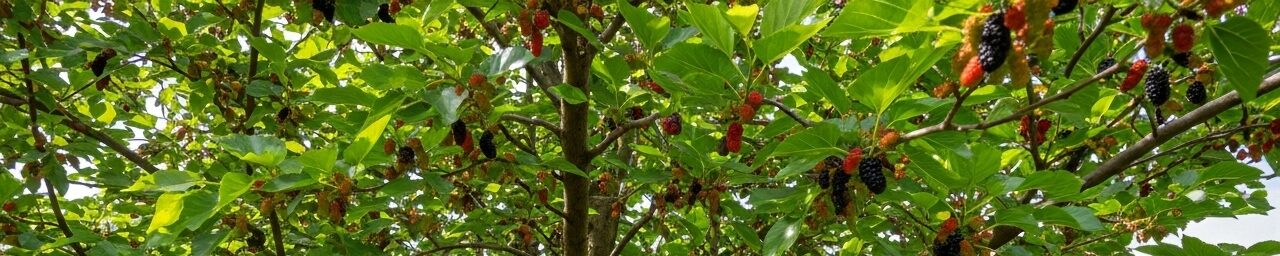
Let me tell you about the summer I accidentally made vinegar and convinced myself I had somehow poisoned my entire mulberry harvest. If you’ve ever Googled “is fermented fruit dangerous” at midnight while standing over a jar of something that smells suspiciously like salad dressing, this mulberry vinegar recipe post is for you.
This post contains affiliate links. As an Amazon Associate, I earn from qualifying purchases.
It started innocently enough. I had a glorious surplus of mulberries — more than I could jam, more than I could freeze, more than my neighbors were willing to accept at the door. So I decided to try my hand at a simple mulberry wine. I followed a basic recipe, set the jar on the counter with a loose lid, and then — life happened. A work deadline swallowed me whole, the kids needed approximately everything, and my little jar of mulberry wine sat quietly on the counter for about three weeks longer than it was supposed to.
When I finally remembered it, I lifted the cloth cover and took a sniff. My first thought was, “Well, that’s not wine.” My second thought was, “Is this… vinegar?” My third thought, delivered at full panic volume, was, “I have ruined everything and possibly created something dangerous.” Spoiler: I had not ruined everything. I had, completely by accident, stumbled onto something wonderful.
What Actually Happened (The Science Behind My Happy Accident)
Here’s what I eventually pieced together after a lot of frantic research. When fruit ferments into alcohol and then is exposed to oxygen over time, naturally occurring acetobacter bacteria convert that alcohol into acetic acid — which is vinegar. My loosely covered jar had given those bacteria exactly the airflow they needed to do their thing, and my “ruined” wine had undergone a perfectly natural second fermentation right on my kitchen counter.
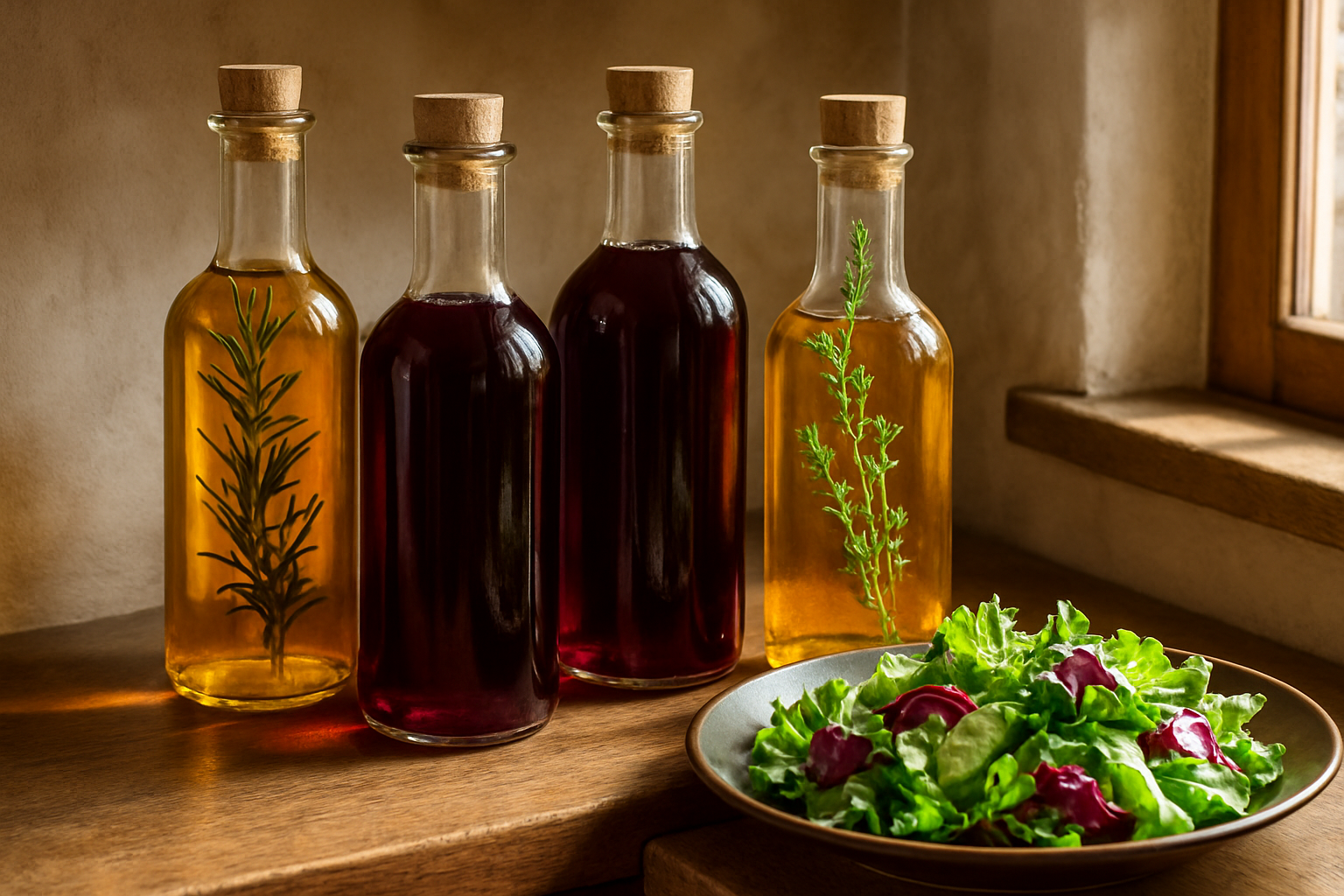
Mulberries are actually an exceptional base for homemade vinegar. Their high natural sugar content means plenty of fuel for fermentation, and their deep, complex flavor — somewhere between blackberry and black cherry with an earthy undertone — carries beautifully through the acidic transformation. The result is a rich, jewel-toned vinegar that tastes like nothing you can buy at a grocery store. It’s fruity without being sweet, sharp without being harsh, and it has this gorgeous deep burgundy color that looks absolutely stunning in a glass bottle on a kitchen shelf.
My Mulberry Vinegar Recipe (On Purpose This Time)
Once I realized what I had made, I immediately set out to make it again — except this time, intentionally. Here’s the method that’s worked beautifully for me through two full harvest seasons.
What You’ll Need
- 2 cups fresh ripe mulberries (the riper and darker the better — overripe is totally fine here)
- 2 cups filtered water
- 2 tablespoons raw apple cider vinegar with the mother (this jump-starts the acetobacter process)
- 1–2 tablespoons sugar or honey (optional, helps if your berries are on the tart side)
- A wide-mouth jar and breathable cloth cover
The Process
Lightly crush your mulberries in a clean jar — you want them broken up but not completely obliterated. Add the water, raw apple cider vinegar, and sugar if using. Stir well, then cover the jar with a breathable cloth (cheesecloth is perfect) secured with a rubber band. This is crucial: you want airflow, not an airtight seal. Set the jar somewhere warm — around 70 to 80°F is ideal — and stir it once a day for the first week.
After about a week, strain out the solids using cheesecloth, squeezing well to get every bit of that gorgeous liquid. Pour the strained liquid back into your jar, cover again with cloth, and let it continue to ferment for another two to four weeks, stirring every few days. Taste it periodically. You’ll notice it gradually loses its sweetness and develops that characteristic vinegar tang. When it tastes sharp and pleasantly acidic to you, it’s done. Strain once more if needed, then bottle it up.
A few important tips: always use non-reactive vessels — glass or ceramic only, never metal during fermentation. Keep your equipment scrupulously clean. And don’t be alarmed if you see a gelatinous disc forming on the surface — that’s a “mother of vinegar,” and it means everything is going exactly right.
Tools That Help (The Ones I Actually Use)
Once I fell in love with making mulberry vinegar, I invested in a few things that made the whole process easier and more enjoyable. Here’s what I recommend:
For the fermentation stage and initial storage, I love these swing top glass bottles. The flip-top airtight lids are fantastic once your vinegar is fully finished and you’re moving into storage mode — they look beautiful and keep everything fresh. I use the open-top configuration during active fermentation and switch to the sealed lid for finished product.
For straining the fruit solids, good cheesecloth is absolutely non-negotiable. I’ve tried bargain versions and regretted it every time. These two are both excellent: the Organic GOTS Certified Grade 100 Cheesecloth is my top pick for its fine mesh and reusability, and the Cotton Farm Grade 100 XL Cheesecloth is a great alternative with finished edges that prevent fraying. Grade 100 is key — anything coarser lets too much sediment through.
Once your vinegar is bottled and ready to use in the kitchen, you’ll want a proper dispenser. I have both of these and use them constantly. The Leaflai Glass Oil and Vinegar Dispenser Set is a lovely two-bottle set with stainless steel pourers — perfect if you want matching bottles for oil and vinegar on your counter. For a single elegant bottle, the AOZITA 17oz Glass Vinegar Cruet is beautifully designed and comes with a funnel for easy refilling. Both make my homemade mulberry vinegar look absolutely stunning on the table.
How I Use Mulberry Vinegar Now
This stuff has genuinely changed my cooking. A drizzle over a summer salad with goat cheese and fresh herbs is almost unfairly good. I use it in salad dressings, as a shrub base mixed with sparkling water for a fancy alcohol-free drink, splashed into pan sauces for pork