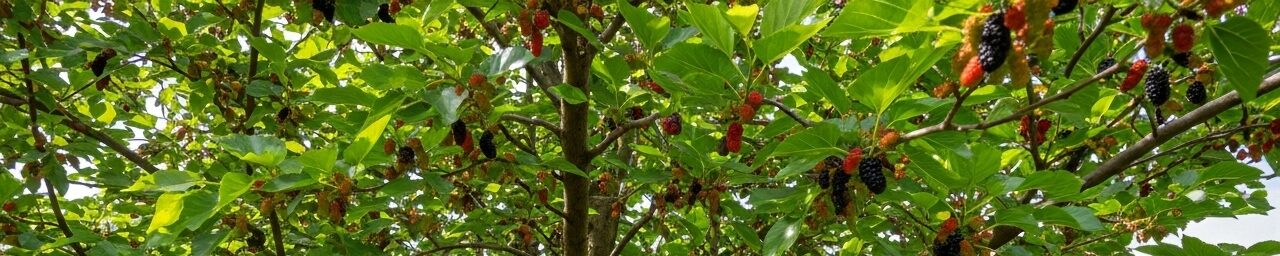
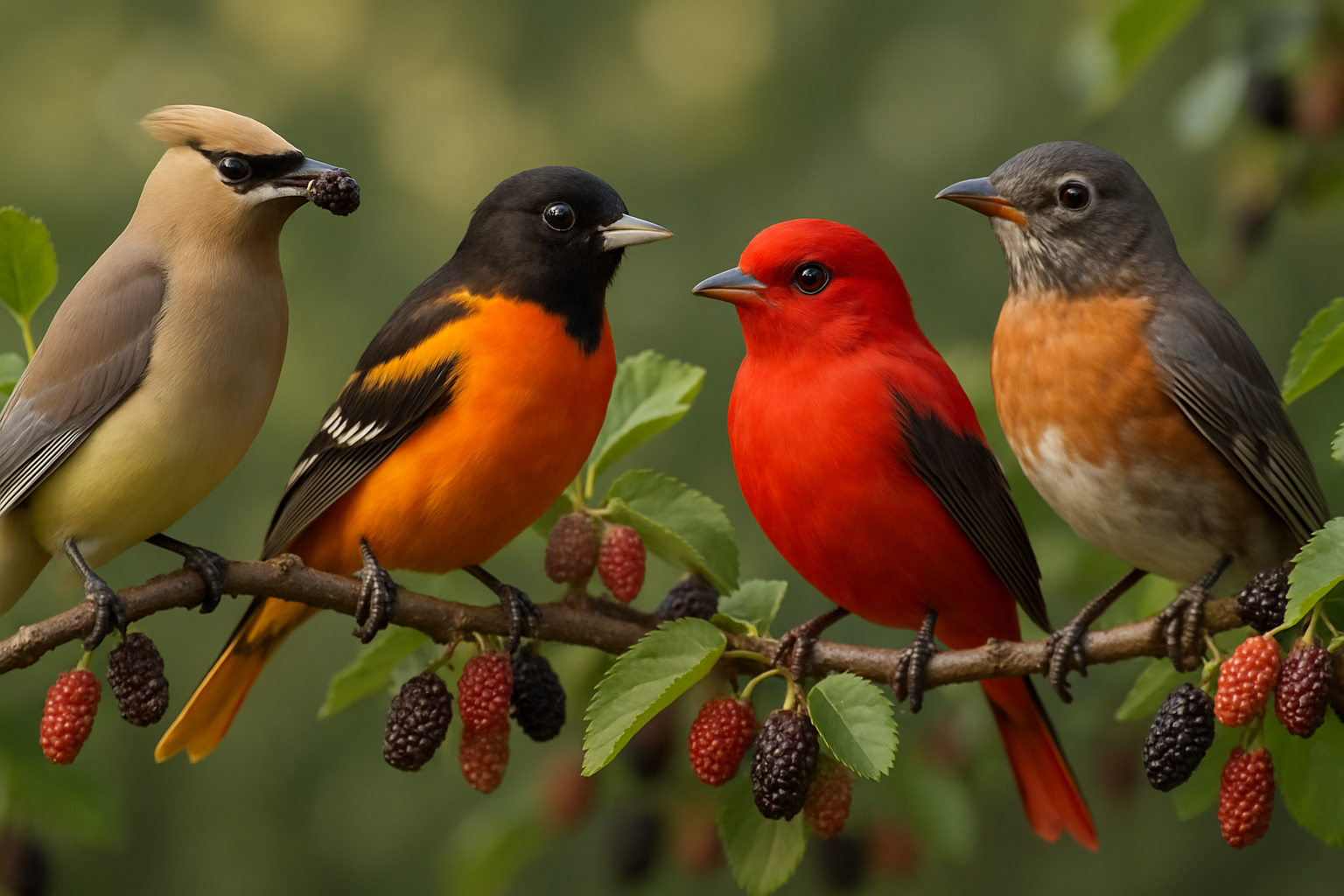
I once stood in my backyard at 6 a.m. in my pajamas, armed with a broom, convinced I was being invaded. There were dozens of birds — robins, orioles, catbirds, you name it — absolutely losing their minds in my mulberry tree. I genuinely thought something was wrong. Were they sick? Was this a scene from a nature documentary gone wrong? I waved the broom around like a complete fool before my neighbor leaned over the fence and said, “You know they’re just eating your mulberries, right?” Reader, I did not know that. But that ridiculous morning turned into one of the best discoveries of my gardening life, and now I spend every June with a cup of coffee watching the show instead of a broom. If you’ve ever wondered about the bird species attracted mulberry tree owners get to enjoy, buckle up — because your yard is about to become the hottest dining spot in the neighborhood.
This post contains affiliate links. As an Amazon Associate, I earn from qualifying purchases. This means if you click a link and make a purchase, I may earn a small commission at no extra cost to you. I only recommend products I genuinely find useful for building a bird-friendly garden!
Why Mulberry Trees Are a Bird Magnet Like No Other
Here’s the thing about mulberry trees that nobody tells you when you plant one: they are basically a five-star buffet for birds. The berries ripen over several weeks rather than all at once, which means there’s a continuous, reliable food source from late spring through midsummer depending on your variety and climate. Birds know this. They remember it year after year. Once the word gets out in the local bird community — and trust me, it gets out fast — your tree becomes a destination.
Mulberry fruits are soft, sweet, and easy for birds of all sizes to eat. They’re high in sugar and moisture, which makes them irresistible during the energy-intensive breeding season. Unlike some fruit trees that only attract a narrow range of species, mulberries pull in an astonishing variety of birds, from tiny warblers to large woodpeckers. That’s what makes them so magical for backyard birdwatchers.
The Best Bird Species Attracted to a Mulberry Tree
After my broom-waving incident, I started actually paying attention and keeping a little journal of every species I spotted in and around my mulberry. Here’s the lineup that shows up most reliably, along with a few details that might help you spot them too.
American Robin
Robins are usually the first to arrive and the most enthusiastic. These birds go absolutely bonkers for mulberries and will visit repeatedly throughout the day. If you see a crowd of robins in your yard in June, look up — they’ve found your tree.
Baltimore Oriole
This one genuinely stopped me in my tracks the first time I saw it. The brilliant orange-and-black coloring of a Baltimore Oriole against the deep purple of ripe mulberries is one of the prettiest sights in backyard birding. Orioles love soft fruits, and mulberries are absolutely perfect for them. If you’re in the eastern half of North America, you have a real shot at attracting these beauties.
Gray Catbird
Catbirds are mulberry obsessed. Seriously, they might be the most dedicated regulars at the mulberry buffet. They’re a bit shy and tend to lurk at the edges of the tree, but once they feel comfortable, they’ll be there every single day during fruiting season. Listen for their distinctive mewing call — it sounds like a cat, hence the name.
Cedar Waxwing
If you’re lucky enough to have Cedar Waxwings move through your area, a mulberry tree in full fruit will stop them in their tracks. These sleek, crested birds travel in flocks and can strip a section of the tree in what feels like minutes. They’re almost comically efficient eaters. Seeing a flock of waxwings in a mulberry tree is genuinely one of the most spectacular things a backyard can offer.
Downy and Red-bellied Woodpeckers
Woodpeckers aren’t usually fruit birds, but mulberries change the equation. Both Downy and Red-bellied Woodpeckers will visit mulberry trees for the fruit, which is a fun surprise if you’re used to only seeing them at suet feeders. Speaking of which — keeping a suet feeder nearby during non-fruiting months is a great way to keep woodpeckers loyal to your yard year-round.
Brown Thrasher, Eastern Towhee, and Wood Thrush
These three tend to forage beneath the tree as much as in it, picking up fallen berries from the ground. If you notice birds scratching around in the mulch or grass under your tree, don’t be surprised — fallen mulberries are just as prized as the ones still on the branches. A messy mulberry tree is a great mulberry tree, as far as the birds are concerned.
How to Make Your Mulberry Tree Even More Bird-Friendly
Okay, so here’s where my story takes a brief turn for the worse. After my awakening (and my broom retirement), I got a little too excited and thought I could double down by planting feeders right in the mulberry tree itself. Bad idea. Crowding feeders into the tree created competition stress and actually discouraged some of the shier species. I eventually moved the feeders out of the tree entirely, gave everyone a little breathing room, and suddenly I had twice the bird activity. Lesson learned the embarrassing way, as usual.
Here’s what actually works for creating a bird-friendly mulberry setup in your yard:
- Leave fallen fruit alone. Ground-feeding species like thrushes and towhees depend on it. Resist the urge to rake under the tree during fruiting season.
- Provide fresh water nearby. A shallow birdbath within sight of the tree gives birds a place to drink and bathe between feeding sessions, and it dramatically increases how long they stick around.
- Place supplemental feeders at a respectful distance. About 10–15 feet from the tree is ideal. This gives birds a reason to stay in your yard even when the mulberries aren’t ripe.
- Avoid pesticides on or near your mulberry tree. The birds you’re attracting eat insects too, and many of them are feeding nestlings that need protein. A chemical-free mulberry tree is a healthy ecosystem.
- Plant native shrubs nearby. Species like serviceberry, elderberry, or viburnum extend your yard’s fruiting season before and after the mulberry peaks, keeping birds around longer.
Tools That Help: My Feeder Pole Recommendations
Once I figured out the feeder placement issue, the next challenge was finding sturdy, reliable poles that could actually handle the outdoor conditions (and my occasional clumsiness). Here are the ones I’ve found genuinely useful:
For a compact setup or a smaller yard, the Categories Birds & Wildlife