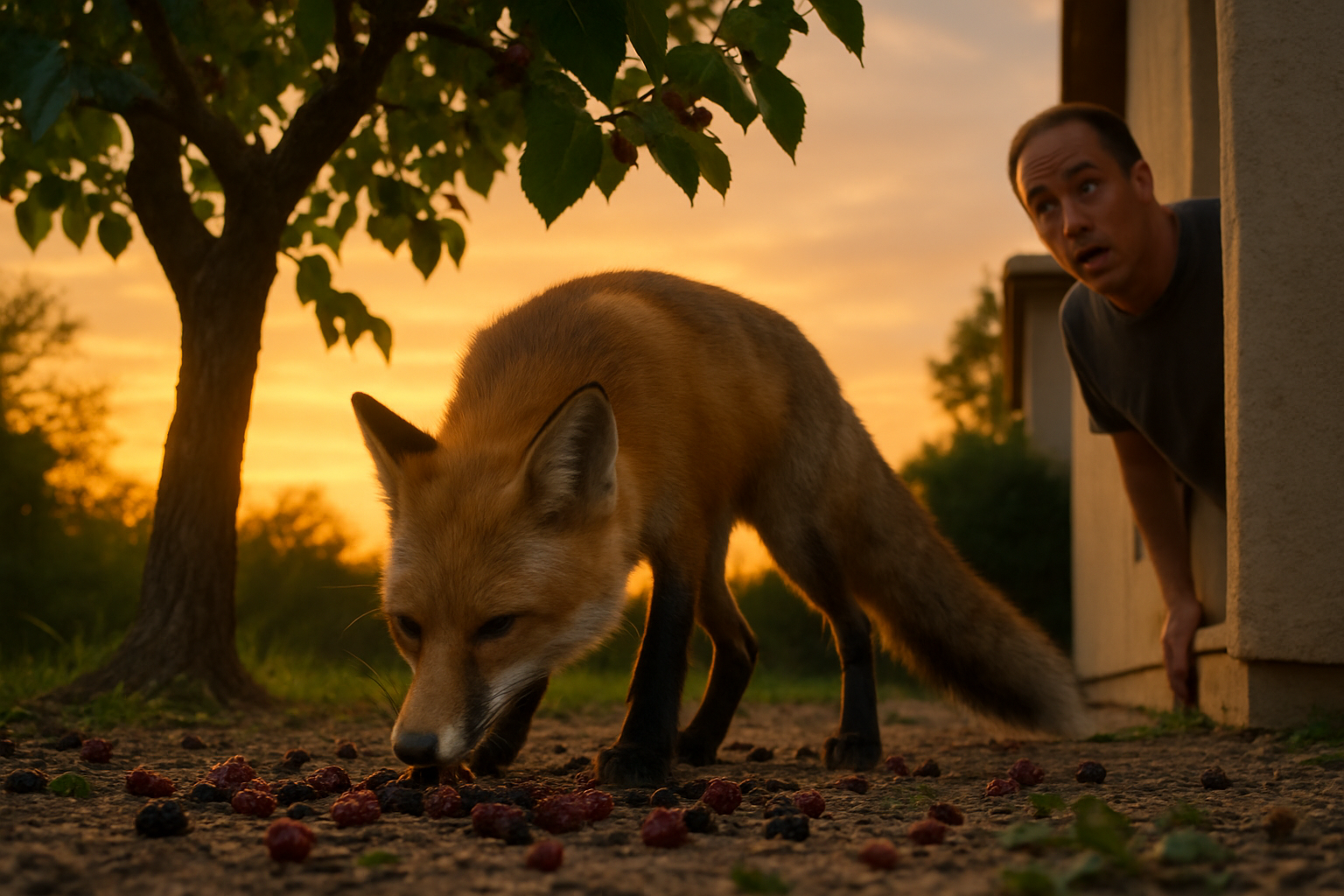
I stood under my mulberry tree last July, hands on my hips, staring at the ground like a detective who had completely lost the plot. Every single morning for two weeks, I’d come outside to find the low-hanging branches stripped clean — berries gone, no trace, no explanation. I was convinced I had the sneakiest, most dedicated flock of birds in the county. I even bought a bird book. I started leaving out water dishes. I told my neighbor, very confidently, that I had “attracted an impressive avian ecosystem.” Turns out I had attracted a fox. One very bold, very fluffy, very unbothered fox who had apparently decided my mulberry tree was his personal breakfast buffet. If you’ve ever wondered about wildlife eating mulberries in your own backyard, buckle up — because my story is equal parts embarrassing and wonderful.
This post contains affiliate links. As an Amazon Associate, I earn from qualifying purchases. If you click a product link and make a purchase, I may earn a small commission at no extra cost to you. I only recommend products I genuinely find useful for the mulberry-growing life.
The Great Mulberry Mystery (And My Very Wrong Conclusions)
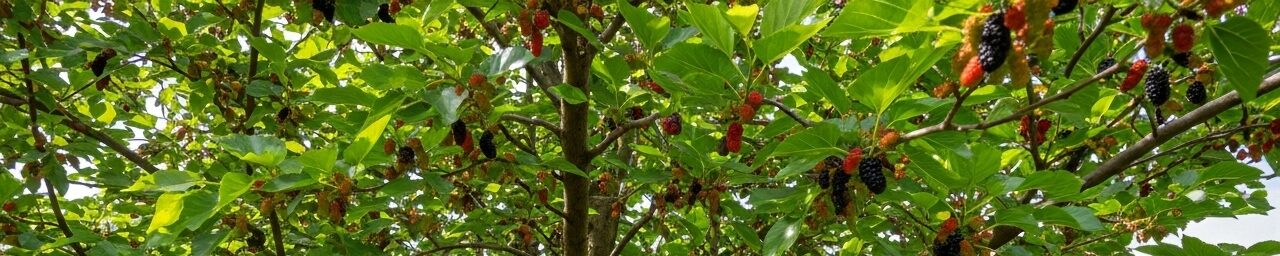
Let me paint you a picture. Mid-summer, my Illinois Everbearing mulberry was absolutely loaded — deep purple berries drooping from every branch within arm’s reach. I had big plans: jam, smoothies, a cobbler I’d been daydreaming about since March. I was checking the tree every morning, waiting for the perfect moment to harvest. And every morning, the lower branches looked a little more picked-over than the day before.
I assumed birds. Obviously birds. Robins, cedar waxwings, maybe an ambitious mockingbird — all totally normal mulberry thieves, and honestly ones I’d read about right here on this site. I set up a little homemade scare deterrent (a pie tin on a string, very professional), and felt extremely smug about it. The berries kept disappearing. I added a second pie tin. Still gone. I started setting my alarm for 5:30 a.m. to “catch the birds in the act.” All I saw were two very confused squirrels and a lot of empty branches.
It wasn’t until my neighbor texted me a photo — taken from her kitchen window at dusk — that the truth emerged. There he was: a gorgeous red fox, sitting upright beneath my mulberry tree, delicately plucking berries from the lowest branches with the calm energy of someone who owns the place. She captioned it: “Your bird problem has a tail.” I stared at that photo for a long time.
Wildlife Eating Mulberries: Who’s Really Visiting Your Tree?
Here’s the thing I didn’t fully appreciate before my fox revelation: mulberries are one of the most wildlife-attractive fruits you can grow. The berries ripen over a long window, they fall to the ground readily, and they’re sweet enough to appeal to an almost comical range of creatures. Once I started paying attention — really paying attention — I realized my backyard had become a full-blown wildlife dining destination.
Beyond the obvious bird visitors, mulberry trees commonly attract:
- Foxes and coyotes — yes, really. Both are known to eat fruit opportunistically, and mulberries are a seasonal favorite.
- Raccoons — expert climbers who will work their way through a tree methodically and leave very little behind.
- Opossums — often overlooked but very fond of fallen mulberries, usually active after dark.
- White-tailed deer — if you’re in a rural or suburban area, deer will browse low branches and hoover up dropped fruit.
- Squirrels and chipmunks — the obvious suspects, and very much guilty.
- Wild turkeys — surprisingly common visitors in the right regions, and they’re thorough.
The pattern of disappearance can actually tell you a lot. Berries vanishing from high branches? Probably birds or squirrels. Low branches cleaned out overnight with some ground disturbance? Think raccoon, opossum, or — as I now know from personal experience — a very dignified fox.
Practical Tips for Sharing (or Protecting) Your Harvest
Once I got over my embarrassment, I had to make some real decisions: did I want to protect my harvest, or lean into the wildlife garden angle? Honestly, I did a little of both — and I think that’s the sanest approach for most mulberry growers.
If You Want to Protect Your Berries
- Harvest early and often. Don’t wait for peak ripeness across the whole tree — pick in stages as berries darken. This is the single most effective strategy.
- Use bird netting on lower branches. Full-tree netting is a nightmare to manage on a mature mulberry, but protecting the most accessible lower third is realistic and effective.
- Spread a tarp or old sheet beneath the tree and shake branches gently. Collect a big harvest all at once before the overnight crew arrives.
- Motion-activated lights or sprinklers can discourage nocturnal visitors like raccoons and foxes from making it a nightly habit.
If You Want to Embrace the Wildlife
- Plant more than one tree if space allows. A generous planting means there’s enough for everyone — you, the birds, and apparently the local fox population.
- Let fallen fruit stay on the ground in a designated spot away from the tree’s root zone. This draws ground-feeding wildlife away from the branches.
- Set up a trail camera and actually learn who’s visiting. This changed everything for me — more on that in a moment.
Tools That Help: Trail Cameras for Your Mulberry Garden
After the fox revelation, I ordered a trail camera immediately — it is genuinely one of the best decisions I’ve made as a backyard gardener. Knowing what’s visiting your tree isn’t just fun (though it absolutely is fun), it’s practical information that helps you decide how and when to harvest, and whether your “pest” problem is actually a wildlife gift in disguise.
Here are the cameras I’ve looked into and recommend:
The GardePro E5S Trail Camera is the one I ended up with, and I love it. The 64MP photo quality is genuinely impressive, the 0.1-second trigger speed means you don’t miss fast-moving visitors, and the no-glow night vision doesn’t spook nocturnal animals. It captured my fox on the very first night I set it up — ears perked, berry in mouth, completely unbothered.