Why a Mulberry Tree Shade Tree Is a Landscaping Superstar
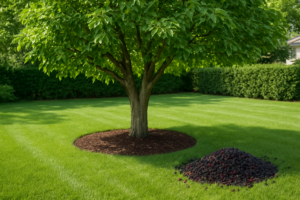
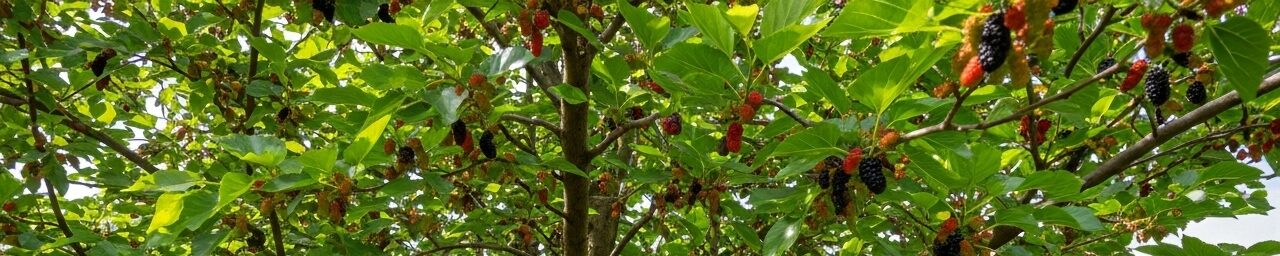
Most people don’t realize just how capable mulberries are at delivering genuine, reliable shade across a substantial area of your yard. The canopy structure itself — built from broad, densely-packed leaves arranged on spreading lateral branches — creates the kind of full shadow coverage you’d normally wait decades for from a traditional shade tree like an oak. Depending on which variety you’re growing, you might see a mature canopy that stretches 30 to 45 feet across, blocking the intense midday sun rather than filtering it into dappled patches.
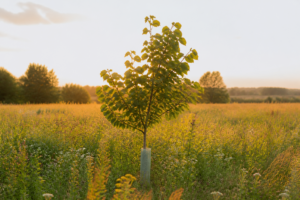
Speed is another thing that sets mulberries apart from conventional shade trees. Most backyard growers are astonished at how quickly their trees fill out — you’re looking at genuine, sit-under-it shade appearing in roughly three to five years from a young sapling, which is dramatically faster than oaks or maples ever manage.
Several mulberry cultivars stand out if you’re specifically after a reliable shade producer for your landscape:
I almost returned mine after the first heavy rain pooled water in the table surface, but once I realized I could angle it slightly during setup, it became the most-used piece of equipment in my yard. If you’re serious about designing a mulberry shade space you’ll actually spend time in, check out the Shintenchi 6 Piece Patio Dining Set with Umbrella.
- Umbrellas lacking serious wind engineering will require constant adjustment and securing during gusty periods — mine demands re-securing multiple times during spring weather patterns.
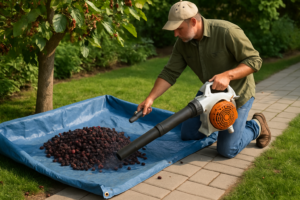
- Leaf litter, small branches, and particulate matter settle into table seams and between seat slats throughout the drop season, meaning routine weekly cleaning rather than occasional wipe-downs.
Creating Intentional Living Spaces Beneath Your Mulberry Tree
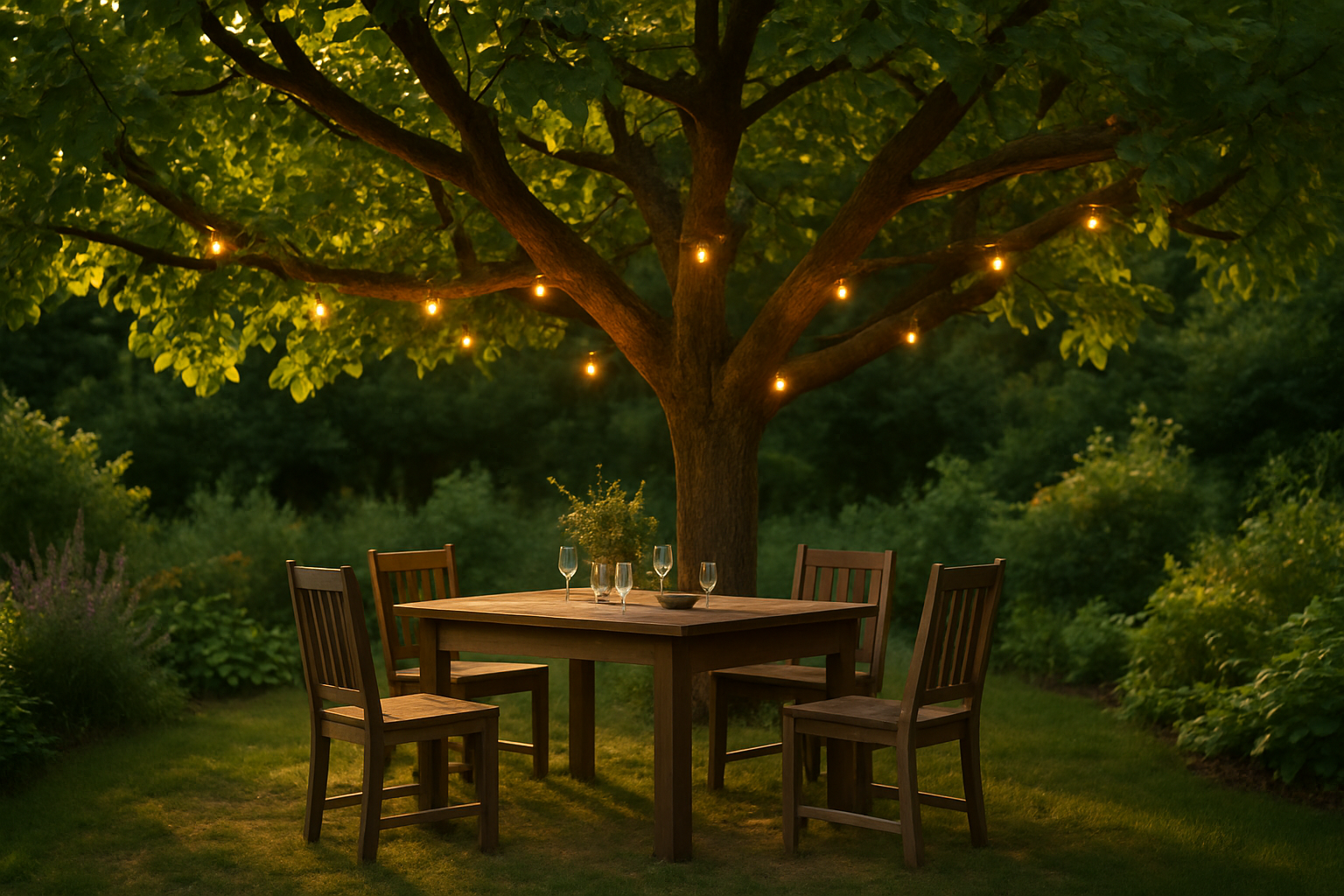
After I stopped thinking of my mulberry as background scenery and started treating it as the central organizing element of my outdoor area, things clicked into place. The shade wasn’t an accident anymore — it was infrastructure. Here’s how I approached redesigning the space to work with it rather than against it.
Establishing a Functional Seating Area That Bridges Shade Access and Harvest Management
You need an actual place to be — not just occasionally, but consistently — if you’re going to make use of your mulberry’s shade while staying connected to fruit development and tree health. Permanent seating anchors the space and transforms it from a casual spot into somewhere you’ll actually spend time monitoring ripeness and observing branch architecture.
What serves the purpose
- An umbrella mounted to the table itself extends your comfortable window during those dense-canopy afternoons when you’re watching for color shifts in developing fruit, and it doesn’t obstruct your sightlines up into the branching structure above.
- A well-constructed frame withstands repeated exposure to mulberry debris — fallen fruit pulp, leaf matter, bird droppings — without warping, staining, or deteriorating. Mine has handled years of this without visible damage.
- A six-person configuration invites others to participate in the harvest rhythm rather than standing passively on the sidelines. The seasonal work becomes communal rather than isolating across months of active growing.
What creates problems
Heavy rain can pool water in patio table surfaces, though angling the setup slightly during installation helps. For anyone serious about designing a mulberry shade space worth spending time in, the Shintenchi 6 Piece Patio Dining Set with Umbrella is worth considering.
The positioning decision matters enormously: place your mulberry where it can intercept the afternoon heat coming from the south or west. That’s where the worst solar heat hits your yard, and that’s exactly where a spreading mulberry canopy does the most practical work.
Frequently Asked Questions
How wide does a mature mulberry canopy spread for shade?
Depending on the variety, a mature mulberry canopy can stretch 30 to 45 feet across. A spread of that size blocks the intense midday sun outright rather than filtering it into dappled patches — the sort of full shadow coverage you’d normally wait decades to get from an oak.
How long before a young mulberry gives real usable shade?
You’re looking at genuine, sit-under-it shade in roughly three to five years from a young sapling. That’s dramatically faster than oaks or maples ever manage, and it’s the thing most backyard growers are astonished by — the trees fill out with broad, densely packed leaves on spreading lateral branches surprisingly quickly.
Where in my yard should I plant a mulberry for shade?
Place it where it can intercept the afternoon heat coming from the south or west. That’s where the worst solar heat hits a yard, and that’s exactly where a spreading mulberry canopy does the most practical work. The positioning decision matters enormously if you want the shade to function as infrastructure rather than accident.
How much cleaning does patio furniture under a mulberry tree need?
Plan on routine weekly cleaning rather than occasional wipe-downs. Leaf litter, small branches, and particulate matter settle into table seams and between seat slats all through the drop season, and there’s fallen fruit pulp and bird droppings too. I’ve cleaned fruit stains off my set dozens of times without the frame warping or discoloring.
Keep Reading
About This Article

Written by Ruth Nakamura. Ruth Nakamura is a backyard orchardist in the Pacific Northwest who has grown mulberries for fifteen years, cultivating twelve different varieties in her own backyard. Not a horticulturist by formal training - she shares what she has learned through hands-on growing, workshops, and connecting with nurseries and growers across the country. More about this site.
Scope and limits. Ruth is a backyard orchardist without formal horticultural training. Growing conditions vary enormously by region, so confirm variety, timing, and pest guidance with your local extension service.
Verify this against a primary source
Specifics change, and your situation may differ from the one described here. These are the authorities worth checking directly:
- USDA Plant Hardiness Zone Map — zone verification for your location
- Oregon State University Extension — fruit growing and pruning research
- USDA PLANTS Database — species range and identification