- Occer 12×25 Compact Binoculars — waterproof, great low
I once stood in my backyard in my pajamas at 7 a.m., holding a garden hose like a weapon, completely surrounded by what I can only describe as a feathered mob. Robins. Cedar waxwings. A mockingbird with the attitude of a bouncer. They had descended on my young mulberry tree like it was an all-you-can-eat buffet — which, I would soon learn, it absolutely was. What I didn’t know then, but know now after years of happily growing mulberries, is that the relationship between birds and mulberry trees is one of the most spectacular, chaotic, and genuinely rewarding things you can witness in a home garden.
This post contains affiliate links. As an Amazon Associate, I earn from qualifying purchases. If you click a product link and make a purchase, I may earn a small commission at no extra cost to you. I only recommend products I genuinely find useful!
Why Birds and Mulberry Trees Are an Unstoppable Pair
Let me back up. That chaotic morning started because I had done exactly zero research before planting my first mulberry tree. I picked up a bare-root Illinois Everbearing at a local nursery because the tag said “fast growing, heavy fruiting.” I thought — great, I’ll get some fruit, maybe make a pie. Adorable, right? What the tag did NOT say was: “Warning: this tree will become the most popular address in your zip code once birds discover it.”
By midsummer of year two, my tree was producing ripe berries, and the birds found it before I even knew the fruit was ready. I walked outside to find what looked like an avian town hall meeting in progress. They weren’t scared of me. They barely looked at me. I was the intruder. That’s when I realized I needed to either fight this situation or lean into it — and leaning in turned out to be one of the best gardening decisions I’ve ever made.
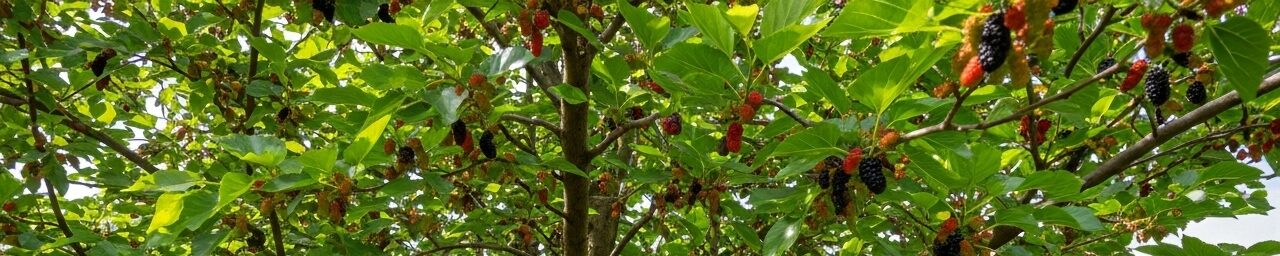
So why do birds go so completely wild for mulberries? It comes down to timing, nutrition, and sheer abundance. Mulberry trees fruit in early to midsummer — a window that falls right between spring’s fleeting wild berries and late summer’s more substantial fruit crops. For birds, this is a critical feeding season when they’re raising fledglings and fueling up after migration. Mulberries are soft, sweet, and perfectly sized for most songbirds to gulp whole. A single mature mulberry tree can produce tens of pounds of fruit over several weeks, which is basically the bird equivalent of a never-ending pasta bar.
Which Birds Show Up to the Mulberry Party?
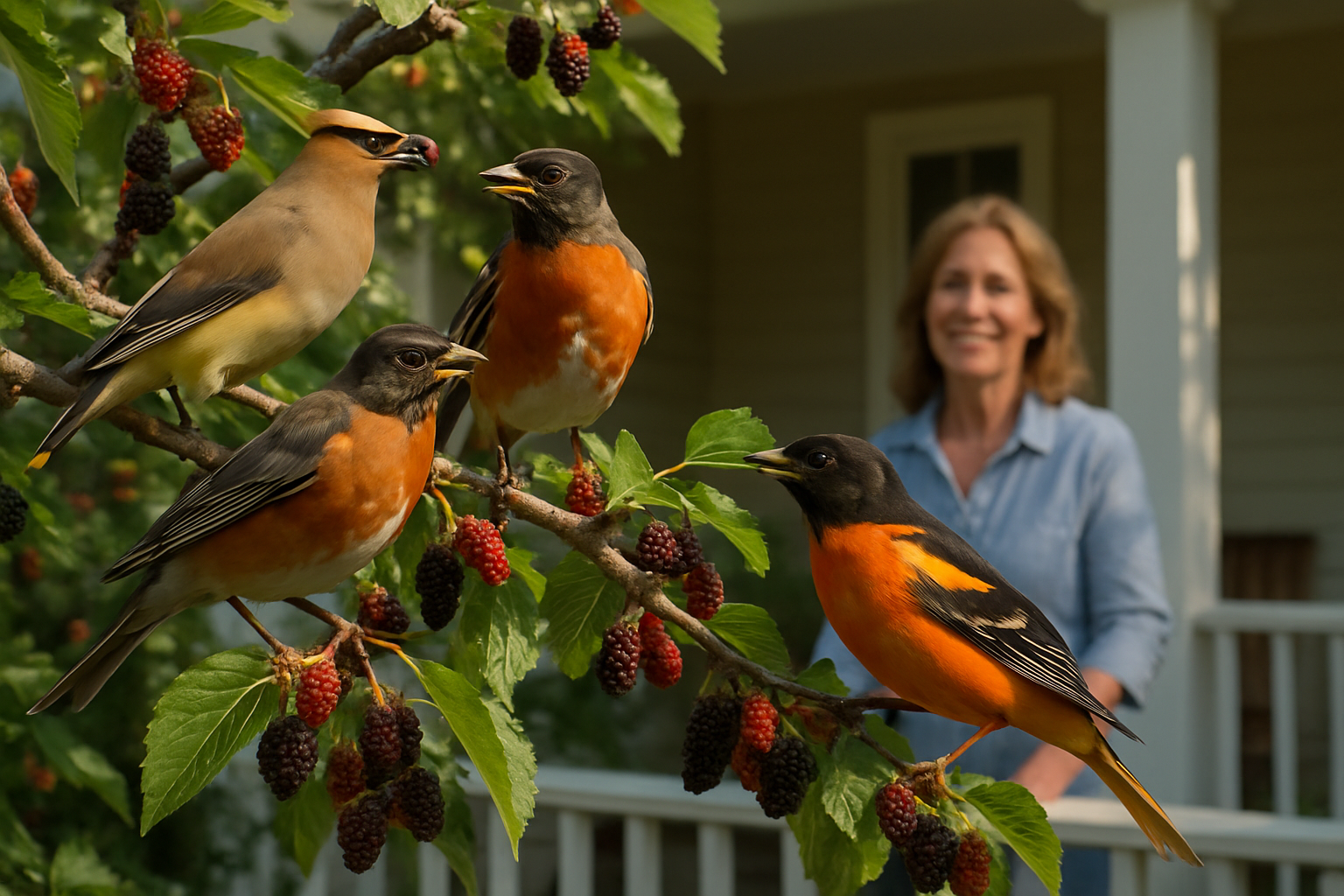
Once I stopped panicking and started paying attention, I realized my chaotic mulberry tree had turned my yard into an incredible wildlife observatory. Here’s a snapshot of who regularly visits during peak ripening:
- American Robins — the bold first-arrivals who act like they own the place (they do)
- Cedar Waxwings — arguably the most beautiful visitor, arriving in silky, efficient flocks
- Northern Mockingbirds — loud, territorial, and absolutely committed to their berry claim
- Gray Catbirds — quieter than mockingbirds but equally enthusiastic about mulberries
- Baltimore Orioles — a jaw-dropping visitor if you’re lucky enough to be in their range
- Downy Woodpeckers and Red-bellied Woodpeckers — less expected but definitely showing up for the fruit
- European Starlings — showing up in noisy gangs, unapologetically
If you want to actually identify what you’re seeing, a good field guide makes all the difference. The Peterson Field Guide to Birds of Eastern & Central North America, Seventh Edition is the gold standard for backyard birding east of the Rockies, and I’ve had my copy for years. If you’re just getting started and want something a little more approachable, North American Bird Watching for Beginners is a fantastic introduction that covers 150 species in a friendly, non-intimidating format.
How to Use Birds and Mulberry Trees to Your Garden’s Advantage
Here’s where the smart mulberry gardener gets intentional. Yes, the birds will eat a lot of your fruit — sometimes most of it. But with a little planning, you can structure your garden so that everyone wins: the birds get their feast, and you still harvest plenty of berries for yourself.
Plant a dedicated “bird tree” away from your harvest tree
If you have space, consider planting a second mulberry tree specifically as a wildlife tree. Place it at the far end of your yard or near a fence line. Birds are opportunistic — if there’s an open, accessible tree loaded with fruit, they’ll gravitate there first. Your main harvest tree, especially if netted during peak ripening, becomes dramatically easier to manage.
Use netting strategically on your harvest tree
Lightweight bird netting draped over branches during the two to three weeks of peak fruit production can protect a significant portion of your crop without harming birds. Always use fine-mesh netting and secure the base so birds don’t get trapped underneath. Remove the netting once you’ve done your main harvest and let the birds clean up the rest — they’ll thank you by eating insects around your tree all season long.
Embrace the bird activity as pest control
This is the part people overlook. Birds drawn to your mulberry tree don’t just eat berries — they eat bugs. A yard full of robins, catbirds, and woodpeckers is a yard with significantly fewer caterpillars, beetles, and grubs. My vegetable garden, which sits about thirty feet from my mulberry tree, has noticeably fewer pest problems during and after mulberry season. It’s a genuine ecosystem benefit you get for free.
Add water to make your yard irresistible
A shallow bird bath placed near — but not directly under — your mulberry tree creates a complete habitat loop: food, water, shelter. Birds that stop to drink are birds that linger, forage, and return. Keep the water fresh and clean, especially during hot summer weeks when your mulberry is fruiting at its peak.
Tools That Help You Enjoy the Show
Look, once you’ve got birds flooding your mulberry tree, you’re going to want to actually see them up close. A decent pair of compact binoculars changes everything. Here are three options I’d recommend depending on your budget:
- Occer 12×25 Compact Binoculars — waterproof, great low