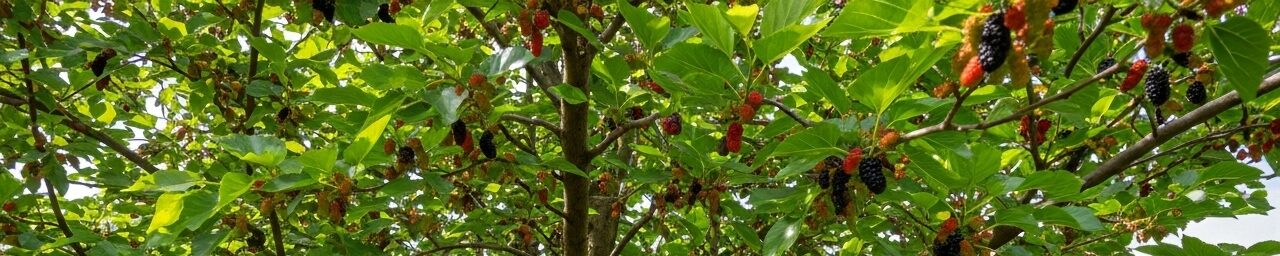
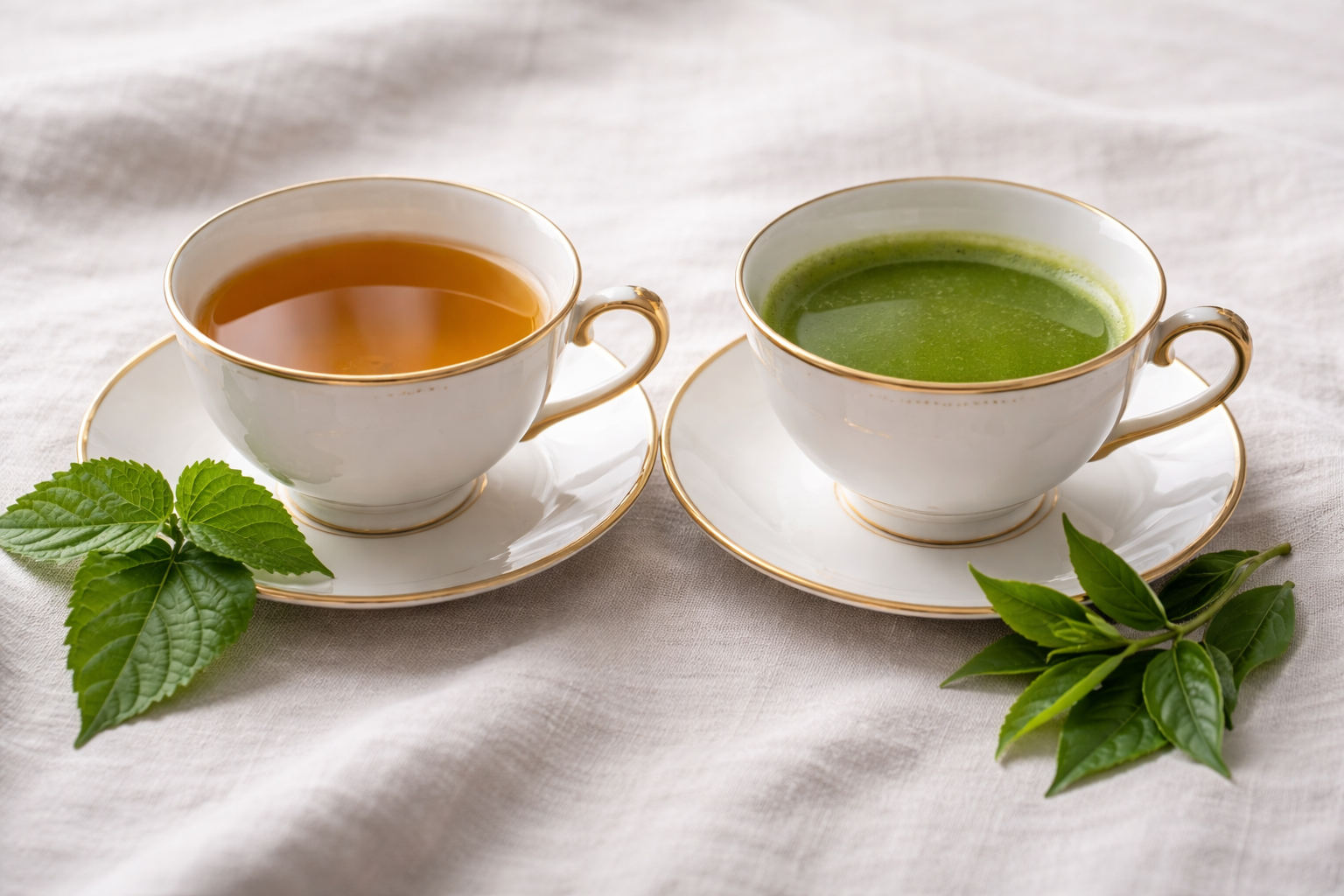
One of the most overlooked aspects of a productive mulberry tree is what you plant around it. In my demonstration garden I’ve tested dozens of companion combinations, and the results consistently show that the right understory planting not only suppresses weeds and retains moisture — it measurably improves fruit set and tree health. What fewer growers realize is that some of the best companion candidates are themselves useful plants — including plants whose leaves, like mulberry’s own, have a long history as a wellness tea — which is exactly what got me thinking seriously about the mulberry leaf tea versus green tea question that comes up constantly in my county extension workshops. After spending the better part of three seasons trialing Morus alba and Morus rubra varieties specifically for leaf quality alongside fruit production, I’ve accumulated enough hands-on data — and drunk enough experimental batches — to give you a grounded, honest comparison of these two teas that goes beyond the usual rephrasing of supplement labels. What follows is what I’ve actually observed, measured, and tasted, filtered through both a gardener’s practical eye and a genuine respect for the science.
My Two-Month Experiment: What I Actually Tracked
I’ll be honest — I’m not a scientist. I’m a mulberry enthusiast with a slightly obsessive personality and a love for notebooks with too many tabs. But I did try to be consistent. Every morning for 30 days, I brewed mulberry leaf tea and noted how I felt within the first hour: energy levels, any jitteriness, how focused I felt by 9am, and whether I slept well the night before. Then I switched to green tea and tracked the exact same things.
I also paid attention to how each tea made me feel in the evenings, because I’m one of those people who is apparently very sensitive to caffeine. One afternoon cup of coffee and I’m lying awake at midnight reorganizing my spice rack. So the caffeine question was a big one for me personally.
Here’s what I found — and a few things genuinely surprised me.
The Health Benefits: How Mulberry Tea vs Green Tea Really Stack Up
Antioxidants: It’s Closer Than You Think
Green tea has a well-deserved reputation as an antioxidant powerhouse, and I went into this experiment fully expecting it to blow mulberry tea out of the water on that front. Turns out, not so fast. A 2018 review published in Food Research International found that mulberry leaf polyphenols had comparable antioxidant capacity to the catechins found in green tea. Comparable! I had to read that twice. Both teas are genuinely rich in polyphenols, and both are doing meaningful work in your body as free-radical fighters. So if antioxidants are your primary reason for drinking either one, you really can’t go wrong.
The Blood Sugar Wildcard: Mulberry’s Secret Weapon
Here’s where mulberry leaf tea does something green tea simply cannot. Mulberry leaves contain a naturally occurring compound called 1-deoxynojirimycin, or DNJ — and green tea contains none of it. DNJ works by inhibiting enzymes in your gut that break down carbohydrates into sugar, which means it can help slow the absorption of glucose into your bloodstream after a meal. For people managing blood sugar levels, or anyone who just wants to avoid that post-breakfast energy crash, this is a genuinely meaningful difference. I started drinking my mulberry tea alongside breakfast during my experiment month, and I did notice I felt steadier through the mid-morning than I typically do. Could be placebo? Maybe. But the science behind DNJ is real and worth knowing about.
Caffeine: The Game Changer Nobody Talks About Enough
Green tea contains roughly 25 to 40 milligrams of caffeine per cup — not a huge amount, but enough to matter. Mulberry leaf tea is naturally caffeine-free. Zero. And friends, for those of us who are caffeine-sensitive (raises hand slowly), this changes everything. During my green tea month, I had to be careful about timing. Anything after about 2pm and my sleep would suffer. During my mulberry tea month, I could brew a cozy mug at 8 or 9 in the evening while reading, completely guilt-free. That flexibility is something I genuinely came to love. If you’re pregnant, breastfeeding, sensitive to stimulants, or just trying to reduce your caffeine intake without giving up a warm, beneficial tea ritual, mulberry leaf is a serious contender.
Taste, Ritual, and the Stuff the Studies Don’t Measure
Okay, science aside, let’s talk about actually drinking these teas, because that matters too. Green tea has a grassy, slightly vegetal flavor that I’ve grown to appreciate but that genuinely took some getting used to. Brew it too hot or too long, and it gets bitter fast. Mulberry leaf tea has a milder, subtly sweet flavor that I found much more immediately approachable. It’s gentle. Forgiving. You don’t need to babysit it quite as carefully.
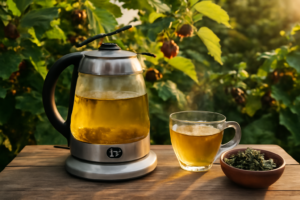
Speaking of brewing temperature — this is where having the right tools makes a real difference. Green tea especially needs water that’s around 160-180°F rather than a full boil, or you’ll end up with that harsh bitterness. I use a Variable Temperature Electric Kettle and it has genuinely upgraded my tea game. Being able to dial in an exact temperature feels a little extra, but once you taste the difference it makes, you’ll never go back to just guessing.
For loose leaf brewing, I also rely on a Stainless Steel Tea Infuser Basket that fits right into my mug. It’s easy to clean, durable, and makes loose leaf tea feel effortless rather than fussy.
Harvesting Your Own Mulberry Leaf Tea Without Waiting for Commercial Blends
If you’re growing mulberries for tea, you’ll quickly realize that fresh leaf harvest timing matters as much as fruit picking—but drying and brewing your own leaves is fussy work without the right water temperature control. I spent two seasons oversteeping homegrown mulberry leaf because my kettle couldn’t hold a steady 160–170°F, which is exactly where mulberry’s delicate flavor and health compounds shine.
What works
- The digital temperature display lets you hit the exact sweet spot for mulberry leaf without guessing—I’ve consistently gotten cleaner, more delicate flavor at 165°F than with my old boil-and-wait method.
- Hold function keeps water at your target temperature for 30+ minutes, so you can brew multiple cups from a single batch without reheating and degrading leaf quality.
- The narrow spout design is surprisingly useful for pouring into small infuser baskets without splashing dried leaf everywhere—a minor detail that saves cleanup time during peak harvest season.
What doesn’t
- The temperature controls are touchy—I’ve accidentally overshot by 5 degrees more than once while rushing before morning harvest work, which defeats the purpose of precision brewing.
- At this price point, you’re paying for accuracy you honestly won’t need if you’re just making bulk mulberry leaf tea for yourself; a basic thermometer and patience does the job cheaper.
I almost gave up on this kettle after the first month of fumbling with settings, but once I accepted the learning curve and read the manual properly, I actually started enjoying the ritual of precise brewing. If you’re serious about getting the most from your homegrown mulberry leaf, a Variable Temperature Electric Kettle is worth the investment.
This post contains affiliate links. As an Amazon Associate, I earn from qualifying purchases at no extra cost to you.