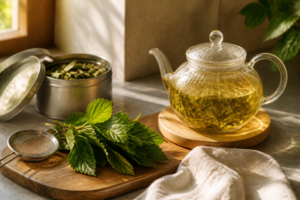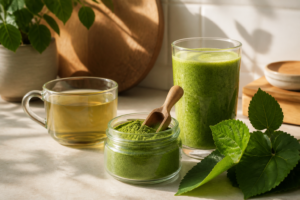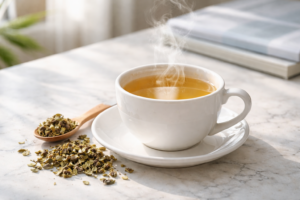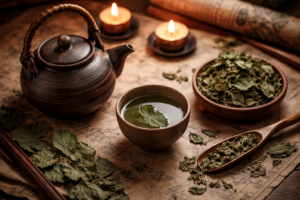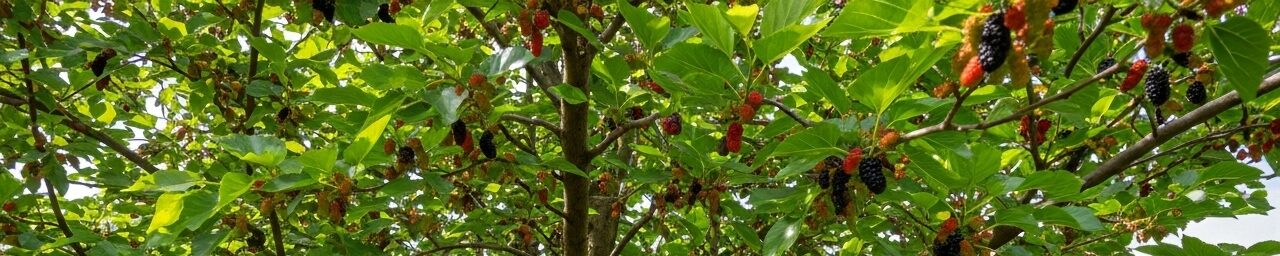
Mulberry cultivation offers rewarding opportunities for backyard growers in temperate regions like the Pacific Northwest. A diverse collection of cultivars is available to home gardeners, including the majestic Black Beauty, the sweet Chinook, the hardy Illini Star, and the productive Ozark Premier. Each brings its own characteristics and growing requirements to a backyard orchard.
Mulberry leaves and fruits produce significant natural staining, a practical consideration for anyone harvesting and processing them. Many growers find that harvesting leaves from their trees, drying them, and brewing them into tea offers a way to use the whole plant. This path often leads to interest in the research on mulberry leaf benefits for blood glucose management. Practical, straightforward dosage recommendations can be difficult to find for people who harvest and dry their own leaf rather than buying pre-packaged commercial products, making firsthand guidance from experienced growers valuable for those uncertain about preparing their first cup from a backyard harvest.
Why Mulberry Tea Dosage Actually Matters
What caught me off guard during my research was understanding that mulberry leaf tea isn’t simply a mild herbal beverage with minimal biological impact. The leaves contain specific compounds — particularly 1-deoxynojirimycin (DNJ) — that can substantially influence your body’s carbohydrate metabolism and glucose regulation. That’s genuinely compelling! Yet it simultaneously means that quantity genuinely makes a difference in a way that, for instance, peppermint or chamomile really wouldn’t.
A minimal amount might leave you wondering if you’re getting the results you sought. Too much — particularly when combined with specific medications — could trigger unexpected complications. So let’s approach this as the substantive, careful concern it truly is and examine what actual evidence reveals.
What Research Indicates About Safe Daily Intake
I went through the available clinical research carefully, and here’s what the data actually demonstrates regarding safe and effective mulberry leaf tea amounts.
The Typical Safe Window: 1 to 3 Cups Daily
Researchers examining mulberry leaf tea’s physiological outcomes have repeatedly employed ranges of 1 to 3 cups per day, where each portion equals around 250ml of normally prepared tea. This consumption level shows up repeatedly throughout the research literature and demonstrates favorable safety outcomes among research subjects. Therefore, if you’re beginning your exploration and trying to determine an appropriate starting point, aiming somewhere within that 1-to-3-cup span represents a data-grounded decision.
My own experience began with a single cup consumed during dinner, and I gradually increased consumption after observing my individual body’s reaction. (The outcome: everything went smoothly. No surprises. Wonderfully unremarkable, frankly.)
Converting Between Standardized Supplements and Brewed Leaf
A portion of the clinical investigations employed concentrated extracts as opposed to steeped leaf, and grasping this conversion proves valuable. The published experiments actually gave participants three 280 mg tablets on three occasions throughout the day — totaling roughly 2,520 mg of mulberry leaf matter daily, not 280 mg three separate times (review the dosing specifics in this published research article). That substantially exceeds what a handful of cups of home-brewed preparation contains, so consider homemade steeped leaf as a gentler formulation rather than a direct equivalent to the dosages that were formally investigated. This provides a useful reference point: when brewing a balanced cup (neither excessively faint nor overly concentrated), you’re probably approaching a reasonable therapeutic amount when consuming 1 to 3 cups each day.
Duration Considerations for Ongoing Consumption
The National Center for Complementary and Integrative Health (NCCIH) indicates that white mulberry leaf carries a general safety profile for shorter timeframes extending to roughly 3 months when consumed in typical tea quantities. That’s worth keeping in your awareness, but it simultaneously suggests that if you’re contemplating establishing mulberry leaf tea as a lasting everyday practice, having a discussion with a healthcare provider becomes a really worthwhile step — not merely a disclaimer to shield against liability.
When Special Precautions Become Necessary — The Full Picture
I want to be absolutely transparent with you right here, because the wellbeing of the people who read this matters to me and I want everyone to have a positive outcome.
When you’re already on prescription medications targeting diabetes or glucose regulation, having a conversation with your physician prior to establishing a regular mulberry leaf tea habit is genuinely important. The glucose-modulating action of mulberry leaf is precisely what renders it such an intriguing option — yet this identical characteristic can produce unintended interactions with antidiabetic medications and possibly result in excessively low blood sugar. This isn’t just me exercising excessive caution. This represents genuine biochemical interactions that warrant actual professional evaluation.
Outside of diabetes medication interactions, several additional circumstances warrant discussing this with your doctor before you begin:
- You are expecting or nursing an infant
- You have documented sensitivity to mulberry (particularly cross-reactions with fig or latex sensitivity)
- You take pharmaceuticals that influence glucose or vascular tension
- You have been diagnosed with a hepatic disorder (although supporting evidence for serious danger is not extensive, prudence is appropriate)
I’ll set down the caution now — solely because my commitment is authentic, not because my reasoning has become exhausted.
Preparation Technique for Maximum Potency and Flavor
Achieving the correct dosage additionally requires attention to preparation method. A cup steeped for only seconds yields something vastly different from one that’s been fully extracted, and this distinction becomes relevant when pursuing dependable outcomes.
Procedure for Consistent Results
- Temperature of water: Target approximately 85-90°C (185-194°F). Excessively hot water degrades certain delicate components within the leaf. A programmable kettle removes all the guesswork.
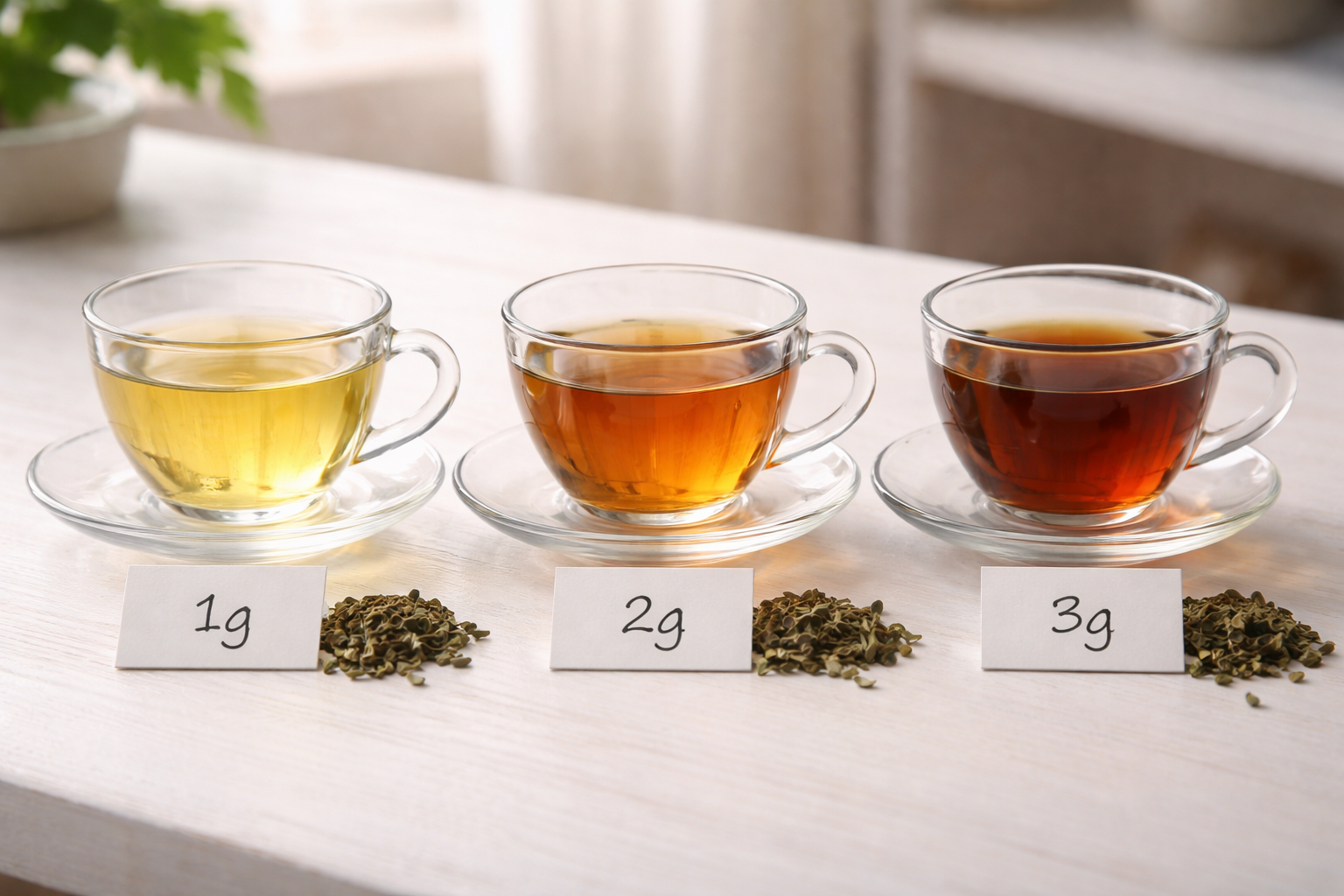
- Leaf quantity: Dispense roughly 1 rounded teaspoon of loose dried leaf or a single tea bag for each 250ml of liquid.
- Extraction duration: 3 to 5 minutes for a moderately robust cup. Extending toward 5 minutes produces a stronger, more bioactive infusion.
- Optimal timing: Clinical investigations administered mulberry tea immediately preceding meals or alongside them, which aligns with the leaf’s influence on sugar processing. Attempt consuming your cup 5 to 10 minutes before you eat.
- Gradual initiation: Start with a single cup on day one for roughly seven days. Once you’ve verified your tolerance, incorporate a subsequent cup. This methodology permits your system to adapt gradually and reveals how you personally respond.
Products I Actually Use and Suggest
Many growers have questions about tools and equipment for a mulberry leaf tea routine. A few reliable items make the process simpler and more consistent.
Tea Bag Options That Deliver Uniform Steeping From Personal Leaf Harvests
Once you begin drying your own mulberry leaves at home, you quickly learn that loose leaf creates a messy situation, rehydration behaves unpredictably, and you end up straining leaf particles out of your cup constantly. Packaged tea bags solve this annoyance—and allow you to concentrate on the biochemical properties of what you’re actually consuming.
Where they excel
- The pouch material is engineered to be thin enough for full extraction but tight enough to contain particles, preventing grit or floating debris while preserving full flavor transfer.
- Uniformity from cup to cup—I actually noticed harvest-to-harvest variations in my mulberry leaf’s character, something that would’ve been obscured had I been wrestling with loose leaf complications.
- Shelf stability becomes effortless; individual packets hold their quality substantially longer than my jarred dried leaves, which gradually fade and deteriorate in flavor within several weeks.
The downsides
- You relinquish input regarding harvest quality and timing—the supplier’s sourcing practices control your outcome rather than your own careful cultivation, something that bothered me more than I anticipated.
- The bag material itself occasionally imparts a subtle paper aroma during initial steeping if bags aren’t pre-rinsed, which I discovered through experience and now perform automatically.
I almost went back to loose leaf after that first paper-flavored mug, but a quick rinse fixed it and I’ve been consistent ever since. You can grab Bravo Tea Absolute White Mulberry Leaf Tea Bags and start testing dosages with reliable, repeatable results.
Sources and Citations
The health claims discussed on this page come from published research. Every study below has been checked against its PubMed or PubMed Central record, and each entry links to the source so you can read it yourself.
- Asai A et al. (2011) — “Effect of mulberry leaf extract with enriched 1-deoxynojirimycin content on postprandial glycemic control in subjects with impaired glucose metabolism.” J Diabetes Investig, 2(4), 318-23. PMC4014974 →
Two trials in one paper: single doses of 3, 6 or 9 mg DNJ in 12 people with impaired fasting glucose (dose-dependent effect on post-meal glucose), and 6 mg DNJ three times daily for 12 weeks in 76 people. The acute dose-response is the most useful published guide to how much DNJ actually matters before a meal. - Kimura T et al. (2007) — “Food-grade mulberry powder enriched with 1-deoxynojirimycin suppresses the elevation of postprandial blood glucose in humans.” J Agric Food Chem, 55(14), 5869-74. (randomised controlled trial) PubMed 17555327 →
Dose-ranging trial in healthy volunteers given 0, 0.4, 0.8 or 1.2 g of DNJ-enriched mulberry powder (0-18 mg DNJ) before 50 g of sucrose. Only the 0.8 g and 1.2 g doses significantly suppressed the glucose and insulin rise. This is the relevant study when the product is a powder rather than a brewed tea. - Shinkawa Y et al. (2025) — “Evaluation of the Postprandial-Hyperglycemia-Suppressing Effects and Safety of Short-Term Intake of Mulberry Leaf and Water Chestnut Tea: A Randomized Double-Blind Placebo-Controlled Crossover Trial.” Nutrients, 17(14). (randomised controlled trial) PMC12300009 →
Randomised, double-blind, placebo-controlled crossover trial in 31 people, using continuous glucose monitoring across two-week periods. Glucose variability fell, with no hypoglycaemia and no change in liver, kidney or inflammatory markers. The tea tested was a mulberry and water chestnut blend, not mulberry alone. - Yasumoto K et al. (2022) — “Safety evaluation of a beverage containing mulberry leaf extract.” Biosci Biotechnol Biochem, 86(4), 519-527. (randomised controlled trial) PubMed 35089999 →
Randomised, double-blind, placebo-controlled safety trial: 48 healthy adults drank a green tea containing 550 mg of mulberry leaf extract three times a day for 4 weeks. No adverse reactions occurred and there was no difference in adverse events versus the control beverage.
Note: study results are not guaranteed for individual users. Dose, preparation method, and individual physiology all affect outcomes, and most of these trials are small. Consult your healthcare provider before making changes to your treatment plan.
Frequently Asked Questions
What water temperature is best for brewing mulberry leaf tea?
I aim for water at approximately 85-90°C (185-194°F). Water hotter than that degrades some of the delicate components in the leaf, and a programmable kettle removes the guesswork entirely. For strength, I use roughly 1 rounded teaspoon of loose dried leaf, or a single tea bag, for each 250ml of water, steeped 3 to 5 minutes.
When should I drink mulberry leaf tea in relation to meals?
Drink it just before or alongside a meal. Clinical research has administered mulberry tea immediately preceding meals or with them, which aligns with the leaf’s influence on sugar processing. Finishing a cup 5 to 10 minutes before eating may optimize this effect.
How should a beginner start drinking mulberry leaf tea?
Start gradually. I suggest a single cup a day for roughly seven days, then adding a second cup once you’ve verified your own tolerance. That approach lets your system adapt and shows how you personally respond. The research literature repeatedly uses 1 to 3 cups daily, each around 250ml of normally prepared tea.
Why does my mulberry tea bag taste like paper?
The bag material itself can impart a subtle paper aroma during the initial steeping if the bags aren’t pre-rinsed. I found this out the hard way with one paper-flavored mug and nearly went back to loose leaf over it. A quick rinse of the bag before steeping fixed it completely, and I now do it automatically.
Keep Reading
About This Article
Written by Ruth Nakamura. Ruth Nakamura is a backyard orchardist in the Pacific Northwest who has grown mulberries for fifteen years, cultivating twelve different varieties in her own backyard. Not a horticulturist by formal training - she shares what she has learned through hands-on growing, workshops, and connecting with nurseries and growers across the country. More about this site.
Scope and limits. Ruth is a backyard orchardist without formal horticultural training. Growing conditions vary enormously by region, so confirm variety, timing, and pest guidance with your local extension service.
Verify this against a primary source
Specifics change, and your situation may differ from the one described here. These are the authorities worth checking directly:
- USDA Plant Hardiness Zone Map — zone verification for your location
- Oregon State University Extension — fruit growing and pruning research
- USDA PLANTS Database — species range and identification