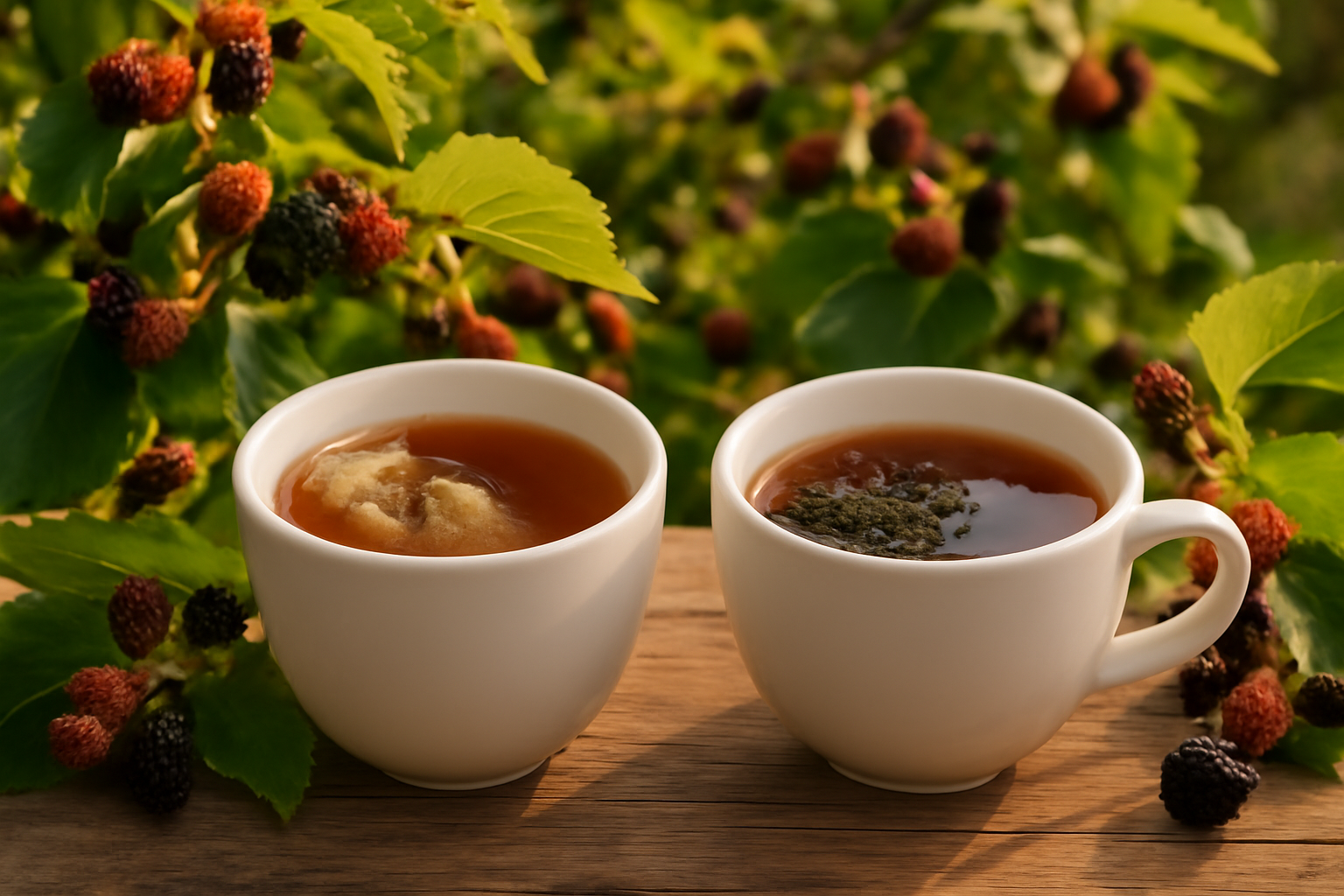

If you’ve spent any time researching the best mulberry leaf tea bags vs loose leaf options, you already know the rabbit hole goes deep. I fell into it hard last spring. My doctor had flagged my post-meal blood sugar numbers as something to “keep an eye on,” and I wanted to do something proactive between appointments. Mulberry leaf tea kept coming up in my research as a traditionally used herb with promising properties. But then came the real question: do I buy tea bags or loose leaf? I decided to test both formats side by side and report back honestly.
Why This Comparison Matters
When you’re growing mulberries primarily for fresh eating and processing, switching to commercial leaf tea means trusting someone else’s harvest and drying methods. I needed to find a product that captured what I know mulberry leaves should taste like—clean, slightly sweet, without that papery staleness that kills the whole experience.
The tea bag versus loose leaf debate isn’t just about convenience. It’s about extraction efficiency, flavor quality, cost per serving, and environmental impact. After spending years working with fresh mulberry leaves, I knew exactly what to look for and what would disappoint me. That’s why I wanted to test two popular options that kept appearing in my searches: Bravo Tea in bags and TooGet loose leaf.
Testing Bravo Tea Mulberry Leaf Tea Bags
I started with Bravo Tea Absolute White Mulberry Leaf Herbal Tea Caffeine Free, 20 Tea Bags. The appeal was obvious: individual bags mean zero prep time, perfect portion control, and easy travel. For someone managing blood sugar with daily tea consumption, this seemed practical.
What Works With Bravo Tea
- The leaf pieces are genuinely whole and intact—no dust or fannings at the bottom of the bag like some brands, which tells me they weren’t overly processed or stored poorly.
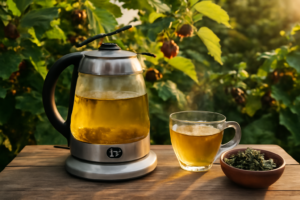
- Steeps quickly and consistently, which matters when you’re brewing multiple cups a day and want to know you’re getting the same extraction each time. I found five minutes produced optimal flavor without any bitterness.
- No artificial flavoring or weird aftertaste—tastes like actual dried mulberry leaves, which is harder to find than you’d think in this market.
- The convenience factor is real. Grab a bag, drop it in hot water, done. No scales, no infusers, no mess.
What Doesn’t Work
- The bags are individually wrapped in plastic with an extra outer box, which felt wasteful for someone who grows their own fruit—I’d rather see bulk loose leaf available from them.
- Price is higher per cup than loose leaf, which adds up if you’re drinking this daily like I am for blood sugar management. That cost difference compounds over months.
- You can’t adjust leaf quantity based on how strong you want your brew. Tea bags come with a fixed amount.
Testing TooGet Loose Leaf Mulberry Tea
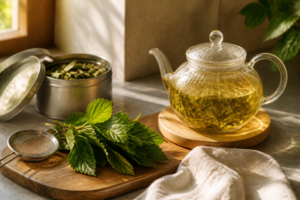
After two weeks with Bravo, I switched to loose leaf to see if the flavor profile was noticeably different. TooGet’s loose leaf option arrived in a resealable pouch, which immediately felt more economical and environmentally conscious than individual bags.
What Works With TooGet
- Significantly better value per serving. Loose leaf is cheaper, and you only use what you need.
- The leaves are large and visibly high quality. You can see exactly what you’re brewing—no guessing about dust or debris mixed in.
- More control over strength and flavor. Want a lighter tea? Use less leaf. Want something more robust? Add more. This flexibility matters when you’re using tea for health purposes.
- Better storage in the resealable pouch. It kept leaves fresh longer than the individual bags did once opened.
What Doesn’t Work
- Requires an infuser or strainer. That’s an extra step and another item to clean. For busy mornings, this matters.
- Less portable than tea bags. You can’t just toss a loose leaf portion into your bag for work or travel without an infuser.
- Slightly longer prep time overall, though the actual steeping was faster due to better water contact with the leaves.
The Verdict: Which One Should You Buy?
I almost gave up on tea bags entirely after my third brand disappointed me with brown dust instead of actual leaves, but Bravo changed my mind. If convenience and consistency are your priorities—especially if you’re new to mulberry leaf tea—the Bravo bags are genuinely good. You can grab Bravo Tea Absolute White Mulberry Leaf Herbal Tea Caffeine Free, 20 Tea Bags on Amazon and actually feel confident about what you’re brewing.
However, if you’re committed to daily consumption for health reasons—like I am—TooGet loose leaf wins on value and control. The investment in a simple infuser pays for itself within a few weeks compared to bags.
My actual routine? I use Bravo bags on weekdays for work and pack TooGet loose leaf for weekend mornings at home. This hybrid approach gives me convenience when I need it and economy where it matters most.
Bravo Tea Absolute White Mulberry Leaf Herbal Tea Caffeine
I used this alongside the loose leaf version to see which preparation method worked better for my routine.
Check Price on Amazon →This post contains affiliate links. As an Amazon Associate, I earn from qualifying purchases at no extra cost to you.