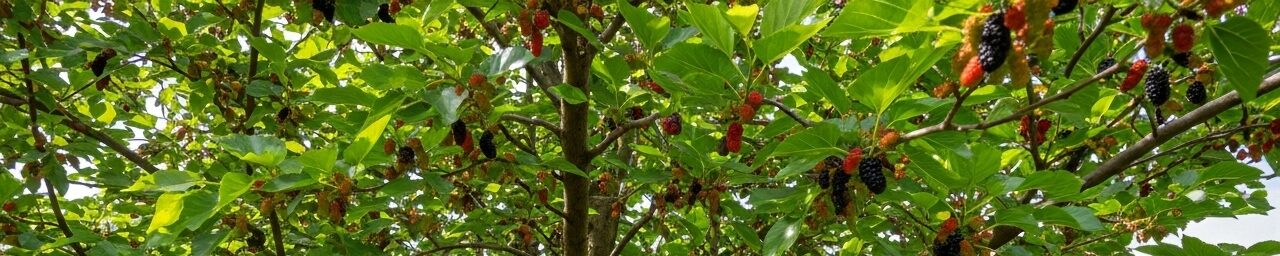
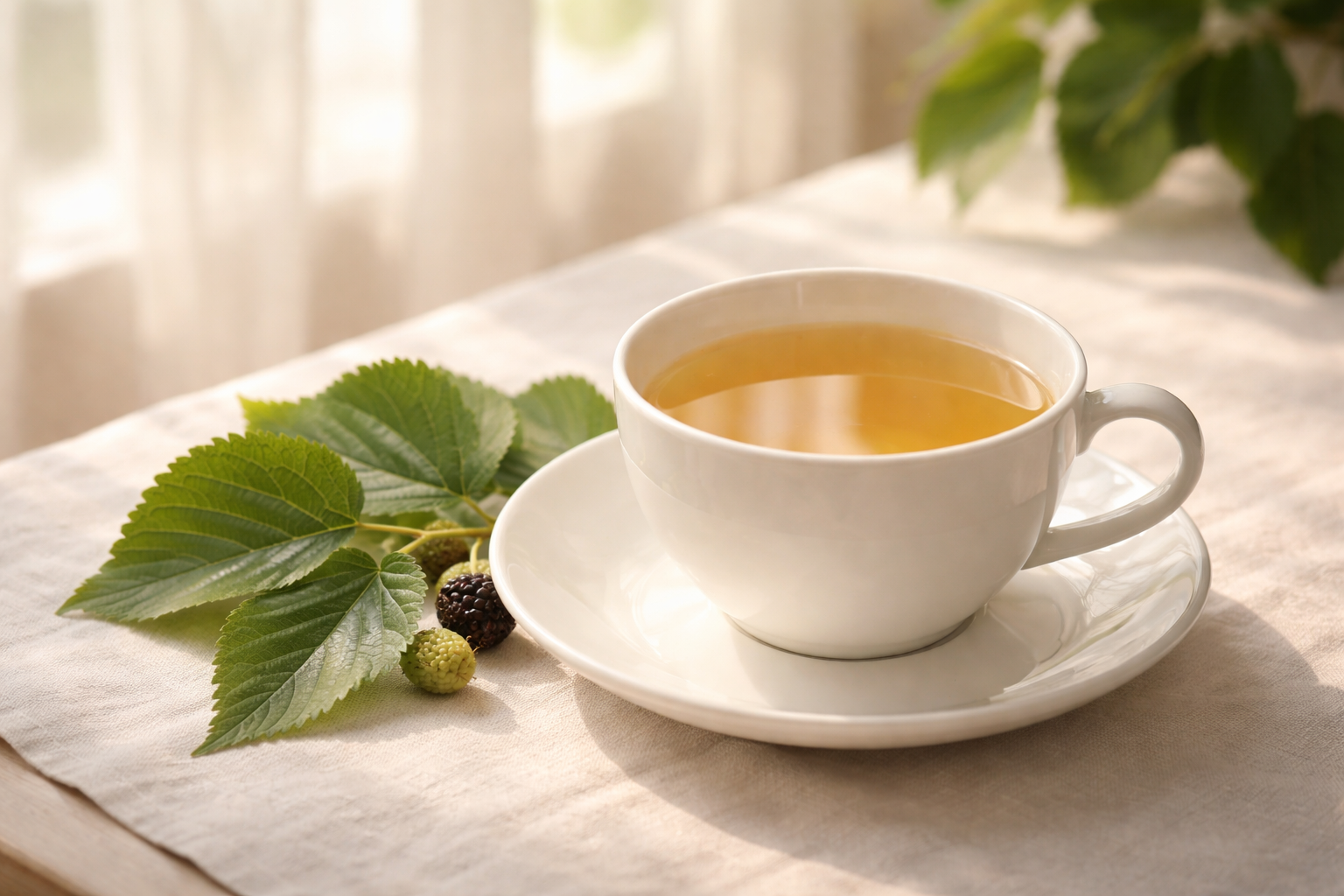
Most people plant whatever mulberry sapling is available at the local nursery without realizing that variety selection is one of the highest-leverage decisions in the whole process. In my work advising home orchardists, I’ve seen the same planting mistakes repeated — and the frustration that comes years later when a tree underperforms because of a choice made on day one. That frustration compounds when the goal is something specific, like harvesting fruit suitable for making tea: the wrong variety, planted in the wrong microclimate, will give you berries that are watery, low in the antioxidant compounds that make mulberry tea worth drinking, and so perishable that a viable harvest window barely exists. Over the past several years, I’ve run informal variety trials at my demonstration orchard and pulled together what the extension literature actually says about Morus alba, Morus rubra, and their hybrids in the context of food-grade use — so what follows isn’t assembled from generic gardening sites, but from direct observation and hands-on advising. If you want to grow mulberries with tea production in mind, this guide will help you make the right call from the start, not three years too late.
What I found wasn’t a simple yes or no. It was more complicated and more interesting than that — and I think if you’re pregnant, or if someone you love is, you deserve the full picture rather than a breezy dismissal or an unnecessary panic spiral. So let’s dig in together.
What the Research Actually Says About Mulberry Tea Pregnancy Safety
Here’s where I have to be honest with you: the research on herbal teas during pregnancy is frustratingly thin across the board, and mulberry leaf is no exception. The National Center for Complementary and Integrative Health (NCCIH) — one of the most trustworthy sources I found — states plainly that there is insufficient data on the safety of white mulberry leaf during pregnancy and breastfeeding, and they recommend caution. That’s not a condemnation. That’s a research gap. But it matters.
WebMD echoes this. They rate white mulberry as possibly safe for general use in healthy adults, but they specifically advise avoiding it during pregnancy — again, not because something bad has been documented, but because the safety data simply doesn’t exist yet. That distinction is actually important. “We don’t know” is not the same as “it’s dangerous.” But during pregnancy, “we don’t know” carries a lot more weight than it does in everyday life.
The thing I kept coming back to is this: mulberry leaf has been used as a food and culinary ingredient across Asia for centuries. Small amounts used in traditional cooking have a long, quiet history without any widely reported harm. But — and this is a meaningful but — drinking concentrated mulberry leaf tea daily, especially the kind sold as a health supplement, is a very different situation than using a few dried leaves to flavor a dish. Concentration and dosage change the conversation entirely.
The Blood Sugar Factor Is Worth Taking Seriously
One of the most compelling reasons I found to urge caution came down to blood glucose. Mulberry leaf is genuinely well-studied for its ability to lower blood sugar levels — that’s actually one of the reasons people love it and one of the reasons I think it’s such a fascinating plant. Compounds in the leaf, particularly 1-deoxynojirimycin (DNJ), slow the absorption of sugars in the gut.
In pregnancy, blood sugar management is incredibly delicate. The body is already doing complex hormonal work to fuel both the pregnant person and the growing baby, and healthcare providers monitor glucose carefully, especially for gestational diabetes. Adding a tea that actively influences blood sugar — even in a potentially beneficial direction — without medical supervision introduces a variable that most OBs and midwives would want to know about. It’s not that the effect is necessarily harmful. It’s that it’s an effect, and it’s one that could interact with a system that’s already being closely managed.
I wish I had understood this angle sooner. It made everything click into place for me.
The Honest Bottom Line (Not Alarmist, Just Real)
So where does all of this leave us? Here’s what I told my sister-in-law, and what I’d tell any pregnant person who loves mulberry tea as much as I do:
- A single cup of lightly brewed mulberry leaf tea is unlikely to cause a catastrophe, and there is no documented evidence of harm from traditional culinary use.
- Concentrated, high-dose, or daily supplemental use of mulberry leaf tea is a different story — that’s where the caution flags genuinely apply.
- The lack of safety data is real and significant. Absence of evidence is not evidence of absence, but in pregnancy, the standard is — and should be — higher.
- The blood glucose-lowering effects of mulberry leaf are documented and meaningful, and those effects deserve a conversation with your provider.
- Your OB, midwife, or a licensed herbalist with prenatal experience is the right person to make the final call for your specific situation.
My sister-in-law, for what it’s worth, decided to take a break from her daily mulberry tea habit through her first trimester and asked her midwife about it at her next appointment. Her midwife appreciated that she asked, confirmed the caution recommendation, and suggested she revisit after delivery. That felt like exactly the right call to me.
The Tea Bags I Use When I Actually Want Consistent Leaf Quality Year to Year
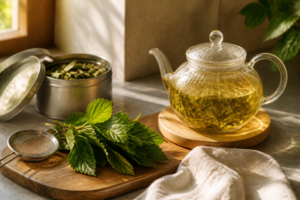
If you’re growing mulberries specifically to dry and brew your own tea, you quickly realize that leaf quality varies wildly between seasons, weather stress, and which part of the canopy you harvest from. Having a reliable commercial reference standard on hand lets you taste what “properly dried and processed” actually tastes like, so you know what you’re aiming for with your own harvest.
What works
- The leaf structure in these bags is noticeably intact and whole—not dusty powder—which tells you the drying and handling was gentle enough that you can replicate it at home without special equipment.
- The flavor baseline stays consistent between boxes, so when your home-dried tea tastes thin or grassy by comparison, you know it’s a harvesting-time or storage problem, not a variety problem.
- The bag format brews clean without sediment, which means the leaves were processed to remove stems and debris—useful to see if your home setup needs finer screening.
What doesn’t
- At commercial pricing, it’s expensive to use as your everyday tea once you have a producing tree, so this works best as an occasional reference, not your primary supply.
- The bags tell you nothing about which mulberry variety they’re sourced from, so you can’t use them to reverse-engineer what cultivar might grow best in your zone.
I almost wrote these off as unnecessary until I brewed my own dried leaves side-by-side and realized how much oxidation I’d introduced by air-drying on screens in my garage. Bravo Tea Absolute White Mulberry Leaf Tea Bags became my reality check for what I should be aiming for.
This post contains affiliate links. As an Amazon Associate, I earn from qualifying purchases at no extra cost to you.