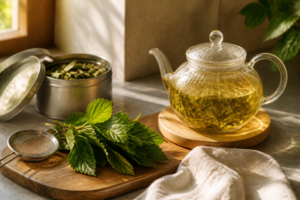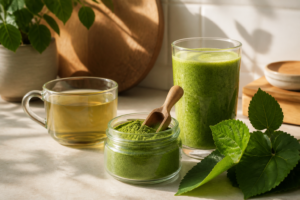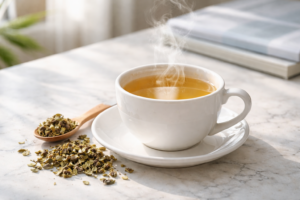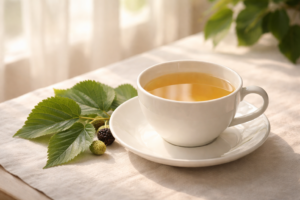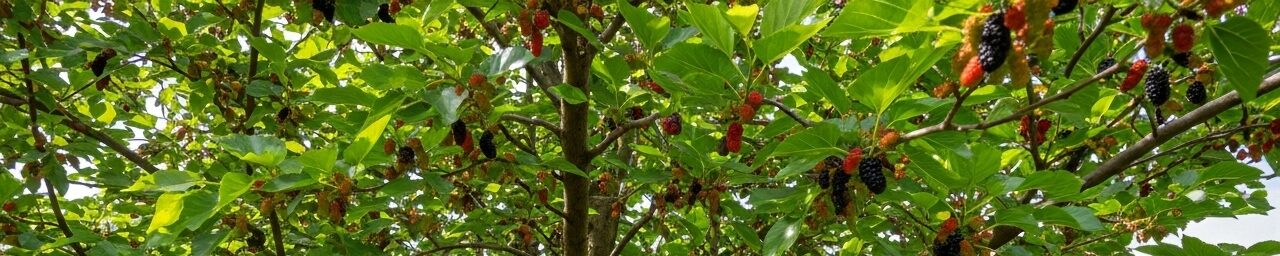
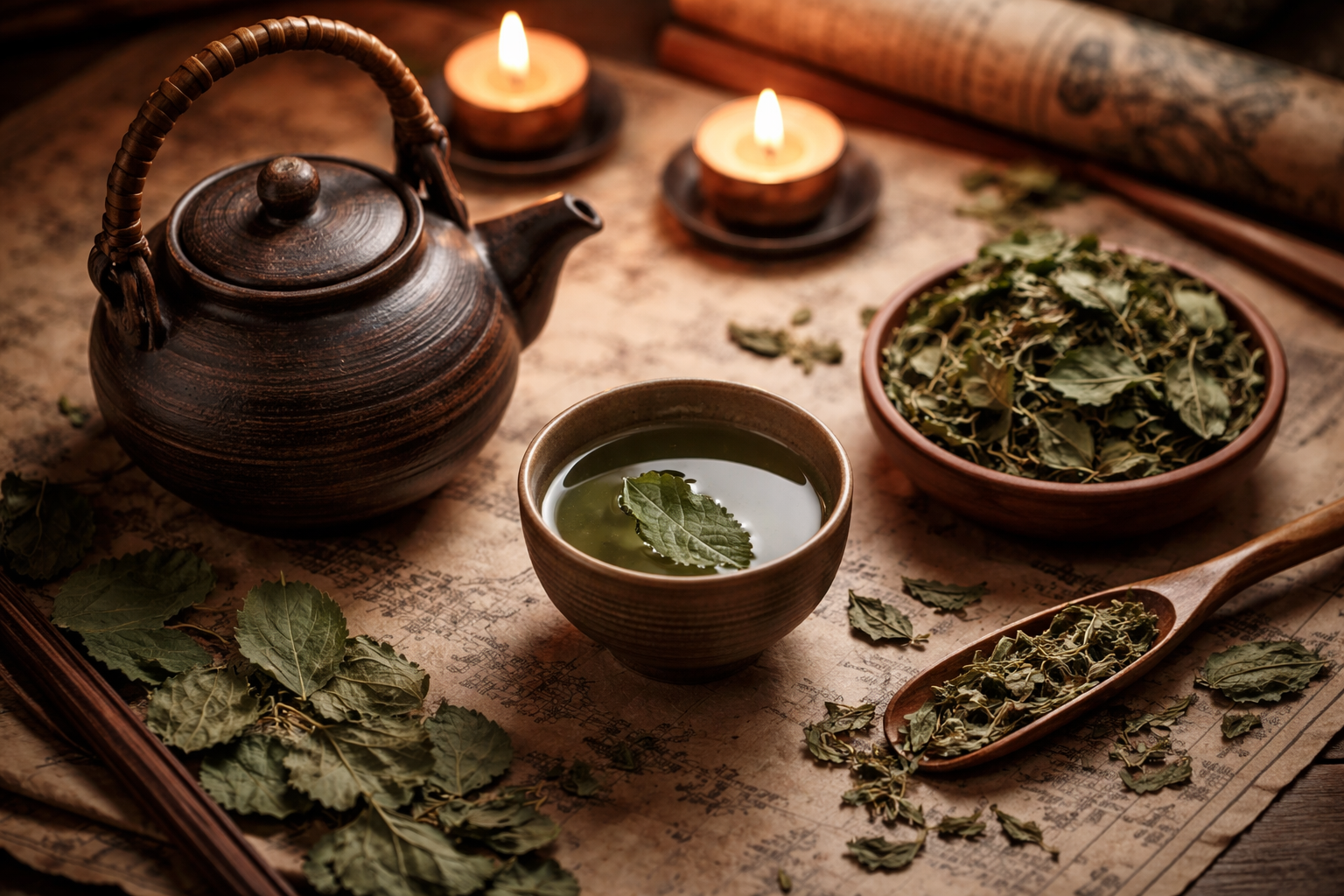
Many people growing mulberries focus primarily on the fruit and overlook the potential of the leaves. Mulberry leaf tea has gained attention in traditional practices and online discussions, and it turns out that the foliage on these trees offers significantly more utility than mere shade and aesthetic appeal. If you’re growing mulberries and haven’t considered their leaves, there’s a compelling case for exploring this often-neglected part of the plant—the possibilities are genuinely worth investigating.
The Mulberry Leaf Tea History That Begins in a Silk Farm
The origins of mulberry leaf tea are deeply intertwined with the history of silk. Mulberry trees, particularly the Morus alba (white mulberry), formed the backbone of ancient silk production in China. These trees were cultivated in vast plantations, and farmers harvested their leaves in staggering quantities to feed silkworms. What started as agriculture specialization evolved into immense wealth and economic power for centuries.
As farmers worked among these trees, they began to notice the therapeutic potential of the leaves themselves. This realization likely began during the Han Dynasty (206 BC through 220 AD), when individuals started steeping leaves into drinks for various ailments, perhaps out of sheer necessity. Over time, the medicinal use of mulberry leaves emerged from the same agricultural roots that nurtured the silk trade. It’s fascinating to think that the very leaves that supported royalty were also used by common folk for healing.
I often reflect on this duality. The same leaf that adorned the tables of emperors was being brewed into teas for those seeking relief from ailments. It’s a beautiful reminder of how interconnected our lives can be.
Sang Ye: The Ancient Medical Texts That Changed Everything
The formal recognition of mulberry leaf as a medicinal plant is detailed in the Shennong Ben Cao Jing, or the Divine Farmer’s Materia Medica, one of the most influential texts in Traditional Chinese Medicine. Compiled around 200 AD, this work cataloged hundreds of therapeutic plants, and mulberry leaf—known as Sang Ye (桑葉)—was given its own entry.
In Traditional Chinese Medicine, Sang Ye is noted for its ability to disperse lung heat, alleviate inflammation in the liver, and help with coughs and upper-respiratory conditions. It’s intriguing to see how modern science has confirmed the presence of genuine anti-inflammatory compounds in mulberry leaves that align with the ancient understanding of their medicinal properties. Those early practitioners didn’t have sophisticated tools; their knowledge was built on observation and experience passed down through generations. It’s humbling to see how their insights have stood the test of time.
When I first learned about this connection, it stopped me in my tracks. The idea that thousands of years of empirical observation could be validated by contemporary science made me rethink everything I thought I knew about herbal medicine.
Japan Embraces the Practice: When Mulberry Leaf Became About Blood Sugar
This knowledge didn’t remain confined to China. By the 7th century AD, Buddhist scholars traveling between China and Japan brought with them herbal wisdom, including the use of mulberry leaves. Japan incorporated these practices into kampo, a distinctive branch of herbal medicine that has formal recognition and even partial insurance coverage in modern Japan’s healthcare system. The way Japan has embraced this knowledge is truly admirable.
What particularly fascinates me is how Japanese healers focused on managing blood sugar long before we had the modern understanding of diabetes. They recommended mulberry leaf remedies to patients showing symptoms we would now recognize as diabetic. Only recently have scientists identified the compound 1-deoxynojirimycin (DNJ) in mulberry leaves, which slows sugar absorption in the intestines. It’s almost surreal to think that centuries ago, practitioners were guiding patients toward something that modern science would eventually validate.
This realization moves me deeply. Imagine being a patient in medieval Japan, drinking this tea on the advice of a healer, completely unaware that you were partaking in a practice that would be confirmed by science over a thousand years later. It gives you a profound sense of perspective.
Picking and Preserving Your Own Leaves Before Flavor Fades
When it comes to preparing mulberry leaves for tea, timing and storage are crucial. I learned this the hard way after leaving harvested leaves out in direct sunlight for a couple of hours; I watched in dismay as the vibrant green color faded and the flavor diminished.
What works
- Buying loose leaves instead of bagged tea gives you transparency—you can see and inspect what you’re brewing. No hidden debris or questionable quality!
- Smaller leaf pieces rehydrate faster, distributing flavor more evenly in your cup, which has helped me achieve consistency from one brewing to the next.
- Sampling high-quality commercial loose-leaf mulberry tea provided a benchmark for my own harvest, revealing that I was drying my leaves too hot.
What doesn’t
- A proper infuser or fine-mesh strainer is essential—putting loose leaf directly into a cup creates sediment, and it can be quite unpleasant to drink down to the bottom.
- While the cost of loose leaf tea is higher than tea bags, it can spoil quickly if your storage container isn’t airtight. I’ve seen oxidation and odor absorption happen within days.
At one point, I almost gave up on making my own tea. My first batch tasted so flat compared to the store-bought varieties. Then I realized I was comparing fresh-dried leaves to oxidized commercial stock that had been sitting for six months! TooGet Natural Mulberry Leaf Loose Tea became my control sample, and it completely transformed my expectations.
Frequently Asked Questions
Why does my homemade mulberry leaf tea taste flat?
Mine tasted flat because I was comparing fresh-dried leaves to oxidized commercial stock that had been sitting for six months. Once I used a high-quality commercial loose-leaf mulberry tea as a control sample, it also showed me I was drying my own leaves too hot. Fixing the drying temperature changed my results.
What happens if I leave picked mulberry leaves in the sun?
They lose color and flavor. I left harvested leaves out in direct sunlight for a couple of hours and watched the vibrant green fade and the flavor diminish. Timing and storage are crucial when preparing mulberry leaves for tea, so I now get them out of direct sun right after picking.
Do I need an airtight container for loose mulberry leaf tea?
Yes. Loose leaf costs more than tea bags, and it can spoil quickly if your storage container isn’t airtight. I’ve seen oxidation and odor absorption happen within days. A proper infuser or fine-mesh strainer also matters at brewing time, since loose leaf dropped straight into a cup creates unpleasant sediment.
What is DNJ in mulberry leaves?
DNJ is 1-deoxynojirimycin, a compound scientists have only recently identified in mulberry leaves, and it slows sugar absorption in the intestines. What struck me is that Japanese healers were recommending mulberry leaf remedies for blood sugar symptoms centuries before modern understanding of diabetes, and science eventually validated that practice.
Keep Reading
About This Article
Written by Ruth Nakamura. Ruth Nakamura is a backyard orchardist in the Pacific Northwest who has grown mulberries for fifteen years, cultivating twelve different varieties in her own backyard. Not a horticulturist by formal training - she shares what she has learned through hands-on growing, workshops, and connecting with nurseries and growers across the country. More about this site.
Scope and limits. Ruth is a backyard orchardist without formal horticultural training. Growing conditions vary enormously by region, so confirm variety, timing, and pest guidance with your local extension service.
Verify this against a primary source
Specifics change, and your situation may differ from the one described here. These are the authorities worth checking directly:
- USDA Plant Hardiness Zone Map — zone verification for your location
- Oregon State University Extension — fruit growing and pruning research
- USDA PLANTS Database — species range and identification