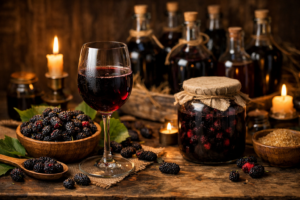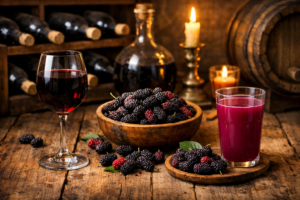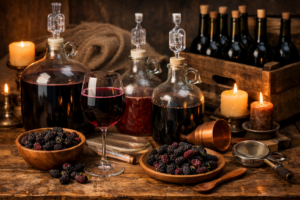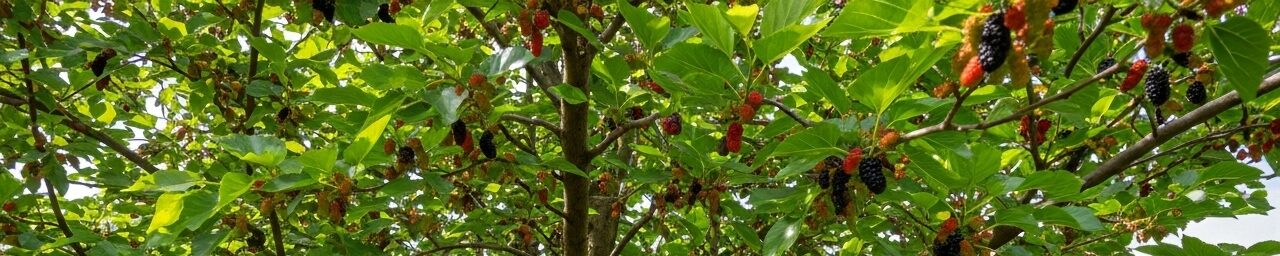
Mulberry cultivars including Black Beauty, Chinook, Illini Star, and Ozark Premier each bring distinctive flavor profiles to the kitchen. Fermented mulberry preserves represent a time-honored preservation method that maximizes the potential of the fruit harvest and offers new ways to use mulberries year-round.
When I first planted my mulberry trees, I never imagined I’d end up fermenting the fruits. I thought preserves were all about sugar and heat, and let me tell you, the first time I tasted fermented mulberry preserves, it was a revelation. The sharp, complex flavors awakened my palate in a way that traditional jams simply couldn’t. I learned more about fermentation in that one delicious bite than I ever did from books. If you’re swimming in mulberries or just curious about how salt and wild microbes can elevate your fruit game, you’re in for a treat!
What Are Fermented Mulberry Preserves, and Why Are They Different from Jam?
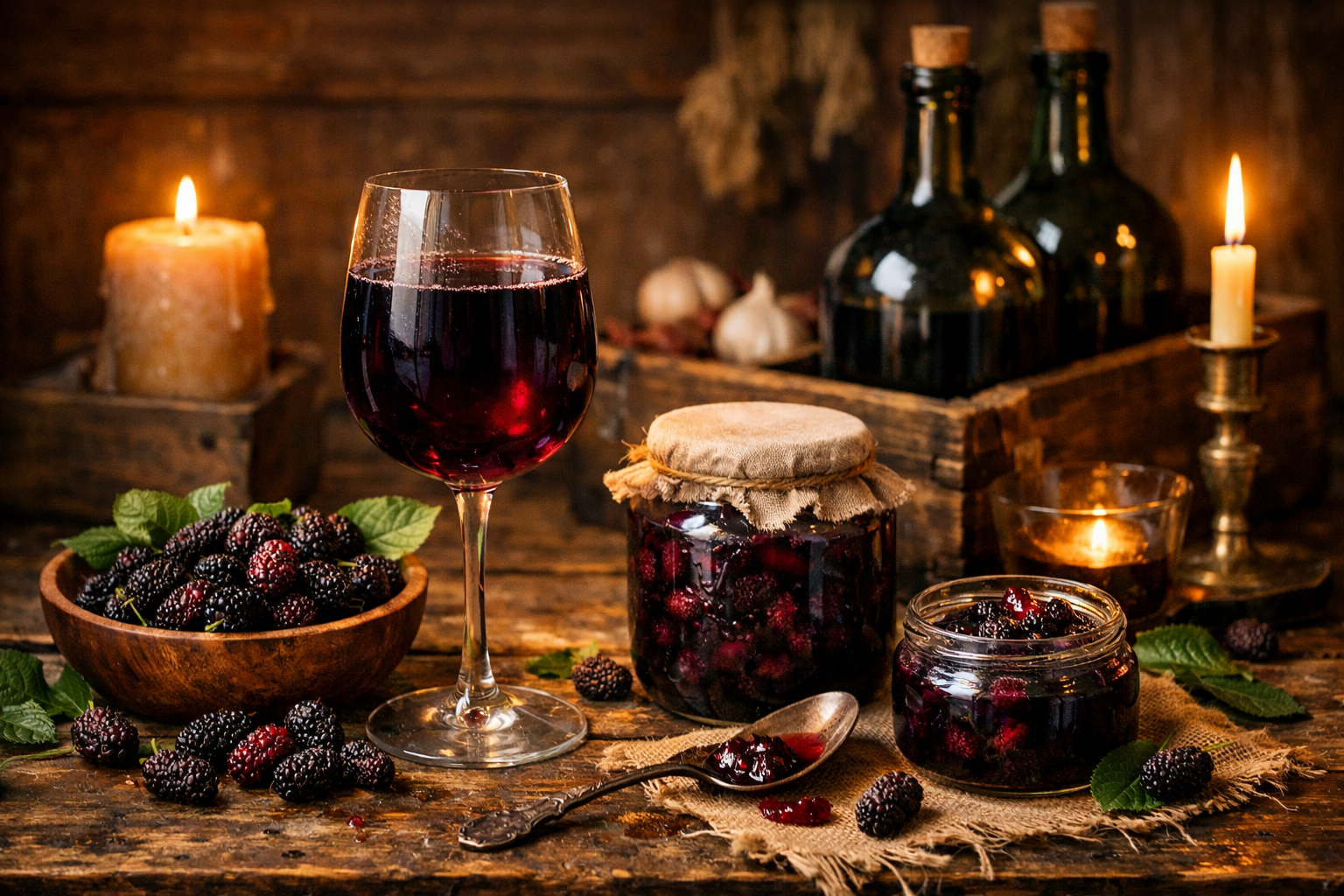
First off, let’s clarify something that tripped me up in the beginning: fermented mulberry preserves are in a league of their own. They’re not jam, they’re not jelly, and they certainly don’t share any similarities with the overly sweet, heat-processed spreads most of us grew up with. They taste extraordinary on toast, yes, but the flavor profile is entirely unique.
Lacto-fermentation is one of the oldest preservation methods known to humanity. It relies on Lactobacillus bacteria, which naturally inhabit the surface of fresh berries. These little microbes feast on the sugars in the fruit and produce lactic acid, which acts as a natural preservative. This process gives fermented foods their signature tangy flavor—no vinegar or canning equipment needed. Just let nature do its thing!
The result? A preserve that bursts with flavor—initial sweetness gives way to a delightful tartness, and a gentle fizz adds a lively texture. Plus, because the fruit isn’t cooked, you retain much more of its nutritional goodness. Once you’ve tasted fermented mulberries, you’ll find it hard to go back to regular jam!
Mulberries are perfect for fermentation because they are rich in natural sugars and have a thin skin that easily breaks open, releasing juice. I’ve found that my batches ferment predictably, and the rewards are well worth the wait.
Building a One-Gallon System Around Your Real Harvest Rhythm
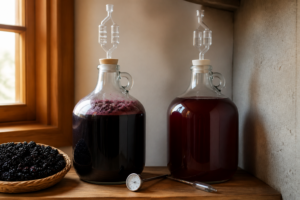
When it comes to lacto-fermentation, flexibility is key, especially since mulberries ripen in waves. I recommend sticking to a one-gallon system. This allows you to work with manageable amounts of fruit without the hassle of dealing with bulky five-gallon carboys that can become unwieldy if your harvest surprises you.
Why this scale works
- Using airlocks helps maintain a consistent seal throughout the fermentation process, even as temperatures swing throughout the day during peak harvest weeks when I’m collecting ripe berries on a daily basis.
- A gallon-sized batch is easy to taste-test and check on without needing constant supervision, yet it’s substantial enough that I’m not opening the lid every few days, which can disrupt the fermentation process.
- Once fermentation is complete (usually 2–3 weeks for mulberries), the batch can be moved into storage containers, allowing attention to shift to the next wave of harvest without babysitting large carboys for months.
Where it falls short
- Getting the airlock grommet and cap assembly to fit correctly can be tricky at first. I’ve had to adjust my setup midway through fermentation after a little bump on the table shifted everything.
- If you’re processing a large harvest—like 20+ pounds of fruit in just a week—one gallon can feel a bit cramped, and I often find myself running multiple ferments at once, which can quickly consume shelf space.
I almost returned my fermentation kit after my first batch looked sluggish at day five. I was convinced that the yeast had stalled, but it turned out I had filled it too full and needed to pour some into a secondary vessel. A little adjustment made all the difference! Home Brew Ohio Upgraded 1 Gallon Wine from Fruit Kit
Frequently Asked Questions
How long does a batch of fermented mulberry preserves take?
Mulberry batches typically finish fermenting in 2–3 weeks. After that, the ferment can be moved into storage containers and attention turned to the next wave of ripening fruit, instead of babysitting a large carboy for months. That timing allows fermented mulberries to be bottled every 2–3 weeks through harvest season.
Why does my mulberry ferment look sluggish at day five?
Mine looked sluggish at day five too, and I was convinced the yeast had stalled. It turned out I had simply filled the vessel too full. Pouring some off into a secondary vessel fixed it right away. Before you assume a failed batch, check your fill level first, because a little adjustment made all the difference for me.
Do I need vinegar or canning equipment to ferment mulberries?
No. Lacto-fermentation relies on Lactobacillus bacteria that naturally live on the surface of fresh berries. They feed on the fruit’s sugars and produce lactic acid, which acts as a natural preservative and gives that signature tangy flavor. No vinegar or canning equipment is needed, and because the fruit isn’t cooked, more of its nutritional goodness stays put.
Is a one-gallon fermenter big enough for a large mulberry harvest?
Not always. If you’re processing 20+ pounds of fruit in a single week, one gallon feels cramped, and I often end up running several ferments at once, which eats shelf space fast. For my rhythm it still works better than a bulky five-gallon carboy, since a gallon batch is easy to taste-test and check on.
Why are mulberries well suited to lacto-fermentation?
Mulberries are rich in natural sugars, which feed the Lactobacillus bacteria, and they have thin skin that breaks open easily and releases juice. Across the 12 cultivars I grow, including Black Beauty, Chinook, Illini Star and Ozark Premier, I’ve found my batches ferment predictably, and the rewards are well worth the wait.
Keep Reading
About This Article
Written by Ruth Nakamura. Ruth Nakamura is a backyard orchardist in the Pacific Northwest who has grown mulberries for fifteen years, cultivating twelve different varieties in her own backyard. Not a horticulturist by formal training - she shares what she has learned through hands-on growing, workshops, and connecting with nurseries and growers across the country. More about this site.
Scope and limits. Ruth is a backyard orchardist without formal horticultural training. Growing conditions vary enormously by region, so confirm variety, timing, and pest guidance with your local extension service.
Verify this against a primary source
Specifics change, and your situation may differ from the one described here. These are the authorities worth checking directly:
- USDA Plant Hardiness Zone Map — zone verification for your location
- Oregon State University Extension — fruit growing and pruning research
- USDA PLANTS Database — species range and identification