The pruning conversations I have with home growers are almost always the same: they’ve either done nothing for years and the tree is a tangled mess, or they’ve been too aggressive and shocked it into a non-productive sulk. Mulberries have their own timing and their own logic — once you understand the growth pattern, pruning stops being guesswork. What I’ve also noticed in those same conversations, especially when growers finally do get the pruning right and the harvests start coming in heavy, is that they run straight into the next problem: birds. After years of running variety trials and watching Morus rubra and Morus alba cultivars in test plots, I can tell you that a productive, well-managed mulberry tree is essentially a beacon for every robin, starling, and cedar waxwing in a half-mile radius — and without a real strategy in place, you will lose a significant portion of that fruit before it ever reaches your kitchen. This guide covers the bird-deterrence methods I’ve actually tested in the field, ranked by effectiveness and practicality, so you can protect your harvest without disrupting the broader wildlife balance your garden depends on.
The good news? I figured it out the following season — and the season after that has been absolute mulberry paradise. I want to share everything I’ve learned so you don’t lose a single precious berry to your feathered neighbors. And yes, we’re going to do this without hurting them. Birds are wonderful creatures and a healthy garden ecosystem depends on them. We just need some gentle, humane boundaries.
Why Mulberry Trees Are Basically a Bird Buffet
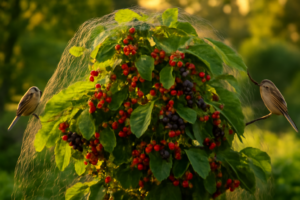
Here’s the thing about mulberries that makes bird protection genuinely tricky: the fruit ripens gradually and over a long window, sometimes four to six weeks. Unlike a blueberry bush you can tent overnight, a mulberry tree — especially a mature one — keeps putting out ripe fruit all season long. Birds figure this out fast. Once they discover your tree, they come back multiple times a day, every single day. Robins, starlings, cedar waxwings, mockingbirds — they will all show up, and they will bring friends.
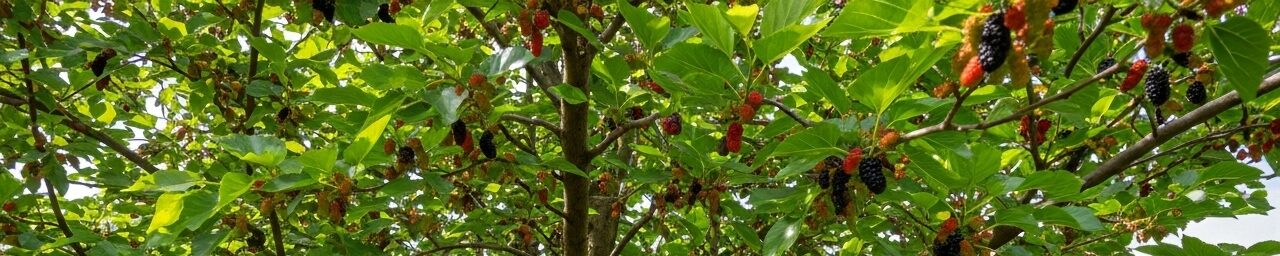
The berries also ripen at different rates on different parts of the tree, so birds are constantly scouting for the newest ripe clusters. By the time you walk outside with your colander, they’ve already been through the ripe sections twice that morning. I learned this the hard way during my heartbreaking lost harvest year. I kept telling myself I’d pick “tomorrow when there were more ripe ones.” The birds never waited for tomorrow.
How to Protect Mulberry From Birds: Your Best Options
There are two main strategies that actually work: physical barriers and visual deterrents. Ideally, you’ll use a combination of both. Let me walk you through each one honestly, including what worked for me and what didn’t.
Physical Netting: The Most Reliable Defense
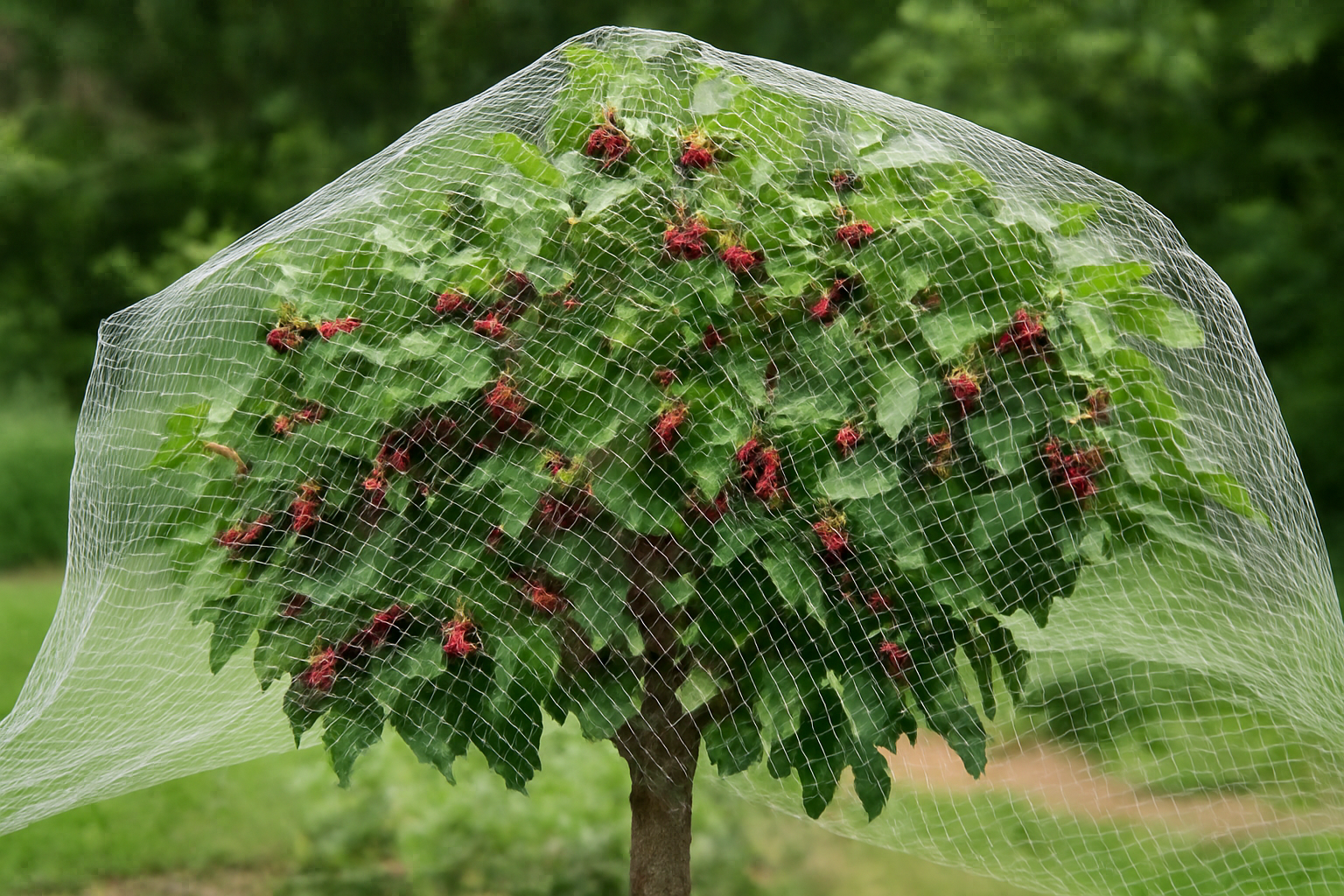
Netting is the gold standard for protecting fruit trees from birds, and mulberries are no exception. The key is choosing the right netting and applying it correctly. Here’s what I’ve learned:
- Cover before the fruit colors up. Don’t wait until you see ripe berries. By then, the birds already know about your tree. Drape netting while the berries are still small and green.
- Secure the bottom. Birds are clever. They will find gaps along the ground or low branches and walk right underneath loose netting. Use landscape staples or clip the edges together to close any openings.
- Leave room for air and growth. Don’t press the netting tightly against the branches. A little clearance reduces the chance of birds pecking through the mesh or getting tangled.
- Check daily for trapped birds. Even with the best setup, a bird may occasionally get inside. Check morning and evening and release any visitors gently.
For smaller or younger mulberry trees, a standard garden netting panel works beautifully. For larger, more established trees, you’ll want something with more coverage and durability.
Visual Deterrents: A Helpful Supporting Layer
Reflective tape and scare tape won’t replace netting on a heavily trafficked tree, but they genuinely help — especially early in the season before birds have fully committed to your tree as a food source. The flashing, unpredictable light and movement makes birds uneasy and interrupts their feeding patterns. I use it as a first line of defense while the netting is going up, and I keep some strips running through the canopy all season as extra insurance.
Hang strips from branches so they move freely in the breeze. Replace or reposition them every few weeks, because birds do eventually habituate to stationary deterrents. Moving them around keeps things feeling unpredictable.
Tools That Help: My Recommended Products
After a lot of trial and error — and yes, one truly devastating lost harvest — here are the products I actually trust and use myself.
The Bird Netting That Actually Stays Put When the Harvest Gets Heavy
Once your mulberry pruning finally pays off and the berries start ripening in thick clusters, you’ve got maybe two weeks before the birds decide it’s an all-you-can-eat buffet. Netting is the only method that actually works—but cheap or poorly-sized netting tangles, sags, and lets determined robins pick their way through the gaps.
What works
- The 13×33ft dimensions cover a full mature tree or two smaller ones without needing multiple panels spliced together—I’ve had it stay taut through peak ripening season without sagging into the canopy.
- The mesh is fine enough that birds can’t find handholds or peck through, but loose enough that you can reach through to harvest without tearing it or getting tangled yourself.
- It holds up for multiple seasons if you store it dry—I’ve reused the same net for three years and it still grips the frame without slipping.
What doesn’t
- Installation takes two people and at least an hour if you’re doing it right—solo installation on a tall tree is frustrating and you’ll miss corners where birds slip in.
- You have to remove it completely for pruning or maintenance, and if you wait until berries are already ripe, you’ll lose fruit while it’s off.
I had one season where I didn’t secure the bottom edge tightly enough and watched a cardinal work its way under—but once I added landscape staples and went around the perimeter twice, it held solid through the rest of harvest. Sukh Garden Bird Netting (13x33ft)
This post contains affiliate links. As an Amazon Associate, I earn from qualifying purchases at no extra cost to you.