This post contains affiliate links. As an Amazon Associate I earn from qualifying purchases at no extra cost to you.
The first time I brought in a big bowl of mulberries from the backyard and set them on the counter, I noticed something moving. Tiny, barely visible, wriggling white specks in a few of the berries. I nearly dumped the whole batch into the compost and swore off homegrown fruit forever. But I held off and went researching — and what I found completely changed how I approach mulberry season. Turns out, bugs in mulberries are far more common than I realized, and they’re usually nothing to panic about.
That moment of discovery led me down a rabbit hole of learning about fruit pests, food safety, and the reality of growing and harvesting your own food. If you’ve ever found yourself staring at a beautiful mulberry wondering if it’s safe to eat, this guide is for you. I’m going to walk you through what those bugs actually are, whether they pose any real danger, and the simple methods I now use to clean my harvest with confidence.
What Are Those Tiny Bugs in Your Mulberries?
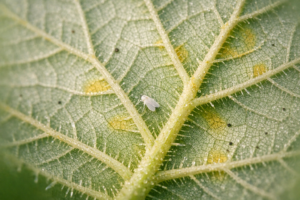
The white, wriggling specks I found that first time turned out to be Spotted Wing Drosophila (SWD) larvae — also called fruit fly maggots. They’re incredibly tiny, usually only 1 to 2 millimeters long, which makes them nearly invisible until you’re really looking. But here’s the thing that freaked me out at first: the reason you can’t see them from the outside is because the adult female flies lay their eggs through the skin of soft, ripe fruits. By the time you pick those beautiful mulberries, the eggs are already inside.
This was actually reassuring to learn. It’s not a sign I did something wrong with my growing practices or storage. It’s just what happens when you’re growing fruit outdoors in the real world. The SWD flies are attracted to ripe, soft fruit — which is exactly the mulberry you want to eat.
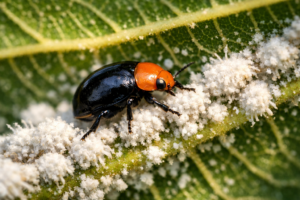
You might also encounter spider mites on your mulberry leaves or fruit surface. These appear as tiny red or brown crawling specks. Unlike SWD larvae, these are visible on the outside of the fruit, and they’re more of an indicator that your tree is stressed than a problem with your harvest. The good news? Neither type of pest poses any danger to humans.
Are Bugs in Mulberries Actually Safe to Eat?
This was my biggest concern. The answer surprised me: yes, fruit with small insects or larvae is safe to eat. I know that sounds wild, but stay with me here.
The USDA confirms that washing produce under running water while gently rubbing effectively removes surface pests, dirt, and residue from soft fruits. More importantly, experienced foragers and professional growers have long considered small insect presence in wild and homegrown fruit completely normal and harmless. Many people eat mulberries straight from the tree without any special preparation.
That said, I understand if the idea makes you uncomfortable (it did for me at first!). The good news is there are simple, effective methods to remove these bugs before eating. And honestly? Even if you don’t remove them, you’re eating something far more natural and real than most of what’s in grocery stores.
How to Remove Bugs from Your Mulberry Harvest
Once I learned this simple soak method, I stopped worrying and started actually enjoying my mulberry season. Here’s my step-by-step process that works beautifully every time.
Step 1: The Salt Water Soak
Fill a large bowl or colander with cool water and add one tablespoon of salt per quart of water. (Or, if you prefer, use diluted white vinegar instead — about one part vinegar to three parts water.) Submerge your freshly picked mulberries and let them soak for 10 to 15 minutes.
Here’s where the magic happens: the salt water (or vinegar solution) causes any larvae inside the fruit to exit and float to the surface. It’s almost like they’re saying “okay, I’m leaving!” You’ll start to see tiny white specks floating on top of the water — those are the SWD larvae. This method is gentle on the delicate fruit while being highly effective at removing the pests.
Step 2: Rinse Under Running Water
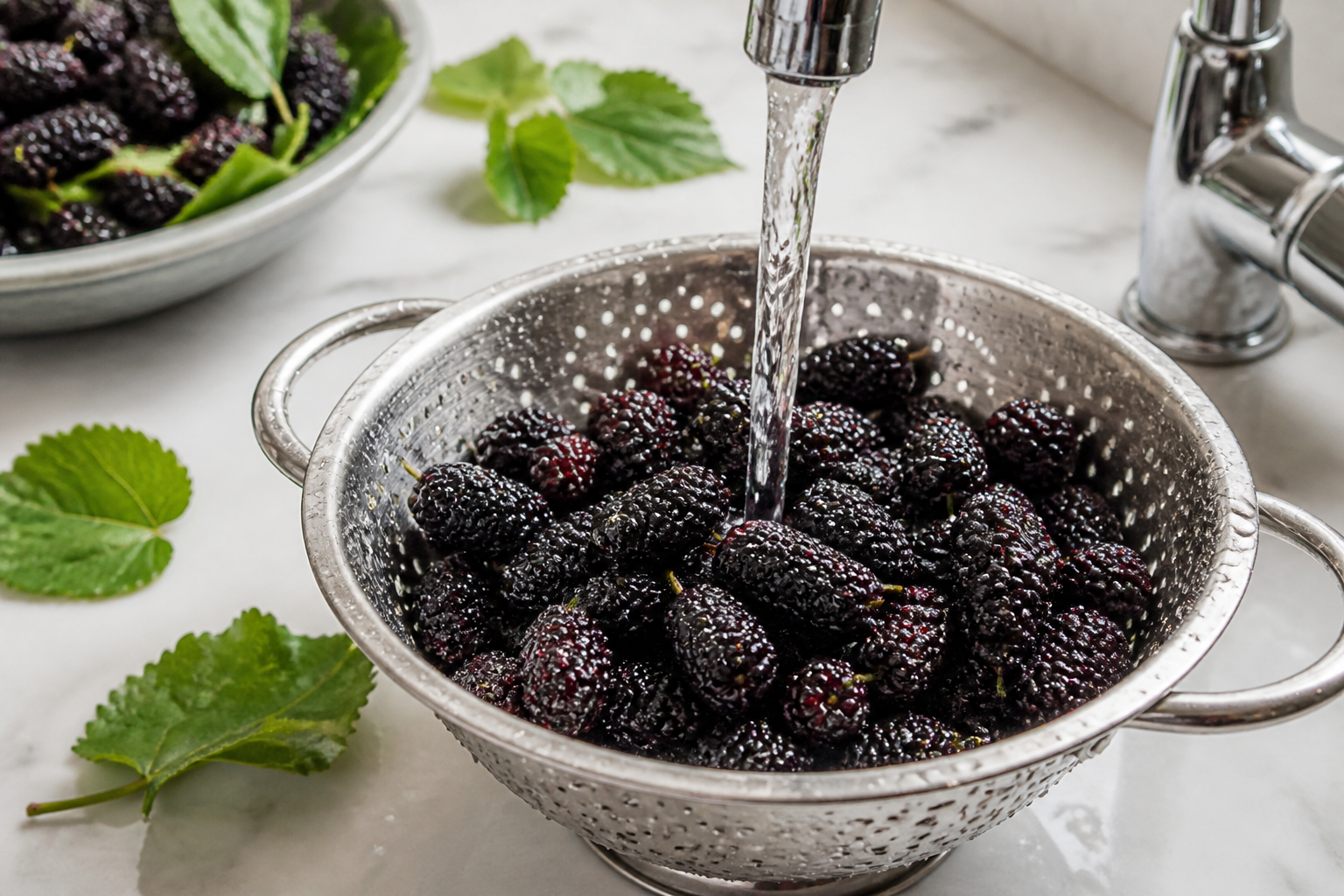
After your soak time is up, gently pour the mulberries into a colander and rinse them thoroughly under cool running water. Use your fingers to gently rub the fruit as you rinse — this removes any remaining surface debris and ensures you’re not consuming anything unwanted. This is the USDA’s recommended method for soft fruits, and it’s incredibly effective.
Step 3: Dry and Inspect (Optional)
If you want to be extra thorough, spin your mulberries in a salad spinner to remove excess water. At this point, your berries are completely safe and ready to eat. You can enjoy them fresh, add them to yogurt, blend them into smoothies, or preserve them for later.
Products I Recommend for Cleaning Your Mulberries
After years of experimenting, I’ve found a few tools and products that make the cleaning process easier and more effective.
Veggie Wash All Natural Fruit and Vegetable Wash (32 fl oz) — While salt water and vinegar work great, having a dedicated produce wash on hand is convenient. This natural veggie wash is gentle on delicate fruit and removes surface residue effectively. I use it when I want a deeper clean or when I’m preparing fruit for guests.
OXO Good Grips 5-Quart Stainless Steel Colander — A good colander is essential for rinsing and draining. This one from OXO is sturdy, large enough for a generous harvest, and honestly makes the whole process feel less tedious. The handles are comfortable, and it drains water quickly.
OXO Good Grips Large Salad Spinner (6.22 Qt) — If you want to dry your mulberries quickly and thoroughly before storage or eating, this salad spinner is a game-changer. It’s large enough to handle a big harvest, and the gentle spinning action won’t damage delicate berries. I use mine constantly during mulberry season.
My Final Thoughts on Bugs in Mulberries
That moment when I almost threw away an entire bowl of mulberries feels silly to me now. What I’ve learned is that growing and eating your own food comes with small challenges — but they’re completely manageable. Bugs in mulberries aren’t a sign of failure; they’re just part of the reality of real, unsprayed fruit.
The simple salt water soak, followed by rinsing under running water, takes less time than it takes to eat the fruit. You’ll have clean, safe mulberries ready to enjoy in any way you like. And honestly? Knowing exactly what went into your food — and being able to clean it yourself — is one of the greatest rewards of growing your own fruit.
Don’t let a little insect presence discourage you from enjoying your harvest. Your mulberry trees are producing delicious, nutritious fruit. With these simple steps, you can remove any bugs in mulberries and eat with complete confidence. I’m cheering you on — happy mulberry season!