This post contains affiliate links. As an Amazon Associate I earn from qualifying purchases at no extra cost to you.
Last summer, my neighbor Sarah stood in my backyard with a freshly picked black mulberry in her palm, looking at it like it might bite her. “So what do mulberries taste like?” she asked, hesitantly bringing it to her mouth. “Is it sweet? Sour? Will I regret this?”
I laughed because I’ve had this exact conversation hundreds of times. People ask me all the time what mulberries taste like before they try growing them, and it’s one of those questions that seems simple on the surface but actually goes surprisingly deep. The thing is, there isn’t just one answer. Black, red, and white mulberries taste remarkably different from each other, and even within a single variety, the flavor changes dramatically from underripe to peak ripeness to overripe. What you get on day one is genuinely not the same as what you get on day three.
I’m going to walk you through exactly what to expect—because once you understand the nuances, you’ll know exactly when to pick, how to prepare, and most importantly, whether mulberries are worth the space in your garden (spoiler: they absolutely are).
The Basic Answer: Mulberry Flavor Profiles by Color
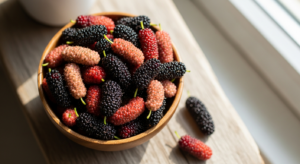
Let me start with the straightforward version. If someone asks you point-blank, “What do mulberries taste like?” the most honest answer is that they taste like a sophisticated blend of blackberry, raspberry, and fig—with a complexity that changes depending on which variety you’re eating.
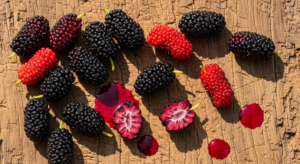
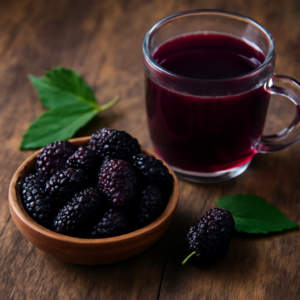
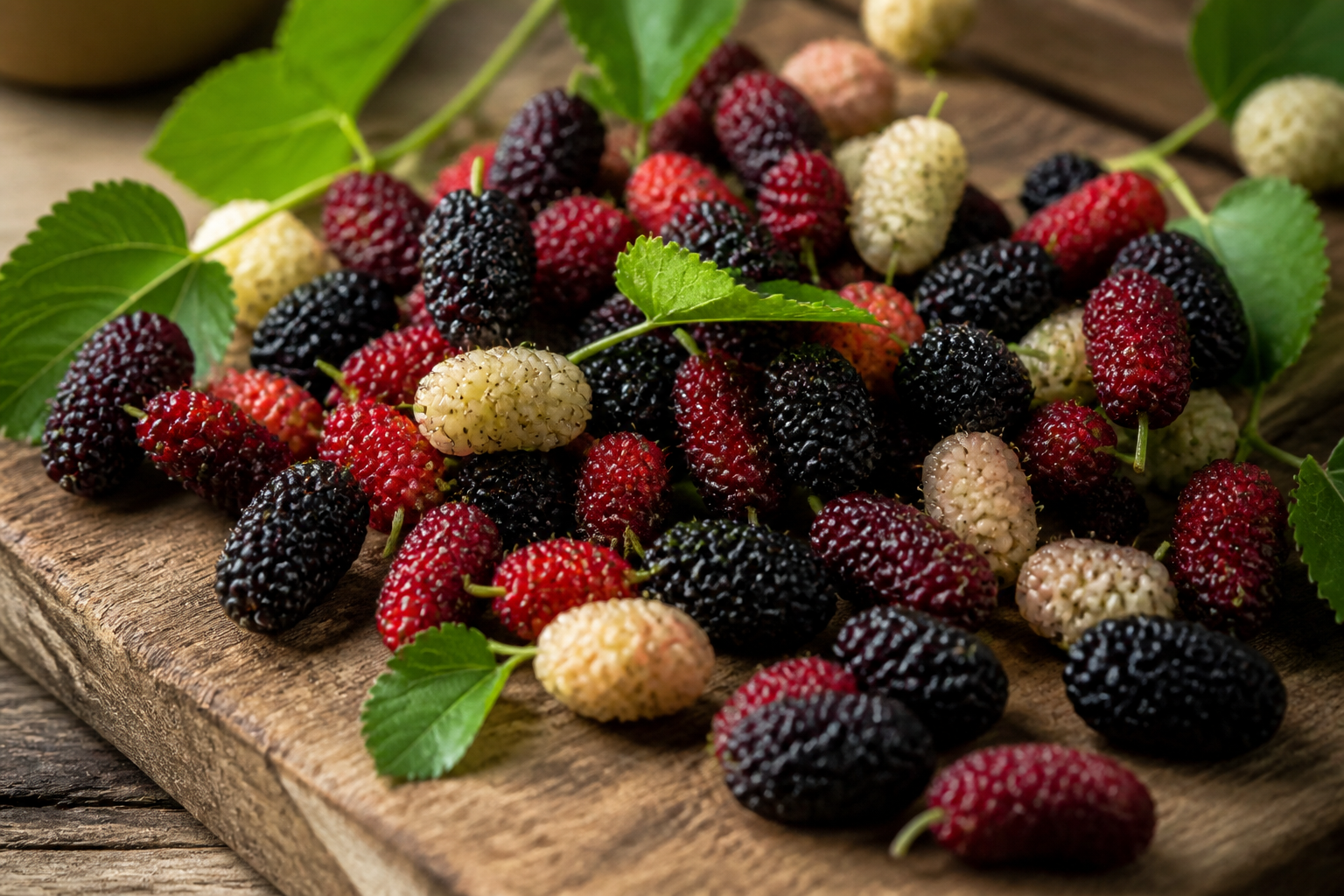
Black mulberries (Morus nigra) are the flavor powerhouses. These are the ones that make you stop mid-bite. They’re intensely sweet but with real backbone—a pleasant tartness that keeps them from feeling cloying. There’s a deeply fruity, almost wine-like quality to them. The flavor is bold and unapologetic. If black mulberries were a person at a dinner party, they’d be the one telling the most engaging stories.
Red mulberries (Morus rubra) occupy the middle ground. They’re sweet and fruity like their black cousins, but slightly less intense overall. The tartness is a bit softer, the sweetness a touch more delicate. They’re still magnificent, just a bit more understated.
White mulberries (Morus alba) are the gentle ones. They’re the sweetest of the bunch with notably lower tartness. If black mulberries are bold and red mulberries are balanced, white mulberries are almost honey-forward—milder, smoother, with less of that fruity complexity. Some people find them boring. I find them elegant.
The Science Behind What Makes Mulberries Taste the Way They Do
I’m not just describing feelings here—there’s actual chemistry at play. Mulberries contain a complex mix of sugars (mainly fructose and glucose), organic acids (citric and malic), and over 20 flavor-active compounds including anthocyanins, terpenes, and volatile esters that together create their distinctive flavor profile.
The aroma—that first thing that hits you when you bring a ripe mulberry close—comes primarily from volatile compounds including linalool, geraniol, and various esters. This is why mulberries smell like a combination of blackberries and raspberries. Your nose is actually detecting the same aromatic families.
A fully ripe black or red mulberry has a Brix (sugar content) of 8–12, which is similar to a ripe strawberry. But here’s what makes mulberries special: they also have a pH of 3.4–4.2, which provides the tartness that balances all that sweetness. Without that acidity, they’d be one-dimensional. With it, they’re compelling.
The Ripeness Factor: Why Timing Changes Everything
This is where my experience diverges dramatically from the basic answer. The ripeness of your mulberry changes not just the intensity of flavor, but the entire character of the eating experience.
Underripe Mulberries
Unripe mulberries are notably more tart and can actually cause mild stomach discomfort if eaten in quantity. I learned this the hard way my first season—I was overeager and harvested berries that were still slightly green. One handful tasted like I was eating sour candy. Two handfuls left my mouth feeling puckered for an hour. They’re not dangerous, but they’re not pleasant either.
White mulberries are the exception here. Because they’re naturally lower in acidity, you can eat them slightly underripe without that harsh, mouth-puckering sensation. That said, they still taste better when fully ripe.
Peak Ripe Mulberries
This is the sweet spot. A truly ripe mulberry—one that’s nearly falling off the branch—is when you get the full expression of everything that makes these berries special. The sweetness is at maximum, but it’s not saccharine. The tartness is present but balanced. The complex fruity notes sing. This is the version I recommend to people who are on the fence about growing mulberries.
Overripe Mulberries
Overripe berries become almost wine-like. The flavors concentrate and intensify. Some people love this—it’s when the flavor is at its most complex. Others find it a bit much. Overripe mulberries are perfect for jam, smoothies, or any application where you want that intense, concentrated flavor. But if you’re eating them fresh, I’d stop just before this stage.
How to Taste-Test and Pick the Perfect Mulberry
Okay, so how do you actually identify when your mulberries are ready? Here’s my practical approach, developed over seasons of picking.
- Look for deep color. Black mulberries should be almost purple-black. Red mulberries should be deep burgundy. White mulberries should be pale cream to white. If it’s still bright red or green, it’s not ready.
- Do the gentle squeeze test. A ripe mulberry gives slightly to pressure but doesn’t burst immediately. If it’s rock hard, wait a day or two. If it’s mushy, you’re past the window.
- Check if it releases easily. A truly ripe mulberry will come off the branch with almost no pressure. If you have to tug, it’s not quite there yet.
- Trust your nose. Ripe mulberries have a distinct sweet-fruity aroma. Underripe ones smell more vegetal. That olfactory cue is surprisingly reliable.
Here’s my favorite trick: taste one berry from each part of the tree. The ones in full sun will ripen first and usually taste slightly sweeter. The ones in partial shade might be a day or two behind. Once you taste and identify where you are in the ripeness spectrum, you can make an informed decision about whether to pick the whole batch or wait another day.
Products I Recommend for Enjoying Mulberries Year-Round
One of the best parts about loving mulberries is that you don’t have to eat them fresh from the tree. I use these products to extend my mulberry season all year.
If you want to experience that intense black mulberry flavor whenever you want, Top Grade Premium Dried Black Mulberries (9oz, No Sugar Added) are perfect. They concentrate the flavor beautifully, and I add them to oatmeal, yogurt, and trail mixes. No added sugar means you’re tasting pure mulberry.
For versatility, Freeze Dried Mulberries (150g/5.3oz, for Beverages, Tea, Snacks & Baking) are fantastic. They rehydrate beautifully in smoothies and keep their flavor profile intact. I also crush them into baking projects for a unique twist on traditional berry recipes.
And if you want to explore white mulberries in a different way, FullChea USDA Organic White Mulberry Leaf Tea (100 Bags) is a gentle, subtly sweet option that captures the mild elegance of white mulberries in leaf form. It’s become my afternoon ritual drink.
So, What Do Mulberries Taste Like? The Honest Answer
If I’m being completely honest, what mulberries taste like is unique. They’re not quite blackberries, not quite raspberries, though they share DNA with both. They have a complexity that makes you pause and actually think about what you’re eating instead of just mindlessly popping them in your mouth.
Black mulberries taste rich and wine-forward, perfect if you want bold flavor. Red mulberries offer a beautiful balance of sweetness and tartness. White mulberries are delicate and honey-sweet. All of them taste best when picked at peak ripeness, and all of them reward the patience it takes to understand their nuances.
This is why I love them. They’re not straightforward. They demand a little attention, a little care, and a willingness to learn. But once you do, once you bite into a perfectly ripe mulberry on a warm summer afternoon and that complex flavor unfolds on your tongue, you understand why I spend so much time thinking about them.
My advice? Stop wondering about what do mulberries taste like, and plant a tree. Whether you choose black, red, or white, you’ll discover a flavor you never knew you were missing. And if you can’t wait that long, grab some freeze-dried or dried mulberries to tide you over. Either way, I promise it’s worth the adventure.