This post contains affiliate links. As an Amazon Associate I earn from qualifying purchases at no extra cost to you.
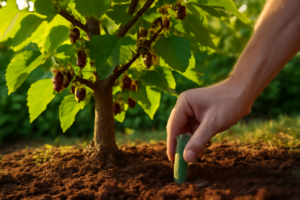
I’ll never forget standing in my backyard on a gray February afternoon, holding a young mulberry sapling and genuinely panicking. The nursery tag said it was “cold hardy,” but I lived in Zone 5, and I’d just read three different websites that each claimed something different about mulberry growing zones. One said my variety would thrive. Another said it would die. A third suggested I needed a completely different type of mulberry altogether.
I stood there for probably ten minutes, muddy boots and all, wondering if I was about to waste sixty dollars on a tree that wouldn’t survive my first winter.
That’s when I realized the real problem: nobody was giving a straight answer about which mulberry varieties actually grow where, and when you’d realistically see fruit in your specific climate zone. So I did what any slightly obsessed gardener would do—I started researching, experimenting, and talking to other mulberry growers across the country. What I learned completely changed my approach to choosing mulberry varieties.
Today, I want to save you from that same confused standing-in-the-mud moment. Here’s the definitive breakdown of mulberry growing zones, which varieties belong in your climate, and exactly when you can expect to harvest your first sweet berries.
Understanding Mulberry Growing Zones and Hardiness
The truth about mulberry growing zones is this: there’s no single “mulberry zone.” Instead, there are three main species of mulberries commonly grown in home gardens, and each one has a completely different temperature tolerance. Your USDA Hardiness Zone is the starting point, but the specific variety you choose matters even more.
Think of your hardiness zone as the baseline. It tells you the average minimum winter temperature your area experiences. But mulberries? Some varieties laugh at temperatures that would kill others. Understanding this distinction is what separates successful mulberry growers from frustrated ones.
Let me break down the three main species you’ll encounter, because this is where most of the confusion starts:
The Three Mulberry Species and Their Growing Zones
White Mulberry (Morus alba) — The Cold-Hardy Champion
White mulberry is the toughest mulberry out there. If you live anywhere from USDA Hardiness Zone 4 through Zone 8, this is likely your best bet. White mulberry varieties can tolerate winter temperatures down to -20°F (-29°C), and some cultivars have even survived in Zone 3 with proper winter protection.
This is the variety that got me started. The White Mulberry didn’t just survive my Zone 5 winter—it thrived. I’ve since learned that white mulberries are incredibly forgiving for northern and central gardeners. The trade-off? The flavor is slightly milder and more delicate than some of the other species, but don’t let that discourage you. When they’re ripe and fresh off the tree, they’re absolutely delicious, and you’ll have plenty of them.
Red Mulberry (Morus rubra) — The Eastern Native
Red mulberry is native to the eastern United States, and it shows. This species grows reliably in USDA Zones 4 through 8 and is particularly well-adapted to the humid eastern climate where it naturally thrives. If you’re in the eastern half of the country dealing with humidity and seasonal temperature swings, red mulberry often outperforms other varieties.
Here’s where red mulberry struggles: hot, dry western climates. If you live in the Southwest or a dry continental climate, this isn’t your variety. But if you’re in the humid East, red mulberry often produces larger, sweeter berries than even white mulberry. I have friends in Ohio and Pennsylvania who swear by their red mulberry trees.
Black Mulberry (Morus nigra) — The Flavor Champion (But Not for Cold Climates)
Black mulberry produces the finest-tasting berries of all three species. The flavor is complex, rich, and genuinely exceptional. The problem? It’s the least cold-hardy variety by far. Black mulberry is reliably hardy only in USDA Zones 6 through 9, with a strong preference for Mediterranean, warm-temperate, and Pacific Coast climates.
If you live anywhere with extreme cold winters or very dry continental climates, black mulberry will likely struggle or die. But if you’re in California, the Pacific Northwest, the Deep South, or other warm-winter regions, black mulberry is absolutely worth growing. The berries are worth it.
When Your Mulberries Will Actually Ripen
Here’s something I wish I’d known before planting: the ripening season for mulberries varies dramatically by location. I spent my first spring checking my tree obsessively, convinced something was wrong because I wasn’t seeing ripe berries yet. Turns out I just didn’t understand the zone-to-ripening timeline.
Here’s the general pattern:
- Zones 5–6: Late June to mid-July. You’re looking at early summer for your harvest window.
- Zones 7–8: Late May to June. Earlier season, which means you might catch the berries before birds do.
- Zone 9: Late April or May. These growers get the earliest harvests of all.
But here’s the thing: altitude and microclimate can shift these dates by one to three weeks in either direction. If you live at elevation or in a mountain valley, your berries will ripen later than someone in the same zone living at lower elevation. If you have a south-facing slope or a spot protected by buildings, your berries might ripen earlier.
I learned this the hard way when my friend Sarah moved to a cabin at 7,000 feet elevation in the same state as me. Her mulberries ripen nearly three weeks later than mine, even though we’re technically in the same zone. It’s these small details that make the difference between a successful harvest and disappointed visits to your trees.
Sunlight Needs: The Surprising Silver Lining
Here’s one of my favorite discoveries about mulberries: they’re way more shade-tolerant than most fruit trees. I know gardeners with fruit trees who despair because their ideal garden spot only gets four to six hours of direct sunlight daily. Mulberries can actually produce fruit in those conditions.
That said, don’t think of this as permission to plant in deep shade. Six to eight hours of direct sunlight produces significantly better yields and sweeter, larger berries. But if your space is genuinely limited and you were worried about whether your mulberry would work in a partially shaded spot? It probably will.
This flexibility is one reason I recommend mulberries to gardeners who feel like they don’t have ideal growing conditions. They’re forgiving trees, both in terms of cold tolerance and light requirements.
Products I Recommend for New Mulberry Growers
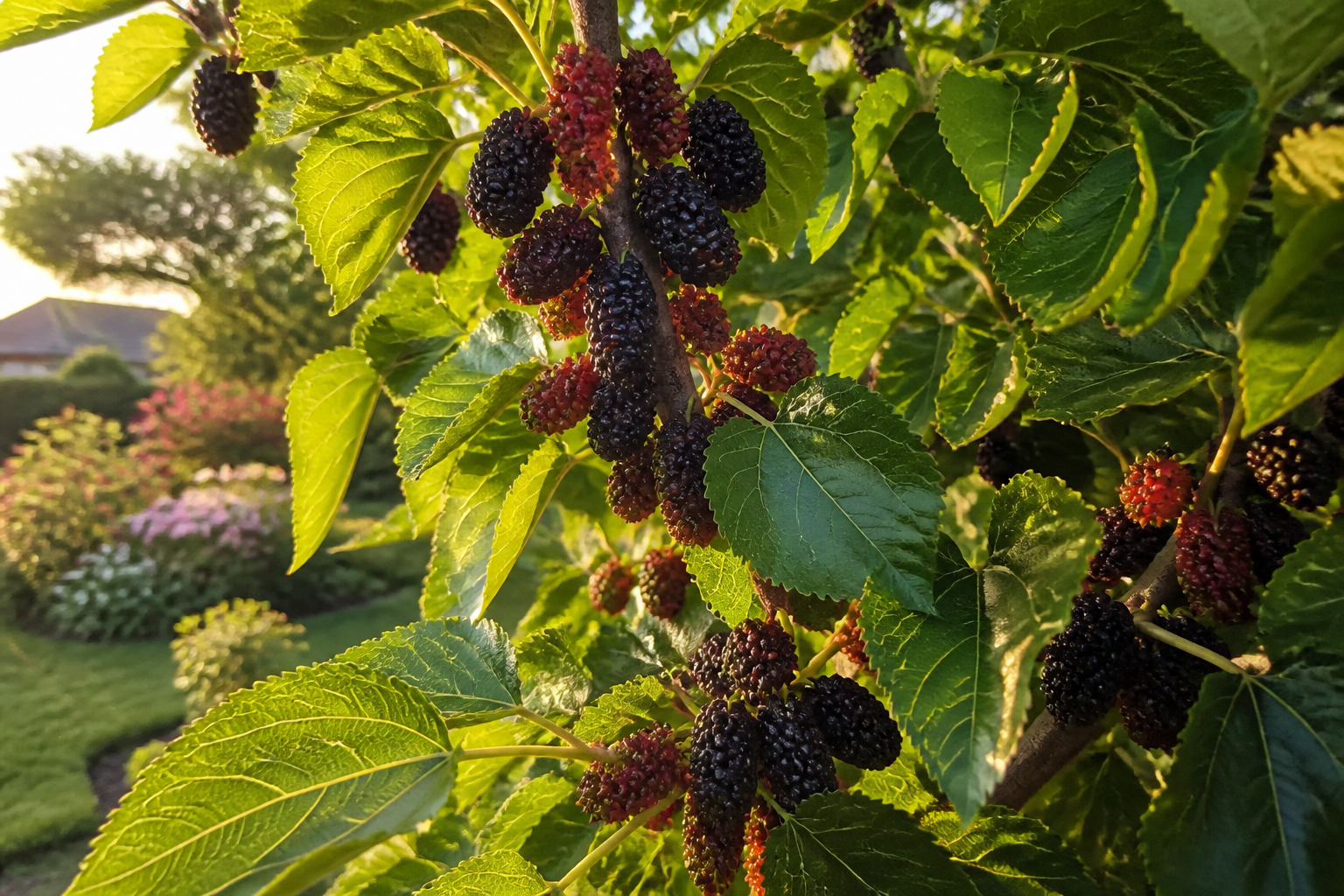
When you’re ready to get started with mulberries suited to your mulberry growing zones, I’ve had excellent results with the Illinois Everbearing variety. This cultivar is a white mulberry that thrives in Zones 4–8, produces abundant fruit with a lovely sweet flavor, and starts producing within a few years. I actually have one of these in my yard right now.
The Illinois Everbearing Mulberry Tree (6–10″ Tall Live Plant) arrives as a young sapling, which is perfect for gardeners who want to establish their tree gradually and watch it grow from the beginning. It’s a living plant shipped directly to your door, ready to be planted in your mulberry growing zone.
Your Next Step: Choose Your Variety and Plant with Confidence
The confusion I felt holding that sapling in February is completely avoidable. Now you know exactly which mulberry species grows in your USDA Hardiness Zone, approximately when those berries will ripen, and what sunlight conditions will make your tree happiest.
Here’s my recommendation: Check your USDA Hardiness Zone if you don’t already know it (you can look it up easily online), match it to the species information I’ve shared, and then choose a proven cultivar like Illinois Everbearing if you’re in Zones 4–8. This variety reliably produces abundant fruit and handles cold winters without drama.
Mulberry growing zones aren’t mysterious. They’re just about choosing the right variety for your climate, understanding your ripening window, and giving your tree the basic care it needs. The payoff—fresh, warm mulberries straight from your own tree—is absolutely worth the small bit of planning upfront.
Plant your mulberry this season. I promise you won’t regret it.