
Two summers ago, my mulberry trees looked embarrassing. The leaves were pale and smallish, the fruiting was sparse, and one of my three trees had barely put on any new growth at all. I had been gardening for years, but mulberries were newer territory for me. After some frustrated research, I landed on trying Jobe fertilizer spikes fruit trees mulberry owners kept recommending in forum after forum. I was skeptical but desperate enough to give them a real shot — and I mean a real shot, across two full growing seasons.
What followed was genuinely surprising. Not a miracle, but a clear, measurable difference I could track season over season. I want to share exactly what happened, what didn’t work as well as I hoped, and whether I think these spikes are worth your money if you’re growing mulberries specifically.
The Fertilizer Spike That Finally Woke Up My Stunted Mulberry
Pale leaves and weak growth on young mulberries often signal nitrogen deficiency or poor nutrient availability in the soil. When liquid fertilizers aren’t cutting it, slow-release spikes deliver consistent feeding straight to the root zone where it actually matters.
What works
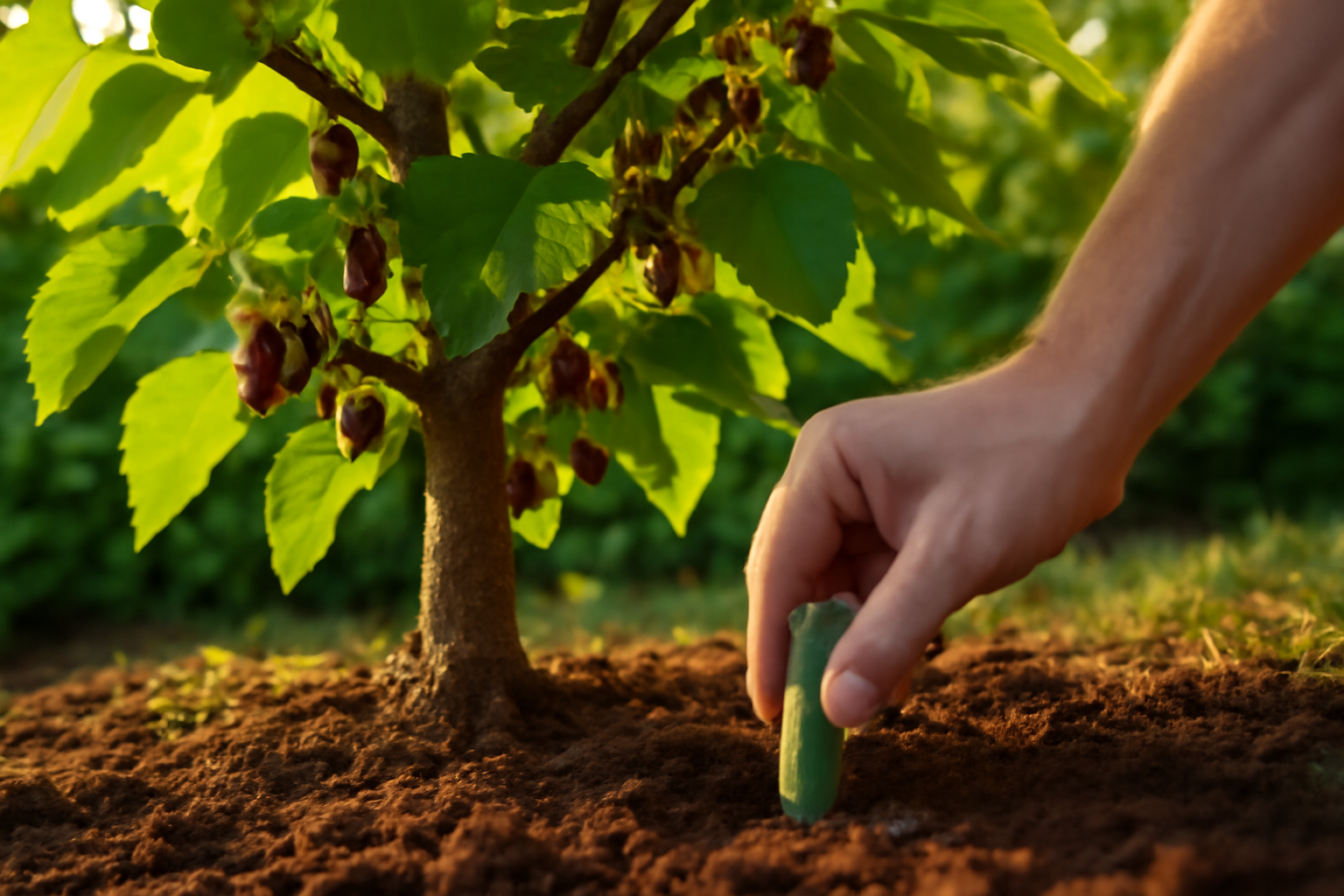
- New leaf growth appeared noticeably darker and fuller within 4–6 weeks of driving the first spikes in around the drip line, which was the clearest visual proof something had shifted.
- The slowest tree — the one that had basically stalled out — finally put on 18+ inches of new branch growth by midsummer, something it hadn’t done in two years prior.
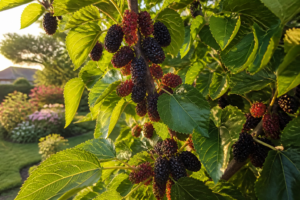
- Fruit production ramped up meaningfully in year two; I went from scrappy, scattered berries to actual harvests worth preserving, which justified the tiny investment immediately.
What doesn’t
- You have to remember to reapply them every spring or early summer; I forgot in year three and watched the trees slip back into pale, listless growth within weeks, which killed my complacency fast.
- Driving them into compacted soil around the base is harder than it sounds — I bent two spikes my first attempt and had to loosen the soil first, adding an extra 15 minutes of work per tree.
I almost ditched them after that first bent spike in year one, convinced they were a waste of money, but I’m genuinely glad I stuck with the application method adjustment. Jobe’s Garden Fertilizer Spikes, Easy Plant Care Slow Release Fertilizer for Fruit and Citrus Plants and Trees, 9 Count
Jobe’s Garden Fertilizer Spikes, Easy Plant Care Slow
I went from sparse, scattered berries to actual harvests worth preserving in year two.
Check Price on Amazon →This post contains affiliate links. As an Amazon Associate, I earn from qualifying purchases at no extra cost to you.